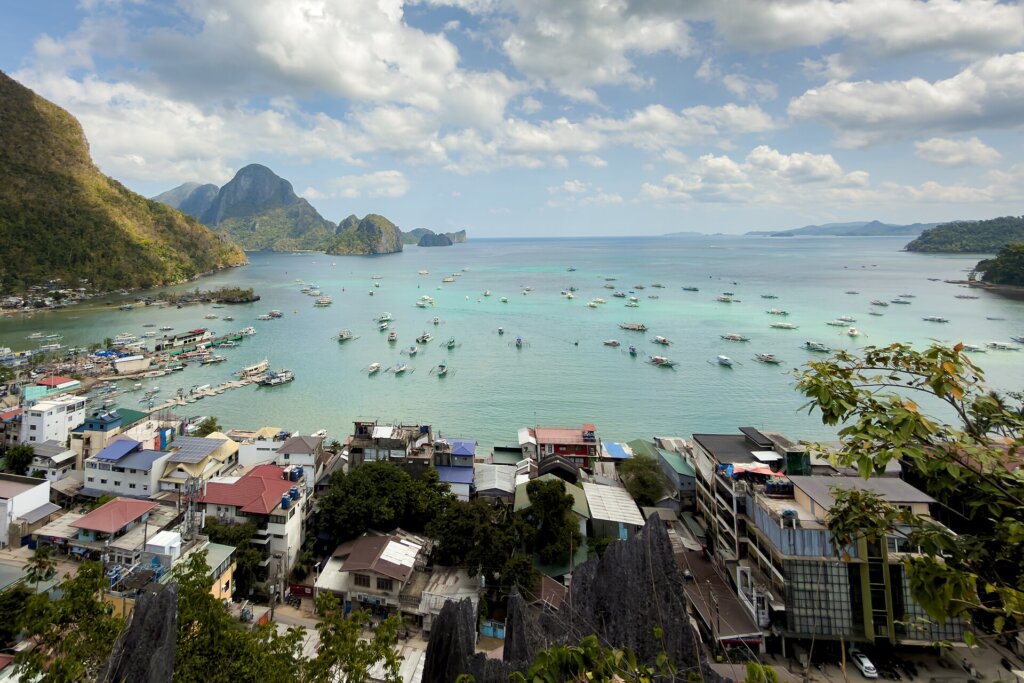
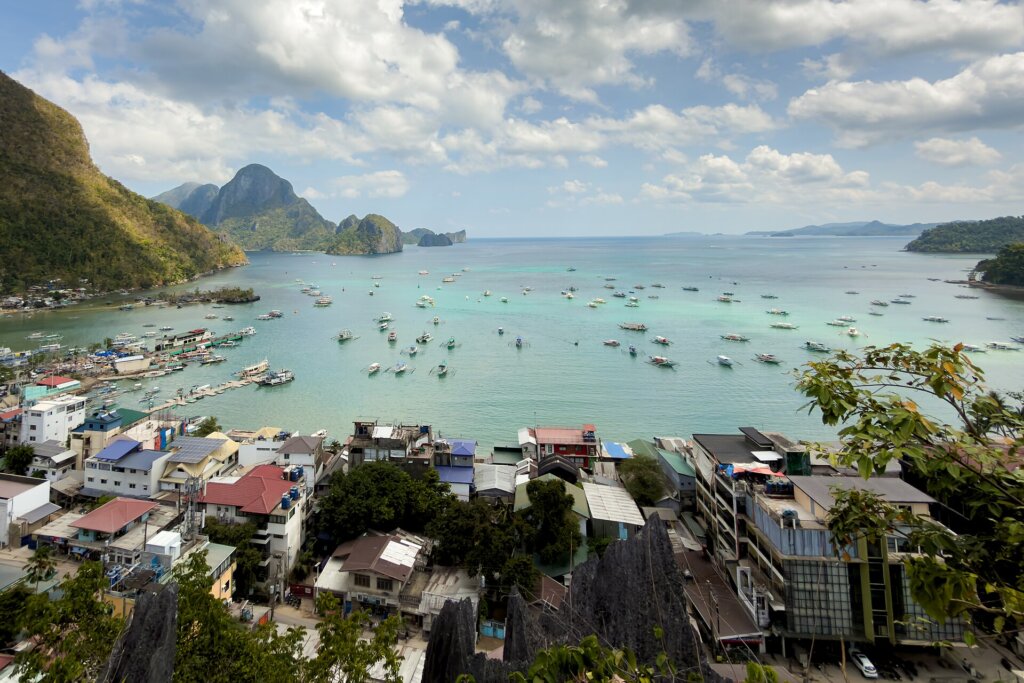
TL;DR: The roughly two-week stretch from about 8 to 24 January 2027 is one of El Nido’s best-value windows: dry-season weather, fewer crowds after New Year, and lower demand before Lunar New Year on 6 February. The main catch is the amihan (northeast) wind, which can make some boat routes choppy, so keep one flexible day.
This guide focuses on mid-January specifically for travellers who can be flexible with dates and want dry-season El Nido without the Christmas and New Year rush. Our unique angle is the “between-holidays” window: the gap after the domestic year-end peak and before Lunar New Year demand from East Asia. If you are weighing other holiday periods, see our guide to El Nido during Chinese New Year 2027.
- Why Mid-January Is a Sweet Spot
- Mid-January Weather: What to Expect
- Mid-January vs Other Peak-Season Windows (Comparison Table)
- Festivals and Events That Affect Travel
- Suggested 5-Day Mid-January Itinerary
- Booking Strategy for the Post-Holiday Window
- Getting to El Nido in Mid-January
- What to Pack for Mid-January
- Who Should Choose Mid-January?
- Key Takeaways
- Frequently Asked Questions
Why Mid-January Is a Sweet Spot
Late December and the first days of January are among the busiest weeks of the year in El Nido. Domestic travellers on year-end leave, international holidaymakers and returning overseas Filipinos all compete for rooms, vans and boat seats. Once schools and offices reopen in early January, demand eases noticeably.
Then, in early February 2027, Lunar New Year (which falls on 6 February 2027) brings a new wave of visitors from mainland China, Taiwan, Hong Kong, South Korea and Singapore. Mid-January sits neatly between these two peaks. In practice, that often means:
- More room availability at popular mid-range hotels.
- Better odds of last-minute deals at luxury resorts.
- Less crowded lagoons and beaches on Tours A and C.
- Easier booking of private boats and specialist tours.
Rates vary by property, and El Nido remains in its high season through May, so “cheaper” is relative. Still, compared with the holiday weeks, mid-January usually offers far better value. For booking timelines, see when to book El Nido hotels by month.
Mid-January Weather: What to Expect
January falls in the dry season for northern Palawan. Expect mostly sunny days, low humidity compared with the wet months and comfortable evenings. Sea temperatures are warm enough for long snorkelling sessions without a wetsuit for most people.
The main weather factor is the amihan, the northeast monsoon that typically blows from around November to March. On some days it brings steady breezes, choppy water on exposed stretches and occasional short showers. Tours usually run, but operators may adjust routes or swap stops to stay in sheltered water. The national weather agency PAGASA publishes daily forecasts and gale warnings, and our amihan season guide explains which tours tend to be affected.
Mid-January vs Other Peak-Season Windows (Comparison Table)
| Window | Weather | Crowds | Price pressure | Best for |
|---|---|---|---|---|
| Christmas to New Year (20 Dec–5 Jan) | Dry, amihan winds | Very high | Highest | Festive atmosphere, groups |
| Mid-January (approx. 8–24 Jan) | Dry, amihan winds | Moderate | Moderate | Value seekers, couples, divers |
| Lunar New Year (early Feb 2027) | Dry, easing winds | High | High | East Asian holidaymakers |
| March | Dry, calm seas | Moderate to high | Moderate to high | Calm-water island hopping |
| Holy Week (late March 2027) | Hot, dry | Very high | Very high | Domestic holiday travellers |
Festivals and Events That Affect Travel
Mid-January is festival season elsewhere in the Philippines, and that can affect your flights even if El Nido itself is calm. The Sinulog festival in Cebu and the Ati-Atihan festival in Kalibo, Aklan, both peak around the third Sunday of January, which in 2027 falls on 17 January. Domestic flights to and from Cebu and Aklan can fill quickly around those dates.
That creates two opportunities:
- Combine trips. If you want a festival plus beaches, fly into Cebu for Sinulog, then continue to Palawan once the crowds disperse.
- Avoid connection crunches. If you are routing through Cebu, book early or choose Manila connections to Puerto Princesa or Lio instead.
There are no major national public holidays in mid-January, which is part of why domestic tourism dips. For the full calendar, see the list of public holidays in the Philippines.
Suggested 5-Day Mid-January Itinerary
- Day 1 – Arrive and settle in. Fly into Lio or take the van from Puerto Princesa. Sunset at Las Cabanas or Marimegmeg.
- Day 2 – Tour A. Big Lagoon, Small Lagoon and Seven Commandos are noticeably quieter than during the holidays. Confirm your pickup the night before using our tour pickup guide.
- Day 3 – Flexible day. If the amihan is strong, swap to a land day: Nacpan Beach, waterfalls or a cooking class. If calm, do Tour C for Hidden Beach and Secret Beach.
- Day 4 – Private boat or diving. With less demand, private bangkas are easier to book. Divers will find good visibility on many days.
- Day 5 – Slow morning and depart. Leave a buffer for the van or flight.
Not sure which tours to prioritise? Our Tour A vs B vs C vs D comparison breaks down each route.
Booking Strategy for the Post-Holiday Window
Because mid-January demand is softer, you can afford to be a little more flexible, but not careless. Our approach:
- Book flights early. Air fares to Palawan do not always drop in step with hotel rates, especially around festival weekends.
- Hold a refundable room, then watch for deals. Many hotels release promotions once the holiday rush ends.
- Book island hopping a day ahead. Same-day booking is usually possible, but a day’s notice gives you your pick of operators.
- Keep one day unplanned. Amihan days are easier to absorb with a buffer.
Getting to El Nido in Mid-January
You have two main routes, and both tend to be easier in mid-January than during the holiday weeks.
Fly direct to Lio Airport
Small-aircraft flights from Manila land at Lio Airport, a short drive from El Nido town. This is the fastest option and the least tiring, but seats are limited and fares are higher than flights to Puerto Princesa. Baggage allowances on these smaller aircraft can also be stricter, so check your ticket conditions before packing a large suitcase. In January, it is worth booking several weeks ahead, particularly for Friday and Sunday flights.
Fly to Puerto Princesa, then van or private car
Many more flights serve Puerto Princesa from Manila, Cebu and other hubs. From there, shared vans and private transfers take roughly five to six hours by road to El Nido, with a stop or two along the way. Morning departures give you daylight for the drive, and in mid-January you can usually find a shared van seat with a day’s notice. If you are prone to car sickness, ask for a front-row seat when booking.
Whichever route you choose, avoid booking your first island hopping tour on arrival day. Give yourself the afternoon to check in, buy any supplies and confirm tomorrow’s pickup.
What to Pack for Mid-January
- Light layers or a thin windbreaker for breezy boat rides.
- Reef-safe sunscreen, a hat and sunglasses; the dry-season sun is strong.
- A dry bag for spray on choppy crossings.
- Seasickness tablets if you are prone to motion sickness; amihan swell can be noticeable on longer routes.
- Reef shoes for wading to boats and walking on coral rubble.
Who Should Choose Mid-January?
Mid-January is ideal for couples, solo travellers, divers and anyone who values space over a party atmosphere. Families with school-age children may find it harder because school terms are in session in many countries, but those with younger kids can benefit from quieter beaches. Remote workers will also appreciate easier access to well-connected hotels and cafés, since the holiday crowds have gone home.
Budget travellers benefit too. Hostels in town that were fully booked over New Year often have dorm beds and private rooms available again by the second week of January, and shared tours fill more slowly, so you can compare a few operators before committing. Photographers get clear, dry-season light with fewer people in the frame at classic viewpoints like Big Lagoon and the Taraw Cliff area. Honeymooners and anniversary travellers can more easily secure sought-after rooms at island resorts, which often book out months ahead for the holidays.
If you want festive energy, choose late December. If you want dry weather, thinner crowds and better value, mid-January 2027 is hard to beat.
Key Takeaways
- Mid-January 2027 (about 8–24 January) sits between the New Year rush and Lunar New Year on 6 February.
- Expect dry-season weather with periodic amihan winds that can make some routes choppy.
- Hotel availability and deals typically improve once the holiday peak ends.
- Sinulog and Ati-Atihan around 17 January 2027 can tighten domestic flights via Cebu and Aklan.
- Build one flexible day into your itinerary for windy conditions.
- Book flights early even if you hold off on the hotel.
Frequently Asked Questions
Is January a good time to visit El Nido?
Yes. January is in the dry season, with mostly sunny weather and warm seas. Mid-January is especially attractive because crowds thin out after the New Year holidays.
Does the amihan wind cancel El Nido tours in January?
Most tours still run, but strong amihan days can lead operators to adjust routes or, occasionally, suspend trips. Keep a flexible day and check PAGASA and coast guard updates.
Are hotels cheaper in El Nido in mid-January?
Often cheaper than during Christmas, New Year and Lunar New Year, although January is still high season. Promotions frequently appear once the holiday rush ends.
When is Lunar New Year 2027?
Lunar New Year falls on 6 February 2027. Expect higher demand from East Asian travellers in the days around that date.
How many days should I spend in El Nido in January?
Four to five days is ideal, giving you time for two or three island hopping tours plus one flexible day in case of wind.
About the Author
This guide was compiled by the El Nido Hotels Ranking editorial team, with input from local operators and ongoing on-the-ground updates.