
Oysters, called talaba in Filipino, appear on small menus and market tables around Palawan, and curious travelers often wonder whether they are worth trying in El Nido. This guide focuses on oysters specifically for adventurous eaters who want to know how they are served, how to lower the risk of a stomach upset and what to order instead if you would rather play it safe. It covers freshness, cooking styles, red tide timing, prices and etiquette.
- What Are Talaba and Where Do They Come From?
- How Oysters Are Usually Served
- Is It Safe to Eat Raw Oysters in El Nido?
- Red Tide and Seasonal Warnings
- Where and How to Buy Fresh
- How to Order Without Confusion
- Typical Costs and Value
- What To Order If You Skip Oysters
- If You Get Sick
- Responsible Eating and Sustainability
- A Beginner’s Tasting Plan
- Pairing Oysters With Local Flavours
- Etiquette at Local Eateries
- Oyster Farming and the Coast
- Quick Decision Guide
- Handling Leftovers and Storage
- Final Thoughts
- Frequently Asked Questions
What Are Talaba and Where Do They Come From?
Talaba are bivalve molluscs grown or harvested in sheltered coastal waters across the Philippines. In Palawan they are typically small to medium and have a mild, briny flavour. Availability in El Nido depends on the season, the weather and local harvest, so do not assume every restaurant has them daily. Ask staff when they arrived and where they came from; a good seller will answer without hesitation.
How Oysters Are Usually Served
| Style | What it is | Risk level | Best for |
|---|---|---|---|
| Raw on the half shell | Served with calamansi, vinegar or chilli | Highest | Experienced eaters in good conditions |
| Grilled (inihaw) | Cooked on coals, sometimes with garlic butter | Lower | Most visitors |
| Steamed | Opened by heat and served with dipping sauce | Lower | Cautious eaters |
| Fried or in omelette | Battered, fried or cooked in egg | Low | Anyone avoiding raw seafood |
| In soup | Simmered with ginger and greens | Low | Comfort food, rainy days |
Is It Safe to Eat Raw Oysters in El Nido?
Raw shellfish carry an inherent risk anywhere in the world because oysters filter water and can concentrate bacteria, viruses and natural toxins. Health agencies such as the World Health Organization advise that people who are pregnant, elderly, very young or living with liver disease or weakened immunity avoid raw shellfish altogether. If you are healthy and still want to try them, choose busy places with fast turnover, make sure the shells are tightly closed or close when tapped, and avoid anything that smells strongly of ammonia or looks dry and shrunken. When in doubt, order them cooked.
Red Tide and Seasonal Warnings
Harmful algal blooms, known as red tide, can make shellfish dangerous even when they look and smell normal, and cooking does not remove the toxins. Local authorities issue shellfish advisories when blooms occur, and restaurants should follow them. Read our guide to red tide and shellfish safety in El Nido before ordering any bivalves, and check recent local announcements. If a warning is active, skip oysters, mussels and similar shellfish entirely and choose fish instead.
Where and How to Buy Fresh
Many travelers prefer to buy at the public market and ask a restaurant to cook the catch. Our guides to the public market prices for seafood and produce and the paluto system explain how to buy shellfish and have it cooked nearby. For a comparison of approaches, see fish market versus restaurant grill. Always ask for the price per kilo or per piece before you agree, and confirm the cooking fee so there are no surprises.
How to Order Without Confusion
Start by asking whether the oysters are fresh today, whether there is a red tide warning, and how they are cooked. Request them grilled or steamed if you are unsure, and ask for sauce on the side so you can taste the natural flavour first. Calamansi juice adds acidity but does not make a bad oyster safe, so do not treat it as a sterilising step. Share a small plate first rather than ordering a large tray, so you can judge freshness before committing.
Typical Costs and Value
Prices change with season and supply, so treat anything you read as a rough guide and confirm on the spot. As a rule, market prices are lower than restaurant prices, and raw plates in tourist areas cost more than grilled portions. Compare two or three vendors, and avoid buying from anyone who cannot tell you where the shellfish came from. Our El Nido price list offers broader context for everyday spending.
What To Order If You Skip Oysters
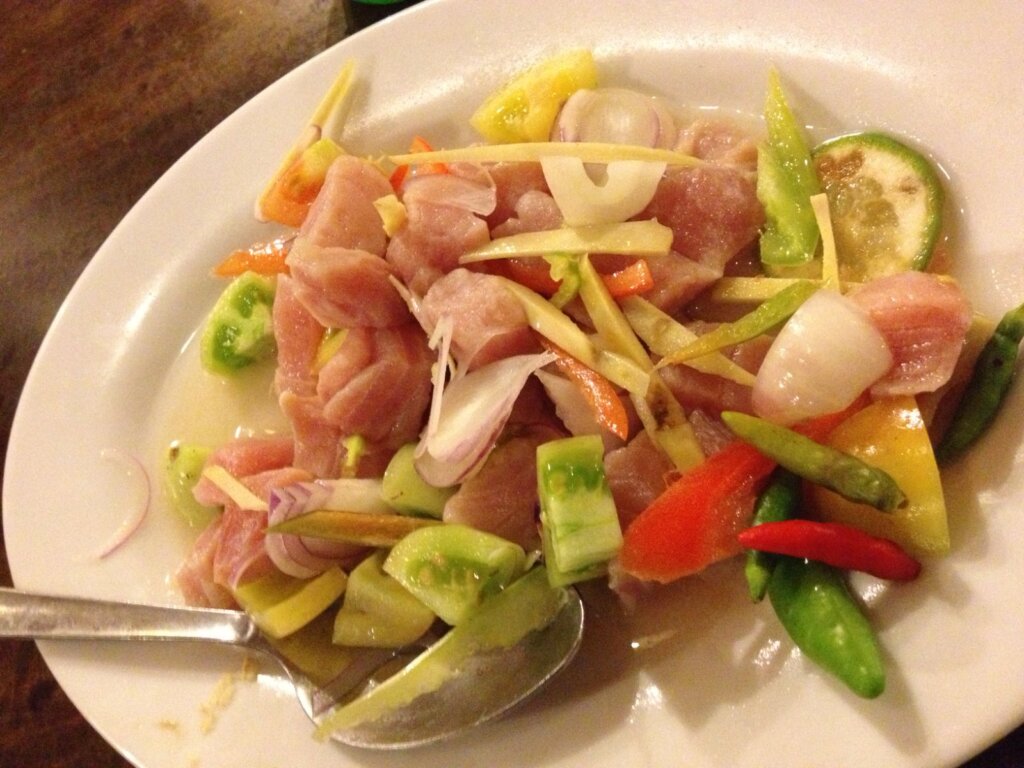
El Nido has plenty of safer seafood options. Grilled fish, squid, prawns and fish kinilaw are widely loved, and you can see where to taste them in our guide to the best kinilaw spots in El Nido. Choose places with a steady crowd and visible refrigeration. Rice, vegetables and fresh fruit round out a meal without the risk.
If You Get Sick
Symptoms such as vomiting, diarrhoea, fever or tingling lips after eating shellfish need prompt attention. Drink safe fluids with oral rehydration salts, rest, and seek medical help if symptoms are severe or last more than a day. Read our first aid and pharmacy guide to know where to go, and keep travel insurance details handy. The Department of Tourism and the DENR publish information on coastal safety and marine resources that is useful for context.
Responsible Eating and Sustainability
Choose shellfish that locals harvest legally and in season, avoid buying undersized specimens, and do not take shells or live animals from protected areas. Supporting vendors who follow rules helps keep oyster beds, mangroves and nearby reefs healthy, and mangroves in particular filter water and protect the coast. A mindful traveler enjoys the food without adding pressure to a fragile ecosystem.
A Beginner’s Tasting Plan
If you want to try oysters for the first time, treat it like a small experiment rather than a full meal. Begin with a cooked portion of three or four pieces, such as grilled with garlic, and see how you feel over the next day. If all is well and conditions are good, you can try a small plate of raw ones on another evening at a busy, well-reviewed place. Never combine your first oyster experience with heavy drinking, a very early boat tour or a long transfer the next morning, since an upset stomach is much harder to manage when you are on the move. Keep oral rehydration salts and basic stomach medication in your bag, and tell your travel companion what you ate in case you need help.
Pairing Oysters With Local Flavours
Filipino cooks often serve seafood with calamansi, soy sauce, chopped chilli, shallots and vinegar dips known as sawsawan. These add brightness and heat that suit grilled and steamed oysters well. Fresh coconut water, cold local beer or plain steamed rice balance the saltiness. Try a few dips in small amounts, because some sauces are very spicy. A plate of sliced green mango or cucumber on the side also adds crunch and freshness to the meal.
Etiquette at Local Eateries
In casual seafood spots, it is normal to point at the item you want, ask the price and agree on a cooking method before you sit. Eat with your hands if everyone else does, wash up at the sink provided, and be patient, because fresh grilled seafood takes time. Do not haggle aggressively; polite questions and a friendly smile usually lead to a fair price. If you are unhappy with freshness, say so quietly and politely rather than making a scene, and pay for what you ate. Leaving a small tip for good service is appreciated.
Oyster Farming and the Coast
Bivalve farming in coastal communities depends on clean water and healthy mangroves. When rain washes waste or sediment into bays, water quality can drop and affect harvests, which is one reason availability changes through the year. Travelers can help by using reef-safe sun protection, avoiding littering, and choosing accommodation that treats wastewater responsibly. If you visit a farm or a stilt platform where shellfish are grown, ask permission before taking photos or stepping onto equipment, and never remove shells from lines or racks.
Quick Decision Guide
Order cooked oysters if conditions are normal and the venue looks busy and clean. Skip them entirely if there is any red tide notice, if you are in a higher-risk group, or if anything about the stall seems off. Choose another seafood dish if you are unsure, because El Nido offers plenty of delicious alternatives. The goal is a memorable meal, not a missed boat day.
Handling Leftovers and Storage
Cooked shellfish should be eaten promptly and never left in the heat for hours. If you take leftovers back to your room, refrigerate them quickly and finish them within a short time, or discard them if you have any doubt. Never keep raw oysters in a warm bag for a boat trip, and avoid buying shellfish to take on a long journey without proper ice. These simple habits cut the risk of food poisoning and make sure your holiday memories stay pleasant.
Final Thoughts
Talaba can be a tasty local experience when conditions are right, but they demand more caution than most dishes on the menu. Ask questions, check for advisories, favour cooked preparations and listen to your body. If anything feels uncertain, enjoy the many other excellent seafood options in town and save oysters for another trip.
Frequently Asked Questions
Can I eat raw oysters in El Nido?
Raw shellfish always carry some risk. Healthy adults who choose to try them should pick busy places with fresh stock, and everyone should skip them during red tide warnings.
Are grilled oysters safer than raw?
Cooking reduces the risk from bacteria and viruses, but it does not remove red tide toxins. Check for warnings before eating any shellfish.
How do I know if oysters are fresh?
Shells should be tightly closed or close when tapped, the smell should be clean and briny, and the seller should be able to say when they arrived.
Who should avoid oysters completely?
Pregnant women, young children, older adults and people with liver disease or weakened immunity should avoid raw shellfish, and should check with a doctor about cooked shellfish.
What can I order instead of oysters?
Grilled fish, squid, prawns and kinilaw are popular, widely available alternatives with plenty of local flavour.