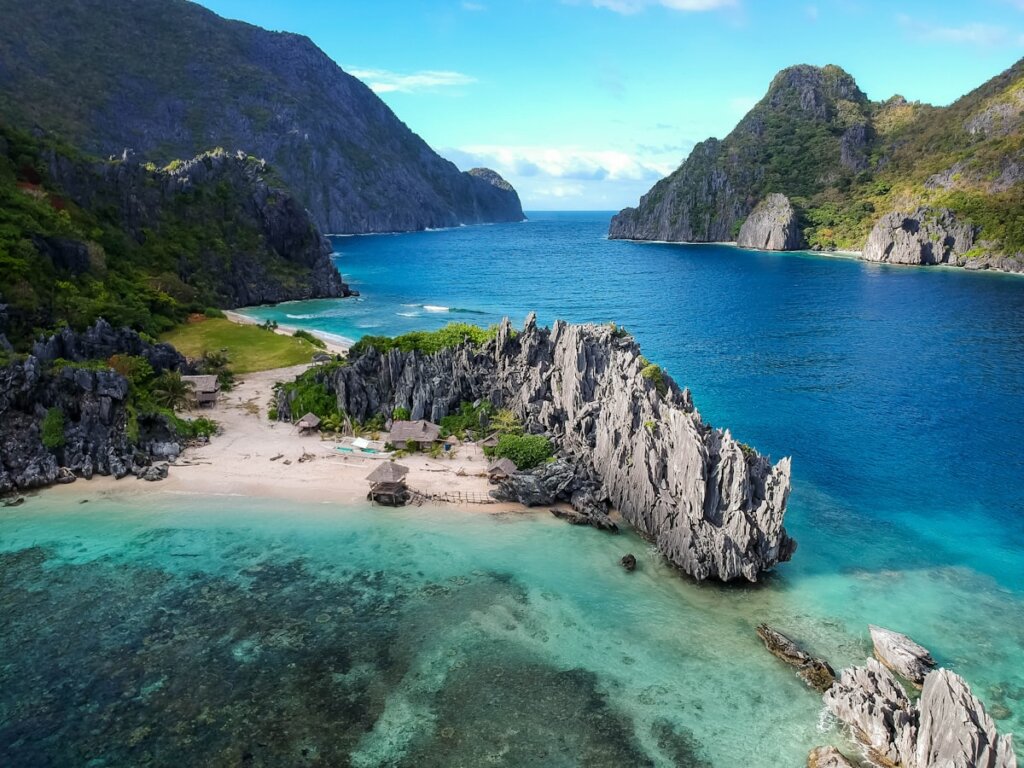


El Nido, Palawan is a photographer’s paradise. From the iconic limestone karsts rising from turquoise waters to hidden lagoons, dramatic sunsets, and vibrant underwater scenes, every corner of El Nido offers Instagram-worthy shots. Whether you’re shooting with a professional DSLR, a smartphone, or an action camera, this guide will help you capture El Nido’s beauty at its best. We cover the best photography spots in El Nido, optimal shooting times, camera gear recommendations, drone regulations, and pro tips for 2026.
| Photo Spot | Best Time | Shot Type | Difficulty | Access |
|---|---|---|---|---|
| Big Lagoon | 8–10am | Kayak reflections, karst formations | Easy | Tour A |
| Nacpan Beach | Sunrise (5:30–7am) | Long beach, golden hour | Easy | Motorbike/trike |
| Las Cabanas Beach | Sunset (5–6:30pm) | Sunset silhouettes, karst backdrop | Easy | Trike (10 min) |
| Secret Beach | 10am–2pm | Hidden lagoon, dramatic cliffs | Intermediate | Tour C + swim |
| Taraw Cliff Viewpoint | Sunrise/sunset | Panoramic town & bay view | Advanced | Guided hike |
| Matinloc Shrine | 10am–3pm | Ruins, ocean views | Easy | Tour C |
Table of Contents
Best Photography Spots in El Nido
1. Big Lagoon — Iconic Kayak Reflections
Big Lagoon is El Nido’s most photographed location, and for good reason. The mirror-like turquoise water reflects towering limestone cliffs, creating surreal compositions. The best shots are taken from a kayak in the center of the lagoon during calm morning conditions.
Best time: 8–10am (calm water, soft light, fewer tourists)
Access: Tour A
Pro tip: Use a wide-angle lens (16–35mm) to capture the full scale of the karsts. Shoot low from the kayak for dramatic reflections.
Gear: Waterproof camera bag, polarizing filter to reduce glare
2. Nacpan Beach — Golden Hour Paradise
Nacpan’s 4km stretch of golden sand is perfect for sunrise and golden hour photography. The long, empty beach creates leading lines, and the soft morning light illuminates the sand beautifully.
Best time: Sunrise (5:30–7am) or late afternoon (4–6pm)
Access: Motorbike or trike (45 min from town)
Pro tip: Shoot from the southern end looking north for the best composition. Include palm trees in the foreground for depth.
Gear: Wide-angle lens, tripod for long exposures
3. Las Cabanas Beach — Sunset Silhouettes
Las Cabanas offers El Nido’s most spectacular sunset views, with the sun setting behind the Bacuit Archipelago’s limestone islands. The silhouetted karsts against orange and pink skies create dramatic compositions.
Best time: 5–6:30pm (sunset)
Access: Trike (10 min from town)
Pro tip: Arrive by 4:30pm to secure a good spot. Use a telephoto lens (70–200mm) to compress the karsts and sun. Shoot in RAW for better post-processing.
Gear: Tripod, graduated ND filter for balanced exposure
4. Secret Beach — Hidden Lagoon Drama
Secret Beach’s enclosed lagoon surrounded by towering cliffs creates a unique, otherworldly setting. The challenge is protecting your camera during the swim-through entrance, but the payoff is worth it.
Best time: 10am–2pm (overhead sun illuminates the lagoon)
Access: Tour C + swim through entrance
Pro tip: Use a waterproof action camera (GoPro) or waterproof housing for your camera. Shoot from the water looking up at the cliffs.
Gear: Waterproof camera or housing, wide-angle lens
5. Taraw Cliff Viewpoint — Panoramic Town & Bay
For the ultimate El Nido panorama, hike Taraw Cliff (300m elevation). The 360-degree view includes El Nido town, Bacuit Bay, and the entire archipelago. The hike is steep and requires a guide, but the sunrise/sunset views are unmatched.
Best time: Sunrise (5:30–7am) or sunset (5–6:30pm)
Access: Guided hike (₱1,500–₱2,000, 2–3 hours round trip)
Pro tip: Bring a headlamp for sunrise hikes. Use a wide-angle lens to capture the full panorama. Consider a panoramic stitch for ultra-wide shots.
Gear: Wide-angle lens, tripod, headlamp
6. Matinloc Shrine — Ruins & Ocean Views
The abandoned Matinloc Shrine on Matinloc Island offers dramatic architectural photography with ocean views. The white stone ruins contrast beautifully with the blue sea and green jungle.
Best time: 10am–3pm (bright light for contrast)
Access: Tour C
Pro tip: Shoot from inside the shrine looking out toward the ocean. Use leading lines from the architecture. Include people for scale.
Gear: Wide-angle lens, polarizing filter
Underwater Photography in El Nido
Best Underwater Spots
- Big Lagoon: Shallow snorkeling with karst reflections above water
- Shimizu Island: Coral gardens, colorful reef fish
- South Miniloc (diving): Sea turtles, reef sharks, coral walls
- Hidden Beach: Dramatic underwater rock formations
Underwater Photography Tips
- Gear: GoPro with red filter, or underwater housing for mirrorless/DSLR
- Lighting: Shoot in shallow water (5–10m) for natural light, or bring a dive light/strobe for deeper shots
- Settings: Use fast shutter speed (1/250+) to freeze motion, shoot in RAW for color correction
- Composition: Get close to subjects (1–2m) for clarity, shoot upward toward the surface for dramatic light rays
Drone Photography in El Nido
Drone Regulations (2026)
Drone flying is allowed in El Nido with restrictions:
- Registration required: Register your drone with CAAP (Civil Aviation Authority of the Philippines) online before arrival
- No-fly zones: El Nido Airport, military installations, private resort islands (El Nido Resorts)
- Height limit: 120m (400ft) maximum altitude
- Respect privacy: Do not fly over private property or people without permission
- Tour operators: Some island-hopping tours prohibit drones — confirm before booking
Best Drone Shots in El Nido
- Big Lagoon from above: Reveals the full scale of the lagoon and surrounding karsts
- Nacpan Beach aerial: The twin beach formation is best appreciated from above
- Bacuit Bay overview: Capture the entire archipelago from Taraw Cliff area
- Island-hopping boats: Aerial shots of traditional bangka boats against turquoise water
Recommended drones: DJI Mini 4 Pro (lightweight, portable), DJI Air 3 (better image quality)
Camera Gear Recommendations for El Nido
Essential Gear
| Gear | Why You Need It | Budget Option | Pro Option |
|---|---|---|---|
| Wide-angle lens | Capture lagoons, beaches, landscapes | 16–35mm f/4 | 14–24mm f/2.8 |
| Waterproof camera | Snorkeling, kayaking, rain protection | GoPro Hero 12 | Olympus TG-7 |
| Polarizing filter | Reduce water glare, enhance colors | Hoya CPL | B+W Kaesemann CPL |
| Dry bag | Protect gear on boat tours | 20L dry bag | Pelican waterproof case |
| Tripod | Sunrise/sunset long exposures | Lightweight travel tripod | Carbon fiber tripod |
Smartphone Photography Tips
You don’t need expensive gear to capture great El Nido photos. Modern smartphones (iPhone 15 Pro, Samsung S24 Ultra, Google Pixel 8 Pro) are excellent for travel photography.
- Use portrait mode: For depth-of-field effects on beaches and lagoons
- HDR mode: Essential for high-contrast scenes (bright sky + dark water)
- Waterproof case: Invest in a waterproof case for snorkeling shots
- Editing apps: Lightroom Mobile, Snapseed for post-processing
- Clean your lens: Salt spray and humidity fog lenses — wipe frequently
Photography Timing Guide
| Time of Day | Best For | Recommended Locations |
|---|---|---|
| Sunrise (5:30–7am) | Golden light, empty beaches, calm water | Nacpan Beach, Taraw Cliff, Corong-Corong |
| Morning (8–10am) | Lagoon reflections, soft light | Big Lagoon, Small Lagoon, Secret Lagoon |
| Midday (11am–2pm) | Underwater, overhead light in lagoons | Secret Beach, snorkeling spots, Matinloc Shrine |
| Afternoon (3–5pm) | Golden hour prep, beach scenes | Nacpan Beach, Seven Commandos Beach |
| Sunset (5–6:30pm) | Silhouettes, dramatic skies | Las Cabanas, Corong-Corong, Taraw Cliff |
| Blue hour (6:30–7:30pm) | Long exposures, town lights | El Nido town pier, beachfront |
Photography Tour Options
Private Photography Tour
For serious photographers, consider booking a private boat tour with flexible timing and extended stops at key locations.
Cost: ₱10,000–₱15,000 for full-day private tour
Inclusions: Flexible schedule, extended stops, sunrise/sunset timing
Best for: Landscape photographers, content creators
Book through: Hotel concierge or tour operators in town
Sunrise/Sunset Photography Tours
Some operators offer specialized sunrise or sunset tours timed specifically for photography.
Cost: ₱3,000–₱5,000 per person
Duration: 3–4 hours
Highlights: Big Lagoon sunrise, Las Cabanas sunset
Post-Processing Tips for El Nido Photos
- White balance: El Nido’s tropical light can be very blue — warm up your photos slightly (+200–400K)
- Saturation: Boost vibrance (not saturation) by 10–20 to enhance turquoise water without oversaturating
- Shadows/highlights: Lift shadows and reduce highlights to balance bright skies and dark karsts
- Clarity: Add subtle clarity (+10 to +20) to enhance limestone texture
- Graduated filter: Use graduated filters in Lightroom to balance sky and water exposure
Instagram & Social Media Tips
- Best hashtags: #ElNido #Palawan #Philippines #BigLagoon #IslandHopping #TravelPhilippines
- Geotagging: Tag specific locations (Big Lagoon, Nacpan Beach) for better discoverability
- Posting time: Post during peak engagement hours (7–9am, 12–1pm, 7–9pm Philippine time)
- Stories: Use Instagram Stories for behind-the-scenes boat tours and real-time sunset shots
Frequently Asked Questions
What is the best time of day for photography in El Nido?
Sunrise (5:30–7am) and sunset (5–6:30pm) offer the best light for landscape photography. For lagoon reflections, shoot 8–10am when water is calm. For underwater photography, shoot 10am–2pm when the sun is overhead.
Can I bring a drone to El Nido?
Yes, but you must register your drone with CAAP (Civil Aviation Authority of the Philippines) before arrival. Avoid no-fly zones (airport, military areas, private resorts) and respect the 120m altitude limit.
Do I need a waterproof camera for El Nido?
Highly recommended. Island-hopping tours involve boat rides with salt spray, and snorkeling opportunities are frequent. A GoPro or waterproof phone case is essential for capturing underwater and boat shots.
What camera settings should I use for El Nido photography?
For landscapes: f/8–f/11, ISO 100–400, shutter speed 1/125–1/500. For sunsets: f/8–f/16, ISO 100, use a tripod for longer exposures. For underwater: f/5.6–f/8, ISO 400–800, shutter speed 1/250+. Always shoot in RAW for maximum editing flexibility.
Are there photography tours in El Nido?
Yes — private photography tours cost ₱10,000–₱15,000 for a full day with flexible timing and extended stops. Sunrise/sunset tours cost ₱3,000–₱5,000 per person. Book through your hotel or tour operators in town.
| Platform | Best For | El Nido Deals |
|---|---|---|
| Booking.com | Hotels, resorts, free cancellation | View deals → |
| Agoda | Best Asia prices, loyalty rewards | View deals → |
| Klook | Tours & activities | Browse tours → |