
El Nido in September 2026: Weather, Tours, Tips & What to Expect
September sits deep in El Nido’s wet season — the Habagat (southwest monsoon) is typically at its peak, bringing regular rainfall, stronger winds, and choppier seas to the Bacuit Archipelago. It’s the least popular month to visit. And yet, for a particular type of traveler — one who prioritises empty beaches over blue skies, lower prices over peak-season convenience, and dramatic storm-light over postcard-perfect days — September in El Nido can be a genuinely rewarding experience. This guide gives you the honest picture.
September Weather in El Nido
| Factor | September Conditions |
|---|---|
| Season | Wet season (Habagat / SW monsoon), peak |
| Average temperature | 26–30°C (79–86°F) |
| Rainfall | High — 250–400mm average; daily showers likely |
| Rain pattern | Typically afternoon/evening downpours; mornings often clearer |
| Humidity | Very high — 85–90% |
| Sea conditions | Moderate to rough — 1–2.5m swells on exposed routes |
| Wind | SW winds 15–25 knots; stronger during typhoon-adjacent weather |
| Underwater visibility | Reduced — 10–18m (vs. 25–30m in dry season) |
| Typhoon risk | Moderate — Palawan is less typhoon-prone than eastern Philippines, but risk exists |
The honest truth: September is statistically El Nido’s rainiest month. Tour cancellations — especially on rough sea days — are common. If your schedule has no flexibility (one fixed week with a fixed return flight), September is a risky choice. If you can stay longer, adapt, and embrace the unexpected, the rewards are real.
What September Actually Looks Like Day-to-Day
Wet season in El Nido rarely means rain all day, every day. The typical September pattern:
- Morning (6–11 AM): Often clear or partly cloudy — the best window for outdoor activity and island hopping
- Midday (11 AM–2 PM): Building clouds, rising humidity, occasional light showers
- Afternoon (2–6 PM): Highest rain probability; heavier downpours possible, sometimes with thunder
- Evening (6 PM+): Showers often pass; evenings can be fresh and pleasant
Early-morning tour departures (7–8 AM) catch the best weather window. Most island hopping operators time their tours accordingly in wet season.
Island Hopping Tours in September
Island hopping does operate in September — but with important caveats:
Tours That Usually Still Run
- Tour A (Big Lagoon, Small Lagoon, Secret Lagoon, Shimizu): These stops are in partially sheltered water. Tour A is the most likely to run even in moderate wet-season conditions, as the lagoon areas are protected from the full force of SW swells.
- Tour D (Cadlao Lagoon, Bukal Beach): Cadlao Lagoon is sheltered — often accessible even when outer routes are not.
Tours That Frequently Cancel or Modify
- Tour C (Helicopter Island, Hidden Beach, Matinloc Shrine): The southern route exposed to the open South China Sea. Frequently cancelled or curtailed in rough September conditions.
- Tour B (Snake Island, Cathedral Cave): The northern route — condition-dependent; Cathedral Cave passage can be too rough when swells are strong.
What Happens on a Cancelled Day
Reputable operators will advise against departure if seas are dangerous — don’t pressure captains to go out in unsafe conditions. Most operators will reschedule you at no extra charge, or offer a partial refund. If you booked through an agency, confirm their cancellation/rescheduling policy in writing when you book.
Advantages of Visiting El Nido in September
1. Dramatically Lower Prices
September is El Nido’s deepest low season. Expect discounts of 30–50% on accommodation compared to December–March peak rates. Guesthouses that charge ₱3,000 in high season may be ₱1,500–₱2,000 in September. Even midrange hotels offer significant promotions.
2. Empty Beaches and Lagoons
Popular sites like Big Lagoon and Las Cabanas Beach — which can feel uncomfortably crowded in January and February — are near-deserted in September. If you do get a good weather window and make it to the lagoons, you may have them entirely to yourself. This is an extraordinary experience that peak-season visitors simply cannot access.
3. Fewer Tourists Overall
El Nido town itself is quiet. Restaurants are unhurried, the best guesthouses have availability, and the atmosphere is more local and authentic. You’ll interact more with Filipino residents and less with other tourists.
4. Lush, Vivid Green Landscape
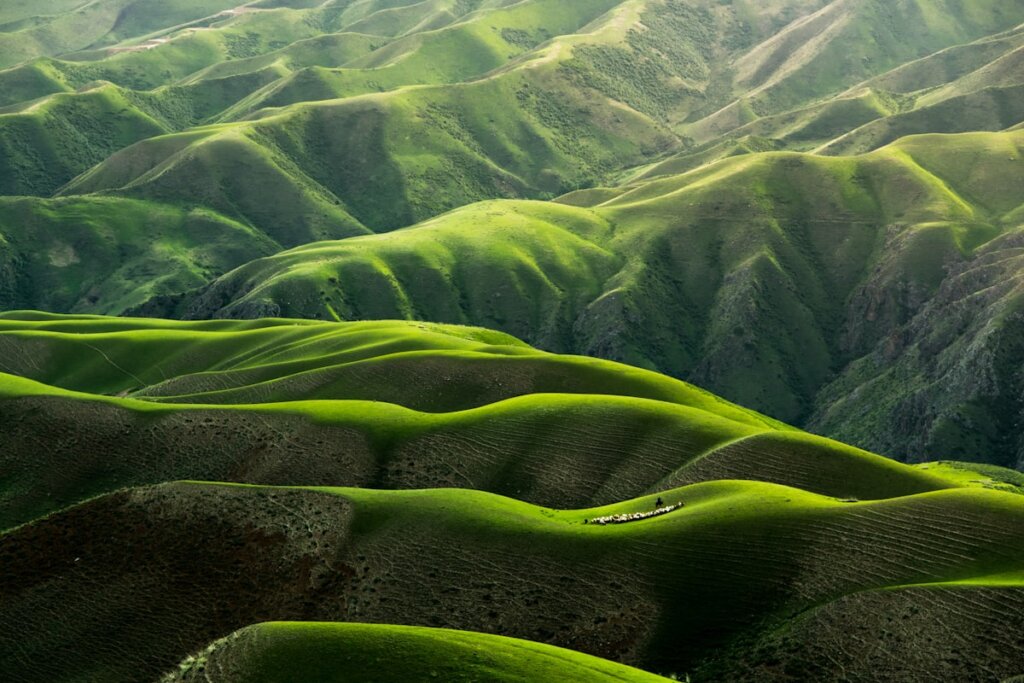
The wet season transforms El Nido’s inland landscape — the forested hills behind town and the jungle interiors of islands are intensely green, dramatic against the limestone karst. Waterfalls that barely trickle in dry season run full and spectacular. If landscape photography is your goal, this is actually a compelling time to visit.
5. Surfing at Duli Beach
Duli Beach — about 45 minutes north of El Nido — receives its best surf swells from the southwest monsoon. September is peak surfing season at Duli, with consistent 1–2.5m waves. If surfing is part of your itinerary, September is arguably the best month, not the worst.
→ See our El Nido Surfing Guide
What to Do on Rainy Days in El Nido
A September itinerary needs wet-weather backup plans. Fortunately, there are good options:
- Taraw Cliff climb: Mornings are often clear enough for the climb — start at first light for the best chance. The wet-season clouds around the karst peaks are actually dramatically beautiful.
- Cooking classes: Several El Nido restaurants offer Filipino cooking classes — sinigang, kare-kare, fresh seafood preparation. A perfect rainy afternoon activity.
- Kayak the mangroves: The mangrove paddling routes near El Nido are sheltered and entirely doable in light rain — actually atmospheric in wet weather.
- Visit the El Nido Public Market: The morning market (6–9 AM) is worth a visit regardless of weather — fresh catch, tropical produce, local snacks.
- Hammock time: Accept the rain. Bring a book. A hammock and a cold San Miguel at a beach bar during a warm tropical downpour is its own kind of paradise.
- Day trip to Las Cabanas by tricycle: Even on overcast days, Las Cabanas Beach retains its beauty and the beach bars are open.
→ See our full El Nido Rainy Season Activities Guide
September Packing List
- Lightweight rain jacket — not an umbrella (useless in island wind); a packable waterproof shell is essential
- Dry bags — for phone, camera, and valuables on any boat trip
- Quick-dry clothing — cotton stays wet for hours; synthetic or merino fabrics dry in minutes
- Water shoes — beaches and boat landings can be slippery on wet rock in wet season
- Reef-safe sunscreen — the sun still burns through overcast skies
- Insect repellent — mosquito activity increases in the wet season; DEET or picaridin recommended
- Anti-fungal powder or spray — high humidity makes fungal skin issues more common in prolonged wet weather
- Flexible travel insurance — cover for weather-related cancellations is valuable in September
Should You Visit El Nido in September?
Visit in September if:
- You have flexible dates and can stay 7–10 days to catch good weather windows
- Budget is a priority — the savings are substantial
- You’re a surfer targeting Duli Beach
- You actively enjoy the wet tropics aesthetic: lush green, rain drama, empty spaces
- You’ve been to El Nido before and want a completely different experience
Avoid September if:
- You have a fixed one-week window with no flexibility
- Island hopping (especially Tours B and C) is the primary reason for your trip
- You’re travelling with young children or people with significant mobility or health considerations
- Perfect underwater photography conditions are a priority
Best alternative: If you can shift at all, October or November offer the tail end of the wet season transitioning into dry — conditions improve noticeably, prices remain lower than peak, and the landscape retains its wet-season lushness. November in particular is often considered the “sweet spot” — the crowds haven’t arrived yet but the weather is reliably good.
→ See our El Nido in November Guide
September at a Glance
| Factor | Rating | Notes |
|---|---|---|
| Weather reliability | ⭐⭐ (2/5) | Rainiest month; plan around morning weather windows |
| Island hopping | ⭐⭐ (2/5) | Tour A/D still viable; B/C frequently cancelled |
| Prices | ⭐⭐⭐⭐⭐ (5/5) | Lowest of the year; 30–50% off peak rates |
| Crowds | ⭐⭐⭐⭐⭐ (5/5) | Near-empty; best solitude of any month |
| Surfing (Duli) | ⭐⭐⭐⭐⭐ (5/5) | Peak surf month |
| Diving/snorkeling | ⭐⭐ (2/5) | Reduced visibility; some sites inaccessible |
| Photography (landscape) | ⭐⭐⭐⭐ (4/5) | Dramatic skies, lush green, empty locations |
| Overall recommendation | ⭐⭐⭐ (3/5) | Best for flexible, adventurous, budget-focused travelers |