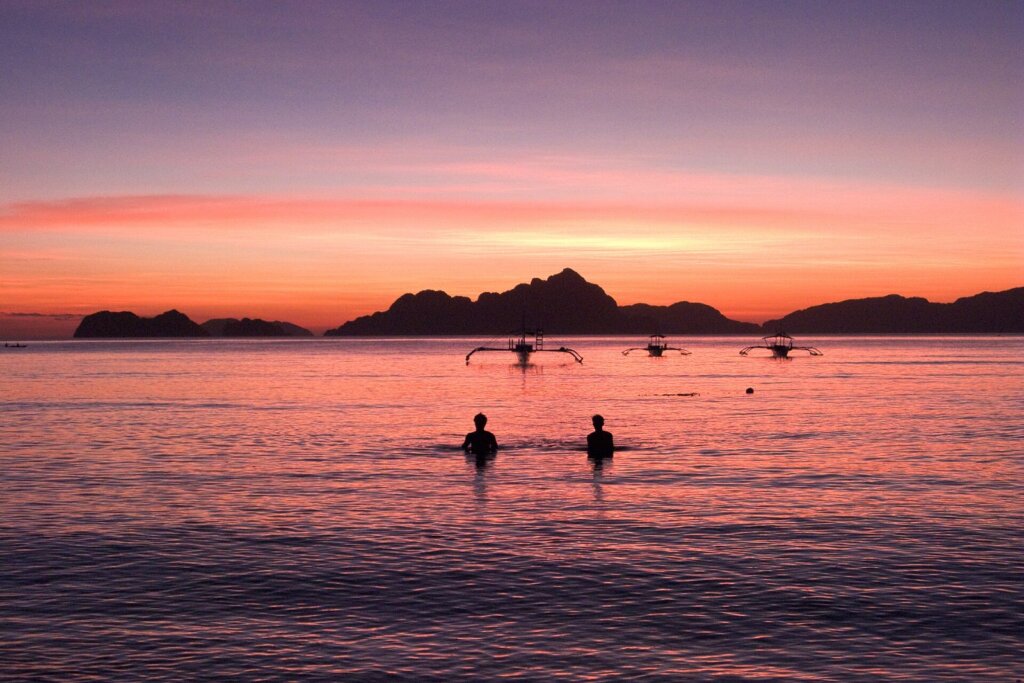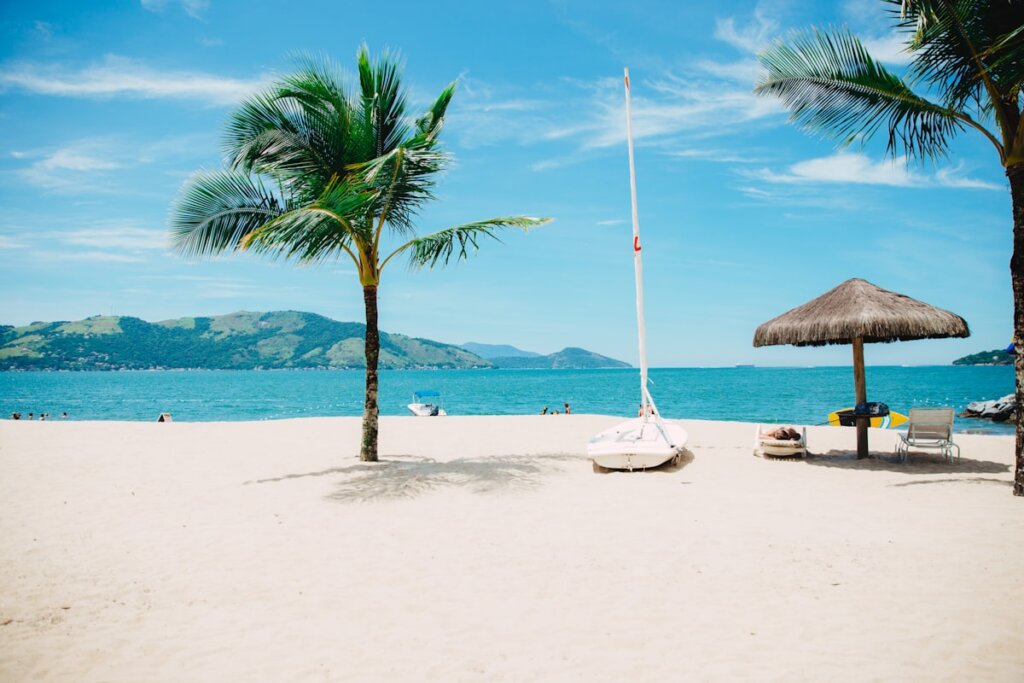

El Nido is not primarily a surf destination — the sheltered Bacuit Bay is too calm for consistent surf, and the town’s famous island-hopping tours depend on that calm water. But Palawan’s west coast, facing the open South China Sea, does receive seasonal swell — and El Nido has legitimate surf spots within reach, most notably the excellent beach break at Duli, that attract a growing number of surfers between June and November. This guide covers the complete El Nido surfing scene for 2026.
El Nido Surf Season
El Nido’s surf season is the inverse of its tourism season — the southwest monsoon (habagat), which makes island-hopping rough and keeps most tourists away (June–October), is what delivers consistent surf to Palawan’s west-facing beaches. The northeast monsoon (amihan, November–May) that brings El Nido’s beautiful tourism weather also brings offshore or cross-shore winds that flatten the surf.
| Month | Surf Quality | Wind Direction | Wave Size | Tourism Crowds |
|---|---|---|---|---|
| Jan–Apr | Flat (offshore/no swell) | NE (offshore to west-facing beaches) | 0–1ft | Peak — excellent for island hopping |
| May | Building | Transitional | 1–3ft inconsistent | Low |
| June | Good | SW (onshore) | 2–4ft | Very low |
| July–August | Best | SW (onshore) | 3–6ft, some larger sets | Very low |
| September | Good–excellent | SW (onshore) | 3–5ft | Very low |
| October | Decreasing | Transitional | 2–4ft inconsistent | Low |
| November | Rarely surfable | NE establishing | 0–2ft | Growing (dry season arriving) |
| December | Flat | NE | 0–1ft | Peak |
Best Surf Spots Near El Nido
1. Duli Beach — El Nido’s Best Surf Break
Duli is the headline surf spot of the El Nido area — a long, wild beach approximately 28km north of El Nido town (45–60 minutes by motorbike on a rough road). Facing northwest into the South China Sea, Duli receives the most consistent southwest monsoon swell of any beach accessible from El Nido. The break is a beach break — shifting sandbars mean conditions vary, but June–September typically produce rideable 3–5ft waves with some bigger sets during strong swell windows.
- Best for: Beginners to intermediate surfers (most days); experienced surfers on bigger swell days
- Wave type: Beach break — peaks shift; both left and right-handers
- Best swell: SW swells from 180–240 degrees
- Best wind: Early morning (before SW trade winds strengthen) or NE wind days
- Best time: July–September for most consistent surf
- Board rentals: Basic boards available at the beach (₱300–₱500/hour)
- Lessons: Local instructors offer beginner lessons (₱800–₱1,500 for 1.5-hour session)
- Getting there: Rent a motorbike from El Nido (₱500–₱600/day) or hire a trike (₱800–₱1,000 return). Road is paved most of the way but rough for the last few kilometres.
2. Nacpan Beach — Occasional Surfable Conditions
Nacpan Twin Beach, famous as El Nido’s most beautiful beach, occasionally gets surfable conditions during the transition months (May, October–November) when swell wraps around from the northwest. The waves are generally smaller and less consistent than Duli (1–3ft on good days) and the beach is primarily enjoyed as a swimming beach. Worth bringing a board during transition months if you’re already planning to visit Nacpan; not worth a dedicated surf trip here.
3. Other Palawan Surf Spots (Further Afield)
For more consistent and better-quality surf within Palawan, two destinations warrant mention:
- San Vicente (Port Barton area): The open beaches around San Vicente receive SW swell more consistently than Duli during June–September. San Vicente is about 2.5–3 hours south of El Nido. The waves are beach break quality similar to Duli but with more beach length and better wind conditions on some days.
- Siargao (separate island): For serious surfers, Siargao in northeastern Mindanao is the Philippines’ surf capital — home to Cloud 9, one of Southeast Asia’s best reef breaks. A 2-hour flight from Manila or Cebu. For dedicated surf travel, Siargao is the destination; El Nido is for those who want to combine surfing with island-hopping and beach tourism.
Surfing at El Nido: Honest Assessment
For surf-first travellers, El Nido is not the Philippines’ optimal surf destination. Siargao offers superior wave quality, more consistent surf, and a fully developed surf culture. Cloud 9 and the surrounding breaks of Siargao are world-class; Duli is good but regional.
Where El Nido surfing makes sense:
- Travellers visiting El Nido primarily for island-hopping and beaches who want to add a surf day during June–October
- Surfers combining El Nido and Siargao in one Philippines trip
- Beginners wanting a low-pressure first surf experience at a beautiful, uncrowded beach
- Travellers visiting during monsoon season (June–October) when island-hopping is limited — Duli provides an excellent alternative activity
What to Bring for Surfing in El Nido
- Surfboard: Basic shortboards and longboards are rentable at Duli (₱300–₱500/hour). Bring your own for better quality; a board bag fits in van transfers.
- Leash: Essential; rental boards often have worn leashes — check before entering the water.
- Rash guard / wetsuit top: A short-arm rash guard for sun protection is sufficient — water temperature is 27–29°C year-round.
- Reef-safe sunscreen: Even at surf beaches, reef-safe sunscreen is the responsible choice for Palawan’s waters.
- Cash: Duli has very limited facilities — no ATM, one or two basic food stalls. Bring sufficient pesos for the day (₱1,000–₱2,000 covers food, drinks, and board rental).
- Water: Bring 2L+ from El Nido; Duli’s food stalls sell bottled water but supply can run out.
Combining Surfing & Island Hopping in El Nido
The good news for mixed-interest travellers: surfing and island-hopping seasons barely overlap. If you visit El Nido during the dry season (November–April) for island hopping, the surf is flat — Duli is a beautiful beach day but not a surf trip. If you visit during the surf season (June–October), island hopping is hit-or-miss but Duli is excellent. Late October and early November sit in the transitional window where you might catch both — occasional surf at Duli alongside increasingly reliable island-hopping conditions as the northeast monsoon establishes. It’s a speculative window but potentially rewarding.
For El Nido vs Siargao comparison, see our El Nido vs Siargao guide. For the best months to visit El Nido overall, see our best time to visit guide.
External resources: Surf-forecast.com — Duli Beach swell forecasts | Magic Seaweed — Philippines surf forecasts