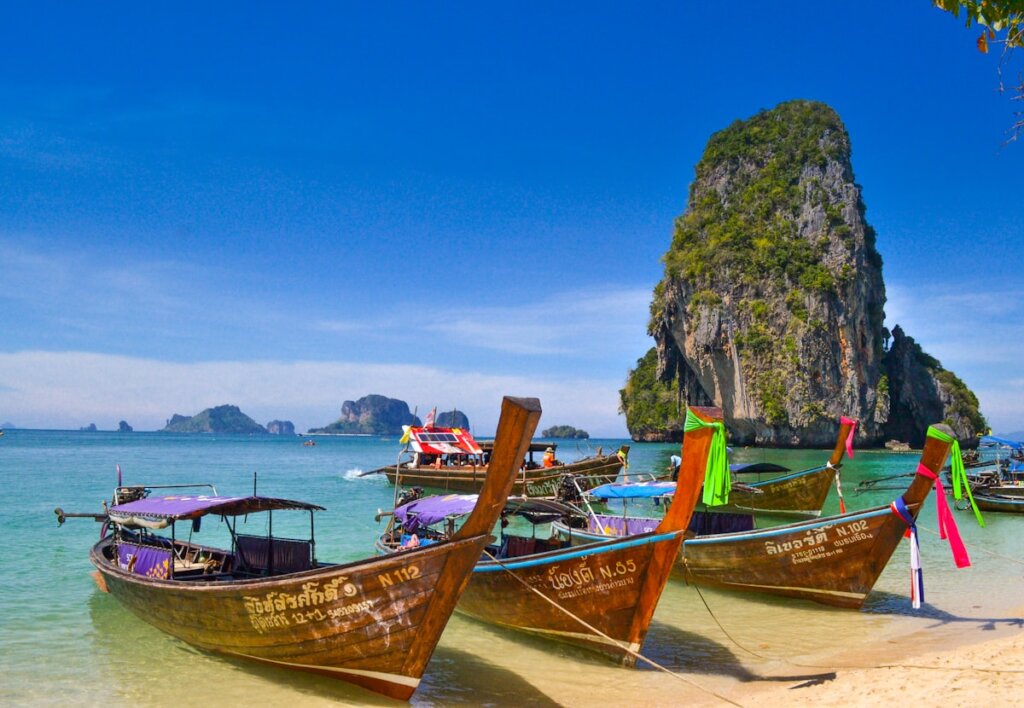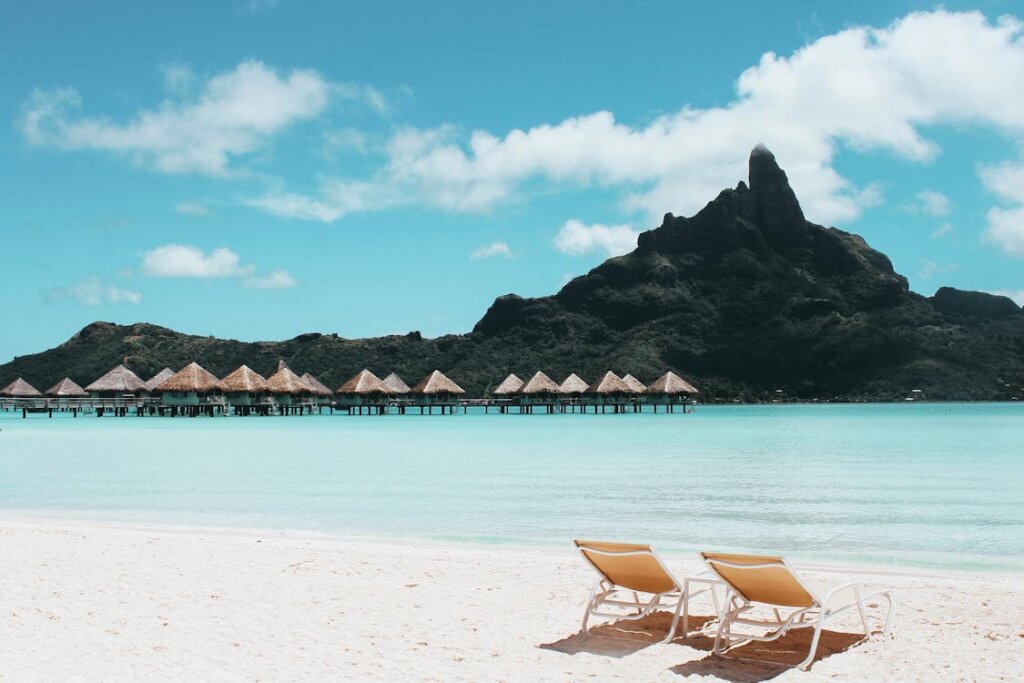

Nacpan Beach is the four-kilometre stretch of golden sand that most first-time visitors to El Nido hear about and then almost skip. Sitting about 45 minutes north of El Nido town on Palawan’s Bacuit coast, it trades dramatic karst cliffs for open sky, long shorelines and gentle surf. This guide covers exactly how to get there, what the sand and water are really like, the best months to visit, and where to eat and stay so you can plan a smooth day trip or a relaxed overnight escape without any surprises.
How to Get to Nacpan Beach from El Nido
Nacpan is roughly 20 km north of El Nido town proper. The road is now mostly paved, so the trip that once took well over an hour is closer to 40–50 minutes depending on your transport and how many stops you make along the way.
By tricycle
The classic option. A return tricycle from El Nido town costs around PHP 800–1,200 for the vehicle (not per person) and includes a few hours of waiting time while you enjoy the beach. Agree on the price and pickup time before you leave, and take your driver’s number. Tricycles seat two to three passengers comfortably, so they work out cheap for small groups.
By van or shared shuttle
Several tour desks in town run shared Nacpan shuttles for about PHP 400–600 per person round trip. This is the cheapest per-head option for solo travellers and couples, though departure and return times are fixed, so you trade a little flexibility for the lower fare. Book the day before in high season.
By scooter
Renting a scooter (PHP 500–700 per day) gives you full freedom and the best value for confident riders. The final stretch toward the beach has a few sandy and gravelly patches, so ride slowly and wear closed shoes. Fuel up in town before heading out, as there are no reliable stations near the beach. Keep your licence and helmet on you.
What the Sand and Water Are Like
Nacpan’s sand is soft, pale gold and wide enough that even on busy afternoons you can walk a few minutes to a quiet stretch. Unlike the calm, sheltered coves inside Bacuit Bay, Nacpan faces the open sea, so it usually has small to moderate waves — fun for splashing but occasionally strong for very young children. The water shelves gently and is clean and clear, especially in the morning before the afternoon wind picks up and stirs the surface.
The northern end, near the “Twin Beach” (Calitang) headland, is the postcard spot where two curving bays meet at a narrow sandbar. Climb the small headland for the classic aerial-style view over both beaches. Bring water shoes if you plan to explore the rockier edges, and reef-safe sunscreen since shade is limited once you leave the tree line.
Best Months to Visit Nacpan
El Nido has two broad seasons: the dry season (roughly late November to May) and the wet season (June to October). Nacpan is exposed to the open ocean, so surf and clarity vary more here than in the sheltered lagoons on the island-hopping routes.
| Period | Weather | Sea & Waves | Crowds | Verdict |
|---|---|---|---|---|
| Dec–Feb | Dry, breezy, cooler | Some wind chop | Peak | Best overall, book ahead |
| Mar–May | Hot, very dry | Calm mornings | High | Best water clarity |
| Jun–Aug | Warm, passing showers | Larger swell | Low | Green, cheap, fewer people |
| Sep–Oct | Wettest, humid | Rough at times | Lowest | Risk of closed days |
For the calmest water and clearest sky, aim for March to early May. For a quieter beach and lower prices, the shoulder months of June and November are a sweet spot. If your trip also depends on island hopping, read our note on the El Nido rainy season before locking in dates, because a rough sea day can cancel boats even when the beach itself is fine.
Sunsets and What to Do at Nacpan
Because Nacpan faces roughly west, it is one of the best sunset beaches in the whole El Nido area. Plan to stay until golden hour: order a coconut, walk the shoreline, and watch the sky turn over the sea. Beyond swimming and sunbathing, you can walk the full length of the beach, hike the Twin Beach headland, watch local fishermen bring in their boats, or simply nap under a palm. The vibe is slow and rural — there are no jet skis or loud beach clubs here.
What to Bring to Nacpan Beach
Facilities are basic, so pack for a self-sufficient day: cash (there are no ATMs), plenty of water, reef-safe sunscreen, a hat, a light cover-up, and a dry bag for valuables. A beach towel or sarong is useful because loungers are limited. If you are riding a scooter, bring a small first-aid kit and your phone charged with an offline map, since signal can be patchy on the road out.
Where to Eat and Stay Near Nacpan
A handful of beach cafes and simple restaurants line the shore, serving grilled fish, rice bowls, fresh coconuts and cold drinks. Prices are a little higher than in town because everything is trucked in, so bring cash. For a bigger meal before or after your trip, El Nido town has far more choice — see our roundup of the best cafes and brunch spots in El Nido town.
If you want to wake up on the sand, a small cluster of eco-lodges and glamping tents sits behind the beach; they book out fast in dry season. For more comfort and easier access to boats, most travellers base themselves in town or along the bay — compare options in our guides to the best beachfront resorts on Bacuit Bay and where to stay in El Nido.
Nacpan Beach vs the Town Beaches
Nacpan is about space, sunsets and open ocean; the town and bay beaches are about convenience and calm swimming close to restaurants and boats. Many visitors do both: island hopping and lagoon tours from town on one day, and a slower Nacpan day trip on another. If lagoons are your priority, our Big Lagoon vs Small Lagoon guide explains how to fit them into the same trip without rushing.
Frequently Asked Questions
Is Nacpan Beach worth visiting?
Yes, especially if you want a long, uncrowded stretch of sand and a spectacular sunset. It is very different from the cliff-lined lagoons and adds welcome variety to an El Nido trip.
How much does a trip to Nacpan Beach cost?
Budget PHP 400–600 per person for a shared shuttle, or PHP 800–1,200 for a private return tricycle. Add PHP 300–600 for food and drinks on the beach.
Can you swim at Nacpan Beach?
Yes. The water is clean and shelves gently, but the beach faces open sea, so waves can be moderate. Swim in the morning for the calmest conditions and supervise children closely.
How long should I spend at Nacpan?
Half a day is enough to relax, swim and eat, but many visitors stay from late morning through sunset, which is the best part of the day here.
Safety and Local Tips for Nacpan
Nacpan is very safe, but a few habits make the day smoother. Watch for a gentle undertow on bigger-swell days and keep children in the shallows. There are no lifeguards, so swim within your ability. Respect the local community that lives just behind the beach: take your rubbish back to town, keep noise down, and buy a drink or meal from the small family-run stalls to support them. Finally, leave before dark if you are on a scooter, as the road back has no street lighting.