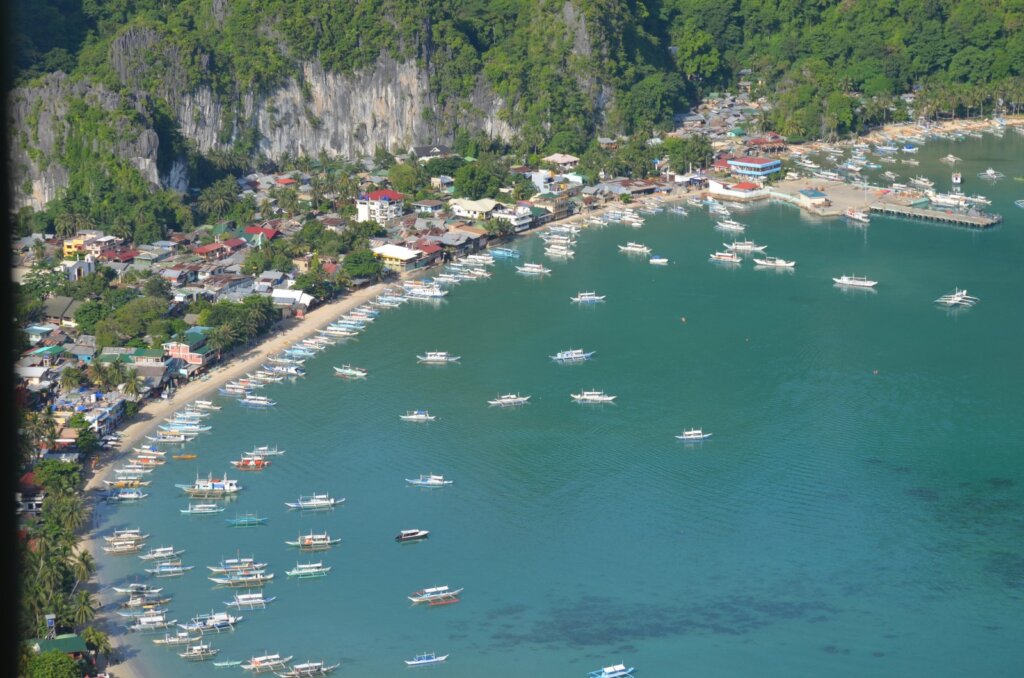
Most El Nido accommodation advice assumes you are staying three or four nights. Things change when you plan to stay for a month or longer: nightly rates become the wrong way to think, and utilities, laundry, Wi-Fi reliability and transport start to matter more than the pool. This guide focuses on long stays of four weeks or more, for remote workers, slow travelers and retirees testing island life, and compares monthly rentals, negotiated hotel stays and platform bookings side by side.
The Three Main Long-Stay Options
Long-stay accommodation in El Nido falls into three broad groups, and each one has a very different cost and risk profile.
1. Direct monthly rentals
Local landlords rent rooms, studios, apartments and small houses by the month, usually found through word of mouth, Facebook groups, signs on gates and local agents. These are generally the cheapest option per night. The trade-off is less protection: contracts are informal, standards vary a lot and you pay in cash.
2. Negotiated hotel or guesthouse stays
Many small hotels and guesthouses will offer a weekly or monthly rate if you ask, especially outside peak season. You keep daily or regular housekeeping, a front desk, a generator in some cases and reliable check-in, at a price between a direct rental and a standard nightly rate.
3. Platform bookings (Airbnb, Booking and similar)
Platforms show monthly discounts upfront and protect your payment, which is valuable when you cannot inspect a place before arriving. They are rarely the cheapest option in El Nido, but they are the lowest-risk way to secure the first two to four weeks while you look around. Our El Nido villa rental guide covers larger properties if you are traveling as a group.
Monthly Rental vs Hotel vs Platform: Comparison
Price ranges below are rough, based on typical off-peak to peak listings, and change quickly with demand.
| Factor | Direct monthly rental | Negotiated hotel stay | Platform booking |
|---|---|---|---|
| Approx. monthly cost (studio/room) | PHP 12,000–35,000 | PHP 30,000–70,000 | PHP 35,000–90,000 |
| Electricity | Usually extra, sub-metered | Usually included | Usually included |
| Deposit | Often 1 month | Rarely | None; platform holds payment |
| Cleaning & linen | Self or paid extra | Included | Varies; often weekly |
| Wi-Fi reliability | Varies widely | Moderate to good | Listed, not guaranteed |
| Backup power | Rare | Common at mid-range+ | Varies |
| Flexibility to leave early | Low; deposit at risk | Medium | Depends on cancellation policy |
| Best for | 3+ months, budget-focused | 1–2 months, comfort-focused | First month, arriving blind |
Where to Base Yourself for a Long Stay
Location affects your monthly budget as much as rent does, because it decides how much you spend on tricycles and scooters.
- El Nido town proper: walkable to restaurants, markets, tour desks and the pier. Noisier, with limited space. Good if you will not rent a scooter.
- Corong-Corong: a short tricycle ride south of town, facing the sunset over Bacuit Bay. Quieter evenings and a strong café scene; popular with remote workers.
- Caalan and Buena Suerte: hillside and edge-of-town areas with more rental houses and views, but steeper roads.
- Lio and the airport side: planned, tidy development with beach access, but pricier and further from town.
- Nacpan, Bucana and the north: space, surf and nature, but you need your own transport. See our motorbike rental guide for monthly scooter rates.
Hidden Costs That Change the Math
The rent is rarely the whole story. Before comparing a PHP 20,000 rental with a PHP 45,000 hotel rate, add these line items:
Electricity and air-conditioning
Electricity is among the pricier costs of living in Palawan, and landlords often add a margin on sub-meters. Running air-conditioning overnight every night can add a substantial amount per month. Ask for the per-kWh rate, check where the meter is and take a photo of the reading on move-in day.
Water, gas and drinking water
Tap water is for washing, not drinking. Budget for refillable 5-gallon containers from water stations, delivered to your door, and for LPG if the kitchen uses a gas stove.
Internet
If you work online, shared landlord Wi-Fi is the weakest link. Many long-stayers carry two local SIMs from different networks as backup; see our El Nido SIM card guide. Some rentals now offer satellite internet, which is worth paying extra for if your income depends on it.
Laundry and cleaning
Per-kilo laundry shops are cheap and everywhere, and a weekly cleaner can be arranged through your landlord. Details and prices are in our El Nido laundry guide.
Transport
A monthly scooter rental is usually far cheaper than daily tricycle rides if you live outside town. Budget fuel separately.
A sample monthly budget for one person
To make the comparison concrete, here is a rough, mid-range off-season budget for one remote worker renting an air-conditioned studio in Corong-Corong. Figures are indicative only and will vary with your habits and the season:
- Rent: PHP 25,000–30,000
- Electricity with nightly aircon: PHP 4,000–7,000
- Drinking water delivery and gas: PHP 800–1,500
- Two mobile data plans as internet backup: PHP 1,500–2,500
- Laundry and weekly cleaning: PHP 2,000–3,500
- Monthly scooter rental plus fuel: PHP 7,000–10,000
That adds roughly PHP 15,000–25,000 on top of rent. Suddenly a PHP 45,000 all-inclusive guesthouse deal with housekeeping and a generator no longer looks expensive, especially for a stay of four to six weeks.
How to Find and Vet a Monthly Rental
The best long-term deals are rarely listed online. A practical approach looks like this:
- Book the first 1–2 weeks on a platform or at a hotel so you are not negotiating under pressure.
- Walk and ride around the neighbourhoods above, asking at sari-sari stores and cafés; locals often know who has a room.
- Join local community groups for listings, but never send a deposit for a place you have not seen in person.
- Visit twice: once in the day and once at night, to check noise from karaoke, roosters, generators and bars.
- Test the basics: water pressure, how long the aircon takes to cool the room, mobile signal inside, and whether windows have screens.
- Put it in writing: rent, deposit, what utilities cost, notice period and who pays for repairs. A simple signed page with photos of the ID of both parties is better than nothing.
Red flags to walk away from
Be wary of anyone asking for a deposit by bank transfer before a viewing, listings that use photos you can find elsewhere online, landlords who refuse to show the electricity meter, and rooms with no window screens or visible water damage on the ceiling (a sign of leaks in heavy rain). Also avoid agreeing to a full year upfront on your first visit. Even if you love the place, commit to one to three months first; you will learn a lot about noise, neighbours and power cuts in that time, and can renegotiate once you know the landlord.
Timing: When Long Stays Are Cheapest
Demand in El Nido follows the monsoon calendar. From roughly June to October, the southwest monsoon brings more rain and fewer tourists, and landlords are much more willing to offer monthly rates. From December to April, especially over Christmas, New Year and Holy Week, owners can earn more from short-term guests and may refuse monthly deals or ask much higher prices. A common strategy is to arrive in the off-season, negotiate a three- to six-month contract that locks in the lower rate, and ride through the start of high season. Check weather patterns on weather.com or PAGASA before choosing your months.
Negotiating tips that actually work
Negotiation in El Nido is polite and relationship-based, not aggressive haggling. Ask for the monthly price rather than proposing one, then mention concrete reasons for a discount: paying one month in advance, staying through the quiet months, or not needing daily cleaning. Offering to cover electricity separately in exchange for a lower base rent is often accepted. Always confirm the final figure in writing, including what happens if you must leave early.
Visas, Work and Practical Admin
Long stays bring paperwork. Many nationalities enter the Philippines visa-free for 30 days and can extend through the Bureau of Immigration, but rules differ by passport and change over time. The nearest immigration office is in Puerto Princesa, so plan extension trips or check online options. If you work remotely for foreign clients, read the current rules carefully rather than relying on hearsay; the Department of Tourism and immigration sites are the places to check for any digital nomad visa updates. Our digital nomad guide covers coworking spaces, cafés and daily routines.
Also plan health cover. El Nido has clinics for minor issues, but serious care means a transfer to Puerto Princesa or Manila, so check that your travel or expat insurance covers medical evacuation.
Frequently Asked Questions
How much does a monthly rental cost in El Nido?
Rough ranges are PHP 12,000–25,000 for a basic fan room or studio, PHP 25,000–50,000 for an air-conditioned studio or one-bedroom, and far more for villas. Prices rise sharply from December to April.
Can I negotiate a monthly rate with a hotel in El Nido?
Often, yes, especially from June to October. Ask for a weekly or monthly rate directly rather than through booking sites, and confirm what is included such as cleaning, Wi-Fi and electricity.
Is electricity included in El Nido monthly rentals?
Not always. Many landlords bill electricity separately using a sub-meter, and air-conditioning can add several thousand pesos per month. Get the per-kWh rate in writing.
Which area is best for a long stay in El Nido?
Corong-Corong suits people who want sunsets and quieter evenings close to town, the town proper suits people without transport, and Nacpan or Lio suit those who want space and nature but have a scooter.
How long can I stay in the Philippines as a tourist?
Many nationalities receive 30 days visa-free on arrival and can apply for extensions with the Bureau of Immigration. Rules vary by passport, so check the official BI website before planning a long stay.