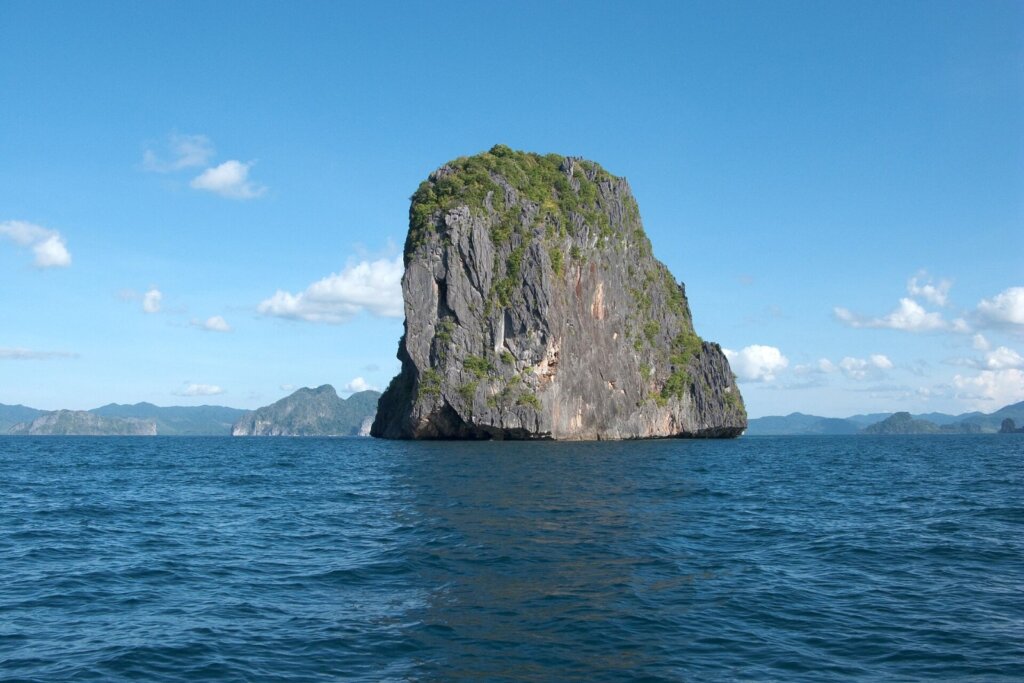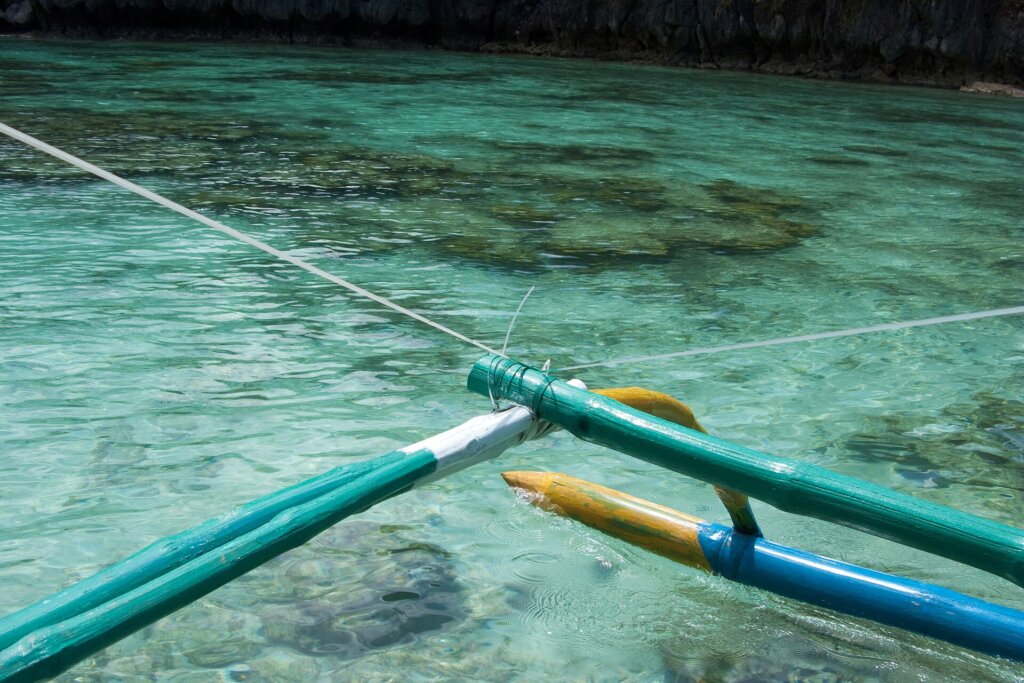

El Nido’s calm bays and short boat rides to reef sites make it one of the more forgiving places in the Philippines to learn to dive. This guide focuses on PADI Open Water certification specifically for first-time divers deciding where to train during their El Nido trip, not on advanced or technical diving, which deserves its own separate research. Below you will find what to check before booking, a side-by-side comparison of course formats, a realistic timeline, and the dive sites your certification will actually take you to.
- Why El Nido Is a Good Place to Get PADI Certified
- What to Look for in a Dive Shop Before You Book
- Comparing Course Options in El Nido
- The Certification Process: A Realistic Timeline
- Should You Try Snorkeling Before Committing to a Course?
- Dive Sites Your Certification Will Take You To
- Costs, What’s Included, and Hidden Fees
- Frequently Asked Questions
Why El Nido Is a Good Place to Get PADI Certified
Confined-water training — the pool or shallow-bay sessions where you practice mask clearing and buoyancy — works best in calm, warm, clear water, and El Nido’s protected bays deliver exactly that for most of the year. Underwater visibility does shift with the seasons, and checking a monthly weather outlook for El Nido before booking can help you avoid scheduling a course during the choppiest weeks of the rainy season. Because the town is small, dive centers are typically a five to ten minute walk from most accommodation, and open-water dive sites are often only twenty to forty minutes away by boat rather than the hour-plus transfers common in bigger dive destinations. That shorter travel time matters during a certification course, where you may do two dives a day across three or four days.
El Nido also benefits from a wide spread of dive site depths and conditions within a short boat ride, which means your open-water dives during certification can progress gradually from shallow, sandy-bottom sites to slightly deeper reef walls without long travel days in between. This progression matters for building comfort — a course that throws you into a challenging site on day one tends to produce more anxious, less confident divers than one that ramps up gradually. Because the town has a genuine cluster of competing dive shops rather than one or two operators with a monopoly, pricing also stays reasonably competitive, and it is worth requesting quotes from at least two or three shops before committing.
What to Look for in a Dive Shop Before You Book
Not every shop advertising “PADI courses” runs them the same way. Confirm three things before you pay a deposit: that your instructor holds current PADI Instructor status (not just a Divemaster leading under supervision), that the maximum student-to-instructor ratio for open water training is four to one or better, and that equipment is serviced regularly rather than visibly worn. It is reasonable to ask to see a dive center’s equipment room or ask which agency last audited their operation. A shop that hesitates to answer is worth skipping, regardless of price.
It is also worth checking recent reviews specifically for the instructor assigned to your course rather than the dive shop’s overall rating, since a shop’s reputation can rest on one or two senior instructors while newer hires vary in quality. Ask directly who will be teaching your course before you pay, and do not be shy about requesting a different instructor if a shop is willing to accommodate that. Finally, confirm your travel insurance actually covers scuba diving — many standard policies exclude it by default or cap coverage at a certain depth, and a certification course involves dives deep enough to fall outside some basic policies.
Comparing Course Options in El Nido
| Course Type | Typical Duration | Price Range (PHP) | Best For |
|---|---|---|---|
| PADI Open Water (full course) | 3-4 days | 18,000-25,000 | First-time divers with no prior certification |
| PADI Referral (theory done at home) | 2 days | 12,000-16,000 | Travelers who finished e-learning before arrival |
| Discover Scuba (non-certifying) | Half day | 3,500-5,000 | Undecided travelers testing the sport first |
| PADI Advanced Open Water | 2-3 days | 14,000-20,000 | Already-certified divers wanting deeper sites |
Prices vary by season and group size, and most shops offer a discount for booking a course alongside multiple nights of accommodation. Always ask what is included — some quotes cover only the course fee and charge separately for the certification card, rental gear, or the printed manual.
The Certification Process: A Realistic Timeline
Before You Arrive
Most dive shops now offer PADI’s eLearning option, which lets you complete the classroom theory online before you land. Doing this in advance turns a four-day course into a two-day referral course once you arrive, freeing up more of your trip for other activities. If your schedule is tight, this is the single most useful thing to arrange before booking flights.
Day by Day in El Nido
A typical four-day course runs: Day 1 covers classroom theory and confined-water skills in shallow, calm water near shore. Days 2 and 3 move to open water, usually two dives per day at increasingly varied sites as your comfort builds. Day 4 is often a buffer day for weather or a chance to log an extra fun dive once your certification is complete. Weather can shift training days around, so booking your course early in a multi-day stay — rather than at the tail end — gives you room to absorb delays. Sea conditions in El Nido do vary by season, and a shop with flexible rescheduling built into its course price is worth choosing over one that charges extra for a weather-delayed session. Ask about this policy specifically before booking, since it rarely comes up unless you raise it yourself.
After You Certify
Once you have your Open Water card, most shops offer discounted “fun dives” for the rest of your stay, letting you use your new certification at additional sites without repeating any training. This is often the best value in the whole trip, since fun dives typically cost a fraction of the course price per dive and let you explore sites the certification course itself does not reach.
Should You Try Snorkeling Before Committing to a Course?
If you are unsure whether diving is for you, our diving versus snorkeling comparison is worth reading before you commit several days and a meaningful budget to a certification. A Discover Scuba session, a shallow one-off dive under an instructor’s direct supervision, is a lower-cost way to test comfort underwater before signing up for the full course.
Dive Sites Your Certification Will Take You To
Open water training in El Nido typically visits a rotating set of sheltered sites inside Bacuit Bay before working up to slightly more exposed spots as your skills progress. Our dive sites map lays out where these are relative to town, and our guide to the best time to dive in El Nido covers how visibility changes across the year, which matters if you are choosing your travel dates around this course. Divers who want more after certifying often ask about after-dark dives — see our night diving guide for what that adds once you are qualified.
Costs, What’s Included, and Hidden Fees
Beyond the course fee, budget for a PADI certification card processing fee (usually a fixed cost set by PADI, not the shop), a marine park or eco-tourism fee for diving inside the protected area, and tips for your instructor if service was good, which is customary but not mandatory. Rental gear is usually included in course pricing, but double-check whether a dive computer is included or a separate rental, since some shops charge for this piece specifically. El Nido’s dive sites sit inside a locally managed protected area, and the eco-tourism development fee collected from visitors funds reef monitoring and ranger patrols overseen in coordination with the Department of Environment and Natural Resources; this fee is separate from your course cost and is usually paid once per stay rather than per dive. The official PADI Open Water course page outlines the standardized curriculum every shop must follow, which is useful for knowing what should be covered regardless of which operator you choose.
Choosing Between a Town-Based Shop and a Resort Dive Center
El Nido has two broad categories of dive operators: independent shops based in town, and dive centers attached to specific resorts. Town-based shops tend to be more competitively priced and flexible about mixing students from different accommodations into one course, which can mean smaller minimum group sizes to run a session. Resort dive centers are often more convenient if you are staying on-site, since you do not need to arrange transport to a separate meeting point each morning, but pricing usually reflects that convenience with a premium of ten to twenty percent over town rates. Neither option is universally better — the right choice depends on how much you value proximity versus price, and it is reasonable to ask a resort’s front desk whether their in-house dive center’s rates are negotiable if you are already staying there.
Frequently Asked Questions
Do I need to know how to swim to get PADI certified in El Nido?
Yes. PADI requires demonstrating basic swimming ability and treading water or floating for ten minutes as part of the course; you do not need to be a strong swimmer, but you must be comfortable in water.
Is El Nido safe for beginner divers?
Most training sites are chosen specifically for calm conditions and good visibility, and reputable shops will not take beginners to sites with strong currents. Choosing a shop with a low student-to-instructor ratio is the biggest factor in a safe first experience.
Can I finish my PADI certification if I only have three days in El Nido?
It is tight but possible if you complete the eLearning theory before you arrive, turning the course into a two-day referral. Without prior eLearning, three days is usually not enough to finish comfortably.
Will my PADI certification from El Nido be recognized worldwide?
Yes. PADI certification is globally recognized regardless of where you trained, and your certification card and dive log will be accepted at dive centers anywhere in the world.
What should I bring to my first day of the course?
A swimsuit, reef-safe sunscreen, a towel, and a copy of your travel insurance details that confirms diving coverage, since standard travel insurance sometimes excludes scuba diving unless added separately.
How far in advance should I book my dive course?
During peak season (roughly November through May), booking one to two weeks ahead is safer, since popular shops fill up and smaller student-to-instructor ratios mean fewer open spots per week.