Most visitors experience El Nido from the water: lagoons, limestone walls, and island-hopping boats. Yet one of the most significant archaeological sites in Southeast Asia sits quietly inland, less than an hour from town, in a green farming valley that few tourists ever see. Ille Cave, in Dewil Valley near Barangay New Ibajay, is where researchers have uncovered evidence of human life stretching back well over ten thousand years, including one of the oldest known cremation burials in the region and bones of a tiger that once roamed Palawan.
This guide focuses on Ille Cave and Dewil Valley specifically for curious travelers who want a half-day away from the beach: history-minded couples, families with older kids, and anyone who has already done the island tours and wants to understand the land behind the limestone. We cover what was found here, why it matters, how to get there, what to expect on the ground, and how to visit respectfully. For the broader story of the province, our El Nido and Palawan history overview is a good companion read.
Where Dewil Valley and Ille Cave are
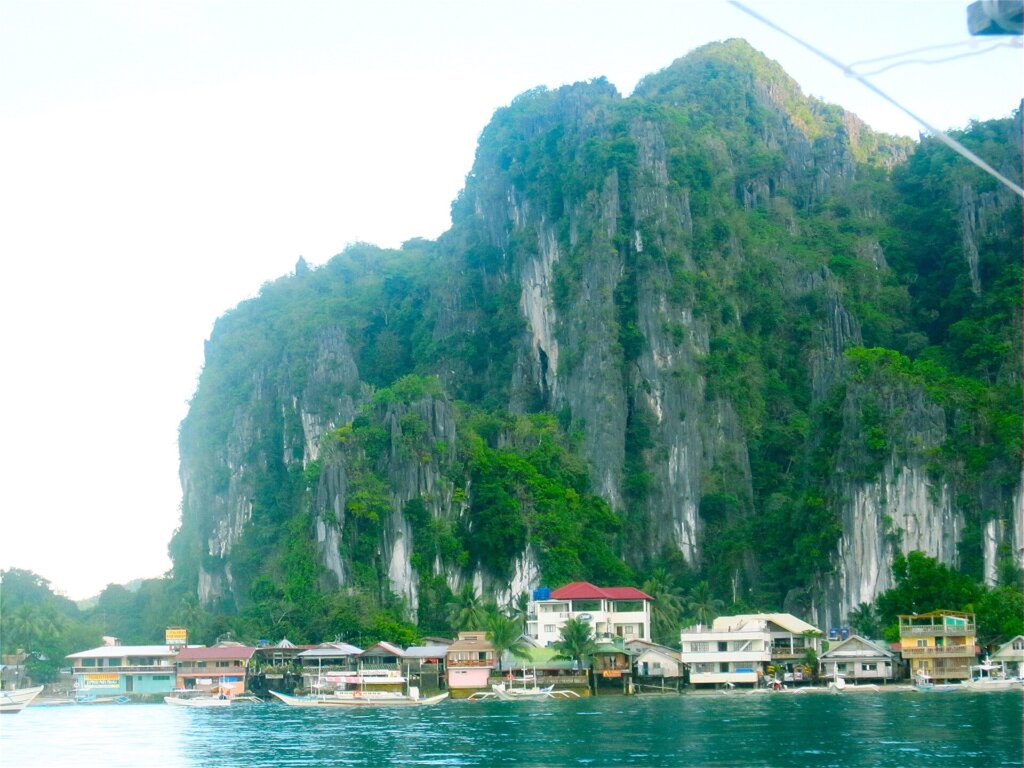
Dewil Valley is an inland farming basin on the north-eastern side of the El Nido municipality, reached by the road that runs from town toward Sibaltan on the east coast. The valley floor is rice paddies, coconut, and cattle pasture, and it is punctuated by isolated limestone towers, the same karst that forms the cliffs in Bacuit Bay. Ille Cave is a rock shelter and cave system at the base of one of these towers, close to the barangay of New Ibajay.
From El Nido town proper, the trip is roughly 45 minutes to an hour by motorbike or tricycle, depending on road conditions and how often you stop for photos. The route is mostly paved, with a short unpaved section near the site. If you are continuing east, Ille pairs naturally with a visit to the quiet beaches of Sibaltan; see our Sibaltan travel guide for that side of the peninsula.
What archaeologists found at Ille Cave
Systematic excavations at Ille began in the late 1990s under the University of the Philippines Archaeological Studies Program, working with the National Museum of the Philippines and international partners as part of the Palawan Island Palaeohistoric Research Project. Over many field seasons, the team dug through layers that record how people used the shelter from the late Pleistocene into recent centuries.
The headline discoveries include a cremation burial dated to roughly 9,000 years ago, among the earliest known evidence of cremation in Southeast Asia; remains of a tiger, a species long extinct on Palawan, alongside deer and other animals that no longer live on the island; dense shell middens showing how coastal and inland resources were combined; and later-period burials and pottery that link the valley to the wider Philippine archipelago. Peer-reviewed reports on these finds have appeared in journals such as Antiquity, and the National Museum of the Philippines lists Palawan’s caves among the country’s most important prehistoric localities.
Why does this matter for a traveler? Because it reframes El Nido. The limestone you photograph from a boat is the same rock that sheltered people through the end of the last Ice Age, when sea levels were lower and Palawan’s coastline looked very different. Standing in Dewil Valley makes that timeline tangible in a way no museum panel can.
What a visit is actually like
Ille is not a commercial attraction with a ticket booth and gift shop. It is a working research site inside a farming community, and the experience is low-key by design. Expect a short walk from the road across fields to the base of the karst tower, the rock shelter itself, and, when open, a modest site museum or display area maintained by the local government and partner institutions with photographs, replicas, and explanations of the excavation.
Visitors are asked to register with the barangay or the site caretaker on arrival. A local guide may accompany you, and a small fee or donation is customary; it supports upkeep and the families who watch over the site. Do not enter fenced excavation trenches, touch exposed deposits, or remove anything, even a shell. The value of Ille lies in its undisturbed layers.
The cave interior is atmospheric rather than spectacular: a cool, shaded shelter with a high overhang and passages leading deeper into the tower. If you want dramatic sea caves, our El Nido caving guide covers Cathedral Cave and the water-access caves on the island tours. Ille is a different kind of place, and that is the point.
Ille Cave compared with other El Nido inland stops
Because Ille sits on the road east, many travelers fold it into a wider inland day. Here is how it compares with the other popular land-based stops so you can build a route that fits your interests and stamina.
| Stop | Main appeal | Time from town | Effort level | Best paired with |
|---|---|---|---|---|
| Ille Cave, Dewil Valley | Archaeology, karst landscape, farm life | 45 to 60 min | Easy walk | Sibaltan beaches |
| Nagkalit-Kalit Falls | Jungle trek and swimming hole | 30 to 40 min plus 45 min hike | Moderate | Nacpan Beach |
| Nacpan Beach | Long golden beach, sunset | 40 to 50 min | Easy | Waterfall or Duli |
| Taraw Cliff | Sunrise viewpoint over town | In town | Strenuous scramble | Early breakfast |
| Sibaltan | Quiet east coast, local museum | 60 to 75 min | Easy | Ille Cave |
For a full loop, leave town by 8 a.m., visit Ille first while it is cool, continue to Sibaltan for lunch and a swim, then return via Nacpan for sunset. Details on the waterfall leg are in our Nagkalit-Kalit Falls guide.
How to get there and what to bring
The simplest option is a rented motorbike; the road east is straightforward and the ride through the valley is part of the pleasure. Our El Nido motorbike rental guide explains licensing, pricing, and where to fill up. If you would rather not ride, hire a tricycle for the half-day with waiting time included, or book a private van if you are a group of four or more. Ask the driver for “Ille Cave, New Ibajay”; most know it.
Bring closed shoes or sturdy sandals for the field walk, water, sun protection for the open valley, insect repellent for the shaded cave mouth, and cash for the barangay registration and guide. A small flashlight is useful if you are invited into the inner passages. Wear modest clothing; this is a rural community, not a beach.
Timing matters. The dry season from roughly November to May gives the easiest road conditions; in the wet months the unpaved stretch can turn muddy and the fields may flood. Mornings are cooler and quieter. Note that the municipal environmental fee you pay for boat tours does not cover inland sites; see our El Nido environmental fee guide for what that fee actually includes.
Visiting respectfully: heritage rules that matter
Philippine law protects archaeological sites and artifacts. Under the National Cultural Heritage Act, it is illegal to excavate, collect, or export cultural material without permits, and that includes picking up pottery sherds or shells from the surface at Ille. The National Commission for Culture and the Arts and the National Museum enforce these rules, and local caretakers take them seriously.
Beyond the law, common courtesy goes a long way. Ask before photographing residents, keep voices down near the cave, and do not fly drones over the site or nearby homes without permission. If a caretaker says an area is closed for research, respect it; excavations are ongoing and every season adds to the picture. Consider leaving a donation beyond the minimum; funds for site maintenance are thin, and your visit helps make the case that heritage tourism can support the valley.
A sample half-day timeline
Leave El Nido town at 7:30 a.m. after breakfast and ride east; you will reach the turn-off for New Ibajay in about 40 minutes. Register with the caretaker, walk the fields to the shelter, and spend 45 minutes to an hour at the cave and display area, including time for questions. Ride on to Sibaltan by late morning, eat lunch at a beachfront eatery, and swim in the calm east-coast water. Head back by 3 p.m. so you reach Nacpan for golden hour, then return to town after sunset. Total riding time is around three hours spread across the day, which most travelers find comfortable. If you prefer a shorter outing, skip Sibaltan and Nacpan and you will be back in town by early afternoon, in time for a late lunch and a swim.
Frequently asked questions
Is Ille Cave open to tourists?
Generally yes, through registration with the barangay or site caretaker, though access can be limited during active excavation seasons or bad weather. Ask at your hotel or a local tour desk a day ahead to confirm current arrangements.
How much does it cost to visit?
There is no fixed commercial ticket. Expect a small registration or donation fee plus a guide fee if one accompanies you, and budget separately for transport from town.
Can I combine Ille Cave with island hopping on the same day?
Not comfortably. Boat tours run from morning to mid-afternoon. Treat Ille as a half-day inland excursion on a rest day, ideally combined with Sibaltan or Nacpan.
Is it suitable for children?
Older children who enjoy history usually love it, especially the tiger story. The walk is short and flat, but the cave floor can be uneven, so supervise younger kids closely.
Are there facilities at the site?
Facilities are basic. Bring water and snacks, use the restroom before leaving town, and plan lunch in Sibaltan or back in El Nido.
Why is Ille Cave important?
It preserves a long, well-dated record of human occupation in island Southeast Asia, including a roughly 9,000-year-old cremation burial and evidence of extinct animals such as tiger and deer, which helps scientists reconstruct how people and environments changed after the last Ice Age.