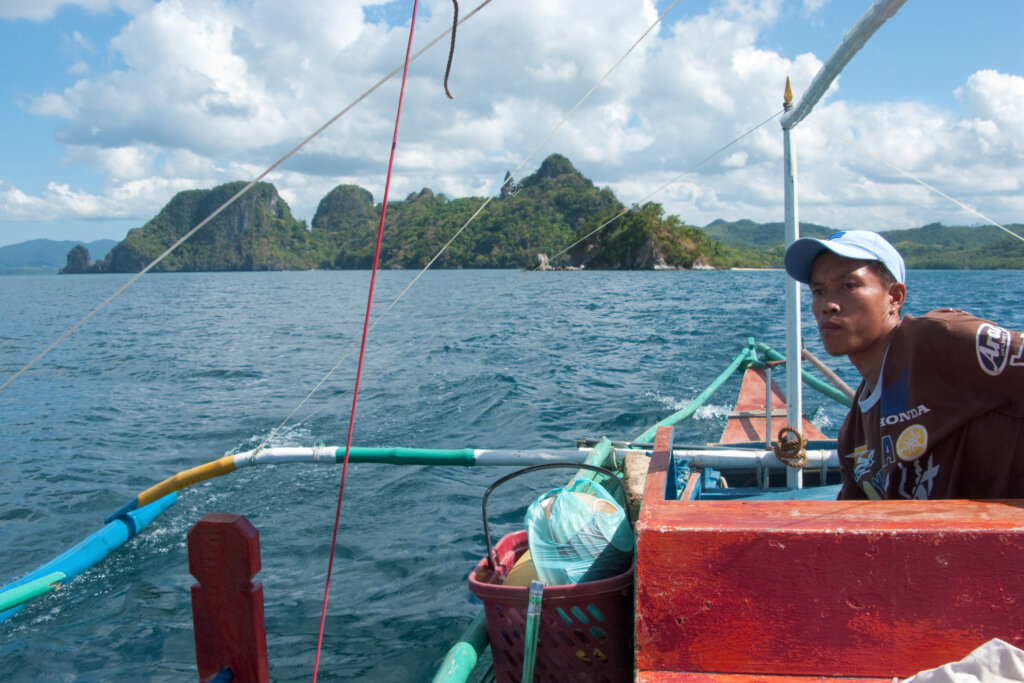
Both El Nido and Caramoan sell the same dream: jagged limestone islands rising from turquoise water, white-sand coves and lazy days on a bangka. Yet they deliver that dream in very different ways. El Nido, in northern Palawan, is the Philippines’ polished karst superstar. Caramoan, on a remote peninsula of Camarines Sur in the Bicol region, is its raw, under-the-radar cousin, famous internationally as a filming location for reality TV survival shows. This guide focuses on comparing El Nido and Caramoan specifically for travellers who love limestone island scenery and are deciding which one fits their time, budget and appetite for adventure.
Our angle: rather than declaring a winner, we match each destination to a traveller type, with honest notes on access, crowds, comfort and season.
At a Glance: El Nido vs Caramoan
| Factor | El Nido (Palawan) | Caramoan (Camarines Sur) |
|---|---|---|
| Scenery | Dramatic karst cliffs, lagoons, 45+ islands in Bacuit Bay | Rugged limestone islets, sandbars, quiet coves |
| Access from Manila | Direct flights to Lio Airport, or fly to Puerto Princesa + 5–6 hr van | Fly to Naga, then road and boat transfer, typically 4–6 hrs |
| Crowds | Busy, especially December–May | Light; often only a few boats at each stop |
| Accommodation | Hundreds of options from hostels to luxury resorts | Limited: small inns, homestays, a handful of resorts |
| Food and nightlife | Wide choice of restaurants and bars | Simple local eateries, very quiet evenings |
| Typical daily budget (mid-range) | PHP 4,000–7,000 per person | PHP 2,500–4,500 per person |
| Best season | Roughly November to May | Roughly March to June |
| Best for | First-timers, honeymooners, short trips | Repeat visitors, adventurous couples, crowd-avoiders |
Budgets are rough 2026 estimates covering a double room share, tours and meals, excluding flights.
Scenery and Island Hopping
El Nido’s Bacuit Bay is hard to beat for sheer drama. Sheer marble-like cliffs enclose the Big and Small Lagoons, Secret Lagoon hides behind a rock window, and islands such as Matinloc, Pinagbuyutan and Cadlao rise straight out of the sea. Its four standard tours are well organised and easy to book; our island hopping tour comparison explains each route. To understand why the cliffs look the way they do, read our explainer on Bacuit Bay’s karst geology.
Caramoan’s islands are smaller and more scattered, but they have a wild, unmanicured beauty. Popular stops include Matukad Island with its hidden inner lagoon, Lahos Island where a long sandbar shifts with the tides, Sabitang Laya, Cotivas and Hunongan Cove. Boats are usually hired privately for your group, and you may share a beach with only a handful of other visitors even on weekends. Background on the islands is available on Wikipedia’s Caramoan Islands entry.
Verdict: El Nido wins for iconic, postcard views; Caramoan wins for solitude and a sense of discovery.
Getting There and Getting Around
El Nido is now easy to reach. Small direct flights land at Lio Airport a few minutes from town, while budget travellers fly to Puerto Princesa and take a five- to six-hour van ride north. See our getting to El Nido guide for every route and our comparison of Lio vs Puerto Princesa airports.
Caramoan takes more effort. The usual route is a flight from Manila to Naga, a van or bus to the port at Sabang in San Jose, and then a boat across to Guijalo port, followed by a short tricycle ride into town. An overland alternative via Goa adds hours on winding roads. Boat departures are weather-dependent, so build in buffer time. Overall, plan a full travel day each way.
Verdict: El Nido is far easier for short holidays; Caramoan suits trips of five days or more.
Where to Stay and What to Eat
El Nido has accommodation for every budget—backpacker hostels in town, sunset villas in Corong-Corong, family resorts in Lio and secluded rentals near Nacpan. The restaurant scene ranges from carinderias serving silog breakfasts to wood-fired pizza, fresh seafood grills and cocktail bars. Our where to stay guide helps you choose an area.
Caramoan is much simpler. Expect small inns and homestays in town, plus a few beach resorts that often package meals and island hopping. Food is Bicolano at heart: coconut-rich dishes with chilli, such as laing and Bicol express, alongside grilled fish. Bring snacks and cash, as ATMs and card acceptance are limited.
Connectivity is another practical difference. El Nido has reasonable 4G coverage in town and many hotels offer Wi-Fi good enough for video calls, which matters if you are working remotely. In Caramoan, mobile data can be patchy once you leave town and many islands have no signal at all—wonderful for a digital detox, less so if you need to stay reachable. Power outages happen in both places, so a power bank is essential.
Verdict: El Nido for comfort and choice; Caramoan for an authentic, low-key provincial experience.
Weather and Best Time to Visit
The two destinations face different seas, so their seasons differ. El Nido, on the western side of Palawan, is best from roughly November to May, with the calmest, sunniest conditions from February to April. The southwest monsoon brings rougher seas from June to October.
Caramoan sits on the Pacific-facing side of Bicol, where the northeast monsoon can bring heavy rain and choppy water from around November to February. Many travellers find March to June the most reliable window. Bicol is also more exposed to typhoons, so watch PAGASA bulletins carefully.
That contrast creates an interesting opportunity: if you are travelling in May or early June, both can be good; if you are visiting in December or January, El Nido is the safer bet.
Costs, Crowds and Sustainability
El Nido’s popularity brings higher prices and crowded lagoons in peak months, but also strong management: an environmental fee, capacity limits at sensitive sites and regulated tour routes. Check our environmental fee guide for current rules.
Caramoan is cheaper day to day, but private boat hire means costs rise if you travel solo. Splitting a boat among four to six people makes island hopping very affordable. Tourism infrastructure is thin, so waste management and water supply are fragile—carry a refillable bottle and take your rubbish back with you. The Department of Tourism lists accredited operators in both regions.
Sample Itineraries for Each Destination
Four days in El Nido
Day 1: Arrive at Lio Airport or by van from Puerto Princesa, check in and watch the sunset from Corong-Corong or Las Cabanas. Day 2: Tour A for the Big and Small Lagoons, Secret Lagoon and Shimizu Island. Day 3: Tour C for Hidden Beach, Secret Beach and Matinloc Shrine, then dinner in town. Day 4: a slow morning at Nacpan Beach or a short climb up Taraw Cliff if you are fit, then depart. This pace covers the headline sights without feeling rushed, and leaves room to swap days around if the weather turns.
Five days in Caramoan
Day 1: Fly to Naga, transfer by van and boat, and settle in by late afternoon. Day 2: hire a boat for Matukad, Lahos and Sabitang Laya, timing Lahos for low tide when the sandbar is longest. Day 3: explore Cotivas, Hunongan Cove and a few nameless beaches your boatman recommends. Day 4: a land day—climb to the hilltop shrine above Gota for panoramic views, or simply rest. Day 5: return to Naga, ideally with a buffer night before an international flight. Caramoan rewards travellers who slow down and let the boat crew suggest stops.
Whichever you choose, bring reef-safe sunscreen, a dry bag, water shoes for rocky landings and enough cash for several days. In El Nido you can top up at ATMs in town; in Caramoan, withdraw what you need in Naga before you set off, and carry small bills for boat crews, environmental fees and simple meals.
Which Should You Choose?
Choose El Nido if you…
- Have four days or fewer and want maximum scenery for minimal transit.
- Are on a honeymoon or want resort comfort, good restaurants and nightlife.
- Are visiting the Philippines for the first time.
- Travel between November and May.
Choose Caramoan if you…
- Have already seen El Nido or Coron and want something less commercial.
- Value empty beaches over convenience and do not mind basic rooms.
- Can split a private boat with friends.
- Travel between March and June.
Can you combine them?
Yes, but they are on opposite sides of the country, so you will connect through Manila. A two-week itinerary could include five days in El Nido, a night in Manila and four to five days in Caramoan, ideally in April or May when both are in good condition. If you prefer to stay within Palawan, our El Nido vs Coron comparison covers the more common pairing.
Frequently Asked Questions
Is Caramoan better than El Nido?
Neither is objectively better. El Nido offers more dramatic scenery, easier access and far more hotels and restaurants. Caramoan is quieter, cheaper and less developed, which suits travellers who want solitude and do not mind a long journey.
How do you get to Caramoan from Manila?
The usual route is a flight from Manila to Naga, then a van to Sabang port in San Jose, a boat to Guijalo port and a short tricycle ride into Caramoan town. Allow a full travel day.
When is the best time to visit Caramoan?
Many travellers find March to June the most reliable period. The Pacific-facing coast can be rainy and rough from about November to February.
Is Caramoan cheaper than El Nido?
Day-to-day costs for rooms and food are usually lower in Caramoan, but boats are often hired privately, so solo travellers may pay more for island hopping. Groups get the best value.
Can I visit El Nido and Caramoan on the same trip?
Yes. Connect through Manila and allow at least ten days in total. April and May are good months to combine both.