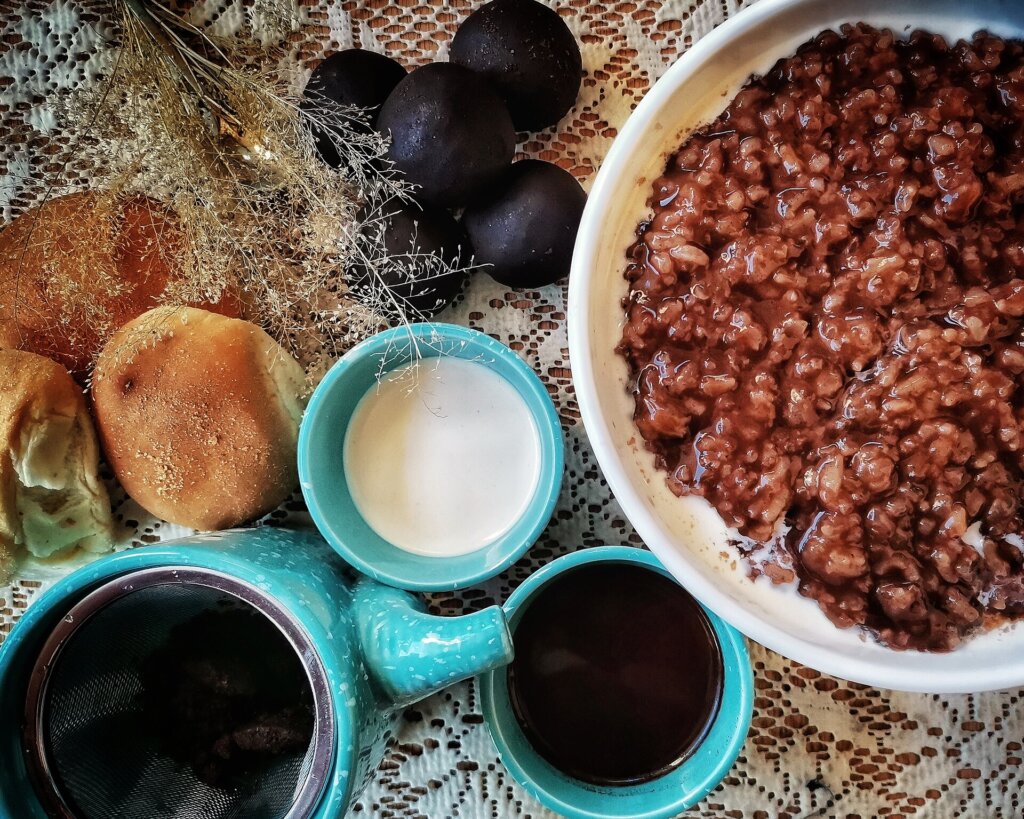
After a week of grilled fish, adobo and rice, many travelers start dreaming of curry, naan and a proper masala chai. This guide focuses on finding Indian and South Asian flavours specifically for travelers in El Nido who miss home cooking, follow vegetarian or halal-friendly diets, or simply want spice. We explain what is realistic in a small island town, how to ask for the dishes you want, which local meals come closest, and how to plan around supply limits.
- What to Expect from a Small-Town Food Scene
- Closest Matches: Comparison Table
- Eating Vegetarian and Vegan
- Halal-Friendly and Pork-Free Dining
- How to Ask for Spice and Flavour
- Sample Day of Spice-Friendly Eating
- Budget and Supply Considerations
- Cooking Your Own Curry
- Sweet Endings and Tea
- Practical Tips for Planning Meals
- Bringing the Flavours Home
- Frequently Asked Questions
What to Expect from a Small-Town Food Scene
El Nido is a small coastal town whose restaurant scene is shaped by seafood, Filipino comfort food, pizza and international travel cafés. Dedicated Indian restaurants are not a dependable feature in places this size, and menus change with owners, seasons and supply. A kitchen might offer a curry one season and drop it the next. That does not mean you cannot eat well; it means you should plan, ask and adapt.
Ingredients are the real constraint. Fresh seafood, vegetables and coconut are plentiful, but specialty spices, paneer, ghee, basmati and flatbread flour can be harder to source locally and are often brought in from larger cities. Dishes that depend on them may be limited or pricier than you expect. Be prepared to be flexible and to enjoy what the island does best.
If you are looking for general guidance on where to eat, start with our seafood restaurant guide and our street food guide, then use the tips here to steer menus toward the flavours you want.
Closest Matches: Comparison Table
You can find curry-adjacent flavours in familiar Filipino dishes. The table shows how they compare with South Asian cooking so you can order with realistic expectations.
| Craving | Closest local option | How to adapt it | Notes |
|---|---|---|---|
| Coconut curry | Ginataang seafood or vegetables | Ask for chili, ginger and extra spice on the side | Creamy and mild; excellent with rice |
| Dal and lentils | Mung bean stew (monggo) | Request garlic, onion and chili; add lime | Hearty, usually cooked with greens |
| Tandoori-style grill | Grilled fish or chicken (inihaw) | Marinate with spice or ask for a spice rub | Smoky flavour from charcoal |
| Biryani or fried rice | Garlic fried rice with egg | Ask for added vegetables and chili | Often paired with grilled fish |
| Samosa or fritter | Fish ball, lumpia or fried vegetable | Dip in spicy vinegar or sweet chili | Street-food style snack |
| Chai | Hot tea with milk and sugar | Ask for ginger or cardamom if available | Some cafés may accommodate |
| Fresh chutney | Spicy vinegar and chopped onions | Add chili and lime on the side | Common table condiment |
Eating Vegetarian and Vegan
Vegetarian travelers can eat well if they communicate clearly. Many dishes use fish sauce, shrimp paste or pork stock even when they look vegetarian, so ask how a dish is made. Request your vegetables cooked in oil or coconut milk without meat stock, and confirm that sauces are free of shrimp or fish.
Useful phrases include “Walang karne” (no meat) and “Walang isda” (no fish). Always add “Allergic po ako” if there is a medical reason, so staff take the request seriously. Our guide on dining with food allergies in El Nido lists additional questions that help kitchens understand you.
Tofu, eggs, beans, rice, vegetables, mushrooms and coconut-based sauces are easy to find. Salad bars and smoothie cafés are common in the main tourist area. Ordering several small dishes to share often gives you a balanced meal.
Halal-Friendly and Pork-Free Dining
Muslim travelers and others who avoid pork should ask staff directly about ingredients and cooking oil, because pork fat and lard are common in some local dishes. Seafood, vegetables, eggs and chicken are the easiest options. The Philippines also has a growing halal framework, and you can read about national standards through the Philippine Food and Drug Administration. In a small destination, formal certification may not be available at every restaurant, so ask each venue to explain what they use and how they separate pork products.
If you are strict about preparation, choose simple dishes such as grilled fish and vegetables, or cook for yourself if your accommodation has a kitchen. Booking a private boat tour lets you specify a pork-free packed lunch ahead of time, and many operators are happy to accommodate if you tell them the day before.
How to Ask for Spice and Flavour
Local food is typically mild, with salty, sour and sweet notes. Chilies are usually served on the side as fresh bird’s-eye chilies, spicy vinegar or chili paste. This works in your favour: you can add heat yourself. Ask for “sili” (chili), calamansi (a small citrus), ginger, garlic and extra onions, and you can build a bright sauce at the table.
If you bring your own spice mix, ask whether the kitchen would add it to a simple stir-fry or grill. Some cafés and homestays are glad to help, particularly if you ask in advance and offer to pay a small extra charge. Keep expectations modest and be generous with thanks. Our tipping guide explains how to reward good service.
Sample Day of Spice-Friendly Eating
Start the morning with eggs, rice and fresh fruit, adding chili and calamansi for brightness. Many cafés offer smoothie bowls and oatmeal, which are easy to season with cinnamon or ginger if you carry a small packet. If you prefer a savoury start, ask for fried rice with vegetables and a fried egg, then dab it with chili paste.
For lunch on a boat tour, the crew usually grills fish, cooks rice and slices fruit. Tell your operator the day before about vegetarian, halal-friendly or spicy preferences, and bring a small bottle of chili sauce or masala if you like. Sharing it with the crew is often a pleasant way to start a conversation, and they may offer local condiments in return.
Dinner is the best moment to experiment. Choose a restaurant with an open kitchen so you can see how food is cooked, and order two or three shared dishes: a coconut-based stew, grilled seafood or chicken, and sautéed greens. Ask for sili and lime on the side, and finish with fresh fruit. After a few days you will discover your own favourite combinations, and the lack of a formal curry house will matter less than you feared.
If you are visiting during a quiet season, ask restaurants whether they can prepare a special order for a group. Kitchens that are not busy often welcome the chance to cook something different, and a day of notice makes it much easier to source ingredients.
Budget and Supply Considerations
Specialty ingredients arrive by road or sea, and supply can be disrupted by storms and holidays. When that happens, dishes may disappear from menus or become more expensive. Staying flexible saves you frustration and money. Prices in tourist areas are generally higher than at local eateries, so balance one nicer meal with simpler local lunches.
If you are watching your budget, look for set meals, shared platters and local carinderia counters where rice, vegetables and stews are sold by the serving. They are not curry houses, but a plate of vegetables in coconut milk with plenty of rice is filling, affordable and satisfying. Always carry small bills and ask the price before ordering when menus are not displayed.
Cooking Your Own Curry
If you are staying more than a few days, a kitchen changes the game. Pick up coconut milk, onions, garlic, ginger, tomatoes and local vegetables at the market, and bring a small pack of curry powder or paste from home. Fish steaks or chicken pieces simmered in coconut milk with spices make a decent curry in less than 30 minutes. Rice is everywhere.
Always wash produce with safe water and cook food thoroughly. Our guide on tap water and ice safety explains which water to trust. For general safety on food hygiene, the World Health Organization food safety fact sheet offers clear tips on cooking temperatures and storage.
Sweet Endings and Tea
South Asian desserts and Filipino sweets share a love of milk, coconut and sugar. If you miss gulab jamun or kheer, look for rice cakes, caramelised bananas and sweet coconut dishes. We cover these in our guide to Filipino desserts, halo-halo and kakanin. Pair them with hot tea or local coffee for a gentle finish.
Chai lovers can request strong black tea with milk and sugar, then add ginger and cardamom if they carry it. Pack a few teabags and spice sachets if this matters to you. You will find that kindness and good humour carry more weight than perfect replication.
Practical Tips for Planning Meals
Plan your most important meals for days when you are in town rather than on a boat tour. Order early if you want a dish that takes time. Ask your accommodation whether they can help you with dietary requests or share a kitchen. Keep snacks in your bag for long tours.
- Message restaurants in advance for special requests
- Carry small bills, because many small eateries do not take cards
- Bring spice packets or a small jar of your favourite masala
- Ask about ingredients, particularly fish sauce, shrimp paste and pork
- Be patient on busy nights; kitchens are small
- Offer a polite review and tip when a restaurant goes out of its way
Bringing the Flavours Home
If you enjoy cooking, take back local ingredients such as coconut sugar, dried mango and calamansi concentrate to combine with your own spices. These make good gifts and travel well if sealed. Check customs rules in your home country, particularly for fresh produce and meat products.
Frequently Asked Questions
Are there Indian restaurants in El Nido?
Dedicated Indian restaurants are not a reliable feature of a small town, and offerings change. Ask your accommodation, check recent reviews and be ready to adapt local dishes.
Can vegetarians eat well in El Nido?
Yes, if you communicate clearly. Ask about fish sauce, shrimp paste and meat stock, and order vegetables, tofu, eggs and rice-based dishes.
Is halal food available?
Seafood, vegetables and chicken are easy choices, but certified halal options may be limited. Ask each venue about pork and cooking oil.
How do I get spicier food?
Ask for sili, chili paste or spicy vinegar on the side, and add calamansi and onions to taste.
Can I bring my own spices?
Yes, if sealed and allowed by customs rules. Some kitchens will use them if you ask politely in advance.
Featured photo: “Vegetarian thali” (CC BY-SA 4.0) via Wikimedia Commons.
Further reading: see the Philippine Department of Tourism for visitor information and our where-to-stay overview if you want a kitchen.