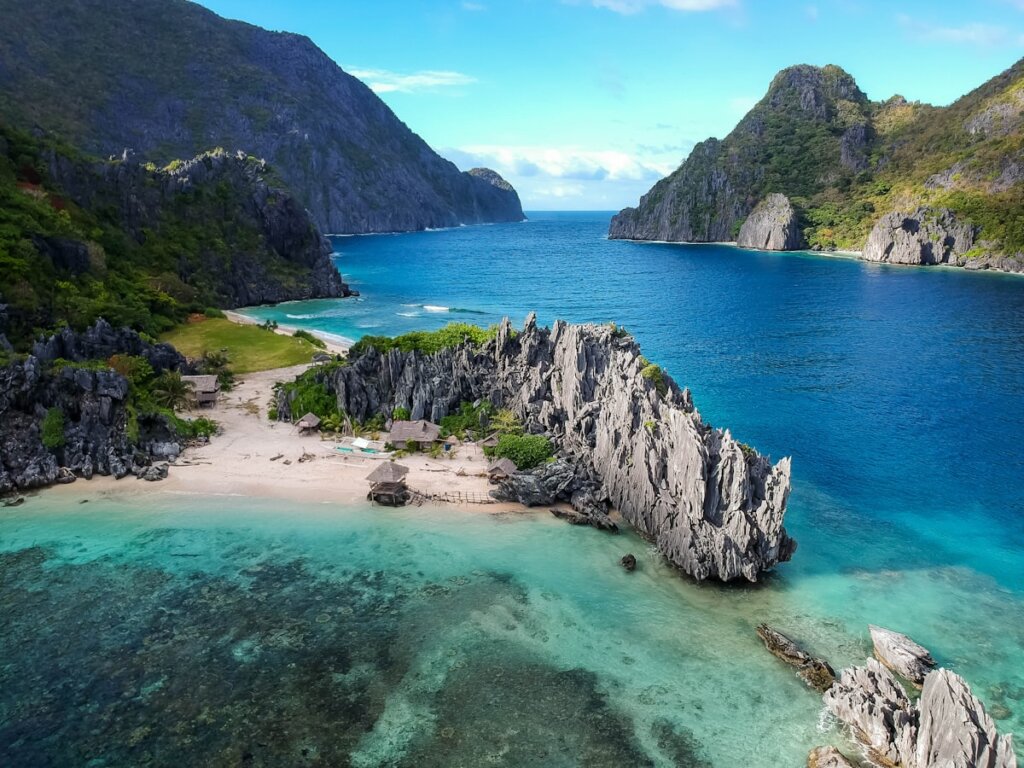
TL;DR: From Melbourne, the simplest route is a nonstop flight to Manila (about 8 hours) followed by a roughly 80-minute hop to El Nido’s Lio Airport; budget travellers can instead fly Manila–Puerto Princesa and take a 5–6 hour van. Plan December–April for the best weather, and register on eTravel within 72 hours of arrival.
El Nido has become a favourite warm-weather escape for Victorians, but getting there from Melbourne involves at least two flights and some timing decisions that can make or break a short holiday. This guide focuses on flight routes, connection strategy and seasonal timing specifically for travellers starting in Melbourne and planning a 7–14 day El Nido trip in 2026 or early 2027.
Our angle is practical: rather than listing every airline, we explain which connection patterns actually work, where the time traps are, and how Victorian school holidays line up with El Nido’s dry season.
- Route Options at a Glance
- Leg One: Melbourne to Manila
- Leg Two: Manila to El Nido
- Connection Strategy: Same Day or Overnight?
- Entry Requirements for Australian Passport Holders
- When Melbourne Travellers Should Go
- Budgeting the Journey
- Packing and Practical Tips for the Long Haul
- Sample Door-to-Door Timelines
- Key Takeaways
- Frequently Asked Questions
Route Options at a Glance
| Route | Typical total travel time | Best for | Watch out for |
|---|---|---|---|
| MEL → Manila nonstop → Lio (ENI) | 12–16 hours with connection | Short trips, families, comfort | Higher fares on the Lio leg; tight baggage limits |
| MEL → Manila → Puerto Princesa → van | 16–22 hours | Budget travellers | Long road transfer; arrive late and you overnight |
| MEL → Singapore/Kuala Lumpur → Manila → Lio | 18–26 hours | Points redemptions, sale fares | Two connections and separate tickets |
| MEL → Manila → Clark or overnight → Lio | 1.5–2 days | Arriving late into Manila | Extra hotel night, transfer across Metro Manila |
Times are indicative and depend on schedules, which change seasonally. Always check current timetables before booking.
Leg One: Melbourne to Manila
Philippine Airlines has long operated nonstop flights between Melbourne Tullamarine and Manila, with a flight time of roughly eight hours. Cebu Pacific has also operated the route at times; check current schedules, as low-cost carriers adjust frequencies seasonally. Departures leave from Melbourne Airport’s international terminal; confirm terminal and check-in times on the Melbourne Airport website.
One-stop alternatives via Singapore, Kuala Lumpur or Hong Kong sometimes undercut nonstop fares or suit frequent-flyer redemptions. They add hours and a connection risk, so they make more sense for longer trips where an extra half-day matters less.
Melbourne travellers often ask whether to compare fares from Sydney. Our Sydney to El Nido flight guide covers that side; positioning flights to Sydney rarely save money once you add time and baggage.
Leg Two: Manila to El Nido
From Manila you have two main choices. The faster option is a direct flight to Lio Airport (IATA code ENI), a small airport about 15–20 minutes from El Nido town, with a flight time of around 80 minutes. AirSWIFT is the main operator, and fares are higher than standard domestic routes because of the small aircraft and limited seats. Read our Lio Airport (ENI) guide and the Palawan airline comparison for details.
The cheaper option is to fly Manila to Puerto Princesa (PPS) on a larger carrier, then take a shared or private van for five to six hours north. This route often saves significant money per person but costs most of a day.
Baggage is the hidden issue. Flights to Lio often have stricter checked and cabin allowances than your international ticket. Pack to the smaller limit, or prepay excess baggage, to avoid surprises at check-in.
Connection Strategy: Same Day or Overnight?
Most nonstop flights from Melbourne arrive in Manila in the evening or early morning depending on the season’s schedule. Whether you can connect to El Nido the same day depends on that arrival time.
- Morning arrival: A same-day connection to Lio or Puerto Princesa is usually possible. Leave at least three to four hours if you are on separate tickets and must collect bags, clear immigration and transfer terminals.
- Evening or night arrival: Stay overnight near the airport and fly out the next morning. Our Manila layover guide lists sensible areas and hotels.
- Separate tickets: Your international airline has no obligation to rebook a missed domestic flight on a separate booking. Build in buffer time or buy a flexible fare.
Manila airport traffic between terminals can be slow, especially at peak hours, so treat any terminal change as a meaningful time cost.
Entry Requirements for Australian Passport Holders
Australian citizens can generally enter the Philippines visa-free for short tourist stays (commonly up to 30 days) with a passport valid for at least six months and proof of onward or return travel. All arrivals must complete the free eTravel registration within 72 hours before arrival on the official eTravel portal; avoid look-alike sites that charge fees.
Rules change, so check the current advice on Smartraveller’s Philippines page before you book, including health, safety and entry updates. If you plan to stay beyond 30 days, you will need an extension from the Bureau of Immigration.
When Melbourne Travellers Should Go
El Nido’s dry, calmer season typically runs from about December to May, with March to May often the calmest seas. June to October brings the southwest monsoon, more rain and occasional tour cancellations. Our best time to visit El Nido guide goes deeper.
Here is how that lines up with typical Victorian holiday periods:
- Summer school holidays (late December–January): Good weather in El Nido, but peak prices and Christmas–New Year crowds. Book flights and Lio seats early.
- Easter and autumn school holidays (around March–April): Often the sweet spot: dry weather, warm water and calmer seas, though Holy Week is very busy with domestic travellers.
- Winter school holidays (late June–July): Wet season in El Nido. Cheaper, greener and quieter, but expect some cancelled tours.
- Spring school holidays (late September–early October): Tail end of the wet season; conditions are mixed and improve toward November.
Time zone is simple: the Philippines is on UTC+8, two hours behind Melbourne in winter and three hours behind during daylight saving, so jet lag is minimal.
Budgeting the Journey
Fares vary widely, but these broad patterns hold:
- Return Melbourne–Manila economy fares are cheapest in shoulder months and during airline sales; peak summer holiday fares can double.
- The Manila–Lio leg is often the single most expensive per-hour component of the trip; compare it against the Puerto Princesa route plus van.
- Factor in a Manila hotel night if your arrival time forces one.
- Budget for El Nido’s eco-tourism development fee and cash for tours, since card acceptance in town remains patchy.
For a family of four, the van route can save a meaningful amount compared with Lio flights; for a couple on a short trip, the time saved by flying directly usually justifies the cost.
Packing and Practical Tips for the Long Haul
- Keep reef-safe sunscreen, a swim outfit and medication in your carry-on in case checked bags miss a tight connection.
- Download offline maps and your booking confirmations; Wi-Fi at Philippine airports can be unreliable.
- Carry some Philippine pesos for the first day, as El Nido ATMs occasionally run low at weekends.
- Bring an Australian-to-Philippine plug adapter; Philippine outlets commonly accept Type A and Type C plugs.
- Buy travel insurance that covers medical evacuation, since serious cases are transferred to larger hospitals outside El Nido.
Sample Door-to-Door Timelines
Abstract travel times can be misleading, so here are two illustrative itineraries showing how a real journey tends to unfold. Exact times will differ with your airline’s current schedule.
Scenario A: Fast route via Lio
- Leave home in Melbourne about three hours before a late-morning international departure.
- Arrive in Manila mid-afternoon local time after roughly eight hours in the air.
- Clear immigration, collect bags if on separate tickets, and transfer to your domestic departure area.
- If a late-afternoon Lio departure is available and you have at least three to four hours, connect the same day; otherwise stay one night near the airport.
- Land at Lio, take a short van or tricycle ride, and you are at your hotel in El Nido by evening or the following morning.
Scenario B: Budget route via Puerto Princesa
- Fly Melbourne to Manila and overnight near the airport.
- Take an early flight to Puerto Princesa, arriving mid-morning.
- Board a pre-booked shared van at the airport or the city terminal; the ride north takes five to six hours with a rest stop.
- Arrive in El Nido town by mid-to-late afternoon, in time for sunset.
Scenario A typically uses one travel day plus part of a second; Scenario B uses close to two full days but can save a few hundred dollars for a group. On a trip of a week or less, the faster route usually gives you an extra full day on the water, which many Melbourne travellers consider worth the premium.
Key Takeaways
- The fastest pattern is Melbourne–Manila nonstop, then a roughly 80-minute flight to Lio Airport.
- The cheapest pattern is Manila–Puerto Princesa plus a 5–6 hour van.
- Late arrivals into Manila usually mean an overnight before continuing.
- December–April suits Victorian holidays best; mid-year trips are cheaper but wetter.
- Complete eTravel within 72 hours of arrival and check Smartraveller before you fly.
Frequently Asked Questions
Are there direct flights from Melbourne to El Nido?
No. You fly Melbourne to Manila (nonstop flights take about 8 hours) and then connect to Lio Airport in El Nido or to Puerto Princesa followed by a van.
How long does it take to get from Melbourne to El Nido?
Typically 12–16 hours with a good same-day connection via Manila to Lio, and longer if you route via Puerto Princesa or need an overnight in Manila.
Do Australians need a visa for El Nido?
Australian citizens can generally visit the Philippines visa-free for short tourist stays, commonly up to 30 days, but must register on eTravel within 72 hours of arrival. Check Smartraveller for current rules.
What is the best month to fly from Melbourne to El Nido?
March and April often combine good weather with calmer seas. December–January is also dry but busier and more expensive.
Is it cheaper to fly to Puerto Princesa instead of Lio?
Usually yes. Flights to Puerto Princesa are cheaper, but you then need a 5–6 hour van ride to El Nido.
Featured photo: Joe “velojo” A / Wikimedia Commons (CC BY-SA 3.0).
About the Author
This guide was compiled by the El Nido Hotels Ranking editorial team, with input from local operators and ongoing on-the-ground updates.