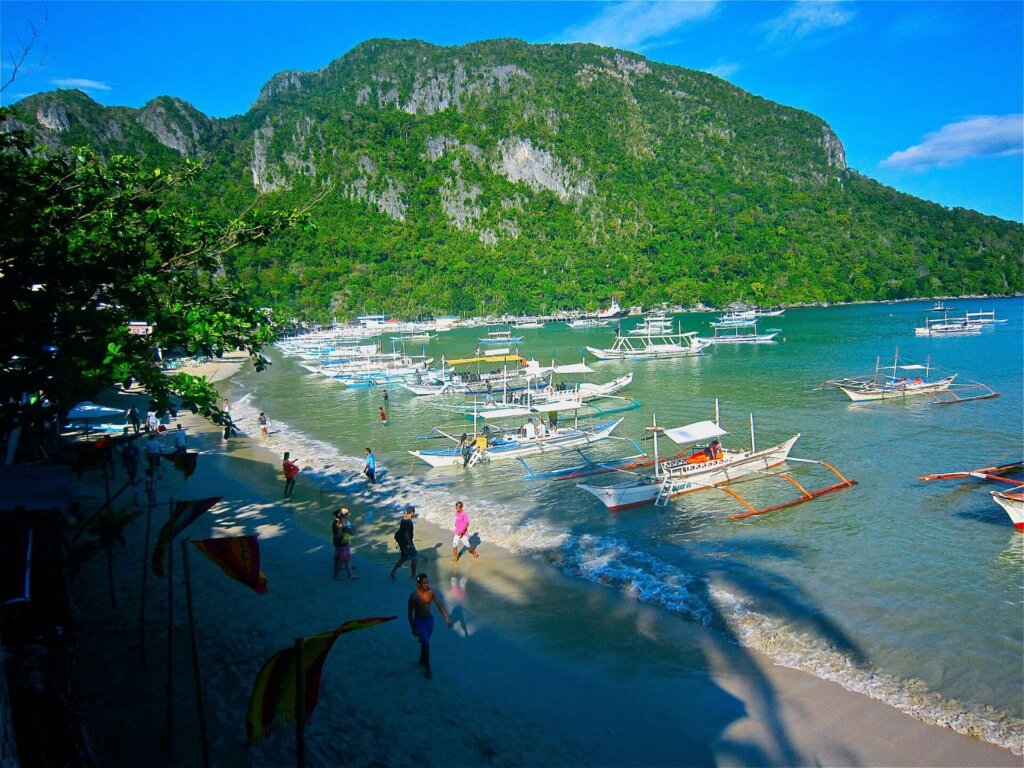
You can see sea stars in El Nido’s shallow seagrass and sandy coves at low tide, but sightings are hit-and-miss; Honda Bay near Puerto Princesa is the more reliable “starfish island” day — and in both places the rule is look, photograph, never lift them out of the water.
Starfish photos are among the most-searched images of Palawan, and many travelers arrive in El Nido expecting a beach carpeted with them. The reality is more nuanced. This guide focuses on starfish (sea stars) specifically for families with kids and wildlife-curious first-timers deciding whether to look for them in El Nido or set aside time for Honda Bay near Puerto Princesa.
Our angle is a straight comparison: where each area gives you a realistic chance, how much time and money it costs, and how to see sea stars without harming them. If you are planning broader marine-life spotting, start with our tide pooling guide for El Nido and our look at where to see sea turtles in El Nido.
- Which Starfish Live Around Palawan?
- Starfish in El Nido: Where You Might See Them
- Honda Bay’s Starfish Island: What to Expect
- El Nido vs Honda Bay: Side-by-Side Comparison
- The No-Touch Rule: How to See Starfish Responsibly
- Sample Plans: Starfish-Friendly Days in Each Area
- Which Should You Choose?
- Practical Tips for Families and Photographers
- Key Takeaways
- Frequently Asked Questions
Which Starfish Live Around Palawan?
The large, chunky orange-and-brown sea star most people photograph in Palawan is usually the knobbed or horned sea star, Protoreaster nodosus. It lives on sandy bottoms and seagrass beds in shallow, warm water, which is why it shows up near beaches and sandbars rather than on deep reefs. You may also spot blue sea stars (Linckia) on reefs while snorkeling, and smaller cushion stars in seagrass.
Sea stars are not fish. As NOAA explains, they are echinoderms, related to sea urchins and sea cucumbers, and they move and feed using a water-vascular system of tube feet. That biology is the main reason you should never pull them out of the water for a photo — more on that below.
Knobbed sea stars are slow, gentle animals that graze on films of algae, detritus and tiny organisms on the sand. They are an important part of healthy seagrass ecosystems, the same meadows that feed turtles and dugongs in northern Palawan.
Starfish in El Nido: Where You Might See Them
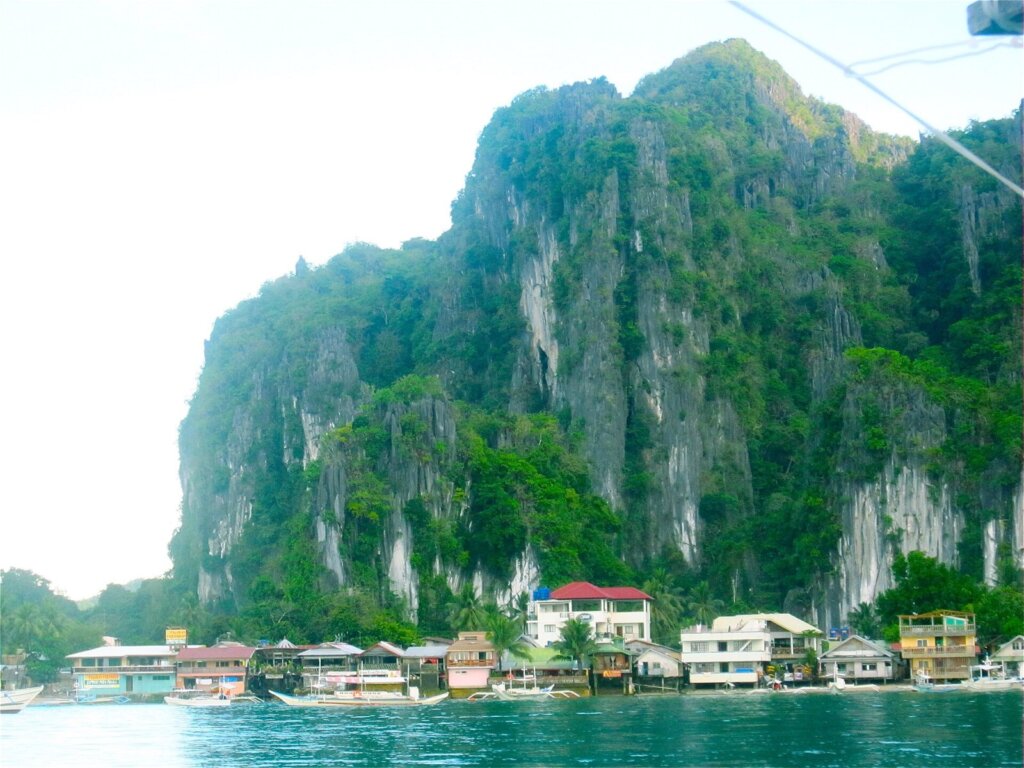
El Nido is famous for lagoons, limestone cliffs and reefs, not for starfish. Still, sea stars live here, and observant visitors find them in the right habitat:
- Shallow seagrass flats close to quieter beaches, especially at low tide when the water is knee- to waist-deep.
- Sandy coves and sandbars visited on island-hopping tours, where boats anchor in calm, clear water.
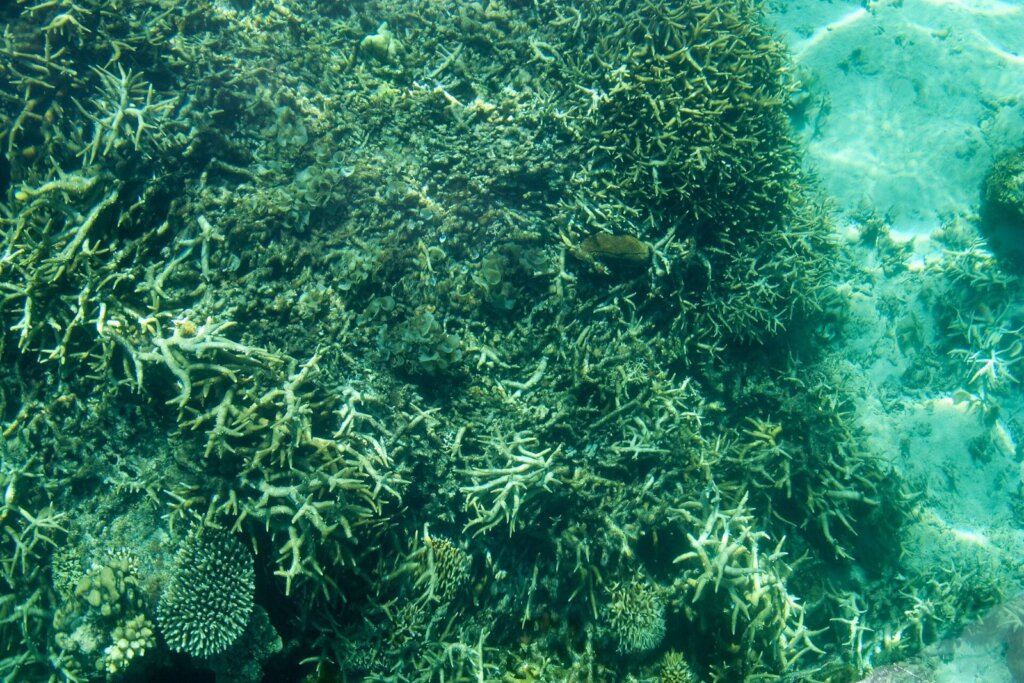
- Reef edges while snorkeling, where blue sea stars cling to coral rubble.
Sightings are inconsistent. One group may see several on a sandbar while the next day’s boat sees none, depending on tide, season, weather and how many people have walked the area. Ask your boat crew at the start of the tour; local boatmen know which coves have had sea stars recently and are often happy to point them out if you ask early.
Timing helps. Check our low tide beach walks guide for how tides work here, and visit calm shallows on a sunny morning when visibility is best.
Honda Bay’s Starfish Island: What to Expect
Honda Bay, roughly 30–40 minutes north of Puerto Princesa city by road, is a classic island-hopping trip that typically includes a stop at an islet popularly called Starfish Island. Its shallow sandy water has long been known for sea stars, making it the more reliable choice if seeing one is a priority for your family.
Expect a more developed, busier experience than El Nido’s lagoons: shaded huts, snack sellers, and many day-trippers, especially on weekends and holidays. Water is generally calm and shallow, which suits young children and non-swimmers. The trade-off is that Honda Bay sits at the opposite end of the main tourist corridor, roughly five to six hours by road from El Nido, so it fits best on your first or last day in Puerto Princesa rather than as a detour from El Nido.
See our Puerto Princesa to El Nido bus guide and our Puerto Princesa day trips guide for routing ideas.
El Nido vs Honda Bay: Side-by-Side Comparison
| Factor | El Nido | Honda Bay (Puerto Princesa) |
|---|---|---|
| Chance of seeing starfish | Possible but inconsistent | Generally higher on the Starfish Island stop |
| Main attraction overall | Lagoons, limestone cliffs, reefs | Shallow islands, easy beaches |
| Water depth | Varies; many stops need swimming or a life vest | Mostly shallow and calm |
| Crowds | Busy in peak season at popular lagoons | Busy on weekends and holidays |
| Rough tour cost (2026) | About ₱1,400–₱1,800 per person shared tour, plus fees | Roughly ₱1,500–₱2,500 per person depending on inclusions |
| Travel from El Nido | On your doorstep | About 5–6 hours by van or bus to Puerto Princesa |
| Best for | Scenery-first travelers who see starfish as a bonus | Families and kids who want a high-probability sighting |
Costs are indicative and change with environmental fees, boat type and season. Always confirm what is included before paying.
The No-Touch Rule: How to See Starfish Responsibly
The most important part of any starfish encounter is how you behave. Lifting a sea star out of the water for a photo can stress or harm it: exposure to air and sun, rough handling and sunscreen residue are all risks. Many Philippine tour operators and local authorities now actively discourage touching or lifting sea stars, and on some islands it is explicitly banned.
- Keep it in the water. Photograph it where it lies; a waterproof phone pouch or snorkel-mask view makes a better shot anyway.
- Don’t flip, stack or move it. Arranging sea stars for photos is harmful and increasingly frowned upon.
- Watch your feet. In seagrass shallows, shuffle carefully so you don’t step on sea stars, sea urchins or stingrays. Our sea urchin first-aid guide covers what to do if you misstep.
- Use reef-safe sunscreen or a rash guard, as chemical sunscreens wash into the shallows. See El Nido reef-safe sunscreen rules.
- Teach kids the rule before you go, so excitement doesn’t turn into grabbing.
Palawan’s environmental framework is overseen in part by the Palawan Council for Sustainable Development, and El Nido sits within a protected area where wildlife disturbance is taken seriously.
Sample Plans: Starfish-Friendly Days in Each Area
El Nido: a shallow-water morning
Book a shared or private island-hopping tour that includes at least one calm, sandy stop, and tell the crew at pickup that your children would love to look for sea stars. Aim for an early departure so you reach the first shallow beach before the midday glare and crowds. Snorkel the reef edge for blue sea stars, then wade the seagrass slowly with water shoes on. If you see nothing, treat it as a bonus that didn’t happen and enjoy the lagoons — they are the reason most people come.
Honda Bay: an arrival or departure day
If you land in Puerto Princesa in the morning, a Honda Bay half-day can fill the gap before you take an afternoon van north, though most families find it more relaxing to stay one night in the city and do Honda Bay the next morning. Reverse the plan on your way out: travel down from El Nido, overnight in Puerto Princesa, and do Honda Bay before an afternoon flight. Book with an accredited operator, confirm which islands are included, and expect environmental and entrance fees on top of the tour price.
Which Should You Choose?
Choose El Nido only if your trip is short, you mainly came for lagoons and cliffs, and a starfish sighting would be a happy bonus.
Add Honda Bay if you are traveling with children who have their heart set on seeing a starfish, if you have a spare day in Puerto Princesa at the start or end of your trip, or if your group includes less confident swimmers who prefer shallow, calm water.
Skip the starfish hunt entirely if you are short on time and prefer to snorkel reefs instead; El Nido’s coral gardens hold far more marine life overall, from reef fish to turtles. Families can find more ideas in our El Nido with kids guide.
Practical Tips for Families and Photographers
- Go at low tide on a calm morning for the clearest shallow water.
- Wear water shoes on seagrass and coral rubble.
- Bring polarized sunglasses — they cut surface glare so you can spot sea stars from the boat or beach.
- Use a waterproof phone case and shoot half-in, half-out of the water for striking photos without lifting anything.
- Respect closures; some sites limit visitors to let habitats recover.
- Combine with other wildlife: our reef fish identification guide keeps kids engaged when sea stars don’t show up.
- Keep a life vest on young children even in shallow water, because depth can drop suddenly off sandbars.
Key Takeaways
- Sea stars do live in El Nido’s shallow seagrass and sandy coves, but sightings are inconsistent.
- Honda Bay’s Starfish Island near Puerto Princesa is the more reliable choice for families who must see one.
- Honda Bay is 5–6 hours from El Nido by road, so plan it around your Puerto Princesa arrival or departure.
- Never lift a starfish out of the water; photograph it where it lies.
- Low tide, calm mornings and polarized sunglasses give you the best odds of spotting sea stars.
Frequently Asked Questions
Are there starfish in El Nido?
Yes, sea stars live in El Nido’s shallow seagrass beds, sandy coves and reef edges. Sightings are not guaranteed and depend on tide, weather and location, so ask your boat crew where they have been seen recently.
Where is Starfish Island in Palawan?
The well-known Starfish Island is part of Honda Bay island hopping near Puerto Princesa, not El Nido. Honda Bay is roughly 5–6 hours by road from El Nido.
Can I hold a starfish in Palawan?
You should not. Lifting sea stars out of the water can stress or harm them, and many operators and local rules now prohibit it. Photograph them in the water instead.
Is Honda Bay worth it if I am already visiting El Nido?
It is worth it mainly for families with kids who want a high chance of seeing starfish in calm, shallow water, and only if you have a spare day in Puerto Princesa.
What is the best time to see starfish?
Low tide on a calm, sunny morning gives the best visibility in shallow water. Dry-season months from roughly December to May usually offer calmer seas.
About the Author
This guide was compiled by the El Nido Hotels Ranking editorial team, with input from local operators and ongoing on-the-ground updates.