Choose El Nido if you want warm-water swimming, island hopping and lagoons from roughly November to May; choose Jeju if you want volcanic hikes, road trips, cafes and four-season scenery with easy access from mainland Korea. El Nido is the stronger beach trip; Jeju is the stronger land-based trip.
El Nido and Jeju both get called “island paradise”, and both are hugely popular with Korean, Japanese and Chinese travellers — but they deliver completely different holidays. One is a tropical limestone archipelago where you spend most days on a boat; the other is a volcanic island where you spend most days in a rental car, hiking craters and hopping between cafes.
This guide focuses on El Nido vs Jeju specifically for travellers in North Asia deciding where to spend a five- to seven-day island break — especially Korea-based residents who already know Jeju is a short flight away and are wondering whether El Nido is worth the longer journey. If you are also weighing Japan, see our El Nido vs Okinawa comparison.
El Nido vs Jeju at a Glance
| Factor | El Nido (Palawan, Philippines) | Jeju (South Korea) |
|---|---|---|
| Landscape | Limestone karst islands, lagoons, white-sand coves | Volcanic cones, lava tubes, black basalt coast |
| Signature experience | Island-hopping boat tours (Tours A–D) | Hiking Hallasan, sunrise at Seongsan Ilchulbong |
| Sea temperature | Warm year-round, roughly 27–30°C | Cool most of the year; comfortable mainly in summer |
| Best months | November–May (dry season) | Spring and autumn for touring; July–August for beaches |
| Getting around | Boats, tricycles, scooters, vans | Rental car, buses, taxis |
| Access from Seoul | Flight to Manila + domestic hop | About one hour by air from Gimpo |
| Food highlights | Grilled seafood, Filipino dishes, international cafes | Black pork BBQ, haenyeo seafood, hallabong tangerines |
| Rainy season | Roughly June–October (southwest monsoon) | Jangma monsoon in early summer; typhoon risk late summer |
Landscapes: Limestone Karst vs Volcanic Island
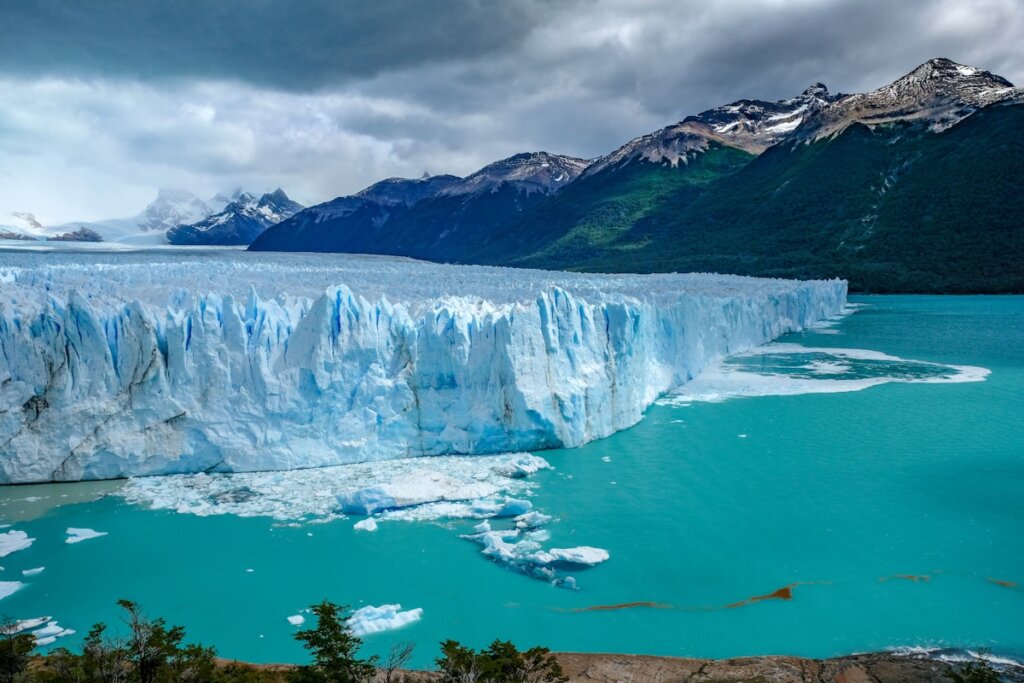
El Nido’s scenery comes from ancient limestone that was uplifted and sculpted by the sea into sheer cliffs, hidden lagoons and pocket beaches scattered across Bacuit Bay. The best views are from the water, which is why almost every visitor books island hopping. Our Bacuit Bay geology explainer covers why the bay looks the way it does.
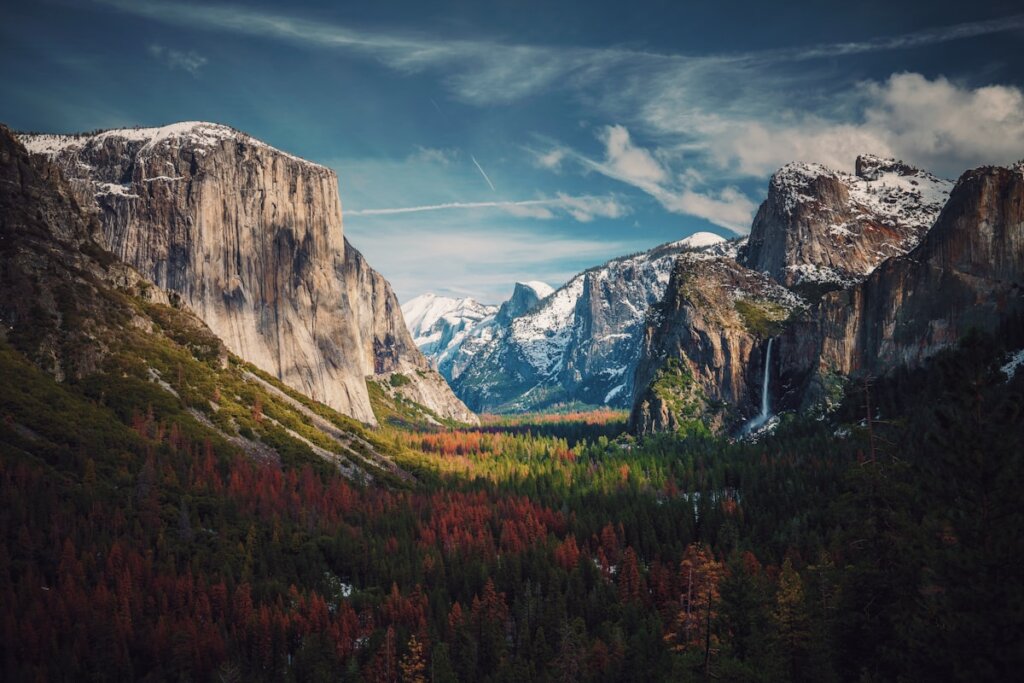
Jeju is a shield volcano topped by Hallasan, South Korea’s highest mountain at roughly 1,950 metres, and surrounded by hundreds of smaller volcanic cones called oreum. UNESCO lists “Jeju Volcanic Island and Lava Tubes” as a World Natural Heritage site, covering Hallasan, the Seongsan Ilchulbong tuff cone and the Geomunoreum lava tube system — see the UNESCO listing. The best views are from the land: crater rims, coastal walking trails and cliffs like Jusangjeolli’s basalt columns.
In short, El Nido rewards people who love being on and in the water, while Jeju rewards people who love walking, driving and exploring at their own pace.
Beaches and Swimming
This is the biggest difference. El Nido’s water is warm enough to swim every day of the year, and visibility around reefs and lagoons can be excellent in the dry season. Beaches such as Nacpan Beach and the lagoons on Tour A — see our Big Lagoon guide — are the main reason people make the trip.
Jeju does have beautiful beaches — Hyeopjae and Geumneung with their pale sand and views to Biyangdo, Hamdeok with its turquoise shallows, and Jungmun for surfing — but the official swimming season is short, typically centred on July and August. Outside summer, Jeju’s beaches are for walking and photos rather than long swims, and wetsuits are needed for water sports.
Things to Do Beyond the Beach
El Nido: island-hopping tours, kayaking into lagoons, snorkelling and scuba diving (see our scuba diving guide), the Taraw Cliff climb when open, waterfalls, ziplining at Las Cabanas, and sunset bars. Evenings are relaxed rather than lively.
Jeju: hiking Hallasan (permits are required for the summit trails — check the Visit Korea site for current rules), the Olle coastal trails, lava tubes, tangerine farms, museums, theme parks, cafe-hopping and seasonal flower fields (canola in spring, hydrangeas in early summer, silver grass in autumn). Jeju is easier for travellers who want variety on rainy days.
Culturally, Jeju’s haenyeo — women free divers who harvest seafood — are recognised by UNESCO as Intangible Cultural Heritage, and you can watch demonstrations at several coastal villages. El Nido offers a window into Palawan’s fishing communities and a strong eco-tourism ethos, with environmental fees and visitor caps at sensitive lagoons.
Seasons and Weather
El Nido is a tropical destination with two main seasons. The dry season, roughly November or December to May, brings calm seas and sunny days; the wet southwest monsoon season, roughly June to October, brings more rain and occasional tour cancellations. Our El Nido in November guide covers the shoulder transition in detail.
Jeju has four distinct seasons. Spring (April–May) and autumn (September–November) are the most comfortable for hiking and driving. Summer is hot and humid, with the jangma rainy season in early summer and typhoon risk later. Winter is cold and windy, though Hallasan’s snow scenery is spectacular. That means:
- December–March: El Nido is clearly better for a warm-weather holiday.
- April–May: both are excellent — El Nido for swimming, Jeju for flowers and hikes.
- July–August: Jeju’s beach season; El Nido is in its wetter months.
- September–October: Jeju’s autumn is lovely; El Nido is wet but quiet and cheaper.
Costs and Getting There
Jeju is cheaper and faster to reach from Korea: the Seoul Gimpo–Jeju route is one of the busiest air corridors in the world, with frequent low-cost flights. Once there, a rental car is the easiest way around, and accommodation ranges from pension guesthouses to large resorts in Jungmun.
El Nido takes longer to reach — typically an international flight to Manila followed by a domestic flight to Lio Airport or Puerto Princesa. Our Seoul to El Nido flights guide explains layover options. On the ground, El Nido can be very good value: regulated island-hopping tours, inexpensive local food and a wide hotel range. Upmarket resorts on private islands are expensive, however.
Many nationalities can visit Jeju under its special visa-free entry programme, while K-ETA and entry rules for the mainland differ — check the K-ETA official site. For the Philippines, check visa rules for your passport and complete the free eTravel registration.
Sample 5-Day Plans Side by Side
Seeing a typical trip on each island makes the difference concrete.
El Nido in five days: Day 1 arrive via Manila and watch sunset from Corong Corong or Las Cabanas. Day 2 Tour A for the Big and Small Lagoons. Day 3 a beach day at Nacpan. Day 4 Tour C or a private boat to Hidden Beach and Matinloc Shrine. Day 5 a slow morning, a final swim and the flight out. Most days begin with a boat and end with grilled seafood by the shore, and you rarely need more than swimwear, sandals and a dry bag.
Jeju in five days: Day 1 fly in from Gimpo and pick up a rental car. Day 2 sunrise at Seongsan Ilchulbong, then a haenyeo demonstration and lunch in Udo or Hamdeok. Day 3 an early start for a Hallasan trail. Day 4 the west coast: Hyeopjae Beach, tea fields and cafes. Day 5 Jungmun, Jusangjeolli cliffs and a black-pork dinner before flying home. Days revolve around driving loops, short hikes and food stops, and you will want layers for wind and changing weather.
The rhythm is the real choice: El Nido is about slowing down on the water, while Jeju is about covering ground and ticking off varied sights.
Which Island Should You Choose?
- Choose El Nido if your priority is swimming, snorkelling, lagoons and boat days in warm water, especially between December and April.
- Choose Jeju if you want road trips, hiking, cafes, family attractions and a short, inexpensive flight — and you are travelling outside the tropical high season or do not need warm sea temperatures.
- Families with toddlers: Jeju’s infrastructure and short flight make logistics easier; El Nido suits slightly older kids who enjoy boats.
- Honeymooners: El Nido wins for romantic beach scenery and private boat tours.
- Korean holidays: for Seollal or Chuseok, El Nido offers guaranteed warmth — see our Chuseok in El Nido plan.
Key Takeaways
- El Nido is a water-based trip built around boat tours, lagoons and warm sea; Jeju is a land-based trip of volcanic hikes, drives and cafes.
- El Nido’s sea is warm year-round; Jeju’s swimming season is mainly July–August.
- For December–March escapes, El Nido is the stronger choice; for spring and autumn touring, Jeju shines.
- Jeju is faster and cheaper to reach from Korea; El Nido needs a Manila connection.
- Both islands protect sensitive sites — expect visitor caps or permits for lagoons and Hallasan summit trails.
Frequently Asked Questions
Is El Nido better than Jeju for beaches?
For swimming and snorkelling, yes. El Nido’s water is warm all year and its lagoons and coves are the main attraction. Jeju’s beaches are beautiful but best for swimming mainly in July and August.
Which is cheaper, El Nido or Jeju?
Jeju is usually cheaper and faster to reach from Korea. Once you arrive, El Nido’s food and shared tours are often good value, so total cost depends on where you are flying from and your hotel choice.
When is the best time to visit El Nido vs Jeju?
El Nido is best from roughly November to May. Jeju is most comfortable in spring and autumn for touring, with July and August for beach time.
How long should I spend in El Nido compared with Jeju?
Plan at least five nights in El Nido to allow for travel time and a weather buffer for boat tours. Three to five nights works well for Jeju.
Can I see volcanic landscapes in El Nido?
No. El Nido’s landscape is limestone karst rather than volcanic. If volcanoes are your interest, Jeju is the better fit.
About the Author
This guide was compiled by the El Nido Hotels Ranking editorial team, with input from local operators and ongoing on-the-ground updates.