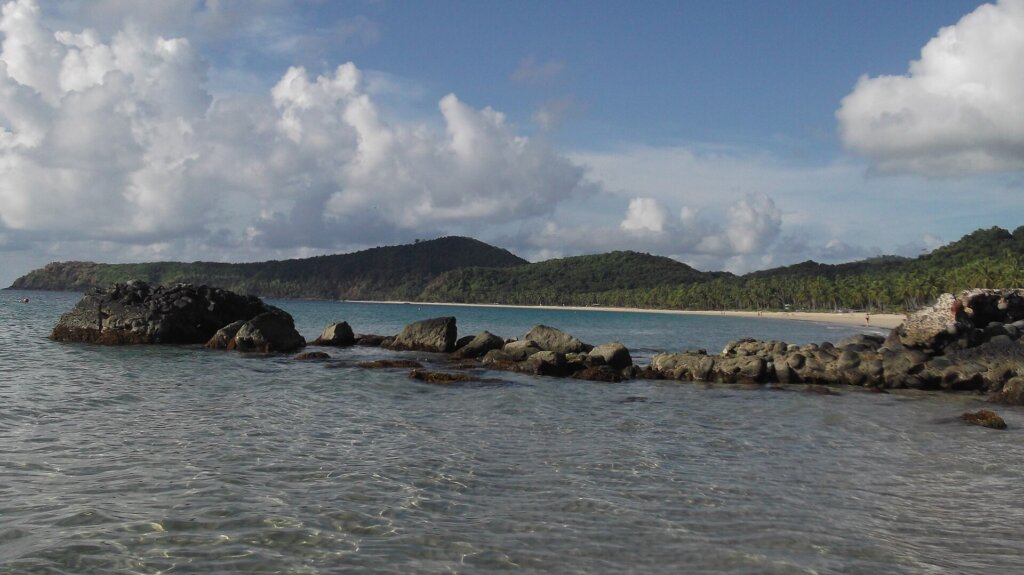

Most travelers book El Nido Tour B for the sandbar at Snake Island or the long white beach at Pinagbuyutan. Then the boat noses into a quiet shoreline, the guide points at a narrow gap in the rock, and you realize the day’s most memorable stop might be the one you barely read about: Cudugnon Cave.
This guide focuses on Cudugnon Cave specifically for Tour B travelers who want to know what is inside, how hard the entry is, and whether it suits their group — including families, older travelers and anyone uneasy in tight spaces. For the full tour route and pricing, read our complete El Nido Tour B guide. Here we zoom in on the cave itself.
A note on sources: the cave’s history is told mostly through local guides and tourism materials rather than published excavation reports. We flag where details come from oral tradition so you know what is documented and what is local lore.
- What Cudugnon Cave Is (and Why It Feels Different)
- Cudugnon Cave vs the Other Tour B Stops
- Getting Inside: How Tight Is the Entrance?
- What You Will See Inside
- Practical Tips: Timing, Gear and Etiquette
- Fitting Cudugnon Into Your El Nido Itinerary
- Is Cudugnon Cave Worth It? Who Will Love It
- Frequently Asked Questions
What Cudugnon Cave Is (and Why It Feels Different)
Cudugnon Cave is a limestone cave near the shoreline of the Bacuit Bay area, visited as a standard stop on Tour B. Unlike the open-air lagoons of Tour A or the hidden beaches of Tour C, the experience here is about stepping out of the glare into a cool, dim chamber carved from the same karst that forms El Nido’s cliffs.
The entry is the defining feature. Visitors typically squeeze through a small opening — low enough that most adults crouch or crawl briefly — before the space opens into a larger chamber with a high ceiling. Light filters in from openings above, and the walls show the textured, dripping formations typical of tropical limestone.
Guides often describe the cave as a place where ancient artifacts, including pottery and burial remains, were once found, and as a refuge where local residents hid during the Second World War. Both stories are widely repeated in El Nido, but we could not find detailed public excavation records specific to Cudugnon. For context on documented cave archaeology in this part of Palawan, see our feature on Ille Cave and Dewil Valley, and the National Museum of the Philippines, which oversees archaeological sites nationwide.
Cudugnon Cave vs the Other Tour B Stops
Tour B mixes beaches, a sandbar and caves. Here is how Cudugnon fits into the day so you can pace your energy and your camera battery.
| Stop | Main experience | Physical effort | Best for | Time usually spent |
|---|---|---|---|---|
| Snake Island | Winding sandbar, short hill viewpoint | Low to moderate (short climb) | Photos, wading | About 45–60 minutes |
| Cudugnon Cave | Crawl-in cave, cool chamber, history stories | Moderate for a short moment (crouching, rough rock) | Curious travelers, photographers, kids who like adventure | About 30–45 minutes |
| Cathedral Cave | Towering sea cave, usually seen from the boat | None | Scenery photos | Short pass-by |
| Pinagbuyutan Island | Beach, swimming, snorkeling | Low | Relaxing, lunch | About 1 hour |
| Entalula Beach | Long beach, clear water | Low | Swimming, end-of-day lounging | About 1 hour |
Stop order and timing vary by operator and by sea conditions on the day. Some boats skip or shorten stops in rough weather, which is more common during the southwest monsoon.
Getting Inside: How Tight Is the Entrance?
This is the question everyone asks. The honest answer: tight enough to be memorable, short enough to be manageable for most people.
- The squeeze is brief. You crouch or crawl for a short distance over uneven rock, then stand up inside.
- The rock is rough and sometimes damp. Wear water shoes or sturdy sandals with grip. Barefoot is a bad idea.
- Bring a light. Phone flashlights work. Guides sometimes carry one, but not always.
- Expect a short wait if several boats arrive at once, because only a few people can pass the entrance at a time.
If you are claustrophobic, have knee or back problems, or are traveling with a baby, it is perfectly fine to stay outside on the beach. Nobody will mind, and the shoreline is pleasant. Travelers with limited mobility may find Tour C or Tour D gentler overall.
What You Will See Inside
Once inside, the cave rewards a few quiet minutes. Let your eyes adjust before you start taking photos.
- The main chamber: a high, irregular ceiling with natural light shafts on sunny days.
- Limestone formations: flowstone and drip formations that took thousands of years to form. Do not touch them — skin oils stop their growth.
- Wildlife signs: you may hear or see swiftlets or bats near the openings. Our cave wildlife and etiquette guide explains how to behave around them.
- The history story: your guide will likely share the artifact and wartime refuge accounts. Treat them as living local heritage rather than textbook fact.
Photography tip: the contrast between bright openings and dark walls is extreme. Use your phone’s night mode, brace against a rock instead of using flash, and photograph people framed against a light shaft for the classic shot.
Practical Tips: Timing, Gear and Etiquette
- Ask about stop order. If your operator visits Cudugnon early, you may share the cave with fewer people.
- Keep your hands free. Put your phone on a lanyard and your bag in a dry bag on the boat. You need both hands for the entrance.
- Wear water shoes. They handle the wet landing and the rough cave floor.
- No graffiti, no souvenirs. Taking rock, shells or anything else from a protected area is prohibited. The site lies within the El Nido-Taytay Managed Resource Protected Area, overseen by the Department of Environment and Natural Resources.
- Keep voices low. Echoes carry and disturb wildlife.
- Carry your environmental fee receipt. Tour B, like all lettered tours, requires the El Nido eco-tourism fee. Check the current amount when you book.
Fitting Cudugnon Into Your El Nido Itinerary
Because Cudugnon is only reachable on Tour B (or a private charter that copies the Tour B route), the real planning question is where Tour B sits in your trip. A few patterns work well:
- Three-day stay: Tour A on day one for the lagoons, Tour B or C on day two, and a land day on day three. If history and exploration appeal more than hidden beaches, choose Tour B.
- Five-day stay: do Tour A and Tour C first while you are fresh, then save Tour B for a slower day. Its long beach stops at Pinagbuyutan and Entalula make it the most relaxing of the lettered tours.
- Rainy-season visit: Tour B routes run along more sheltered water than some other tours on certain days, but cancellations still happen. Keep a buffer day in case the coast guard suspends trips.
Pair the cave with a land-based history stop for a theme day. After Tour B, an afternoon at a café in town looking through your photos, followed by reading up on El Nido’s past, turns a beach trip into something richer. If you want to see a cave on land too, inland sites near New Ibajay are reachable by tricycle or van.
One more practical point: Tour B boats can be slightly less crowded than Tour A boats in peak season, so the cave rarely feels overwhelmed. Arriving mid-morning tends to be calmer than early afternoon when several boats converge.
Is Cudugnon Cave Worth It? Who Will Love It
Cudugnon is not the most photographed place in El Nido, but it gives Tour B something the other tours lack: a sense of exploration and a connection to the area’s human history. Here is our quick verdict by traveler type:
- Families with kids aged roughly 6 and up: usually a highlight. Children love the crawl-through entrance.
- Couples and photographers: worth it for the light shafts and a break from beach scenes.
- History lovers: pair it with a visit to inland archaeology sites and our overview of El Nido and Palawan history.
- Travelers with mobility limits or claustrophobia: enjoy the beach outside and let the group go in.
If you are choosing between tours and history appeals to you, Tour B with Cudugnon plus the Entalula and Cathedral Cave stops is a strong pick. For background on how cave sites in Palawan shaped Philippine archaeology, the Tabon Caves in southern Palawan are the best-documented reference point.
Frequently Asked Questions
Where is Cudugnon Cave in El Nido?
Cudugnon Cave is a limestone cave near the shore in the Bacuit Bay area, and it is a regular stop on El Nido Tour B. You reach it by boat with a licensed tour.
How hard is it to get inside Cudugnon Cave?
The entrance is a short, low squeeze where most adults crouch or crawl for a few moments over rough rock. Once inside, the chamber opens up and you can stand.
Is Cudugnon Cave safe for kids?
Most children aged around six and up enjoy it with an adult close by. Water shoes and a light help. Very young children and babies are better off staying on the beach.
Were artifacts really found in Cudugnon Cave?
Local guides and tourism materials say pottery and burial remains were found there, and that residents sheltered in the cave during World War II. Detailed public excavation records are hard to find, so treat these as local heritage stories.
Can I visit Cudugnon Cave without joining Tour B?
In practice it is visited as part of Tour B or a private boat charter covering Tour B stops. You need a registered boat and the El Nido environmental fee.
What should I bring to Cudugnon Cave?
Water shoes with grip, a phone light, a lanyard for your phone and a dry bag for valuables left on the boat. Leave your hands free for the entrance.