
El Nido Cliff Diving Guide 2026: Best Jumping Spots, Heights & Safety Tips
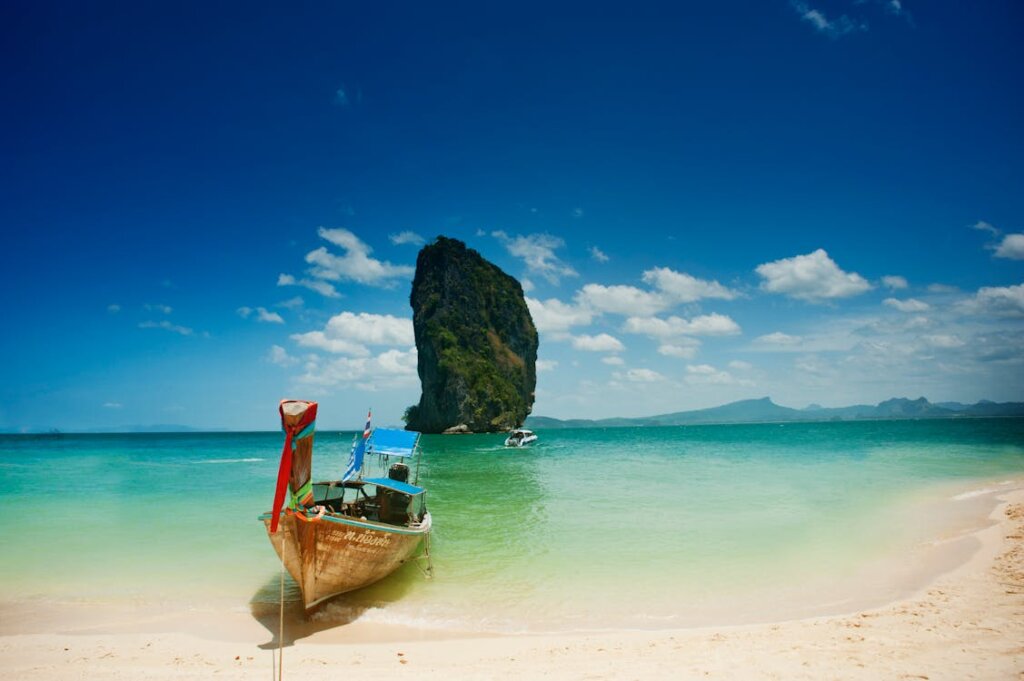
The limestone karst formations of El Nido aren’t just beautiful to look at — many of them have natural ledges, platforms, and rock faces that make for thrilling cliff jumps into crystal-clear water below. Cliff diving is one of El Nido’s most exhilarating off-menu activities, but it demands respect: water depth verification, awareness of hidden rocks, and knowing which spots are genuinely safe. This 2026 guide covers the best locations, how to access them, and how to do it safely.
Quick Safety Rules — Read Before Any Jump
- Always check depth first — jump in feet-first from the lowest available ledge to verify clearance before attempting higher drops
- Scout for submerged rocks — crystal-clear water makes depth look shallower than it is, but also reveals hazards if you look carefully from the surface
- Never dive head-first at unfamiliar spots — feet-first jumps are significantly safer at new locations
- Don’t jump alone — always have someone in the water as a spotter and someone on the ledge as lookout
- Swell awareness — ocean swell can surge water levels at open-water cliff spots by 1–2m in minutes; don’t jump if swell is running
- Alcohol and cliff diving don’t mix — save the San Miguel for after
Best Cliff Jumping Spots in El Nido
1. Helicopter Island (Dilumacad) — 4–6m ledge
Access: Tour C stop | Height: 4–6m | Difficulty: Beginner–Intermediate
The western end of Helicopter Island has a natural rock ledge at 4–6m above a deep, clear channel. Water depth is 8–12m with no submerged hazards — one of El Nido’s most reliable and safest jump spots. The landing zone is clearly visible from the ledge. Ask your Tour C bangka to drop you here for 20 minutes before the main snorkelling stop. Popular with guides and local boat crew who jump here regularly.
2. Shimizu Island — 5–8m platform
Access: Tour C stop | Height: 5–8m | Difficulty: Intermediate
A flat limestone shelf on the eastern face of Shimizu drops into the deep blue channel used for snorkelling — 15–20m depth below. The jump is clean with no overhang complications. The visual drama of jumping into that impossibly blue water makes for spectacular photos. Post someone in the water with a mask to verify the landing zone is clear of other swimmers before each jump.
3. Matinloc Island — 8–10m sea cave entry
Access: Tour D stop | Height: 8–10m | Difficulty: Advanced
Tour D passes a sea cave on Matinloc with a high natural platform accessible by scrambling up wet limestone. The jump is into a sheltered cove with 10–15m depth. This is an advanced spot — the scramble up is exposed, the height is significant, and the landing zone requires careful depth verification on arrival. Not recommended if swell is present. Local guides know this spot; ask your Tour D captain.
4. Pinagbuyutan Island — 3–4m beginner ledge
Access: Tour B stop | Height: 3–4m | Difficulty: Beginner
A low, accessible ledge at one end of the beach makes this El Nido’s best entry-level jump — enough height to get the adrenaline going, shallow enough not to be intimidating. Water depth 6–8m, sandy bottom clearly visible. Perfect for first-timers or those jumping with children (who must be confident swimmers).
5. Las Cabañas Headland — 6–7m
Access: Walk from Las Cabañas Beach | Height: 6–7m | Difficulty: Intermediate
The rocky headland separating the two Las Cabañas bays has a 6–7m jumping ledge that locals use regularly. Walk around the rocks from the main beach at low tide. Depth below is 8–10m; the landing zone is a clear channel. Best jumped at mid-tide — too shallow at low tide, surge can be an issue at high tide when swell is running.
What to Wear & Bring
- Rash guard or swimsuit (no loose clothing — it creates painful drag on water impact)
- Reef shoes for approaching rocky ledges (remove before jumping)
- Waterproof camera or GoPro mount for jump footage
- No jewellery — rings and watches can cause injury on impact
Finding Local Guides
Most bangka captains and experienced local guides know the safe cliff jumping spots on their routes. Ask directly when booking your tour — phrase it as “are there any good cliff jumping spots on this tour?” rather than asking for a specific location. Guides appreciate being consulted rather than having tourists jump from unknown spots independently.
For the full island-hopping tour context see our island hopping guide. For water safety context see our swimming spots guide. Packing a GoPro? See our photography tips for waterproof camera settings. The Philippine Red Cross recommends all open-water swimmers carry a personal flotation device when jumping at remote locations.