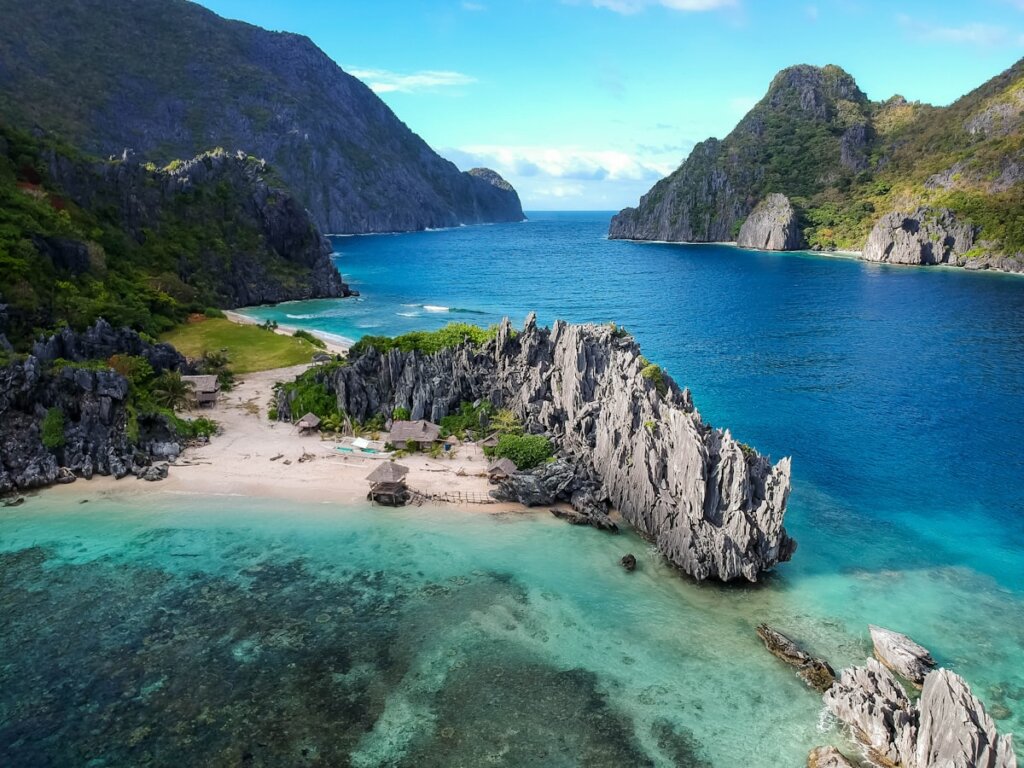

El Nido is more often pictured as a honeymoon spot than a boardroom, yet its scenery makes it a compelling setting for team offsites. This guide focuses on corporate retreats and team-building trips specifically for HR leads and managers organizing groups of roughly ten to forty people, not solo travelers. We cover venue choice, a sample agenda, logistics, budgeting, safety and sustainability, so you can run a productive trip without surprises.
Why Hold a Team Retreat in El Nido
Shared novelty builds bonds faster than a conference room. Kayaking through a lagoon, cooking dinner together or watching the sun set over limestone cliffs gives teams stories to refer back to for months. Being away from daily routines also makes reflective sessions on strategy and culture easier.
El Nido also offers a compact setting. Most activities, restaurants and accommodation options sit within a short distance of each other, which limits transit time. Compared with sprawling destinations, that means more hours for actual programming. If you are still weighing Palawan against other beach options, our El Nido vs Coron comparison is a helpful starting point.
Be realistic about downsides too. Remote location, limited meeting infrastructure and weather-dependent boat schedules mean a retreat here needs more planning than one in a big city. The rest of this guide shows how to manage those trade-offs.
Team size, seniority mix and remote-work patterns also shape the value of an offsite. Distributed teams gain the most, because in-person time is rare and precious.
Choosing the Right Venue and Accommodation
Start with group size and purpose. Small leadership offsites of ten to fifteen people fit boutique hotels or a private resort wing. Larger groups may need to split across several properties or book a resort with a function space. Our guide on how to choose a boutique resort covers the checks worth making, and the guesthouse vs resort guide helps you decide between styles.
Meeting Space Checklist
Ask about room capacity, projector or screen availability, power outlets, air conditioning, backup power and internet reliability. Connectivity in remote areas can be inconsistent, so plan sessions that do not depend on constant streaming. Ask whether the venue can provide flipcharts, whiteboards and quiet breakout areas.
Contracts and Deposits
Group bookings usually involve deposits and stricter cancellation terms. Read the conditions carefully and consult our notes on deposit and refund policies before signing. Ask what happens if weather cancels boat activities.
Visit shortlisted venues virtually or send a coordinator ahead if the budget allows. Photos rarely show noise from neighboring rooms, walking distances between buildings or how the meeting room feels at midday. Ask for references from other corporate groups, and check whether the staff have handled events of your size before.
Sample Three-Day Agenda
A balanced retreat mixes work sessions with recovery and fun. The table below shows one possible structure. Adjust it to your team’s goals, energy levels and the weather forecast, and leave room for flexibility.
Morning is usually best for focused sessions, when people are fresh and temperatures are lower. Reserve afternoons for outdoor activities, then hold relaxed dinners where informal conversation happens naturally. Avoid scheduling important decisions right after a long boat day, when people are tired and sun-weary.
If you want an island-hopping day as the centerpiece, decide between a shared route and a private boat. Our comparison of island hopping vs a private charter explains the trade-offs, and private boats generally suit groups that want to keep the whole team together.
Prepare a wet-weather variant of each day, such as indoor workshops, a cooking class or an extended strategy session, so a cancelled boat trip does not derail the plan.
| Day | Morning | Afternoon / Evening |
|---|---|---|
| Day 1 | Travel and check-in, welcome briefing | Beach walk, informal dinner and icebreaker |
| Day 2 (work) | Strategy session and breakouts | Kayak or snorkel activity, sunset debrief |
| Day 3 (island day) | Island-hopping departure | Lunch on the beach, reflection circle |
| Day 4 (wrap-up) | Action-item review, feedback survey | Departure transfers |
Team-Building Activities That Work Well Here
Water-based activities suit El Nido best. Group kayaking, paddle boarding and snorkeling encourage cooperation and gentle challenge. Beach cleanups combine service and bonding, and cooking sessions with local ingredients let teams collaborate over food.
Consider low-key options for less active colleagues, such as walking tours, sunset gatherings, storytelling evenings or a simple beach picnic. A good retreat gives everyone a way to participate, regardless of fitness or swimming ability. Ask about life jackets for all water activities and check that guides are experienced with groups.
Mix structured and unstructured time. Rigid agendas create fatigue, while empty schedules can leave people isolated. A rule of thumb is one anchor activity each day, plus optional add-ons that colleagues can join or skip.
Include a short session on communication and trust before adventurous activities, and end each day with a five-minute reflection so the fun connects to your goals. Choose activities that are inclusive for different ages, abilities and comfort levels, and offer a quiet alternative for anyone who prefers not to be on the water. Keep group sizes per boat or guide small enough for good supervision.
Logistics: Flights, Transfers and Timing
Most groups fly into Lio Airport or travel overland from Puerto Princesa. Read our airport comparison to decide which fits your budget and timing. Book flights early and confirm baggage allowances, especially if you bring presentation equipment.
On the ground, arrange group transfers ahead of time. Our getting around guide outlines vans, tricycles and rentals. Build buffers into the schedule, because flights and boat trips can shift with weather. Avoid planning an important client meeting on the day you fly home.
Timing matters as well. Peak months bring higher prices and crowds, while shoulder periods bring better deals but more weather risk. Our ber months guide explains how the season builds, and forecasts from PAGASA help you decide when to lock in dates.
Send a clear pre-trip brief covering dates, meeting points, dress code, what to pack, emergency contacts and expected costs. Collect passport or ID details in advance where needed for flights, and remind participants to carry some cash for small purchases and tips, since ATMs can be limited in a small town.
Budgeting for a Group Trip
Build a budget with clear categories: transport, accommodation, meals, activities, meeting costs, insurance, tips and a contingency. A contingency of around ten percent is a reasonable buffer for price changes and unexpected needs.
Ask suppliers for group rates, package deals and inclusions. Compare quotes on a like-for-like basis, including taxes and service charges. Be careful with cheap options that exclude items such as life jackets, lunch or environmental fees.
Decide early who pays for what. Some companies cover everything, others cover accommodation and activities while staff pay for extras. Clear communication avoids awkward moments later. Keep receipts organized for finance, and confirm whether suppliers can issue documents that meet your accounting requirements.
Agree on a single decision-maker for changes on the day, because weather or delays may require quick choices. Keep a shared checklist for vendor confirmations, and reconfirm every booking a week before departure and again the day before. Small teams often forget to confirm meals, so brief the kitchen on group size, dietary needs and timing. A local coordinator or reliable operator can absorb many of these details and is often worth the modest extra cost.
Safety, Sustainability and Follow-Through
Duty of care matters. Review medical needs, allergies and swimming ability across the group, and share an emergency plan with a designated contact. Confirm that boat operators are licensed and that life jackets are provided. Group travel insurance that covers medical care and trip disruption is a sensible precaution.
Sustainability is part of good planning. Protected areas across Palawan are managed with guidance from agencies like the DENR, and the Department of Tourism publishes visitor information. Set expectations early: reusable bottles, reef-safe sunscreen, no touching corals and no littering. Our sustainable eco tourism guide offers more ideas, and a small group service activity can turn a retreat into a positive local contribution.
Finally, pack for the trip. Our boat tour packing guide gives a list you can share with the team ahead of departure.
After the Retreat
The trip only pays off if lessons continue afterward. Capture decisions and action items before people leave, assign owners and set a follow-up meeting within two weeks. Share photos and a short summary so absent colleagues can feel included.
Collect feedback with a short survey covering venue, activities, food, pacing and personal takeaways. Use it to improve next year’s event. Thank local partners publicly and leave positive reviews, since small businesses in destinations like El Nido benefit greatly from visible appreciation.
With clear goals, realistic logistics and respect for the environment, a team retreat in El Nido can become one of the most memorable investments your company makes in its people.
Frequently Asked Questions
How far ahead should I book a group retreat?
For peak months, book venues, flights and boats several months ahead. Shoulder periods allow shorter lead times, but confirm cancellation terms.
Is internet reliable enough for meetings?
It can be inconsistent, so ask venues for tested speeds and plan sessions that do not rely on continuous video streaming.
What group size works best?
Groups of about ten to forty are manageable. Larger groups may need to split across properties and charter multiple boats.
What if weather cancels the boat day?
Build a backup plan such as a beach session, a cooking workshop or a shifted schedule, and check refund terms with the operator.
Do we need special permits?
Fees apply for protected areas and operators handle most of them. Confirm what is included in the quote.