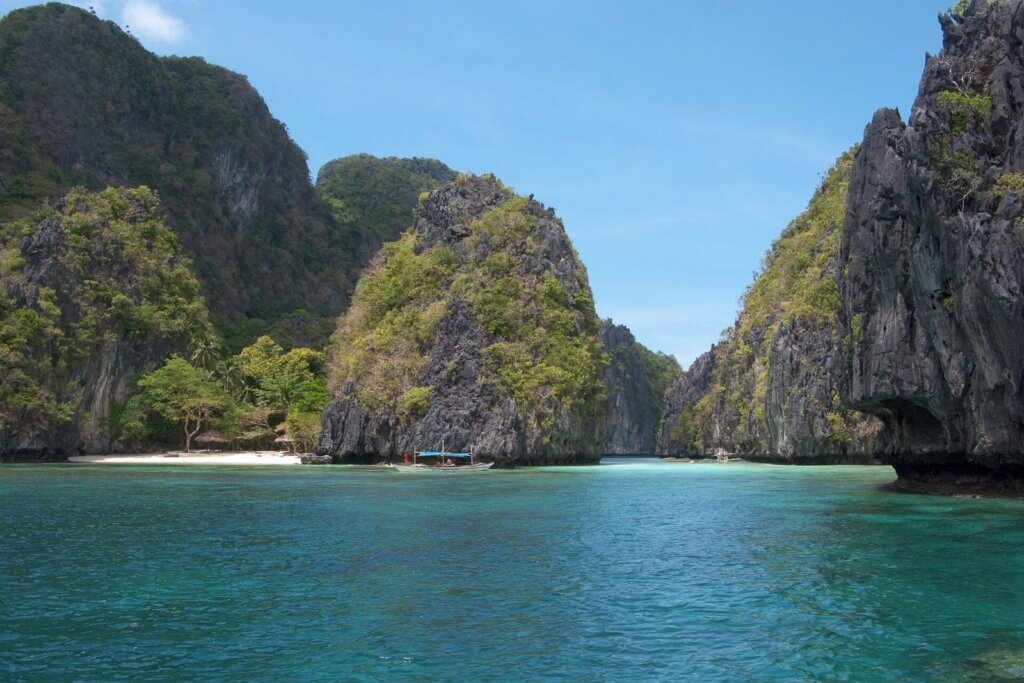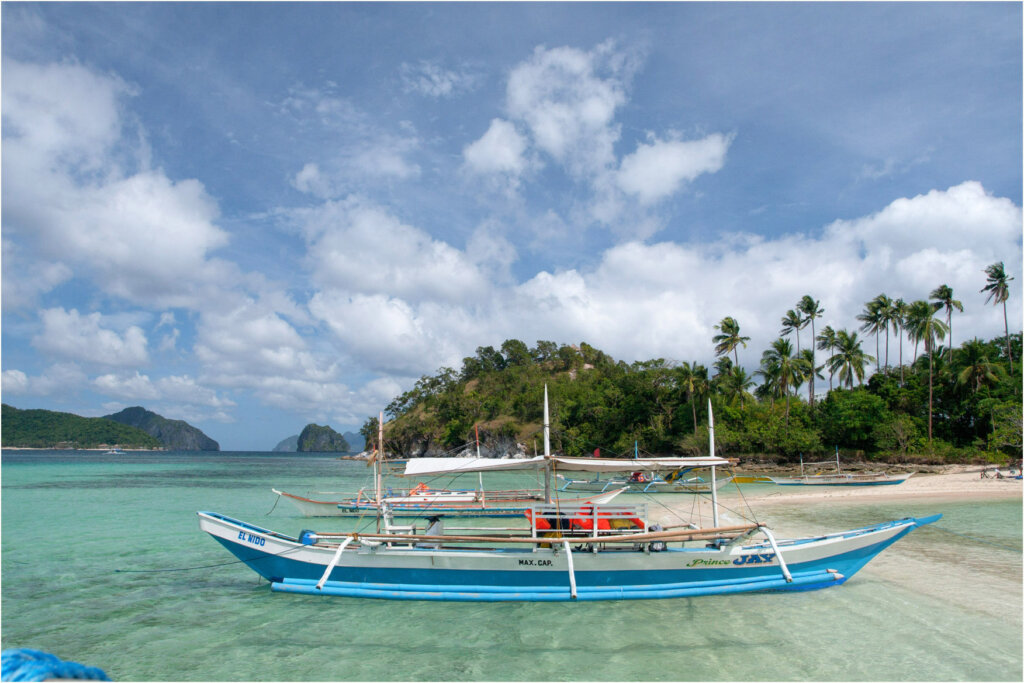

El Nido, Palawan is one of the most beautiful places in the world to learn to scuba dive. Imagine completing your open water certification while exploring colorful coral reefs, swimming alongside sea turtles, and discovering underwater caves beneath the famous limestone cliffs. This 2026 guide covers everything you need to know about getting your diving certification in El Nido.
- Why Get Certified in El Nido?
- Types of Diving Courses Available in El Nido
- Top Dive Schools in El Nido 2026
- Best Dive Sites for Open Water Training
- What to Expect During Your Open Water Course
- Course Costs: El Nido vs Other Destinations
- Best Time to Learn to Dive in El Nido
- Medical Requirements & Health Considerations
- Tips for Getting the Most from Your Certification
- Frequently Asked Questions
- Final Thoughts
Why Get Certified in El Nido?
El Nido offers a combination of factors that make it ideal for new divers:
- Calm, clear waters — visibility often exceeds 15 meters in the dry season
- Warm water year-round — typically 27–30°C, no drysuit required
- Abundant marine life — sea turtles, reef sharks, giant clams, colorful reef fish
- Scenic dive sites — underwater caves, dramatic drop-offs, and pristine coral gardens
- Competitive prices — certification costs significantly less than in Europe, Australia, or North America
- Multiple certified dive schools — PADI and SSI instructors with good safety records
Types of Diving Courses Available in El Nido
Discover Scuba Diving (Try Dive / Introductory Dive)
Not ready to commit to full certification? A Discover Scuba Diving session lets you try diving for the first time under close instructor supervision. There’s no certification at the end — this is purely an experience dive.
- Duration: Half day (2–3 hours including briefing)
- Depth: Maximum 12 meters
- Price: ₱2,500–₱4,000 per person
- Requirements: None (minimum age 10 years)
PADI Open Water Diver (OWD)
The world’s most popular diving certification. PADI Open Water Diver qualifies you to dive independently to 18 meters depth anywhere in the world. It’s the gold standard for beginner certification.
- Duration: 3–4 days
- Format: Online theory (eLearning) + pool session + 4 open water dives
- Depth: Certified to 18 meters
- Price: ₱18,000–₱25,000 in El Nido
- Requirements: Swimming ability, basic fitness (no advanced swimming required), minimum age 15 (Junior OWD from age 10)
SSI Open Water Diver
SSI (Scuba Schools International) is the main alternative to PADI. The Open Water certification is equivalent in terms of dive access — your SSI card is recognized worldwide. Some divers prefer SSI for its digital-first approach and unlimited eLearning access.
- Duration: 3–4 days
- Price: ₱17,000–₱24,000
- Requirements: Same as PADI
PADI Advanced Open Water Diver (AOWD)
Already certified? The AOWD course expands your skills with 5 adventure dives including deep diving (to 30m) and underwater navigation. Many El Nido’s best dive sites require an AOWD certification.
- Duration: 2 days
- Price: ₱12,000–₱18,000
- Requirements: Open Water Diver certification
PADI Rescue Diver
A challenging and deeply rewarding course that focuses on problem-solving and rescue skills. Required before pursuing the Divemaster course.
- Duration: 3–4 days
- Price: ₱15,000–₱22,000
- Requirements: AOWD + Emergency First Response (EFR) certification
Top Dive Schools in El Nido 2026
El Nido has a growing dive industry with several reputable operators. When choosing a dive school, look for:
- Current PADI or SSI affiliation (check the certification agency’s website)
- Small student-to-instructor ratios (maximum 4:1 for OWD)
- Well-maintained equipment
- Good safety record and emergency oxygen onboard
- Experienced local instructors who know the dive sites
Dive schools in El Nido are concentrated on the main strip (Calle Hama) and along the beach in Corong-Corong. Visit 2–3 shops and ask to see their equipment before committing. The cheapest option isn’t always the safest.
Best Dive Sites for Open Water Training
Helicopter Island
A gentle, shallow site with vibrant coral gardens and plenty of marine life. Perfect for confidence-building open water dives with minimal current.
Dimakya Coral Garden
A sheltered, calm site near the cliffs — ideal for skills practice and navigation exercises during certification dives.
Miniloc Drop-Off
A stunning wall dive often used for advanced open water training. The wall descends to over 40 meters with sea fans, moray eels, and schools of fusiliers.
Twin Rocks
A classic El Nido dive site with two large rocks covered in corals. Good visibility, frequent sea turtle sightings, and sheltered from current — great for student divers.
What to Expect During Your Open Water Course
Day 1: Theory & Pool
You’ll complete your knowledge reviews (either through PADI eLearning before arriving, or in-class with your instructor). The afternoon focuses on confined water skills — clearing your mask, controlled breathing, buoyancy basics, and emergency procedures — in a pool or very shallow, calm water.
Days 2–3: Open Water Dives
Four open water dives spread over 2 days. Your instructor will guide you through skills demonstrations and sign off each one as you demonstrate competency. You’ll also get to explore the reef and enjoy actual diving between skills.
Day 4 (or End of Day 3): Certification
After completing all requirements, your instructor processes your certification online. Your PADI or SSI card is issued digitally immediately and a physical card can be mailed to your home address.
Course Costs: El Nido vs Other Destinations
| Location | PADI OWD Price (approx.) |
|---|---|
| El Nido, Philippines | ₱18,000–₱25,000 (USD 320–440) |
| Koh Tao, Thailand | USD 350–450 |
| Bali, Indonesia | USD 400–500 |
| Australia (Great Barrier Reef) | AUD 700–1,200 |
| UK / Europe | EUR 400–700 |
El Nido is competitively priced for Southeast Asia while offering some of the most beautiful dive conditions in the region.
Best Time to Learn to Dive in El Nido
The dry season (November to April) offers the best conditions for certification. Visibility is highest in January and February, with flat seas and calm winds. If you’re planning a January trip, this is prime diving time.
The wet season (June to October) still allows diving, but seas can be rough and visibility reduced. Some dive schools pause operations during typhoon warnings. If you’re visiting in July or August, confirm availability with dive shops before booking.
Medical Requirements & Health Considerations
You’ll need to complete a medical questionnaire before your first dive. Most healthy adults can dive, but the following conditions require medical clearance from a dive physician:
- Asthma or other respiratory conditions
- Heart conditions or recent cardiac procedures
- Epilepsy or seizures
- Ear or sinus problems
- Pregnancy
- Diabetes (type 1 requires special consideration)
Note: Flying within 18 hours of diving increases the risk of decompression sickness. Plan your departure at least 18 hours after your last dive.
Tips for Getting the Most from Your Certification
- Complete PADI eLearning before arriving — saves 4–6 hours of in-class time and lets you dive sooner
- Don’t rush — if you’re not comfortable, tell your instructor. You can always repeat a skill
- Equalize early and often — ear discomfort from pressure is the #1 issue for new divers. Equalize every meter during descent
- Breathe slowly — new divers use air 2–3x faster than experienced divers. Relaxed breathing extends bottom time
- Log your dives — the PADI app or a paper logbook lets you build your dive history. After 50 logged dives, many liveaboards and advanced sites open up
Frequently Asked Questions
Do I need to know how to swim to get certified?
You need to be able to swim 200 meters (no time limit, any stroke) and float/tread water for 10 minutes. You don’t need to be an expert swimmer — basic comfort in the water is sufficient.
Is PADI better than SSI?
Both certifications are globally recognized and accepted at virtually all dive sites worldwide. PADI is more common and has the largest network of affiliated dive shops. SSI’s digital platform is excellent. Choose based on which local instructor you feel most comfortable with.
How long does certification last?
Your PADI or SSI Open Water certification never expires. However, if you haven’t dived in 2+ years, most dive operators recommend a Scuba Review (refresher session) before starting a new dive trip.
Can I do my theory at home and just do the dives in El Nido?
Yes! PADI eLearning and SSI Digital Learning allow you to complete all theory and knowledge reviews online before your trip. When you arrive in El Nido, you go straight to confined water and open water dives, cutting 1–2 days from your course. This is highly recommended if you have limited time.
Final Thoughts
Getting your diving certification in El Nido is an unforgettable experience. The combination of warm, clear water, stunning scenery, and competitive prices makes it one of the best places in the world to take the plunge. Once certified, El Nido’s dive sites — and the wider Philippines — open up to you in a completely new dimension.
Ready to plan your diving trip? Read our guide to the best time to visit El Nido and browse accommodation options near the dive schools. See you underwater!