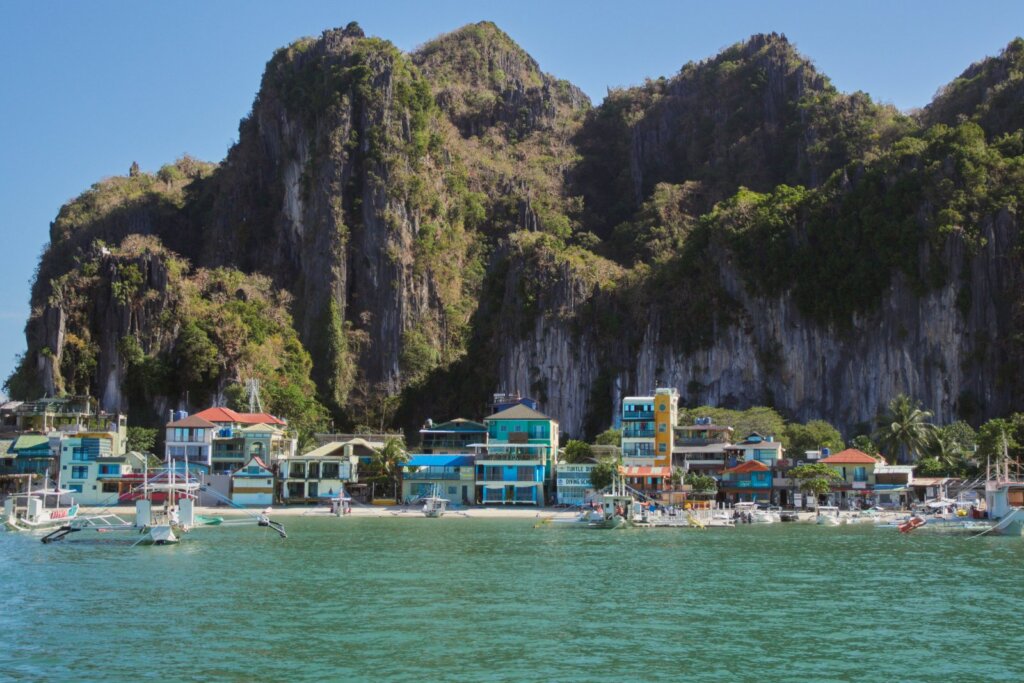

Many travellers fall in love with El Nido’s people as much as its lagoons, and it is natural to want to give something back. Yet well-meaning donations can sometimes create problems: suitcases of unwanted clothes, sweets handed to children, or visits to institutions that should not be tourist attractions. This guide focuses on donating responsibly specifically for travellers who want to bring items or give money during a short holiday — not on longer volunteering placements, which are covered in our El Nido volunteering guide.
Our unique angle is a simple “give / don’t give” framework, backed by child-protection and sustainable-tourism principles, so your generosity actually helps the people and places you came to enjoy.
Why Responsible Giving Matters in El Nido
El Nido has grown quickly from a fishing town into one of the Philippines’ best-known destinations. Tourism has brought jobs and income, but it has also widened gaps between those working in the industry and families in more remote barangays. Visitors who want to help are valuable, but donations work best when they respond to real local needs, are delivered through trusted channels and do not create dependency.
Poorly planned giving can undermine local businesses, encourage children to skip school, or leave communities with items they cannot use or dispose of. In a protected area with limited waste management, unwanted donations can even end up as rubbish. That is why the guiding principle is simple: ask first, give through institutions, and keep children’s dignity at the centre.
What to Give vs What to Avoid
The table below summarises common donation ideas and whether they tend to help. Always confirm needs with the receiving school or group before you travel.
| Donation idea | Usually helpful? | Why | Better approach |
|---|---|---|---|
| School supplies (notebooks, pencils, crayons) | Yes | Lightweight, used daily, often in short supply | Give via the school, not to individual children |
| Reading books in English or Filipino | Yes | Supports literacy and libraries | Choose age-appropriate titles in good condition |
| Basic first-aid supplies | Often | Useful for schools and barangay health stations | Check expiry dates and ask what is needed |
| Sweets and snacks for children | No | Dental health risks and encourages begging | Support school feeding through staff |
| Cash handed to children | No | Can keep children out of school | Donate to a school fund or community group |
| Bags of used clothing | Rarely | Often unsuitable and hard to dispose of | Only if a group specifically requests it |
| Orphanage visits with gifts | No | Harms children and fuels unethical institutions | Support family-based programmes |
The Problem With Giving Directly to Children
On beaches and in town, you may meet children selling shells or asking for money. It is tempting to hand over a few pesos or a snack, but child-protection experts consistently advise against it. When giving to children is profitable, families can come to rely on it, and children spend more time on the street and less time in school.
Organisations such as the Better Care Network also warn against “orphanage tourism”, where visitors drop by residential care centres to play with children or hand out gifts. Short, repeated visits by strangers can harm children’s emotional development and, in the worst cases, create incentives to keep children in institutional care. If you want to support children, choose programmes that strengthen families and schools instead.
How to Give Through Schools and Community Groups
Giving through established channels ensures items go where they are needed and are distributed fairly. A practical process looks like this:
- Ask your accommodation. Many guesthouses and resorts have ties to a nearby public school or barangay and can tell you what is needed.
- Contact the school or barangay office. Public schools in the Philippines fall under the Department of Education (DepEd). Reach out to the school head before you travel to confirm needs and a convenient time to drop off.
- Pack light and targeted. A few kilograms of the right supplies are better than a large bag of random items.
- Hand over to staff. Give donations to teachers or officials rather than to individual children, and avoid staged photos with children.
- Consider buying locally. Purchasing supplies in El Nido or Puerto Princesa supports local shops and reduces your luggage.
Initiatives like Pack for a Purpose show how travellers can use spare luggage space for items requested by community projects. Even if your accommodation is not part of such a scheme, the principle of “requested items only” is worth following.
A sample donation packing list
If a school confirms it would welcome supplies, a compact kit that fits in a day pack might include: a dozen plain or lined notebooks, two boxes of pencils with erasers and sharpeners, a few sets of crayons or coloured pencils, rulers, a handful of age-appropriate picture books, and a small first-aid pouch with plasters, antiseptic wipes and gauze. Avoid items that need batteries, electricity or ongoing maintenance, and skip anything with heavy packaging that will become waste. Remove plastic wrappers before you travel where possible, and take any leftover packaging away with you rather than leaving it at the school.
If you are travelling with children of your own, involving them in choosing and packing supplies can be a meaningful way to talk about different lives and the value of education — just keep the focus on respect rather than charity.
Why Cash and Local Spending Often Help More
It can feel less personal, but money given to a trusted local group is often more useful than physical goods. It lets communities buy exactly what they need, supports local suppliers and avoids shipping and waste. When you donate money, ask how it will be used and whether receipts or updates are available.
Your everyday spending is also a form of giving. Choosing locally owned guesthouses, carinderias (small eateries), tricycle drivers, boat crews and guides keeps money circulating in the community. Paying the environmental fee supports conservation; our guide to the El Nido eco-tourism fee explains what it funds. Buying handicrafts directly from makers is another simple, dignified way to support families.
Questions to ask before donating money
- Is the group registered locally, or connected to a school, parish or barangay office?
- Who decides how the money is spent, and can they tell you what it will buy?
- Will you receive a receipt or a short update afterwards?
- Does the group work with families and communities rather than housing children in institutions?
Clear, open answers to these questions are a good sign. If a request feels pressured, secretive or emotional rather than practical, it is fine to say no politely and give elsewhere.
Giving Back to the Environment
El Nido’s reefs, lagoons and forests support fishing families and the tourism economy alike. Protecting them is a meaningful way to give back. Join a beach clean-up organised by your accommodation or a local group, refuse single-use plastics and refill your water bottle. Our zero-waste travel guide lists practical ways to cut waste during your stay.
The Palawan Council for Sustainable Development oversees environmental planning in the province, and following local rules — not touching coral, not feeding fish, and respecting protected areas — helps sustain the ecosystems communities depend on.
Small habits that make a difference
- Use reef-safe sunscreen and wear a rash guard to reduce sunscreen use.
- Take your rubbish back from island tours, including cigarette butts and wrappers.
- Choose tours with responsible operators who brief guests on reef etiquette.
- Leave shells, sand and coral where you find them.
Supporting local livelihoods after you leave
Your support does not have to end when you fly home. Leaving honest, detailed reviews for small local businesses, guides and boat crews helps them attract future guests. Recommending a family-run guesthouse to friends, or following and sharing the work of a local community group, can bring longer-lasting benefits than a single donation. If you built a relationship with a school during your visit, ask whether occasional support would be helpful and how best to send it — and respect the answer if they say they are fine.
Respect, Dignity and Photography
Giving is most meaningful when it treats people as partners rather than recipients. Avoid photographing children receiving gifts or posting images that portray communities as needy. Ask before taking photos of people, especially in homes, schools and villages. Learning a few words of Filipino — “salamat po” for “thank you” — and taking an interest in local culture also show respect.
If you want a deeper connection, look for experiences run by local people, such as community-based tours, cooking with a family, or visiting a local market with a guide. These activities share income directly and create genuine cultural exchange. Our guide to quiet, low-impact travel in El Nido includes ideas for slower, more personal experiences.
Frequently Asked Questions
Is it okay to give money or sweets to children in El Nido?
It is best not to. Giving money or sweets directly to children can encourage them to miss school to ask tourists for handouts, and sweets add to dental problems where dental care is limited. Support schools or community groups instead.
What items are most useful to donate in El Nido?
Practical school supplies such as notebooks, pencils, crayons and rulers are commonly useful, as are basic first-aid items and good-quality reading books in English or Filipino. Always check with the receiving school or group first, because needs change.
Can I visit an orphanage in El Nido to donate?
Child-protection organisations strongly discourage orphanage visits and volunteering as a tourist activity, because short-term visits can harm children and fuel unethical institutions. Donate to family-based or community programmes instead.
How do I donate to a school in El Nido?
Ask your accommodation whether they have a relationship with a local public school, then contact the school head or barangay office before you arrive. Hand over donations to staff rather than to individual children, and ask what is actually needed.
Is spending money locally a form of giving back?
Yes. Choosing locally owned guesthouses, eateries, guides and boat operators keeps more of your money in the community. Paying the environmental fee and buying local crafts also directly supports livelihoods and conservation.