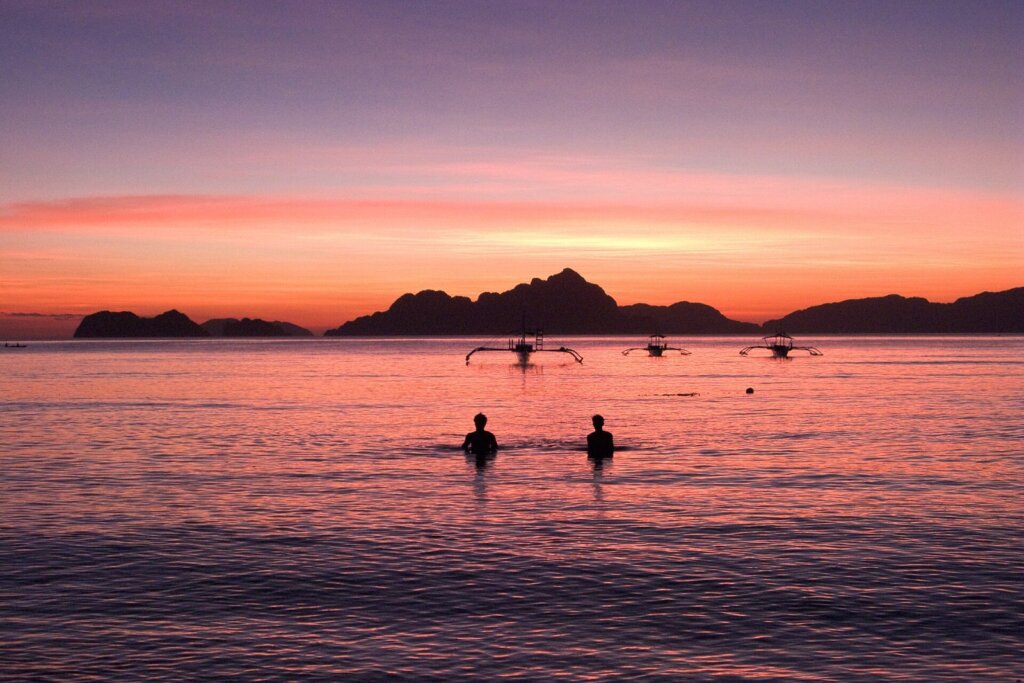

El Nido’s breathtaking beauty comes with a responsibility: the Bacuit Archipelago is one of the Philippines’ most fragile ecosystems, and the surge in tourism has placed real pressure on its coral reefs, beaches, and wildlife. This guide covers how to be a responsible, sustainable traveller in El Nido — and why it matters for the future of one of the world’s most beautiful places.
Why Sustainable Travel Matters in El Nido
El Nido receives hundreds of thousands of tourists per year. The impacts are real:
- Coral damage: Boat anchors, careless snorkelers, and chemical sunscreen have visibly degraded some reef areas compared to a decade ago
- Waste: Single-use plastic bottles and food packaging accumulate on beaches and in the ocean
- Overcrowding: Popular spots like Big Lagoon can host dozens of boats simultaneously, disturbing the ecosystem and diminishing the visitor experience
- Wildlife disturbance: Noise and human presence affect nesting birds, dugongs, and sea turtles that use the archipelago
The good news: individual choices add up. Here’s how to visit El Nido in a way that protects what makes it special.
Eco-Tourism Dos and Don’ts
| Do | Don’t |
|---|---|
| Use reef-safe mineral sunscreen | Use chemical sunscreen (oxybenzone, octinoxate) |
| Bring a reusable water bottle | Buy single-use plastic bottles daily |
| Follow your guide’s instructions | Touch or stand on coral |
| Keep 3m distance from sea turtles | Touch, chase, or swim directly at marine life |
| Take rubbish off the beach | Leave any waste on beaches or in the ocean |
| Book licensed, registered operators | Book unregistered operators who skip rules |
| Pay the eco-tourism fee (₱200) | Try to avoid the fee |
| Eat at local Filipino restaurants | Only eat at tourist-facing international chains |
| Hire local guides and staff | Avoid local businesses entirely |
| Visit in shoulder season | Add to overcrowding during peak weeks |
Reef-Safe Sunscreen: The Most Important Change You Can Make
Chemical sunscreen ingredients — particularly oxybenzone and octinoxate — have been shown to cause coral bleaching, deformities in juvenile fish, and algal blooms. El Nido’s reefs are a designated marine reserve, and chemical sunscreens are contributing to their degradation.
What to use instead: Mineral sunscreens with zinc oxide or titanium dioxide as the only UV filters. These sit on the skin’s surface rather than absorbing in, and are not toxic to coral. Brands like Badger, Raw Elements, Stream2Sea, and All Good are widely available.
Tip: Bring enough from home — reef-safe options are limited and expensive in El Nido’s shops. A rash guard covers most of your body and reduces how much sunscreen you need. See our Packing List for recommended quantities.
Plastic Reduction
The Philippines has a significant plastic waste problem, and El Nido is not immune. Plastic bottles and packaging end up in the ocean, on beaches, and entangled in reef systems.
- Bring a reusable water bottle: Refill stations exist in El Nido town (large refillable jugs cost ₱20–₱30 for 5L from water stations). Some accommodation provides filtered water.
- Refuse plastic straws and cutlery: Most restaurants will use bamboo or paper alternatives if you ask
- Bring a reusable bag: For shopping and beach days
- Pack out what you pack in: If you bring snacks to a beach or boat, bring the wrappers home
Marine Life Etiquette
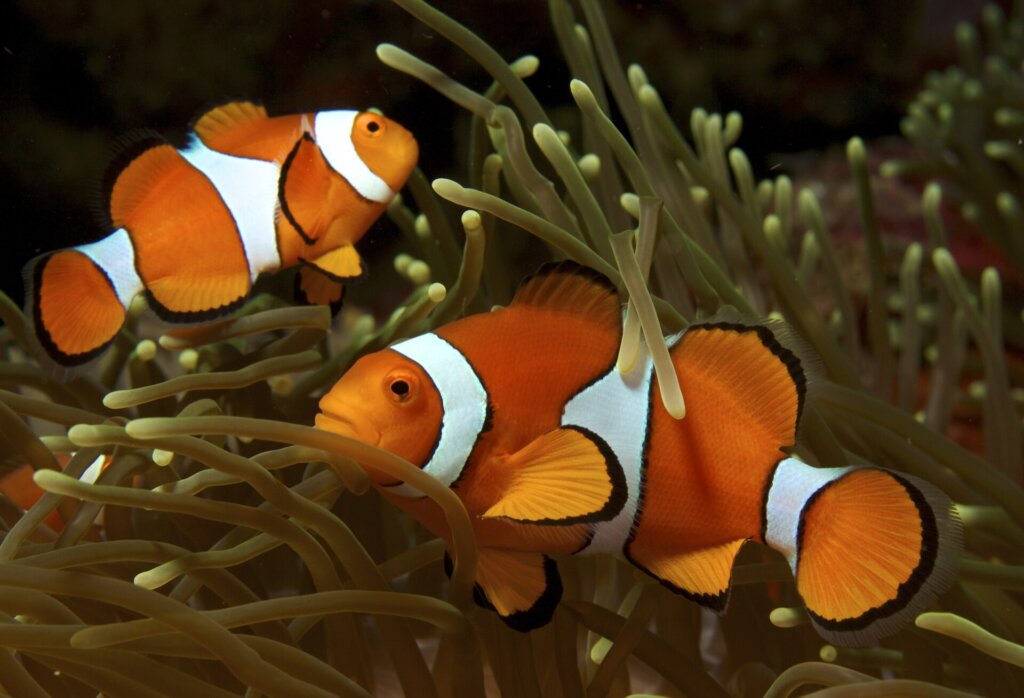
El Nido’s marine reserve hosts sea turtles, blacktip reef sharks, dugongs, eagle rays, and hundreds of fish species. Respectful behaviour protects them and ensures future visitors can experience them too.
- Sea turtles: Keep at least 3 metres distance; never touch, ride, or chase them. A turtle that feels threatened will not return to feed in that area.
- Reef sharks: Blacktip reef sharks at Bulalacao (Tour D) are harmless but can be startled. Approach slowly, don’t splash, and they will swim beside you naturally.
- Coral: Never touch, stand on, or collect coral. It’s alive — even a brief touch transfers oils that can cause infection and death. Keep fins angled up when snorkeling above reef.
- Don’t feed fish: Feeding fish disrupts natural behaviour and can attract species that damage the reef ecosystem.
Supporting the Local Economy
Responsible tourism means ensuring that the economic benefits of your visit flow to local communities, not just large resort chains.
- Eat at Filipino-owned restaurants: Places like El Nido Pensionne, Happiness Kitchen, and the carinderia in the wet market area keep money in local hands
- Buy from local artisans: The weekend market and Art Cafe sell crafts made by local Palaweno artists
- Book local tour operators: Choose locally-owned bangka operators rather than international booking platforms that take large commissions
- Tip generously: Tour guides, drivers, and resort staff earn modest base wages — tips significantly improve their income
- Stay at locally-owned guesthouses: A significant share of the tourism economy in El Nido is still in local hands — keep it that way
El Nido’s Eco-Tourism System
El Nido’s local government has implemented a formal eco-tourism management system:
- Eco-tourism fee: ₱200 per visitor (valid 10 days) funds conservation and beach maintenance
- Daily boat limits: The number of boats permitted per tour area is capped to reduce overcrowding — this is why tours have fixed departure windows
- Anchor-free zones: Boats must use mooring buoys rather than anchors in sensitive reef areas
- Guide requirements: All tour operators must employ licensed El Nido Tourism Office guides
- Coral restoration: Several resorts (including Pangulasian Island Resort) run active coral transplantation programmes
Best Eco-Conscious Choices in El Nido
| Category | Eco-Conscious Choice |
|---|---|
| Accommodation | Lagen Island Resort (wildlife sanctuary, eco-certified), Pangulasian (solar power, coral restoration) |
| Tours | Licensed operators using mooring buoys; guides who enforce no-touch rules |
| Food | Filipino-owned restaurants; fresh local seafood over imported food |
| Transport | E-bike rental in town; walk where possible; share tricycles |
| Shopping | Local crafts over mass-produced souvenirs; avoid items made from shells or coral |
| Timing | Shoulder season (Apr–May, Nov) reduces pressure on peak-season hotspots |
El Nido’s beauty is not guaranteed to last — it depends on the choices of the millions of visitors who pass through each year. Travelling responsibly here is one of the most meaningful things you can do as a tourist. For more on planning a great trip, see our El Nido Travel Tips and Safety Guide.