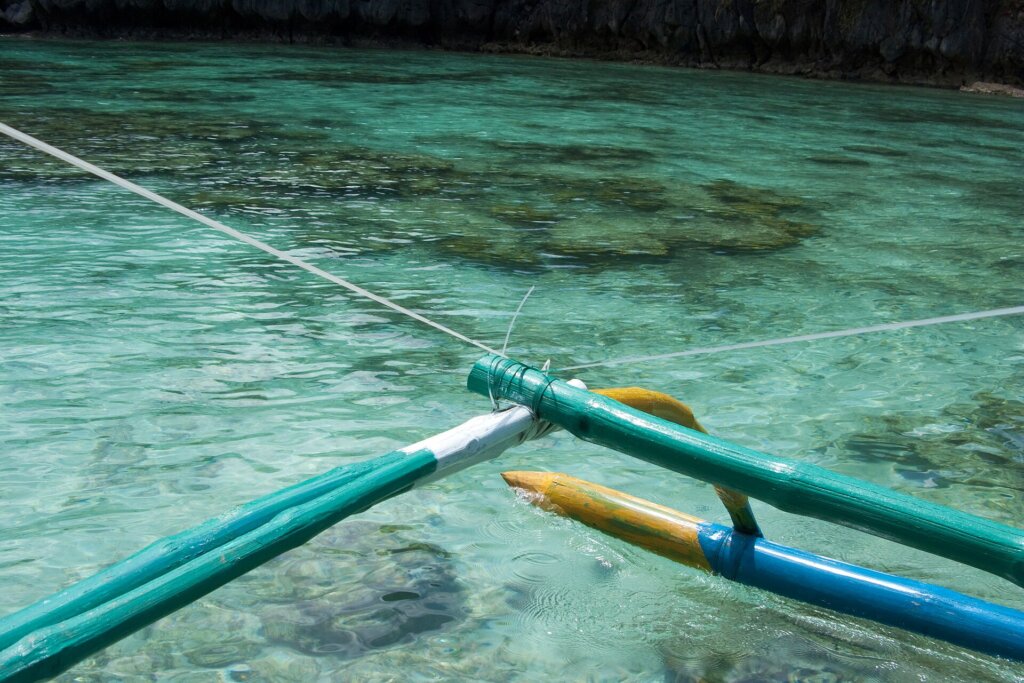
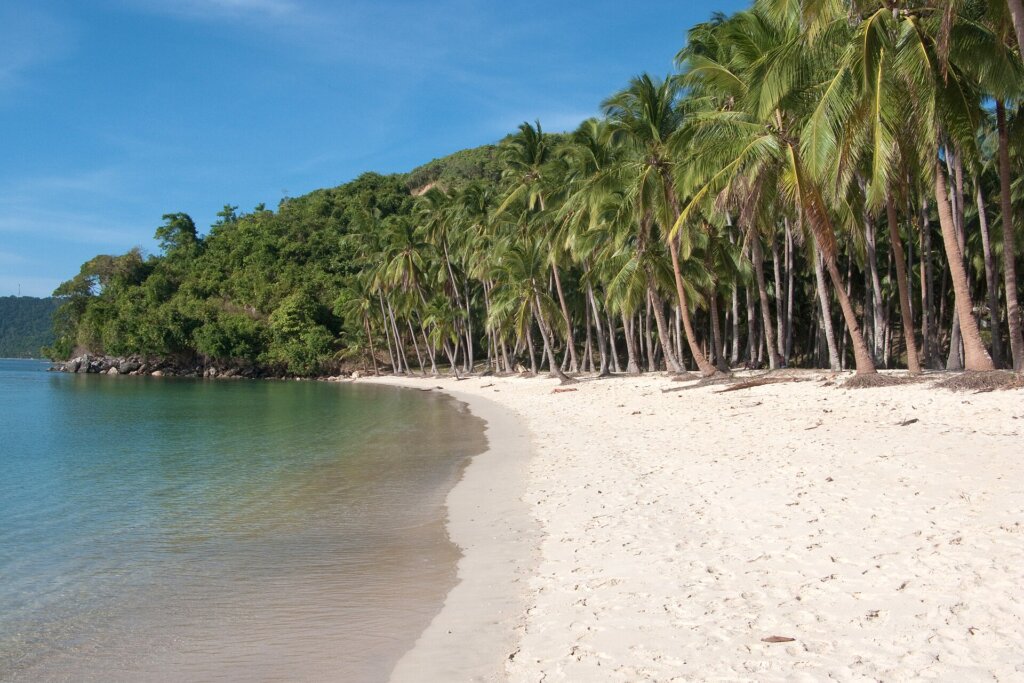
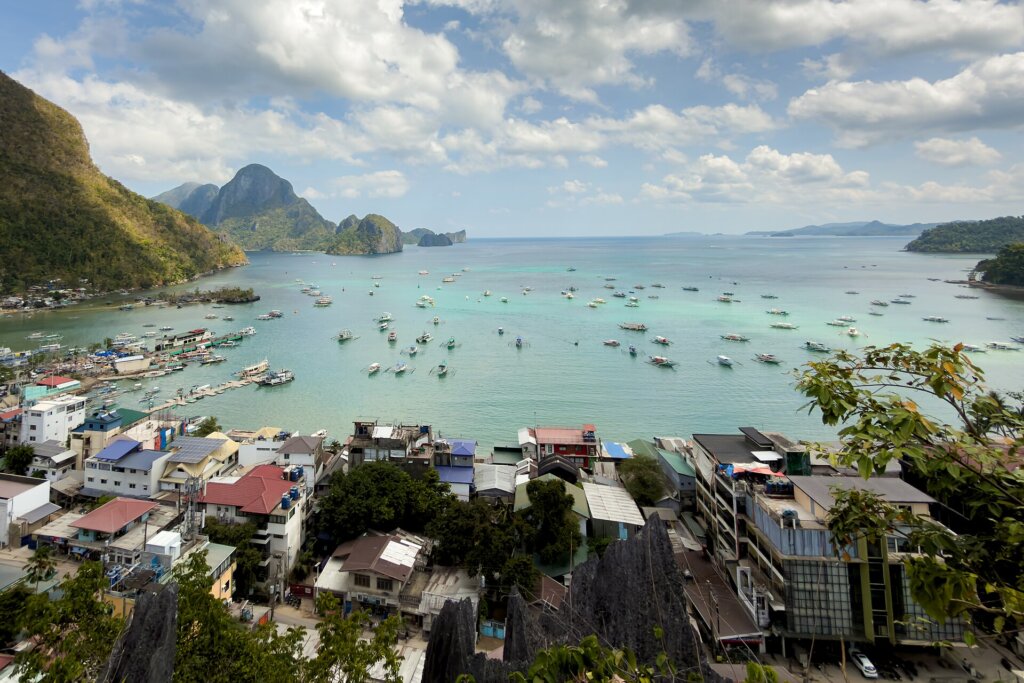
El Nido is often marketed to backpackers and honeymooners, yet a growing number of grandparents, retirees and travellers with limited mobility are quietly enjoying it too. This guide focuses on planning El Nido specifically for older adults and mobility-limited travellers, including the flight in, the hotel choice, boat days and a realistic daily pace.
- Is El Nido Realistic for Older Travelers?
- Getting There Without Exhausting Yourself
- Choosing a Hotel That Works for Your Body
- Island Hopping at a Gentle Pace
- Low-Effort Activities That Still Feel Special
- Eating Well and Keeping a Comfortable Rhythm
- Accessibility Questions to Ask Before You Book
- Common Mistakes to Avoid
- Health, Insurance and Safety
- A Sample Four-Day Senior-Friendly Plan
- Practical Tips From Experienced Travelers
- Frequently Asked Questions
- Final Thoughts
Is El Nido Realistic for Older Travelers?
The honest answer is yes, as long as you choose the right activities. The town centre is small, the sea is calm in the dry season, and the best scenery can be enjoyed from a seat on a boat. What makes El Nido harder is its infrastructure: pavements are narrow, there are few ramps, and many beaches have no pier. Travellers who accept a slower pace and book carefully usually have a wonderful time.
Before committing, speak with your doctor about heat, hydration, medications and any mobility aids. The CDC Travelers’ Health pages offer general advice for older adults and for tropical destinations.
Getting There Without Exhausting Yourself
The journey is often the most tiring part. Flights to El Nido’s own airport are the least strenuous option, because they shorten a trip that otherwise involves hours on the road from Puerto Princesa. Land transfers are possible, but the ride is long and the roads can be winding, so they are best reserved for travellers who tolerate vehicles well. Our guide to getting to El Nido and transportation guide compare each option in detail.
| Option | Comfort for Seniors | Main Drawback |
|---|---|---|
| Direct flight to El Nido | High | Fewer schedules; luggage limits can be tight. |
| Flight to Puerto Princesa then private van | Medium | Long road transfer, with the risk of motion sickness. |
| Shared van from Puerto Princesa | Medium to low | Fixed schedule, tight seating, multiple stops. |
| Public bus or tricycle chains | Low | Cramped, long and hard to adapt to mobility needs. |
Choosing a Hotel That Works for Your Body
Accommodation can make or break the trip. Look for these features when you compare properties:
- Ground-floor or elevator access: many small hotels have steep stairs and no lift.
- Walk-in showers: step-over tubs are uncommon, but some bathrooms have raised thresholds.
- Location close to the centre: a short, flat walk to restaurants and the pier is worth paying for.
- Reliable air conditioning and backup power: outages happen, so ask about generators.
- Quiet rooms: town can be noisy at night, and good sleep matters more as we age.
Email the property before booking and ask directly about steps, handrails and room location. Staff generally respond well to specific questions, and the answers tell you a lot about how prepared they are.
Island Hopping at a Gentle Pace
Island tours are the reason most people visit, and they can be adapted. Rather than the full-day group tour that visits five or six stops, ask for a private boat and tell the operator your limits. A good captain will choose calmer lagoons, shorter swims and beaches with easier landings. Compare formats in our island hopping tour comparison.
Boarding and landing
Boats typically anchor off the beach, so you may walk through shallow water or use a ladder. Bring water shoes with a firm grip, ask crew for a hand, and tell them before you move. Some travellers prefer to stay on board at certain stops and simply enjoy the view while others swim.
Sun, heat and hydration
The tropical sun is relentless, and older skin and bodies handle heat less efficiently. Wear a wide-brimmed hat, long sleeves in UV-protective fabric, and apply reef-safe sunscreen. Drink water regularly even if you do not feel thirsty, and keep an electrolyte sachet handy. Our tap water safety guide explains which water to use.
Choosing a safe season
Sea conditions matter more than you might expect. Calm, dry-season water makes boarding easier and reduces seasickness. Check the national forecast service PAGASA before every boat day and be willing to postpone.
Low-Effort Activities That Still Feel Special
You do not need to climb or swim to enjoy El Nido. Some of the best experiences are passive and scenic:
- Sunset from a beachfront terrace with a cold drink.
- A slow morning in the lagoon on a private boat with stops for photos.
- A massage or spa session after a boat day.
- A relaxed food crawl through town, focused on fresh seafood.
- Birdwatching and mangrove viewing from a seated paddle boat guided by a local.
More ideas for varying energy levels appear in our El Nido activities overview.
Eating Well and Keeping a Comfortable Rhythm
Food is a highlight of any trip, and El Nido’s restaurants make it easy to eat well at a relaxed pace. Fresh grilled fish, rice dishes and fruit are widely available, and most kitchens will adjust spice and salt if you ask. Choose busy restaurants with a good turnover, avoid raw items if your stomach is sensitive, and eat the larger meal at lunch when you have the most energy.
Structure each day around a morning outing and an afternoon rest. The hottest hours, roughly late morning to mid afternoon, are best spent in shade or air conditioning. Evenings are pleasant for a short walk along the waterfront, and an early dinner keeps you from rushing back in the dark over uneven pavement. Small routines like these preserve energy for the experiences that matter.
Accessibility Questions to Ask Before You Book
A short email can save a difficult arrival. Ask whether the room is on the ground floor, how many steps lead from the entrance to the room, and whether there are handrails in the bathroom. Ask whether the property can arrange an airport pickup that waits for you, whether staff can help with luggage, and what the plan is if the power goes out. For boat operators, ask how guests board, whether a step or ladder is used, how long each stop lasts, and whether there are toilets on board. Clear answers suggest a well-run business, while hesitant ones tell you to keep looking.
It also helps to share your itinerary with a family member at home, including the names of hotels and operators. Should anything change, they will know who to call, and you will feel more relaxed knowing a safety net exists.
Common Mistakes to Avoid
Many senior travellers overpack their schedule, trying to match the pace of younger companions. Others assume that every hotel photographed as “beachfront” has easy access, when some require steps or a sandy path. A third mistake is skipping insurance because the trip is short. Finally, some visitors forget that tropical rain can turn paths slippery quickly, so shoes with real grip are essential even for town walks.
Health, Insurance and Safety
El Nido’s healthcare is limited to small clinics, and serious emergencies may involve evacuation by boat, road or air. Buy comprehensive travel insurance that covers pre-existing conditions where possible, medical evacuation and trip interruption. Our travel insurance guide outlines what to look for.
Pack a labelled supply of every prescription, plus copies of prescriptions and a short medical summary in English. Carry medicines in hand luggage, keep them in original packaging, and bring extra days’ worth in case of delays. Consider a compact first-aid kit with blister plasters, rehydration salts, motion sickness tablets approved by your doctor, and insect repellent.
A Sample Four-Day Senior-Friendly Plan
Day 1: Arrive and settle
Fly in, check in, and keep the afternoon light. Walk a short flat stretch of the waterfront, have an early dinner, and rest.
Day 2: Private lagoon morning
Take a half-day private boat with two or three stops. Return before the midday heat peaks and rest in an air-conditioned room.
Day 3: Beach and spa day
Stay close to the hotel. Enjoy a beach lounger, a short swim if comfortable, and an evening massage.
Day 4: Easy cultural stroll and departure
Browse the market, sample local snacks, and allow a generous buffer before your flight. For packing advice, see our packing list.
Practical Tips From Experienced Travelers
Carry small bills for tricycles, bring a lightweight folding cane or seat if you tire easily, and keep your phone charged for emergency calls. Allow longer than you think for every transfer, because rain, traffic or sea conditions can slow things down. Finally, tell your hotel and boat crew about any condition they should know about, from knee problems to vertigo, so they can help before it becomes an issue.
The Philippine Department of Tourism also lists accredited operators and accommodation, which is a useful starting point when you want dependable service.
Frequently Asked Questions
Is El Nido suitable for elderly travelers?
Yes, with planning. The town is compact and flat in the centre, many hotels have ground-floor rooms, and private boat tours can be paced gently. The main challenges are uneven pavement, boat boarding from beaches and heat, all of which can be managed.
What is the hardest part of El Nido for seniors with limited mobility?
Boarding and leaving boats at beaches, where you may step into shallow water or climb a ladder, is usually the biggest obstacle. Hiking viewpoints such as Taraw Cliff are steep and best skipped.
Should older travelers choose a private or shared island tour?
A private tour usually gives more control over pace, stops, toilet breaks and lunch timing. A shared tour is cheaper but runs on a fixed schedule with a larger group.
Is there medical care in El Nido?
There are small local clinics for basic needs, but serious cases may require transfer to Puerto Princesa. Travel insurance with medical evacuation cover is strongly recommended.
When is the most comfortable season for older visitors?
The drier, cooler months from roughly December to February are usually the most comfortable, while April and May are hotter. Check forecasts before booking.
Final Thoughts
El Nido rewards patience, and older travellers often have exactly that. Choose a direct arrival, a hotel with easy access, private boats, and a daily plan that leaves space for rest. Done well, the lagoons feel just as magical from a comfortable seat as from a kayak, and the memories are the same size.