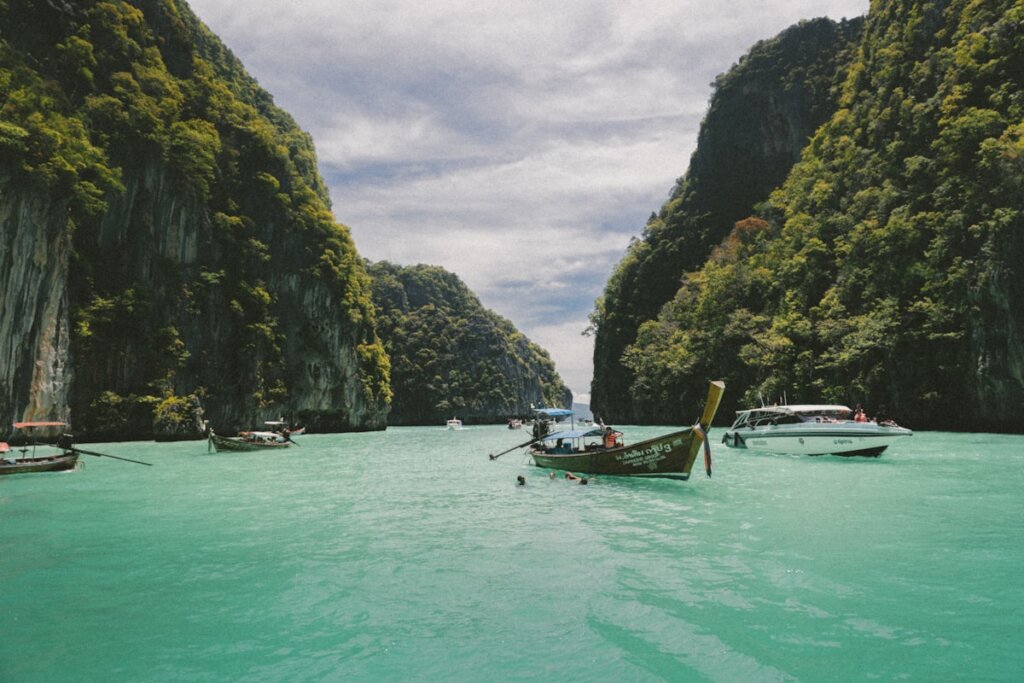

El Nido, Palawan has emerged as one of Southeast Asia’s premier freediving destinations. With visibility exceeding 20 meters, warm 28–30°C waters, and dramatic underwater topography ranging from shallow coral gardens to deep blue walls, El Nido offers ideal conditions for freedivers of all levels. This guide covers everything you need to know — from the best spots and certified courses to safety protocols and what marine life to expect.
Why El Nido for Freediving?
Freediving in El Nido combines the area’s exceptional water clarity with a diverse underwater landscape. Unlike scuba diving, freediving allows you to move silently through the water, which means marine life behaves more naturally around you. Sea turtles, reef sharks, and schools of fish are less likely to scatter, making encounters more intimate and rewarding. The Coral Triangle location ensures biodiversity that rivals anywhere in the world.
Freediving vs Snorkeling vs Scuba in El Nido
| Factor | Freediving | Snorkeling | Scuba Diving |
|---|---|---|---|
| Depth range | 5–40m+ | 0–3m | 10–40m |
| Equipment needed | Mask, fins, wetsuit | Mask, snorkel, fins | Full tank setup |
| Training required | Recommended (AIDA/SSI) | None | Required (PADI/SSI) |
| Marine life interaction | Excellent (silent) | Surface only | Good |
| Cost per session | ₱1,500–3,000 | Included in tours | ₱3,500–6,000 |
| Physical demand | Moderate–High | Low | Moderate |
| Best for | Experienced swimmers | All ages | Certified divers |
Best Freediving Spots in El Nido
1. Shimizu Island — Coral Garden Dives
Shimizu Island on Tour A is the most popular freediving spot for beginners and intermediate freedivers. The coral garden starts at 1–2 meters and drops to around 8–12 meters, giving freedivers a full range of depths to explore. The coral coverage is exceptional, and the fish density is among the highest in El Nido. Expect parrotfish, moorish idols, and occasional reef sharks patrolling the deeper sections.
Max depth: 12m at the reef edge
Visibility: 15–25m
Best for: Beginners to intermediate freedivers
2. Matinloc Shrine Wall — Advanced Freediving
The limestone wall at Matinloc Shrine on Tour C drops dramatically from the surface to depths exceeding 30 meters. This is El Nido’s premier spot for experienced freedivers seeking depth. The wall is covered in sea fans, sponges, and soft corals, and sea turtles are frequently encountered at 5–15 meters. Mild currents can be present — check conditions before diving.
Max depth: 30m+ along the wall
Visibility: 20–30m
Best for: Intermediate to advanced freedivers
3. Cadlao Island Blue Hole — Deep Water Training
The waters around Cadlao Island, accessible via Tour D, include several deep-water sections ideal for depth training. The sheltered lagoon provides calm conditions for warm-up dives, while the outer reef offers deeper challenges. Local freediving instructors often use this area for training sessions due to its consistent conditions.
Max depth: 20–40m in open water sections
Visibility: 15–25m
Best for: Depth training, intermediate to advanced
4. Helicopter Island Reef — Intermediate Dives
Helicopter Island’s reef system offers a varied underwater landscape with depths from 3 to 18 meters. The rocky coastline creates natural swim-throughs and overhangs that freedivers can explore. Clownfish in anemones, sea cucumbers, and schools of fusiliers are common sights. The calm conditions on the leeward side make it suitable for intermediate freedivers.
Freediving Courses in El Nido
Several dive shops in El Nido offer certified freediving courses. The most recognized certifications are AIDA (Association Internationale pour le Développement de l’Apnée) and SSI (Scuba Schools International) Freediving. Here is what to expect from each level:
| Course Level | Certification | Target Depth | Duration | Approx. Cost |
|---|---|---|---|---|
| Freediver (beginner) | AIDA 2 / SSI Level 1 | 10–16m | 2 days | ₱8,000–12,000 |
| Advanced Freediver | AIDA 3 / SSI Level 2 | 24–30m | 3 days | ₱12,000–18,000 |
| Master Freediver | AIDA 4 / SSI Level 3 | 40m+ | 4–5 days | ₱20,000–30,000 |
| Intro session (no cert) | None | 5–8m | Half day | ₱2,500–4,000 |
Safety Rules for Freediving in El Nido
Freediving carries inherent risks, and following safety protocols is non-negotiable. The most critical rule is never freedive alone — always dive with a buddy who stays at the surface and watches your descent and ascent. Shallow water blackout (loss of consciousness near the surface during ascent) is the leading cause of freediving fatalities and can happen without warning.
- Never dive alone — always use the buddy system
- Rest between dives — minimum 2:1 ratio (rest twice as long as your dive time)
- No hyperventilation — this increases blackout risk, not bottom time
- Know your limits — turn back before you feel the urge to breathe strongly
- Check currents — avoid diving at Matinloc and outer reefs during strong current periods
- Stay hydrated — dehydration affects breath-hold performance significantly
Best Time to Freedive in El Nido
The best conditions for freediving in El Nido align with the dry season. For a full breakdown of monthly conditions, see the best time to visit El Nido guide.
| Month | Conditions | Visibility | Freediving Rating |
|---|---|---|---|
| November–May | Dry season, calm seas | 20–30m | Excellent |
| June–August | Transition, some swells | 10–20m | Good (check daily) |
| September–October | Wet season, rougher seas | 5–15m | Fair (limited spots) |
What to Bring for Freediving in El Nido
- Low-volume freediving mask — reduces equalization effort at depth
- Long-blade freediving fins — more efficient than scuba fins
- 3mm wetsuit — water is warm but a wetsuit aids buoyancy and sun protection
- Weight belt — 2–4kg typically needed with a wetsuit
- Dive computer or depth gauge — track depth and surface intervals
- Reef-safe sunscreen — mandatory to protect El Nido’s coral
Frequently Asked Questions
Do I need a certification to freedive in El Nido?
No certification is required to try freediving with a guided intro session. However, for independent freediving or courses beyond 10 meters, AIDA 2 or SSI Level 1 certification is strongly recommended.
Can beginners freedive in El Nido?
Yes. Many dive shops offer beginner-friendly intro sessions that take you to 5–8 meters with an instructor. No prior experience is needed, but basic swimming ability is required.
Is freediving safe in El Nido?
Freediving is safe when practiced with proper training, a buddy, and adherence to safety protocols. Never freedive alone, and always rest adequately between dives.
How does El Nido compare to other Philippine freediving destinations?
El Nido is considered one of the top three freediving destinations in the Philippines alongside Moalboal (Cebu) and Anilao (Batangas). El Nido’s advantage is its combination of dramatic scenery, diverse marine life, and multiple depth options in a compact area.
What marine life can I see while freediving?
Sea turtles, reef sharks, parrotfish, barracuda, clownfish, sea fans, and occasional whale sharks (seasonal) are all possible encounters depending on the spot and season.