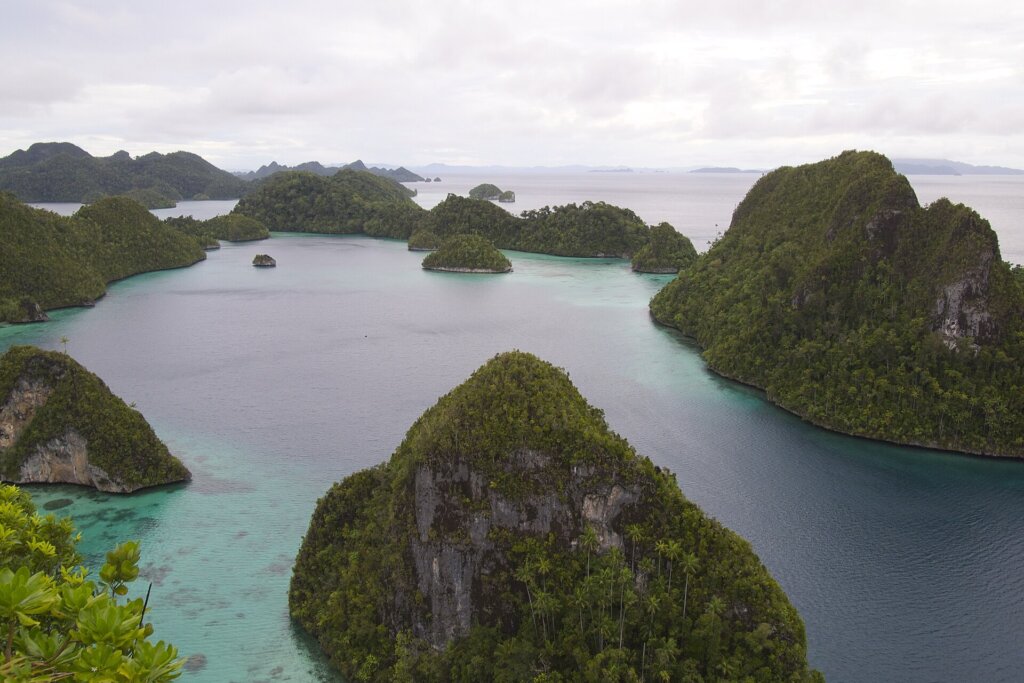


El Nido sits at the heart of one of the world’s most biodiverse marine regions — the Coral Triangle, which encompasses the Philippines, Indonesia, and Malaysia. The Bacuit Archipelago’s waters support an extraordinary variety of marine life: from green sea turtles and reef sharks to tiny nudibranchs and neon-coloured reef fish. Whether you experience El Nido’s underwater world by snorkeling, scuba diving, or simply peering over the side of a glass-bottom kayak, this guide tells you exactly what you’ll find beneath the surface.
El Nido Marine Life: Overview
The Bacuit Bay Marine Reserve and surrounding waters are home to approximately 500+ species of reef fish, 100+ coral species, and a remarkable array of megafauna. El Nido’s location within the Coral Triangle — the global epicentre of marine biodiversity — means its reefs host more species per square kilometre than almost anywhere else on Earth. Add to this the dramatic limestone karst topography above and below the waterline, and El Nido offers an underwater experience that rivals the world’s finest.
| Marine Life Category | Species Count (approx.) | Viewing Method |
|---|---|---|
| Reef fish | 500+ | Snorkeling, diving |
| Hard coral species | 100+ | Snorkeling, diving |
| Soft coral species | 50+ | Diving (deeper walls) |
| Sea turtle species | 2 (green, hawksbill) | Snorkeling, diving |
| Shark species | 5+ (reef species) | Snorkeling (reef), diving |
| Ray species | 4+ (eagle, manta, stingray, blue-spotted) | Diving, occasional snorkeling |
| Nudibranch species | 80+ | Macro diving |
| Crustaceans | Lobsters, crabs, mantis shrimp | Night diving, macro |
Sea Turtles in El Nido
Sea turtles are the wildlife encounter most visitors remember most from El Nido. Green sea turtles (Chelonia mydas) are common throughout the Bacuit Archipelago — regularly spotted resting on coral heads, grazing on seagrass, or cruising through the lagoons. Hawksbill turtles (Eretmochelys imbricata) are less common but occasionally sighted, particularly around rocky reef areas where they feed on sponges.
Best Turtle Spotting Locations
- Seven Commandos Beach reef (Tour A) — highest probability of turtle encounters; turtles rest on coral heads just metres from the beach
- Shimizu Island (Tour A) — turtles frequently seen feeding and resting in the shallows
- Helicopter Island (Tour D) — reliable turtle sightings on the reef extending from the island’s famous viewpoint
- Cadlao Lagoon (Tour D) — turtles spotted in the calm enclosed waters
- Miniloc Island area — private charter dive and snorkel sites around Miniloc have excellent turtle populations
Responsible turtle watching: Never touch, chase, or ride turtles — it is illegal under Philippine law (RA 9147) and causes significant stress to the animals. Maintain at least 3 metres distance, approach slowly and horizontally, and never block a turtle’s path to the surface to breathe. Good guides enforce these rules — if yours doesn’t, speak up.
Sharks in El Nido
Multiple shark species are present in El Nido’s waters, and all of them are harmless to divers and snorkelers. El Nido has an excellent safety record — no dangerous shark incidents have been recorded in the Bacuit Archipelago.
| Species | Frequency | Where Spotted | Danger Level |
|---|---|---|---|
| Whitetip reef shark | ★★★★★ Very common | Reef drop-offs, caves, coral heads | None — completely harmless |
| Blacktip reef shark | ★★★★☆ Common | Shallow reef edges, lagoon entrances | None — avoids humans |
| Leopard shark (zebra shark) | ★★★☆☆ Occasional | Sandy bottoms, 8–20m depth | None — sedentary, docile |
| Grey reef shark | ★★☆☆☆ Rare | Outer reef walls, deeper sites | Minimal if not provoked |
| Whale shark | ★☆☆☆☆ Very rare | Open water, seasonal (transition months) | None — filter feeder |
Seeing a whitetip reef shark on a snorkel or dive in El Nido is genuinely thrilling — they are graceful, curious creatures that typically ignore humans entirely. Divers who stay calm and move slowly often get extended, close encounters.
Rays in El Nido
Several ray species inhabit El Nido’s waters, from the dramatic eagle ray to tiny blue-spotted stingrays hiding in sandy patches.
- Eagle rays — spotted at Hidden Beach (Tour C) and outer reef passages; typically seen in small groups cruising mid-water. Wingspan up to 2m — an impressive sight.
- Blue-spotted stingrays — common under coral ledges and in sandy patches throughout the bay; small (30–50cm) and vividly beautiful. Don’t step on sandy areas in bare feet.
- Manta rays — occasional seasonal visitors in the Sulu Sea transition zones; not a reliable sighting but occasionally encountered on outer reef dives.
- Cowtail stingrays — sometimes seen resting on sand at deeper dive sites.
Reef Fish: What You’ll See Snorkeling & Diving
El Nido’s reef fish diversity is extraordinary. Even on a casual snorkel at Seven Commandos Beach, you’ll typically encounter dozens of species. Here are the most commonly encountered and visually striking:
| Fish | Where Found | Notes |
|---|---|---|
| Clownfish (anemonefish) | Every reef with anemones | Multiple species; Nemo’s cousins — always crowd-pleasers |
| Parrotfish | Shallow coral areas | Large, colorful; audibly crunch coral — you can hear them feeding |
| Bumphead parrotfish | Outer reefs, Hidden Beach | Massive (1m+); travel in schools; unforgettable encounter |
| Moorish idol | Coral-rich shallows | Distinctive black/white/yellow stripes — the “Gill” from Finding Nemo |
| Lionfish | Coral crevices, overhangs | Spectacular but venomous spines — admire, don’t touch |
| Moray eel | Rocky reef crevices | Giant moray common; alarming appearance but harmless if left alone |
| Humphead (Napoleon) wrasse | Deeper reef areas | Enormous (1.5m+) and surprisingly friendly; occasionally approaches divers |
| Barracuda | Open water, reef edges | Intimidating schools but harmless to divers/snorkelers |
| Pufferfish / porcupinefish | Reef areas | Comical, round, approachable — multiple species |
| Boxfish / trunkfish | Sandy reef patches | Cube-shaped, slow-moving, endearingly awkward |
| Mantis shrimp | Sandy burrows (night dive) | Technicolour crustacean; fastest punch in nature |
| Nudibranchs | Rocky surfaces (macro dive) | 80+ species in El Nido; tiny, extraordinary colour variety |
Coral Reefs of El Nido
El Nido’s coral reefs range from healthy to exceptional. The most pristine reefs are in areas with limited boat traffic and strongest current — the outer islands of the Bacuit Archipelago and the deeper walls accessible primarily by dive boat. Reef health in the protected inner bay has recovered significantly since El Nido implemented stricter environmental controls (ECAN zones, regulated tour boat numbers, mandatory anchor buoys).
Coral Types You’ll Encounter
- Massive corals (brain coral, star coral) — the architectural backbone of the reef; some colonies are centuries old
- Table corals (Acropora) — large flat plates providing shelter for hundreds of fish species; indicator of healthy, undisturbed reef
- Staghorn corals — branching Acropora forming dense thickets in shallower areas
- Sea fans (gorgonians) — on reef walls and drop-offs; fan-shaped soft corals in purple, orange, and red
- Soft corals — pulsing, tree-like formations on deeper walls; dramatic underwater photography subjects
- Fire coral — encrusting coral that causes painful burns on contact; common on rocky substrate — never touch any coral
Best Dive Sites for Marine Life in El Nido
| Dive Site | Depth | Marine Life Highlights | Level |
|---|---|---|---|
| Dilumacad Tunnel (Helicopter Island) | 5–18m | Swimthrough tunnel, reef sharks, turtles, lionfish | All levels |
| Tres Marias | 8–25m | Three pinnacles; barracuda schools, tuna, reef sharks | Intermediate+ |
| Miniloc Drop-Off | 5–30m+ | Wall dive; sea fans, soft corals, Napoleon wrasse | Intermediate+ |
| South Miniloc | 6–20m | Turtles, reef sharks, bumphead parrotfish | Beginner+ |
| Big Lagoon entry | 3–10m | Reef fish density, corals, clownfish, turtles | Beginner |
| Lagen Island Wall | 10–35m+ | Deep wall; gorgonians, batfish, eagle rays | Advanced |
| Entalula Reef | 5–18m | Hard coral garden, parrotfish, moray eels | All levels |
For certified divers: El Nido Scuba Diving Guide 2026
For snorkelers: El Nido Snorkeling Guide 2026
Marine Conservation in El Nido
El Nido’s marine environment is protected under the El Nido-Taytay Managed Resource Protected Area (ENTMRPA) and the ECAN (Environmentally Critical Areas Network) zoning system. These frameworks restrict boat access to sensitive areas, set tourist quotas for popular lagoons, and regulate fishing within the bay.
How you can help:
- Use reef-safe mineral sunscreen — standard chemical sunscreens bleach coral and are increasingly restricted in protected marine areas worldwide
- Never touch, stand on, or collect any coral, shell, or marine life
- Don’t feed fish — it disrupts natural behaviour and reef ecology
- Refuse operators who anchor on coral — reputable operators use mooring buoys
- Take all rubbish back to the boat — no waste on beaches or in the water
- Pay the ECAN environmental fee (₱200) — it funds reef monitoring and conservation programs
Frequently Asked Questions — El Nido Marine Life
Are there dangerous animals in El Nido’s waters?
The risk of dangerous marine animal encounters in El Nido is extremely low. The main hazards are passive: sea urchin spines (wear water shoes), fire coral burns (don’t touch anything), and blue-spotted stingray stings (don’t step on sandy areas barefoot). Sharks in El Nido are reef species that pose no danger to snorkelers or divers who behave calmly. There have been no recorded dangerous shark incidents in the Bacuit Archipelago.
Can I see whale sharks in El Nido?
Whale shark sightings in El Nido are rare and unpredictable — they’re occasional seasonal visitors rather than a reliable encounter. For near-guaranteed whale shark snorkeling in the Philippines, Oslob (Cebu) and Donsol (Sorsogon) are the dedicated destinations, though El Nido’s wild encounters are considered more ethical than the Oslob feeding interactions.
What is the best time for marine life in El Nido?
Year-round — El Nido’s marine life is present in all seasons. Visibility is best November–April (dry season), making marine life viewing easier. Transition months (May, October–November) sometimes bring pelagic visitors like whale sharks and manta rays as seasonal currents shift.
Is the coral reef in El Nido healthy?
Condition varies by site. The most protected and least-visited reefs (outer islands, restricted ECAN zones) are in excellent condition with high coral cover. High-traffic snorkel sites in the inner bay show some wear but are actively recovering since better environmental controls were implemented. Overall, El Nido’s reefs are significantly healthier than many comparable destinations in Southeast Asia.