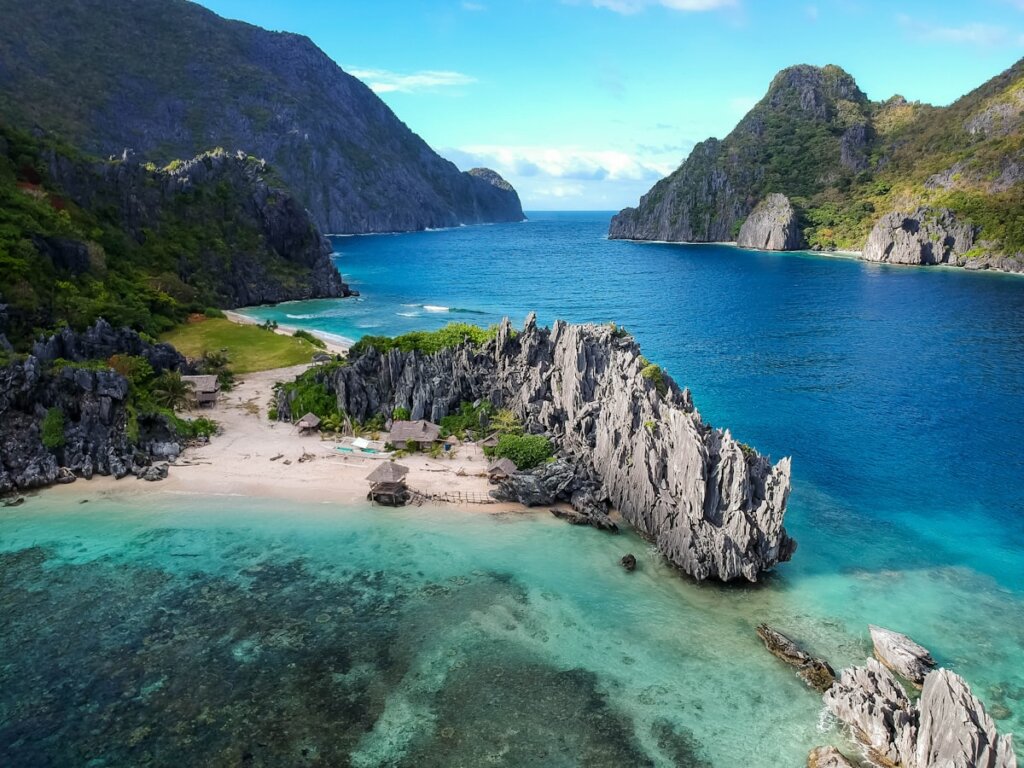

Packing for El Nido requires a different mindset than packing for a city trip or a standard beach holiday. You will spend most of your time on a wooden bangka boat, swimming through lagoon entrances, and hiking up to clifftop viewpoints. The right gear makes the difference between a comfortable trip and a miserable one.
This list covers everything you actually need — and what you can safely leave behind.
El Nido Packing List at a Glance
| Category | Essential Items |
|---|---|
| Clothing | Swimwear (×3), rash guard, light linen shirt, shorts (×2), sandals, flip-flops |
| Sun Protection | Reef-safe sunscreen, UV-protective hat, polarised sunglasses |
| Water Activities | Waterproof bag (dry bag), water shoes or sandals with grip, snorkel mask (optional) |
| Electronics | Waterproof phone case, portable power bank, universal adapter |
| Documents & Money | Passport, cash in PHP (₱), travel insurance card, accommodation bookings |
| Health & Safety | Sea-sickness tablets, insect repellent, reef-safe sunscreen, basic first aid |
| Bag | Small daypack, 40L main bag (not wheeled suitcase) |
Clothing: What to Wear in El Nido
Swimwear — Pack 3 Sets
You will be in the water every day. With tropical humidity, a wet swimsuit does not dry fully overnight. Three sets gives you a dry option for each island hopping day without needing to hand-wash every evening. Rash guards are strongly recommended — boat rides and full days on open water cause significant sun exposure even on overcast days.
Everyday Clothes — Keep It Light
El Nido is casual. You will not need anything formal. Pack 2–3 light linen or cotton shirts, 2 pairs of shorts or a light sundress, and one layer for the occasional cool evening or air-conditioned van/ferry. Leave jeans at home — they are heavy, slow to dry, and uncomfortable in 32°C heat.
Footwear
| Footwear | Why You Need It |
|---|---|
| Flip-flops | Town, restaurants, moving between accommodations |
| Water sandals with grip (Chacos, Tevas) | Island hopping: boarding/exiting the boat, walking on rocky beaches, coral |
| Light trainers (optional) | Only if you plan trekking (Taraw Cliff, Nacpan) |
Skip dedicated diving boots or water shoes unless you are doing heavy dive trips. Water sandals with a strap are far more versatile.
Sun Protection: The Most Important Category
El Nido sits close to the equator at 11°N latitude. UV index regularly reaches 12–14 (extreme) between 10am and 3pm — the exact hours you are on a boat. Underestimating the sun is the single most common mistake first-time visitors make.
- Reef-safe sunscreen SPF 50+ — Non-negotiable. The Philippines has designated many areas as reef-protected zones. Oxybenzone-based sunscreens are harmful to coral; look for zinc oxide or titanium dioxide formulas. Bring more than you think you need — reef-safe options are expensive and hard to find locally.
- Wide-brim hat — A broad-brim sun hat or UPF bucket hat for boat travel. Baseball caps leave your ears and neck exposed.
- Polarised sunglasses — Reduces glare off the water significantly. Essential for spotting underwater life while snorkelling from the boat.
- Long-sleeve rash guard — More sun protection than sunscreen alone, and practical for snorkelling. A rash guard covering arms and shoulders cuts UV exposure dramatically.
Waterproofing Your Gear
Everything on the boat gets wet. Spray, waves, and the occasional rain squall mean your bag will get soaked if it is not protected. This is the one area where spending a bit more is worth it.
Dry Bag (Essential)
A roll-top dry bag (10L–20L) protects your phone, camera, wallet, and passport. Buy one before you arrive — locally available options are lower quality. Decathlon, Sea to Summit, and Ortlieb all make reliable options under $30. Some boat operators provide a communal dry bag, but having your own gives you control over your valuables.
Waterproof Phone Case
A waterproof pouch case (under $15) lets you take your phone into the water for photos at the lagoons and beaches. Cases rated IPX8 allow submersion to 30m — more than enough for snorkelling. The plastic touch-screen compatible covers work well; the hard cases are bulkier but more protective for camera work.
Portable Power Bank
A 10,000–20,000mAh power bank is essential. Tours run 6–8 hours with no charging access on the boat. If you are taking photos all day, your phone battery will be nearly dead by the time you return to your accommodation. A 20,000mAh bank charges most phones 4–5 times and adds minimal weight.
Health & Comfort Essentials
| Item | Notes |
|---|---|
| Sea-sickness medication | Tour C involves long open-ocean crossings. Scopolamine patches or Dramamine/Bonine are effective. Take 30 min before departure. |
| Insect repellent (DEET 30%+) | Mosquitoes are present at dawn and dusk. Dengue fever is a real risk in the Philippines. Apply each evening. |
| Water purification tablets or filter | Tap water is not safe to drink. Hotels provide drinking water but a LifeStraw or SteriPen is useful for longer boat trips. |
| Electrolyte sachets | Full days in the sun cause dehydration quickly. Electrolyte powder packets add negligible weight and prevent headaches. |
| Antihistamine | For jellyfish stings, sandfly bites, or food reactions. Benadryl or Cetirizine. |
| Antidiarrheal (Imodium) | Traveller’s diarrhoea is common when adjusting to local food. |
Money & Documents
Bring cash in Philippine Pesos (₱). This is the most important logistical point for El Nido visitors. The situation in 2026:
- ATMs in El Nido town are limited (2–3 machines) and frequently run out of cash, especially on weekends
- Most island hopping operators, beach vendors, and small restaurants are cash-only
- Environmental fees (₱200) and lagoon entrance fees (₱800 for Big Lagoon) are paid in cash on the day
- Larger hotels and some restaurants accept cards, but expect a 3–5% surcharge
Recommendation: Withdraw enough cash in Puerto Princesa (the provincial capital) before taking the bus or van to El Nido. Budget ₱3,000–₱5,000 per day for a comfortable trip including tours, food, and activities.
What NOT to Pack
| Leave This At Home | Reason |
|---|---|
| Wheeled suitcase | Most roads in El Nido are unpaved or cobbled. A 40L backpack or soft duffel is far easier. |
| Jeans or heavy trousers | Too hot, too slow to dry. Linen or quick-dry fabric only. |
| Hair dryer | Voltage fluctuations, no time to use it, and humidity means your hair is never fully dry anyway. |
| Laptop (unless working) | WiFi is poor in El Nido. A phone handles everything you need for a leisure trip. |
| Valuable jewellery | High risk of loss during water activities. Leave fine jewellery at home. |
| Non-reef-safe sunscreen | Harmful to coral and increasingly restricted in Philippine marine areas. |
Printable Packing Checklist
- ☐ Swimwear ×3
- ☐ Rash guard (long-sleeve)
- ☐ Light shirts ×3
- ☐ Shorts ×2
- ☐ Flip-flops
- ☐ Water sandals with grip
- ☐ Wide-brim hat
- ☐ Polarised sunglasses
- ☐ Reef-safe sunscreen SPF 50+ (bring plenty)
- ☐ Dry bag (10–20L roll-top)
- ☐ Waterproof phone pouch
- ☐ Power bank (20,000mAh)
- ☐ Universal plug adapter
- ☐ Sea-sickness tablets
- ☐ Insect repellent (DEET 30%+)
- ☐ Electrolyte sachets
- ☐ Basic first aid (antihistamine, antidiarrheal, plasters)
- ☐ Passport + photocopies
- ☐ Travel insurance documents
- ☐ Cash in Philippine Pesos (₱) — bring enough from Puerto Princesa
- ☐ Hotel confirmation printouts
- ☐ 40L backpack or soft duffel (not wheeled luggage)
Frequently Asked Questions
Can I buy supplies in El Nido town?
Yes, but selection is limited and prices are higher than in Manila or Puerto Princesa. Sunscreen, insect repellent, and basic toiletries are available in small convenience stores and pharmacies on Calle Real (the main street). Specialty gear like dry bags or water sandals is harder to source. Pack what you need before arriving.
Do I need a snorkel mask?
Island hopping tours include basic snorkelling equipment (mask and fins). The quality varies — if snorkelling is a priority, consider bringing your own mask for a better fit and cleaner lens. A silicone mask from Decathlon (around $20–30) makes a noticeable difference in underwater clarity.
Is there a dress code for restaurants or temples?
No formal dress code in El Nido restaurants — beach casual is universally accepted. For visits to Matinloc Shrine (Tour C), modest clothing is respectful (shoulders and knees covered), though it is an outdoor ruin rather than an active place of worship.
Should I bring a travel towel?
Most hotels and guesthouses provide towels. For island hopping, you will either dry naturally in the sun or most tour operators provide a basic towel. A quick-dry microfibre travel towel is useful if you prefer to have your own, but it is not strictly necessary.
What bag size is best for El Nido?
A 35–45L backpack or a soft duffel bag of similar size is ideal for a 5–10 day trip. El Nido’s combination of van/bus transfers, boat rides, and narrow guesthouses makes wheeled luggage impractical. If you are coming direct from Manila by plane, check that your bag meets the carry-on limit for budget airlines (typically 7kg).