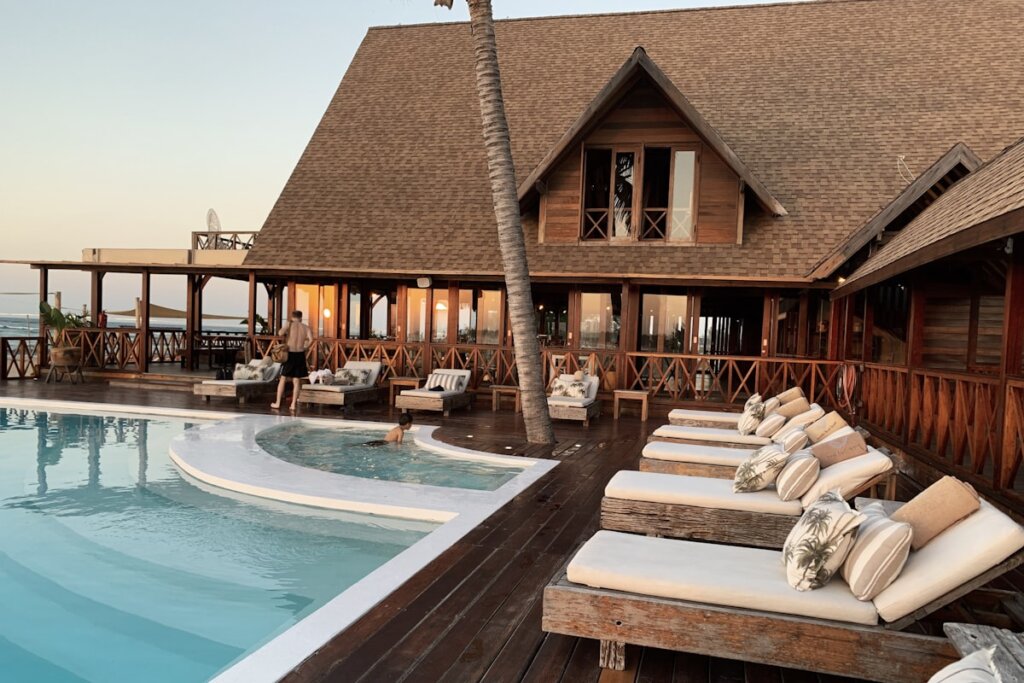

El Nido’s extraordinary natural beauty is not inevitable — it’s the product of active conservation, Marine Protected Area management, and the collective behaviour of every visitor who passes through. As tourism to El Nido has grown dramatically in recent years, so has the pressure on its reefs, beaches, and wildlife. This guide is for travellers who want to experience El Nido’s magic without diminishing it — a practical handbook for responsible and sustainable tourism in El Nido in 2026.
Why Responsible Travel Matters in El Nido
El Nido sits within the Coral Triangle — the global centre of marine biodiversity, encompassing the Philippines, Indonesia, and surrounding waters. This region contains 76% of the world’s coral species, 37% of reef fish species, and critical habitat for endangered sea turtles, dugongs, and whale sharks. The reefs around El Nido are some of the most ecologically significant in the world — and some of the most threatened by careless tourism.
The good news: El Nido’s tourism authorities, conservation organisations, and growing community of responsible operators have built one of the better-managed marine tourism systems in the Philippines. The daily visitor quotas, environmental fees, reef-safe sunscreen rules, and Marine Protected Area designations are all real and enforced. When visitors comply with and support these systems, they work.
Reef & Marine Life: Do’s and Don’ts
Sunscreen
Use only reef-safe, mineral-based sunscreen (zinc oxide or titanium dioxide). Standard chemical sunscreens containing oxybenzone and octinoxate are toxic to coral polyps — contributing to bleaching, DNA damage, and reef death even at concentrations of one part per trillion. This is not hyperbole: scientific consensus is clear, and El Nido’s Marine Protected Area rules prohibit non-reef-safe sunscreen at all snorkeling and diving stops. Enforcement is increasing. Alternatively — and better — wear a UPF 50+ rash guard, which provides superior UV protection with zero chemical impact. Bring reef-safe sunscreen from home; availability in El Nido is improving but not reliable.
Never Touch Coral
Coral is living tissue. Contact from a single human hand can kill polyps, remove the protective mucus layer, and introduce bacteria that spreads as disease across the colony. A single broken coral branch takes 10–15 years to regrow. “I didn’t mean to” is not an acceptable standard — develop your buoyancy control and fin technique to avoid any contact. Coral touching is the most common and most damaging behaviour in El Nido’s snorkel sites.
Never Stand on Reef
Even shallow reef areas that appear sandy or dead are often live coral with algae growth. When tour boats anchor at shallow stops, some visitors stand on the reef to adjust equipment or rest. This crushes decades of growth instantly. Maintain your fins off the bottom at all times in reef areas. If you need to rest, float on your back using your life vest.
Observe Sea Turtles from Distance
Sea turtle encounters are among El Nido’s most precious experiences. Maintain a minimum 2-metre distance, never touch, never block their path to the surface, and do not chase them. Turtles that are repeatedly approached by tourists become stressed, interrupt feeding, and may abandon nesting sites. The patience required to observe quietly from a distance almost always results in a better encounter — turtles that aren’t disturbed will often swim toward curious, still observers.
No Fishing or Collecting
Taking marine life — shells, starfish, sea urchins, coral fragments, fish — from El Nido’s Marine Protected Areas is illegal and directly harmful. This applies even to empty shells (they provide habitat for hermit crabs and other invertebrates). The “take nothing but photographs, leave nothing but bubbles” principle applies absolutely.
Waste & Plastic: Practical Actions
Refuse Single-Use Plastic
Plastic pollution is one of El Nido’s most visible environmental problems — plastic bags, bottles, straws, and packaging wash into the bay from both local and distant sources. As a visitor, minimise your plastic footprint:
- Carry a reusable water bottle and refill at accommodation (most hotels provide refill stations)
- Refuse plastic bags when shopping at El Nido market — bring a cloth bag
- Decline plastic straws (bamboo alternatives available at many El Nido restaurants)
- Choose restaurants and shops that visibly minimise single-use packaging
Pack Out What You Pack In
On island-hopping tours, all food packaging, bottles, and waste should be returned to the boat and disposed of at El Nido’s waste facilities. Never leave any waste on a beach — even “biodegradable” organic matter (fruit peels, food scraps) disrupts beach ecosystems and attracts wildlife to human-activity zones inappropriately.
Participate in Beach Cleanups
Several El Nido organisations run regular beach and reef cleanup events open to visitors. Joining even a single 2-hour cleanup — picking up plastic from a beach you’ll visit anyway — has a tangible positive impact. Ask at your hotel or check with the El Nido Resorts Foundation and local environmental NGOs for upcoming cleanup dates during your visit.
Supporting the Right Operators
Choose Responsible Tour Operators
Not all El Nido tour operators have the same environmental standards. Look for operators who:
- Enforce reef-safe sunscreen rules at snorkel stops
- Brief passengers on marine life interaction guidelines before entering the water
- Dispose of tour waste responsibly (no dumping from boats)
- Respect designated anchorage points (to protect reef from anchor damage)
- Cap group sizes to protect the experience and the environment
- Are registered with El Nido’s Municipal Tourism Office
Pay the Environmental Fee
The ₱200 environmental fee collected at El Nido pier is not a tourist tax — it directly funds reef patrol rangers, buoy maintenance, and conservation programmes. Pay it willingly and keep your receipt. Consider it the minimum financial contribution to the ecosystem that makes your trip possible.
Eat Local, Stay Local
Choosing locally owned restaurants, guesthouses, and tour operators over international chains keeps more tourism revenue in the local community. Filipino-owned carinderias, family guesthouses, and local boat captains are the economic backbone of El Nido’s community. When tourist spending circulates locally, communities have more economic reason to protect their natural environment rather than exploit it.
Wildlife Interaction Rules
| Animal | Rule | Why It Matters |
|---|---|---|
| Sea turtles | 2m minimum distance; never touch or chase | Stress disrupts feeding and nesting |
| Reef sharks | Do not chase; maintain calm presence | Stress causes reef abandonment |
| Fish (all species) | Never feed or touch | Feeding disrupts natural behaviour and diet |
| Coral (all types) | No contact, ever | Touch kills polyps, spreads disease |
| Monitor lizards | Do not feed or approach closely | Habituation creates dangerous beach-raiding behaviour |
| Birds (cockatoos, hornbills) | Observe quietly from distance | Noise disturbance disrupts nesting |
| Dugongs | Boat must cut engine and maintain 50m distance | Critically endangered; propeller strikes are fatal |
Respecting Local Culture
- Dress modestly in town — El Nido is a conservative Filipino community. Beachwear is for beaches; cover up when walking through town, visiting markets, or entering any religious building. A light sarong or coverup is all that’s needed.
- Ask before photographing locals — particularly children, vendors, and fishermen. A smile and gesture of asking permission is universally understood and universally appreciated.
- Support indigenous Palawan communities — the Tagbanua and Batak peoples are the indigenous communities of Palawan. Some areas of Palawan require indigenous community permits to enter (particularly in the deeper interior). Respect these boundaries; purchase crafts and products directly from indigenous vendors where possible.
- Learn basic Filipino/Tagalog phrases — even a few words (salamat = thank you, magandang umaga = good morning) are received with genuine warmth in El Nido’s community.
Carbon Footprint Considerations
The reality of visiting El Nido involves significant travel — typically a flight to Manila, a connecting flight to Puerto Princesa or El Nido, and ground transport. The carbon cost of this journey is real. Consider:
- Stay longer — amortising your flight’s carbon cost over more days reduces the per-day environmental impact. A 10-night trip is more carbon-efficient than two 5-night trips.
- Carbon offsetting — verified carbon offset programmes (Gold Standard, Verra) allow you to offset your flight emissions through reforestation and renewable energy projects. Not a perfect solution but better than nothing.
- Choose direct routes — fewer connections means lower fuel burn per kilometre.
- In El Nido, use human-powered transport — walk, cycle, or paddle where possible. Reserve motorised transport for necessary journeys.
Organisations Doing Conservation Work in El Nido
- El Nido Resorts Foundation — funds sea turtle tagging, Philippine cockatoo conservation, reef monitoring, and community livelihood programmes. Accept donations and volunteer participation from resort guests and day visitors.
- Palawan NGO Network (PNNI) — umbrella organisation for Palawan civil society, including environmental and indigenous rights groups.
- WWF Philippines — active in Palawan’s Coral Triangle conservation and dugong protection.
- Project Seahorse — seahorse and marine conservation research with community involvement in Palawan.
Frequently Asked Questions
Is El Nido overcrowded?
During peak season (December–March), popular sites like the Big Lagoon and Small Lagoon can feel crowded between 9am and 2pm. The daily visitor quota system helps manage this. To avoid crowds: take private early-morning boat charters, visit alternative sites (Tours B and D are less crowded than Tour A), and travel in shoulder season (April, November) for a significantly quieter experience.
What is the environmental fee in El Nido for?
The ₱200 Bacuit Bay environmental fee funds reef patrol rangers, site buoy maintenance, coastal cleanup operations, and conservation programmes managed by the El Nido Municipal Environment and Natural Resources Office (MENRO). It’s one of the more transparently managed environmental levies in Philippine tourism.
Can you volunteer in El Nido for conservation?
Yes — see our dedicated El Nido volunteering guide for reef restoration programmes, sea turtle monitoring, coral planting, and other hands-on conservation opportunities.
For more on El Nido’s marine ecosystem, see our reef conservation guide and our El Nido wildlife guide.
External resources: Coral Triangle Initiative — conservation framework | WWF Philippines — Palawan marine conservation