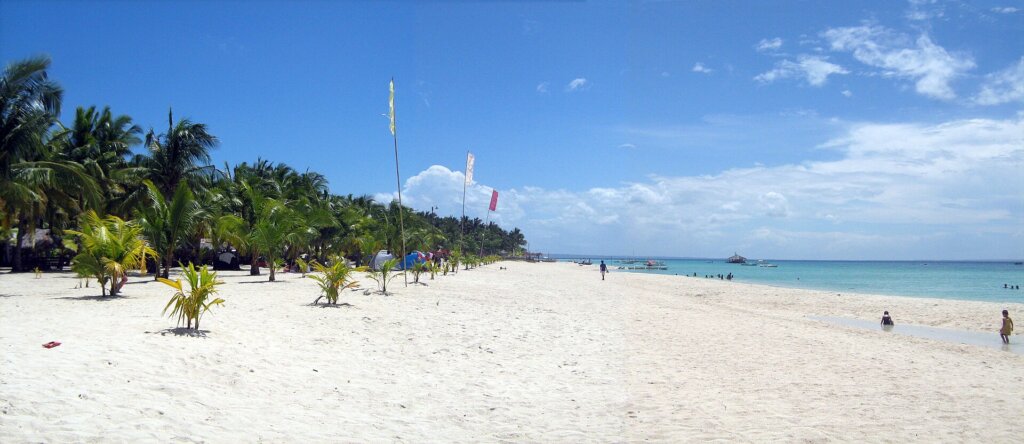


El Nido is a safe and welcoming destination for international travellers — but like any tropical island environment, it comes with its own set of practical considerations. From sea conditions and sun safety to health precautions and common scams, this guide covers everything you need to know to stay safe and travel smart in El Nido, Palawan in 2026.
Is El Nido Safe for Tourists?
Yes — El Nido is considered a safe destination for travellers. Crime against tourists is low, locals are friendly and welcoming, and the tourism infrastructure is well-established. The main safety considerations in El Nido are environmental: sea conditions, sun exposure, marine hazards, and the physical demands of island hopping. Take sensible precautions and El Nido is a wonderful, low-risk destination.
Ocean & Water Safety
Island Hopping & Boat Safety
- Always wear your life jacket on boat tours — it’s mandatory and operators enforce this. Don’t remove it “for photos” in open water.
- Check sea conditions before booking your tour. Your operator monitors the weather daily and will cancel or modify routes when conditions are unsafe. Trust their judgement — don’t pressure operators to go out in rough conditions.
- Secure your belongings on the boat — use a dry bag for phones, cameras, passports, and cash. Waves can splash unexpectedly even on calm days.
- Don’t stand up on moving boats — outrigger bangka boats are stable but rocking unexpectedly can cause falls.
- Motion sickness: Bring medication if you’re prone — open-water legs of Tour C and Tour D can be bouncy.
Swimming & Snorkeling Safety
- Know your swimming ability and be honest with guides. Secret Beach (Tour C) requires swimming through a submerged rock opening — non-swimmers should skip this stop.
- Never snorkel alone — always stay within sight of the group and your guide.
- Watch for boat traffic — when snorkeling near tour boat anchorage areas, stay aware of boat movement. Tow a surface marker buoy if you venture further from the group.
- Respect currents at exposed locations (Duli Beach, outer islands). If caught in a current, don’t fight it — swim parallel to shore to exit the current, then head in.
- Don’t touch coral — both for your safety (fire coral causes painful burns) and reef conservation.
Marine Life Hazards
| Hazard | Risk Level | What to Do |
|---|---|---|
| Sea urchins | Common — moderate | Wear water shoes on rocky beaches; don’t step on reef areas |
| Fire coral | Common — moderate | Don’t touch any coral; wear a rash guard for protection |
| Jellyfish | Occasional — low-moderate | Rinse with seawater (not fresh water) if stung; guides carry vinegar |
| Reef sharks | Rare — very low risk | Whitetip reef sharks are common and harmless; don’t provoke |
| Stonefish | Very rare | Wear water shoes on reef; never walk on coral areas |
| Sea snakes | Very rare | Generally docile; do not handle if encountered |
Sun & Heat Safety
Sun and heat are the most common causes of illness among El Nido visitors. The tropical sun near the equator is intense — UV index regularly reaches 10–12 in El Nido even on partly cloudy days.
- Apply reef-safe SPF 50+ sunscreen 30 minutes before sun exposure and reapply every 2 hours on boat days. Standard sunscreen washes off quickly in the water.
- Wear a rash guard or sun shirt on island-hopping tours — this is the single most effective protection for full-day boat days.
- Stay hydrated — drink at least 2–3 litres of water daily. Bring water on all tours; dehydration comes on fast in tropical heat.
- Avoid peak sun hours (11am–2pm) for heavy activity when possible. Tours depart at 8am partly for this reason.
- Know heat exhaustion signs: heavy sweating, weakness, dizziness, nausea. Move to shade, drink water, apply cool wet cloths. If symptoms progress to heat stroke (no sweating, confusion, high temperature) — seek medical help immediately.
Health Precautions
Food & Water Safety
- Drink bottled or filtered water only — tap water in El Nido is not safe to drink. Water refill stations are available throughout town at ₱5–10/litre.
- Be cautious with seafood — El Nido’s seafood is generally excellent and fresh, but avoid anything that seems off or has been sitting out in heat. Eat at busy, well-reviewed restaurants.
- Wash hands frequently, especially before eating. Hand sanitiser is useful on boats where washing facilities are absent.
- Mild traveller’s diarrhoea is common in the Philippines — bring rehydration salts and basic antidiarrhoeals. Serious cases: seek medical advice.
Mosquitoes & Insects
- Dengue fever is present in the Philippines — use DEET-based insect repellent, especially at dawn and dusk. Wear long sleeves in the evenings.
- Malaria risk in El Nido (Palawan) is low-moderate. Consult your travel doctor about prophylaxis before departing. The risk is higher in rural/jungle areas than in El Nido town.
- Sandflies can be an irritant on some beaches at sunset — repellent helps.
Medical Facilities
El Nido town has a small government health center and a few private clinics capable of handling minor injuries, infections, and basic care. For serious conditions, evacuation to Puerto Princesa (5–6 hours by van) or Manila is required. Travel insurance with emergency medical evacuation cover is strongly recommended for El Nido.
Dive & Snorkel Safety
- Only dive with licensed operators — check that dive shops display valid PADI/SSI certification and that dive masters are properly certified.
- Never dive alone and follow the buddy system.
- Don’t fly within 18–24 hours after diving — decompression sickness risk. Plan your dive schedule accordingly if flying out of Puerto Princesa.
- Beginners: Stick to Discover Scuba sessions at reputable dive shops — don’t be pressured into deeper dives if you’re uncomfortable. Read our El Nido Scuba Diving Beginners Guide.
Common Scams & How to Avoid Them
El Nido is not a high-scam environment compared to many Southeast Asian tourist destinations, but some common issues do occur:
| Scam / Issue | How to Avoid |
|---|---|
| Overcharging on tricycle (trike) rides | Agree on the price before getting in; typical rates ₱80–200 within town |
| Unofficial “tour guides” at the pier | Book island-hopping tours through your hotel or licensed tour operators only |
| Counterfeit tour tickets | Pay directly at legitimate tour operator offices; get a receipt |
| Boat operators not paying environmental fees | Ensure your tour price includes the ₱200 ECAN environmental fee (paid at the pier) |
| Overpriced food at remote beaches | Bring your own snacks and drinks for boat tours; beach vendors charge premium prices |
| ATM skimming | Use ATMs inside banks rather than standalone machines; cover your PIN |
Transport Safety
Motorbike Rental
Motorbike rental is popular for day trips to Nacpan Beach and Duli Beach — but comes with risks on El Nido’s rough roads.
- Always wear a helmet — insist on one from your rental provider
- International driving permit required — riding without one is illegal and may void your travel insurance
- El Nido’s roads are rough — the road to Nacpan has sections of gravel, rock, and river crossings. Ride at appropriate speed.
- Avoid night riding — roads have no lighting and poor visibility after dark
- Check the bike thoroughly before riding: tires, brakes, lights, fuel
Full guide: El Nido Motorbike Rental Guide 2026
Puerto Princesa to El Nido Van/Bus
- The 5–6 hour overland journey involves winding mountain roads — expect some discomfort
- Book with reputable operators (Cherry Bus, Roro Bus, licensed van services)
- Night buses exist but daylight travel is safer for observing road conditions
- Bring motion sickness medication if needed
Travel Insurance for El Nido
Travel insurance is essential for El Nido. The remote location means any serious medical emergency requires evacuation to Puerto Princesa or Manila — which can cost thousands of dollars without insurance. Ensure your policy covers:
- Emergency medical expenses (minimum USD $100,000 recommended)
- Emergency medical evacuation
- Trip cancellation (tours cancelled by weather)
- Adventure activities (snorkeling, diving, motorbike riding)
- Lost/stolen belongings
Read our full guide: El Nido Travel Insurance Guide 2026
Emergency Contacts in El Nido
| Service | Contact |
|---|---|
| Philippine National Police (PNP) | 117 (emergency) or local El Nido police: (048) 723-0101 |
| El Nido Municipal Health Center | Located on Real Street, El Nido town |
| Philippine Coast Guard | Contact via local tourism office for maritime emergencies |
| El Nido Tourism Office | Calle Rizal, El Nido town |
| Your country’s embassy in Manila | Check before travel and save the number |
Quick Safety Checklist Before You Go
- ✅ Purchase comprehensive travel insurance including emergency evacuation
- ✅ Consult travel doctor: malaria prophylaxis, hepatitis A/B, typhoid vaccinations
- ✅ Pack reef-safe SPF 50+ sunscreen (hard to find in El Nido)
- ✅ Bring a basic first aid kit
- ✅ Download offline maps (Google Maps or Maps.me for El Nido area)
- ✅ Save emergency contact numbers to your phone
- ✅ Notify your bank of travel to the Philippines
- ✅ Bring international driving permit if planning to rent a motorbike
- ✅ Pack insect repellent (DEET-based)
- ✅ Dry bag for boat days
Frequently Asked Questions — El Nido Safety
Is El Nido safe for solo female travellers?
Yes — El Nido is generally considered safe for solo female travellers. The town is small, well-lit, and has an active tourism community. The usual sensible precautions apply: avoid isolated areas at night, don’t accept rides from strangers, and keep valuables secured. Many solo female travellers visit El Nido without incident each year.
Is the water safe to drink in El Nido?
No — drink bottled or filtered water only. Tap water is not safe for drinking. Water refill stations throughout El Nido town offer affordable clean water (₱5–10/litre).
Are there sharks in El Nido?
Yes — whitetip reef sharks are commonly spotted at dive and snorkel sites. They are completely harmless and generally shy around humans. No dangerous shark attacks on tourists have been recorded in El Nido. Reef sharks are a highlight of diving and snorkeling here, not a danger.
What vaccinations do I need for El Nido?
Consult your travel doctor at least 4–6 weeks before departure. Commonly recommended: Hepatitis A, Hepatitis B, Typhoid, Tetanus/Diphtheria. Rabies pre-exposure vaccination is worth considering for extended stays. Malaria prophylaxis: discuss with your doctor, as Palawan has some malaria risk particularly in rural areas.
Is El Nido safe from typhoons?
El Nido is significantly safer from direct typhoon hits than the rest of the Philippines. Palawan lies south of the main typhoon belt and is rarely struck directly. However, strong weather from distant typhoons can affect sea conditions and cause tour cancellations. Travel insurance covering weather-related cancellations is recommended.