
El Nido Diving Guide – 2026 Scuba Diving & Snorkeling

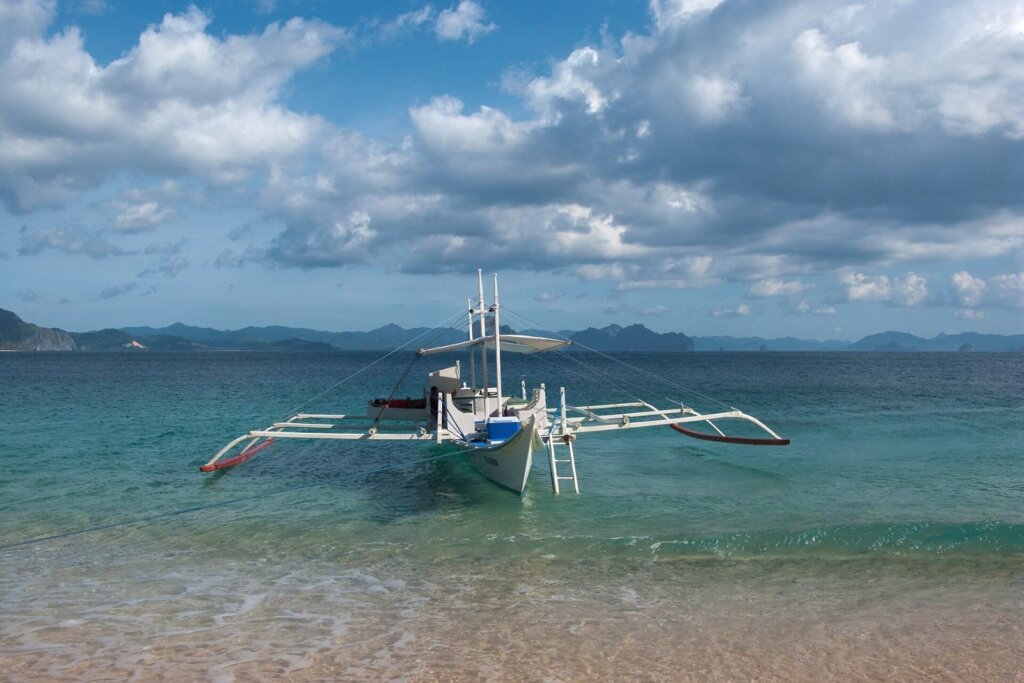
El Nido is a world-class diving destination with rich marine ecosystems and beautiful coral reefs. This article introduces El Nido’s diving environment, popular dive sites, and snorkeling experiences.
—
Table of Contents
Why Dive in El Nido?
El Nido is located at the edge of the Coral Triangle, the most biodiverse marine region in the world. The water is crystal clear with visibility up to 30 meters, and water temperature stays at 26-29°C year-round – perfect for diving. Compared to other popular dive destinations, El Nido has fewer tourists, preserving a more pristine underwater environment.
—
Popular Dive Sites
North Reef
One of the most popular dive sites in El Nido, not far from town. Depth from 12-25 meters, suitable for intermediate divers and above. Features healthy coral reef colonies – sea turtles, Napoleon wrasse, and various tropical fish are commonly seen. With luck, you might even encounter manta rays!
South Reef
Depth moderate, 8-18 meters, suitable for beginners. Famous for macro life – seahorses, ghost pipefish, and various nudibranchs. It is recommended to bring a macro lens to capture many details.
The Rock
The most exciting dive site in El Nido with stronger currents, suitable for experienced divers. This is where large fish gather – barracuda, jack fish, and reef sharks are commonly seen. Diving here gives the thrilling experience of being surrounded by fish schools!
Dilumacad Island (Helicopter Island)
The island is named after its shape, which resembles a helicopter. Underwater landscapes are magnificent with stunning cliffs and caves. Depth from 8-25 meters, suitable for all levels. Sea turtles are regular visitors – almost every dive you’ll see them.
Matinloc
A more distant dive site requiring longer boat travel. But the scenery is absolutely worth it! Features ancient shipwrecks and mysterious cave structures. It is recommended to arrange a full day, visiting nearby attractions as well.
—
Diving Experience Courses
Discover Scuba Diving
Even without a diving certification, you can experience diving! Under the guidance of a professional instructor, complete simple training and then dive. Depth usually doesn’t exceed 12 meters, with instructor accompanying throughout. Cost about 3,500-4,500 PHP, equipment included.
Open Water Course
Want to learn diving systematically? It is recommended to take the OW course. Usually takes 3-4 days – learn theory and confined water training, then complete four open water dives. Cost about 18,000-25,000 PHP, including equipment and instructor fee. After getting certified, dive sites around the world open up to you!
Advanced Open Water
Already have an OW certification? Consider upgrading! The AOW course includes deep diving, night diving, peak performance buoyancy, and more. Cost about 8,000-15,000 PHP.
—
Snorkeling Experience
Snorkeling vs Diving
Can’t swim or don’t have a diving certification? Snorkeling can also let you enjoy the beautiful underwater world! Just wear a mask and snorkel, float on the surface and you can see colorful corals and tropical fish.
Recommended Snorkeling Spots
#### Shimizu Island
One of the best snorkeling spots in El Nido. Clear water and white sand, coral reefs are in shallow areas – you can see rich underwater scenery even without diving equipment. It is recommended to wear water shoes to avoid coral cuts.
#### Big Lagoon
Kayak into the lagoon and snorkel in calm waters. With luck, you can closely observe clownfish and sea turtles.
#### Seven Commando Beach
Close to town, shallow water, suitable for beginners and families. Coral reefs are right next to the beach – even children can safely experience snorkeling.
—
Dive Centers
El Nido Dive Center
Long-established diving center with qualified PADI instructors. Professional service, well-maintained equipment. Offers multiple language services, English communication is no problem.
Sea Slugs Dive Center
Also PADI-certified diving center, small class sizes for quality instruction. Especially friendly to beginners with patient guidance.
###专科 Diveshop
SSI-certified dive shop with customized itinerary services. Various equipment rental options, reasonable prices.
—
Best Diving Season
Dry Season (March – May)
Best visibility, up to 20-30 meters. Water temperature comfortable at 26-29°C. Calm sea, ideal diving conditions. This is peak season – remember to book in advance.
Cool Season (December – February)
Visibility about 15-25 meters. Water temperature slightly cooler at 25-27°C. Some wind and waves but still divable. Christmas and New Year have the most visitors.
Rainy Season (June – November)
Lower visibility at 10-20 meters. Unstable weather, some days may have dive cancellations. But advantage is fewer people and possibly lower prices.
—
Cost Reference
| Item | Cost (PHP) |
|——|————|
| Discover Scuba | 3,500-4,500 |
| OW Course | 18,000-25,000 |
| Fun Dive | 1,500-2,500/dive |
| Night Dive | 2,000-3,000 |
| Equipment Rental | 500-1,000/day |
—
Diving Tips
Preparation
Do not drink alcohol or be overly tired before diving. Swimmers learn more easily, but non-swimmers can also experience it. It is recommended to bring sunscreen and towel. Bring an underwater camera to record beautiful memories.
Safety Rules
Listen to instructor’s briefing, understand dive site conditions. Do not touch marine life – protect the marine environment. Pay attention to your physical condition, surface promptly if needed. Be aware of boat traffic when ascending.
—
Diving Summary
El Nido is a dream destination for diving enthusiasts. Whether you’re a beginner or expert, you can find suitable dive sites and courses. It is recommended to book in advance during peak season – spots fill quickly. Remember to choose certified diving centers – safety is always the top priority. Have an unforgettable diving experience in El Nido!
—
Tags: El Nido Diving, El Nido Scuba, Palawan Diving, Philippines Diving
| Platform | Best For | El Nido Deals |
|---|---|---|
| Booking.com | Hotels, resorts, free cancellation | View deals → |
| Agoda | Best Asia prices, loyalty rewards | View deals → |
| Klook | Tours & activities | Browse tours → |