
Table of Contents
Scuba Diving in El Nido: What to Expect
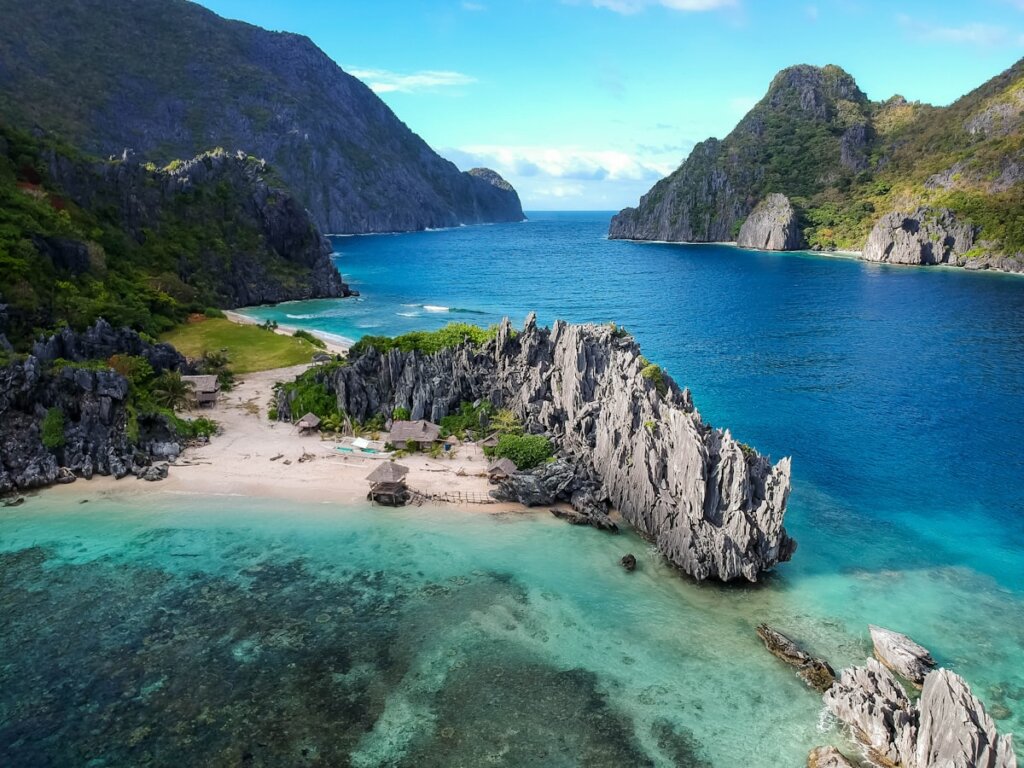
El Nido is primarily known for its island hopping and snorkelling, but beneath the surface of the Bacuit Archipelago lies a dive scene of genuine quality. The limestone karst formations that create El Nido’s dramatic above-water scenery extend below the waterline as dramatic walls, swim-throughs, and reef systems that shelter diverse marine life.

El Nido is not the Philippines’ finest dive destination — that distinction belongs to Tubbataha Reef (a UNESCO World Heritage liveaboard site) and parts of Apo Island, the Visayas, and Coron (for wreck diving). But El Nido offers accessible, varied diving that combines well with island hopping, and its dive sites reward both beginners and experienced divers with different rewards.
This guide covers the best dive sites, dive operators, what to expect, and when to dive in El Nido in 2026.
Best Dive Sites in El Nido
1. Dilumacad Island (Helicopter Island) — Best All-Round Site
Depth: 5–25m
Skill level: All levels
Highlights: Coral gardens, giant clams, sea turtles, reef fish
Dilumacad Island — called Helicopter Island for its shape when viewed from above — offers El Nido’s most consistently excellent diving. The eastern wall drops from a shallow reef table to 25m, passing through coral gardens that host giant clams, moray eels, lionfish, and resident sea turtles. Visibility is typically 15–20m, and the site is sheltered enough to dive in most conditions.
This is the recommended first dive for visitors unfamiliar with El Nido’s conditions.
2. Tangad Cave — Advanced Wall Dive
Depth: 15–40m
Skill level: Advanced (AOW recommended)
Highlights: Dramatic wall, pelagic fish, potential white-tip reef sharks
Tangad Cave is the most dramatic dive site in El Nido — a limestone wall that drops vertically from the surface to beyond 40m. Soft corals encrust the wall from 15–30m, and divers regularly see white-tip reef sharks resting on sandy ledges and schools of jacks and fusiliers in the blue water off the wall. This is El Nido’s best advanced dive site.
3. Pinagbuyutan Island — Best Coral Coverage
Depth: 3–18m
Skill level: All levels (excellent for Open Water divers)
Highlights: Soft and hard corals, macro life, nudibranchs
Pinagbuyutan (Tour D) is El Nido’s coral reef highlight — a shallow reef system with exceptional hard and soft coral coverage that has recovered well from past bleaching events. The site is excellent for macro photography (nudibranchs, frogfish, pipefish) and for Open Water divers wanting a gentle, colourful dive.
4. Nat-Nat Beach Wall
Depth: 12–30m
Skill level: Open Water
Highlights: Seamount, schools of batfish, reef sharks
Nat-Nat offers a sloping wall with a small seamount at 20m that attracts larger pelagic species. Batfish, bumphead parrotfish, and occasional reef sharks are regularly sighted here. The site is less crowded than Helicopter Island and offers a more adventurous feel.
5. Miniloc Island — The Twin Rocks
Depth: 5–18m
Skill level: All levels
Highlights: Swim-throughs, garden eels, coral outcrops
The Twin Rocks at Miniloc Island offer one of El Nido’s most photogenic dives — two large rock formations covered in encrusting corals, with swim-throughs between them and a sandy bottom hosting garden eel colonies. The shallow depth makes this ideal for beginners and underwater photographers.
El Nido Dive Sites Overview
| Dive Site | Max Depth | Level | Highlights | Best For |
|---|---|---|---|---|
| Helicopter Island | 25m | All levels | Sea turtles, giant clams, reef fish | First dive, all-round |
| Tangad Cave | 40m+ | Advanced | Wall, sharks, pelagics | Advanced divers |
| Pinagbuyutan Island | 18m | All levels | Coral coverage, macro | Open Water, photography |
| Nat-Nat Beach Wall | 30m | Open Water | Batfish, reef sharks | Intermediate |
| Twin Rocks (Miniloc) | 18m | All levels | Swim-throughs, garden eels | Beginners, photography |
El Nido vs Coron for Scuba Diving
The most common question for divers visiting Palawan is whether to go to El Nido or Coron. The honest answer depends entirely on what you want to dive.
| Factor | El Nido | Coron |
|---|---|---|
| Wreck diving | ⭐⭐ | ⭐⭐⭐⭐⭐ (WWII Japanese fleet) |
| Reef diving | ⭐⭐⭐⭐ | ⭐⭐⭐ |
| Visibility | ⭐⭐⭐⭐ | ⭐⭐⭐ (varies by site) |
| Island scenery | ⭐⭐⭐⭐⭐ | ⭐⭐⭐⭐ |
| Marine diversity | ⭐⭐⭐⭐ | ⭐⭐⭐⭐ |
| Beginner-friendly | ⭐⭐⭐⭐⭐ | ⭐⭐⭐ |
| Combined with island hopping | ⭐⭐⭐⭐⭐ | ⭐⭐⭐ |
Choose El Nido if: Reef diving + island hopping is your priority. You want varied topography (walls, coral gardens, swim-throughs) in a beautiful above-water setting.
Choose Coron if: Wreck diving is your primary goal. Coron’s WWII Japanese fleet (12 wrecks) is one of the world’s best wreck diving destinations.
Do both: The El Nido–Coron Expedition (multi-day liveaboard or island-to-island by ferry) covers both and is increasingly popular.
Best Dive Operators in El Nido
Local Dive Centres (El Nido Town)
El Nido has several well-regarded dive centres clustered around the main town. All operate under PADI certification and offer similar site selections. Prices are competitive:
- Fun Divers El Nido: Long-established operator with strong instructor reputation; particularly good for courses
- El Nido Scuba Diving: Popular choice for fun dives; competitive pricing at ₱2,500–₱3,000 per dive
- Palawan Divers: Smaller operation with good personalised service; recommended for night dives and advanced certifications
Pricing Guide (2026)
| Service | Price Range |
|---|---|
| Single fun dive (equipment included) | ₱2,500–₱3,200 ($45–$58 USD) |
| 2-dive trip (full day) | ₱4,500–₱5,500 ($82–$100 USD) |
| Discover Scuba Diving (intro, no cert) | ₱3,500–₱4,500 ($64–$82 USD) |
| PADI Open Water Course (3 days) | ₱18,000–₱25,000 ($327–$454 USD) |
| PADI Advanced Open Water Course | ₱16,000–₱22,000 ($291–$400 USD) |
| Equipment rental (BCD, regulator, wetsuit) | ₱500–₱800/day if not included |
Best Time to Dive in El Nido
| Month | Conditions | Visibility | Diving Rating |
|---|---|---|---|
| November – April | Dry season, calm seas | 15–25m | ⭐⭐⭐⭐⭐ Best |
| December – February | Peak dry, northeast wind | 20–25m | ⭐⭐⭐⭐⭐ Excellent |
| March – May | Calm, excellent conditions | 20–25m | ⭐⭐⭐⭐⭐ Excellent |
| June – September | SW monsoon, rougher seas | 10–15m | ⭐⭐⭐ Limited access |
| October | Transitional, variable | 12–18m | ⭐⭐⭐ Improving |
Best months: March–May is the sweet spot — peak dry season conditions, excellent visibility, and lower prices than December–January peak. Avoid July–August if diving is a priority (SW monsoon often closes sites in southern El Nido).
Marine Life Guide
El Nido’s waters support a diverse range of marine life across its various dive sites:
- Sea turtles: Green and hawksbill turtles are commonly seen at Helicopter Island and the Twin Rocks year-round
- Reef sharks: White-tip reef sharks at Tangad Cave wall; occasional grey reef sharks at Nat-Nat
- Cephalopods: Octopus, cuttlefish, and squid are frequent at most sites
- Macro life: Nudibranchs (30+ species recorded), frogfish, ghost pipefish, and pygmy seahorses at Pinagbuyutan
- Large pelagics: Occasional sightings of mantas at open-water sites during December–March
- Schooling fish: Jacks, fusiliers, barracuda, and bumphead parrotfish at most deeper sites
Practical Diving Tips for El Nido
- Book dive trips in advance for peak season: December–March fills fast; book your first dive day on arrival or contact operators before reaching El Nido
- Bring certification cards: Operators will ask for your PADI/SSI/NAUI certification card and logbook
- Underwater cameras: Most dive shops rent Go Pro-style cameras for ₱500–₱800/day. Bring your own for best results
- Seasickness on boats: El Nido’s diving boats are traditional bangkas — in choppy conditions they can be uncomfortable. Take seasickness tablets if susceptible
- Dive insurance: DAN (Divers Alert Network) dive insurance is strongly recommended. The nearest hyperbaric (decompression) chamber is in Puerto Princesa (5 hours away) — evacuation insurance is worth having
- Eco-fees: The El Nido Marine Reserve charges a conservation fee (₱200 per dive) that most operators include in their pricing
FAQ
Is El Nido good for scuba diving?
El Nido offers good reef diving with diverse marine life, dramatic underwater topography (walls, swim-throughs, coral gardens), and consistently good visibility during the dry season. It is not the Philippines’ finest diving destination overall — Tubbataha Reef and Coron’s wrecks rank higher for specialists — but it provides excellent accessible diving that combines perfectly with island hopping.
What is the best dive site in El Nido?
Helicopter Island (Dilumacad) is the best all-round dive site — consistent marine life, good visibility, and suitable for all levels. Tangad Cave is the best site for advanced divers seeking dramatic topography and pelagic encounters. Pinagbuyutan Island is best for coral coverage and macro photography.
Do I need to be certified to dive in El Nido?
You do not need a certification for a Discover Scuba Diving (DSD) introductory experience, available from all El Nido dive operators for ₱3,500–₱4,500. For independent fun diving, PADI Open Water (or equivalent SSI, NAUI) is required. The PADI Open Water course can be completed in El Nido in 3–4 days.
How much does diving cost in El Nido?
A single fun dive with equipment included costs ₱2,500–₱3,200 ($45–$58 USD). A full-day 2-dive trip runs ₱4,500–₱5,500 ($82–$100 USD). The PADI Open Water course costs ₱18,000–₱25,000 ($327–$454 USD) including materials and certification.
Is El Nido or Coron better for diving?
Coron is better for wreck diving (WWII Japanese fleet) and is widely considered the Philippines’ best wreck destination. El Nido is better for reef diving combined with island hopping and above-water scenery. For a first-time Philippines dive trip combining both activities, El Nido is the more complete experience; wreck diving specialists should prioritise Coron.
| Platform | Best For | El Nido Deals |
|---|---|---|
| Booking.com | Hotels, resorts, free cancellation | View deals → |
| Agoda | Best Asia prices, loyalty rewards | View deals → |
| Klook | Tours & activities | Browse tours → |