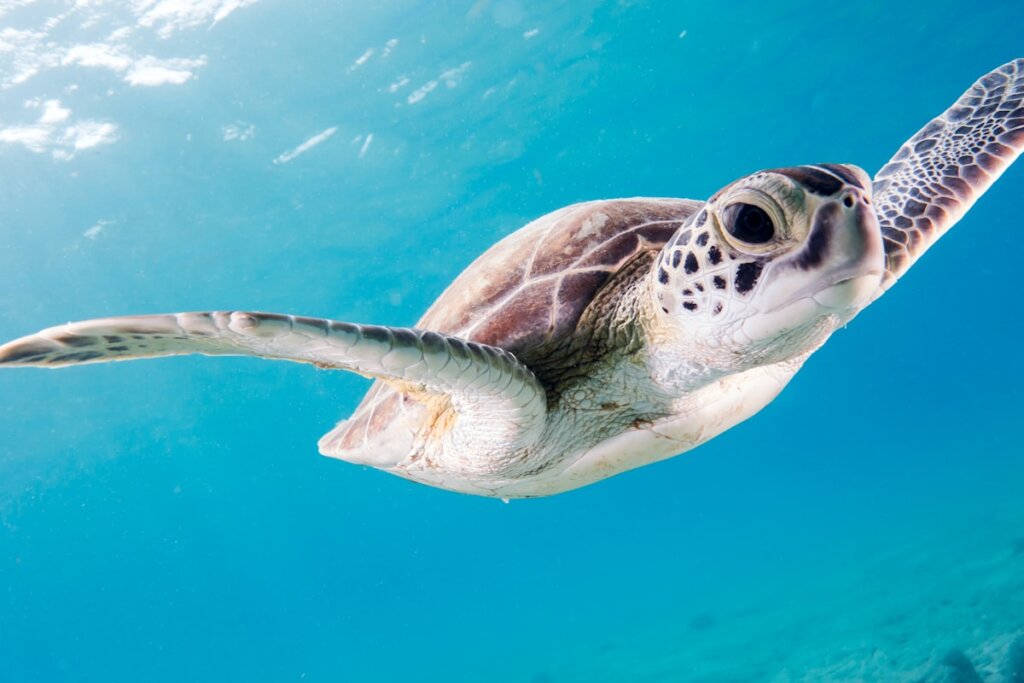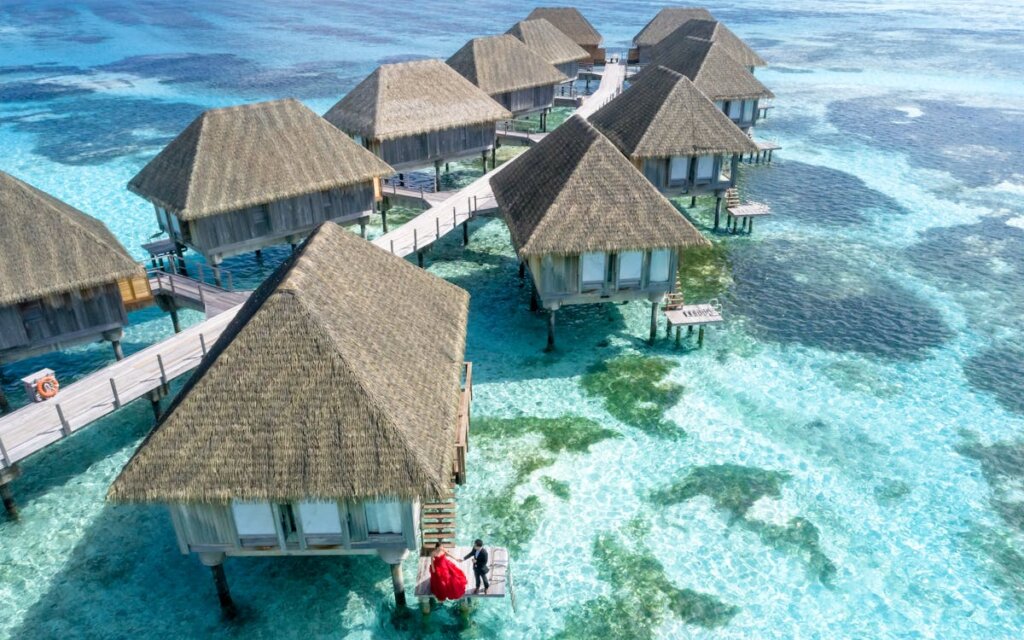

El Nido, Palawan offers some of the finest scuba diving in the Philippines. The Bacuit Archipelago’s dramatic underwater terrain — limestone walls, sea caves, coral gardens, and open-water pelagic zones — combined with consistently warm, clear water makes it a world-class diving destination. Whether you’re a beginner seeking your first Open Water certification or an experienced diver hunting thresher sharks, this guide covers everything about diving in El Nido in 2026.

Table of Contents
El Nido Diving: Quick Overview
| Factor | Details |
|---|---|
| Water temperature | 26–30°C year-round (no wetsuit needed; 3mm shorty optional) |
| Visibility | 15–30m (dry season); 8–20m (wet season) |
| Best dive season | November–May (dry season, calmest seas) |
| Dive site depth range | 5–40m |
| Skill levels catered | Beginner to advanced; some sites advanced-only |
| Fun dive price | ₱1,800–₱3,500/dive (equipment included) |
| PADI Open Water course | ₱18,000–₱25,000 (3–4 days) |
| Dive shops in El Nido | 8–10 PADI-certified operators in town and at resorts |
| Liveaboard access | Yes — Tubbataha Reef liveaboards depart from El Nido (March–June) |
Best Dive Sites in El Nido
1. South Miniloc Wall
South Miniloc Wall is consistently rated El Nido’s best dive site. The site features a dramatic vertical limestone wall beginning at 5m and dropping beyond 40m. The wall is encrusted with vibrant soft corals — sea fans, tunicates, and crinoids in vivid reds, purples, and oranges. Schooling batfish, lionfish, and frequent white-tip reef sharks make this the most exciting dive in the Bacuit Archipelago.
- Depth: 5–40m+
- Type: Drift wall dive
- Skill level: Intermediate–Advanced (current possible)
- Marine life: White-tip reef sharks, batfish schools, lionfish, giant sea fans, green sea turtles
- Best time: Morning, slack tide
2. Dilumacad (Helicopter Island) — North & South
Helicopter Island (Dilumacad) has two distinct dive profiles on its north and south sides. The north side features a shallow coral garden (5–15m) ideal for beginner and intermediate divers, with dense hard coral coverage and high fish diversity. The south side is a more dramatic wall with stronger current where barracuda, tuna, and occasional eagle rays are spotted in open water.
- Depth: 5–25m (north); 10–35m (south)
- Type: Coral garden (north); wall/drift (south)
- Skill level: Beginner (north); Intermediate–Advanced (south)
- Marine life: Barracuda, eagle rays, parrotfish, grouper, nudibranchs
3. Hole-in-the-Wall (Miniloc Island)
Hole-in-the-Wall is El Nido’s signature cavern/tunnel dive — a dramatic limestone swim-through that passes through the base of a Miniloc Island cliff. The tunnel is wide enough for several divers abreast and fully illuminated at both ends, making it accessible to divers with basic cavern training. Inside, the walls are covered with yellow and orange encrusting corals, and batfish often hover at the exit.
- Depth: 5–18m
- Type: Cavern/tunnel dive
- Skill level: Intermediate (cavern awareness required; no overhead environment certification needed)
- Marine life: Batfish, snapper schools, encrusting corals, ghostpipefish
- Highlight: The tunnel exit into open blue water is one of the most photogenic moments in El Nido diving
4. Lagen Wall
Lagen Wall runs along the eastern side of Lagen Island and is the house dive site for El Nido Resorts Lagen property. The wall begins at 8m and drops to beyond 35m, decorated with large sea fans and black coral trees in deeper sections. Sea turtles regularly rest on ledges along the wall at 12–18m — among the most reliable turtle encounters in El Nido diving.
- Depth: 8–35m+
- Type: Wall dive
- Skill level: Intermediate–Advanced
- Marine life: Green and hawksbill turtles, black coral trees, large sea fans, batfish
5. Matinloc Shark Point
Located near Matinloc Island (Tour C area), Shark Point lives up to its name — white-tip reef sharks are frequently encountered resting on sandy patches at 12–20m. The site also features a beautiful coral slope from 8–30m with diverse reef fish, schools of fusiliers, and the occasional thresher or nurse shark in deeper sections. One of the more exhilarating dives in the Bacuit Archipelago.
- Depth: 8–30m
- Type: Coral slope / shark dive
- Skill level: Intermediate
- Marine life: White-tip reef sharks, nurse sharks, fusilier schools, moray eels
6. Big Lagoon Entrance (Miniloc)
The underwater passage beneath the Big Lagoon entrance on Miniloc Island creates a unique dive environment — a shallow drift through a cave corridor that opens into the lagoon itself. The walls of the passage are draped in encrusting sponges and coral, with small reef fish sheltering throughout. A gentle, photogenic dive best suited to beginners and underwater photographers.
- Depth: 4–12m
- Type: Easy cavern/drift
- Skill level: Beginner–Intermediate
- Marine life: Encrusting corals, damselfish, ghostpipefish, sea horses (seasonal)
Best Dive Shops in El Nido
| Dive Shop | Location | Specialty | Approx. Fun Dive Price |
|---|---|---|---|
| El Nido Dive Centre | El Nido town | All levels, liveaboard booking | ₱2,000–₱2,500/dive |
| Submariner Diving | El Nido town | Small groups, photography trips | ₱2,200–₱2,800/dive |
| Depthseeker Dive Center | El Nido town | Technical diving, advanced sites | ₱2,000–₱3,000/dive |
| El Nido Resorts Dive Centre | Miniloc / Lagen Islands | Resort guests + day visitors | ₱2,500–₱3,500/dive |
| Matinloc Resort Dive | Matinloc Island | Remote island diving, shark sites | ₱2,000–₱2,800/dive |
What to look for when choosing a dive shop:
- PADI (or SSI/NAUI) certification and instructor credentials — ask to see them
- Maximum 4–6 divers per guide ratio (smaller is better)
- Well-maintained equipment — check regulators and BCDs before the dive
- Nitrox availability if you dive enriched air
- Boat condition and safety kit (first aid, O2, dive flag)
PADI Courses Available in El Nido
| Course | Duration | Approx. Price | Prerequisites |
|---|---|---|---|
| Discover Scuba Diving (DSD) | Half day | ₱3,000–₱5,000 | None (minimum age 10) |
| Open Water Diver | 3–4 days | ₱18,000–₱25,000 | None (minimum age 15) |
| Advanced Open Water | 2–3 days | ₱12,000–₱18,000 | Open Water certified |
| Rescue Diver | 3–4 days | ₱15,000–₱22,000 | Advanced OW + Emergency First Response |
| Divemaster | 2–4 weeks | ₱35,000–₱60,000 | Rescue Diver + medical clearance |
| Nitrox (Enriched Air) | 1 day (online + pool) | ₱5,000–₱8,000 | Open Water certified |
El Nido is a popular place to do the Open Water course — the warm, clear water and variety of shallow training sites make it an ideal learning environment. However, if budget is a concern, note that PADI courses are generally 20–30% cheaper in Puerto Princesa than in El Nido town.
Tubbataha Reef: The Ultimate El Nido Liveaboard
El Nido is one of the primary departure points for liveaboard expeditions to Tubbataha Reef National Park — a UNESCO World Heritage Site in the Sulu Sea widely regarded as the best dive destination in the Philippines and one of the top 10 in the world. Tubbataha is only accessible by liveaboard (36+ hours sailing from El Nido or Puerto Princesa) and only open from March to June.
- Marine life: Hammerhead sharks, whale sharks, manta rays, thresher sharks, giant trevally, hawksbill turtles, massive schools of jacks and barracuda
- Dive conditions: Open ocean, current-prone — advanced divers preferred (minimum 50 logged dives recommended)
- Liveaboard duration: 7–10 nights typical
- Price range: $2,500–$5,000+ USD per person for a full Tubbataha trip
- Booking: Book 6–12 months in advance — permits are limited and liveaboards sell out early
- Operators: Solitude One, MV Stella Maris, Palawan Liveaboard — all bookable through El Nido dive shops
Diving Tips for El Nido
- Book dive trips the day before. Popular sites like South Miniloc Wall and Hole-in-the-Wall fill up, especially in peak season. Reserve your spot the evening before at the dive shop.
- Combine diving with island hopping strategically. Some dive sites overlap with Tour A and Tour C stops. Ask your dive shop if they can combine a dive at Shimizu or Miniloc with the surface tour — some operators offer this.
- Bring a dive computer. Most shops provide computers with equipment packages, but your own dive computer gives you better data and eliminates any doubt about equipment calibration.
- Dive in the morning. El Nido’s best dive conditions — calmest seas, best visibility, most marine life activity — are almost always in the morning (7–11am). Afternoon diving can be choppier on exposed sites.
- Protect the reef. El Nido’s reefs are under pressure from increased tourism. Practice perfect buoyancy, never touch or stand on coral, and use reef-safe sunscreen. The health of these reefs is the reason El Nido is worth visiting.
- Get DAN dive insurance. Divers Alert Network (DAN) insurance is inexpensive (from ~$30/year) and covers hyperbaric chamber treatment if needed. The nearest recompression chambers are in Puerto Princesa and Manila — treatment without insurance can cost ₱100,000+.
Frequently Asked Questions: El Nido Scuba Diving
Is El Nido good for scuba diving?
Yes — El Nido is one of the better scuba diving destinations in the Philippines. South Miniloc Wall, Hole-in-the-Wall, and Matinloc Shark Point are world-class sites. The combination of warm water, good visibility, diverse marine life (reef sharks, turtles, eagle rays), and dramatic limestone underwater topography makes El Nido excellent for both beginner and experienced divers.
How much does scuba diving cost in El Nido?
Fun dives in El Nido typically cost ₱1,800–₱3,500 per dive, including full equipment rental, guide, and boat transfer. Prices vary by dive shop and site distance. A PADI Open Water certification course costs ₱18,000–₱25,000 (3–4 days, all materials and dives included). A Discover Scuba experience for non-certified divers starts at ₱3,000–₱5,000.
Can beginners dive in El Nido?
Yes — El Nido is an excellent place for beginner divers. The Discover Scuba Diving (DSD) experience lets non-certified divers try diving in calm, shallow water with a direct instructor supervision. The Open Water certification course is popular here and the warm, clear water makes learning very comfortable. Beginner-friendly sites include Dilumacad North and Big Lagoon Entrance.
Is El Nido better for diving or snorkeling?
El Nido offers excellent experiences for both — but they serve different audiences. Snorkeling is ideal for non-certified swimmers wanting to see reef fish, turtles, and coral at 1–5m depth without equipment or training. Scuba diving unlocks the deeper walls, caverns, shark sites, and open-water pelagic encounters that snorkelers can’t access. Both are outstanding; the choice depends on your certification status and budget. See our El Nido snorkeling guide for a comparison.
What is the best time of year to dive in El Nido?
November through May is the best diving season — calm seas, maximum visibility (15–30m), and all sites accessible. December–February is peak conditions with clearest water. March–June is the window for Tubbataha Reef liveaboards. Diving is possible year-round but June–October (wet season) brings reduced visibility and some exposed sites become inaccessible due to rough seas.
| Platform | Best For | El Nido Deals |
|---|---|---|
| Booking.com | Hotels, resorts, free cancellation | View deals → |
| Agoda | Best Asia prices, loyalty rewards | View deals → |
| Klook | Tours & activities | Browse tours → |