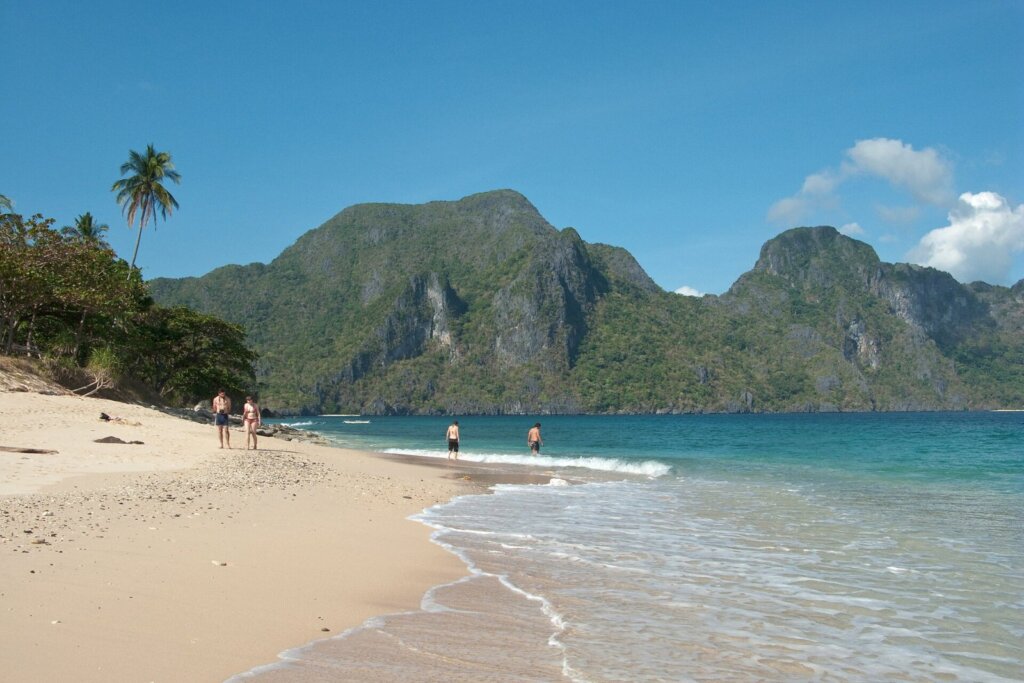

Most visitors chase coral walls and limestone lagoons, but the quiet green meadows of seagrass on sandy bays support some of Palawan’s most treasured animals. This guide focuses on seagrass, sea turtles and dugongs specifically for snorkelers and eco-minded travelers who want to understand what they are floating over and how to avoid damaging it. You will learn how to recognize seagrass, which animals depend on it, realistic sighting chances, and the etiquette that protects it.
- What Seagrass Is and Why It Matters
- Sea Turtles Around El Nido
- The Dugong: Palawan’s Gentle Grazer
- Seagrass vs Coral: Which Should You Snorkel?
- Where and When You Are Most Likely to See Wildlife
- How to Snorkel Over Seagrass Responsibly
- Common Myths About Seagrass and Marine Wildlife
- Seasonal Snapshot: What to Expect Through the Year
- How Your Trip Can Support Conservation
- Packing List for a Seagrass and Wildlife Day
- Frequently Asked Questions
What Seagrass Is and Why It Matters
Seagrass is a flowering plant that grows fully underwater, rooted in sand or mud. It is not seaweed. Its blades look like thin green ribbons and can form dense underwater meadows in shallow, sunlit bays. Because it thrives in calm, clear water, it is common around the sheltered coasts of Palawan.
Seagrass meadows do several jobs at once. They stabilize sediment, filter water, provide nursery habitat for juvenile fish and invertebrates, and feed grazing animals. They also store carbon in the sediment beneath them, which is why conservation groups and the UNESCO World Heritage programme increasingly highlight them in marine protection discussions.
How to recognize seagrass while snorkeling
Look for flat, grassy patches on sandy bottoms in 1 to 6 meters of water. Blades sway with the current, and small fish dart between them. A scattering of feeding trails or bare-looking circles can indicate grazing.
Why it is easy to damage
Fins, anchors and standing feet can uproot plants, and roots may take a long time to recover. Because seagrass looks like plain green sea floor, many visitors trample it without realizing.
Sea Turtles Around El Nido
Green sea turtles are the species most likely to be seen grazing on seagrass, while hawksbills usually favor reefs and sponges. Sightings are never guaranteed, and reputable operators do not promise them. Turtles surface to breathe, so a calm, patient approach from a distance is your best chance.
If you see one, keep at least a few meters away, do not chase it, never touch it, and avoid blocking its path to the surface. Sea turtles are protected under Philippine law, and disturbing them can lead to fines. Beaches used for nesting should be left dark and undisturbed at night, and any tracks or nests should be reported to local authorities or your accommodation host.
- Approach slowly from the side, not from above or behind
- Keep your fins horizontal and avoid kicking near the bottom
- Do not use flash photography or drones near animals
- Limit your time with any turtle and leave if it changes behavior
- Never feed or attempt to ride marine animals
The Dugong: Palawan’s Gentle Grazer
The dugong is a large marine mammal that feeds almost entirely on seagrass. Palawan is widely regarded as one of the last strongholds for dugongs in the Philippines, but the species is considered vulnerable and sightings are rare. Do not expect to see one on a normal tour.
Dugongs are shy, and boat traffic, nets and habitat loss are serious threats. If you are lucky enough to see one, cut your engine, keep your distance and never approach. You can read more about wildlife protection on the Philippine Department of Tourism and DENR websites, which describe protected-area rules and marine wildlife policy.
Seagrass vs Coral: Which Should You Snorkel?
Both habitats are rewarding but very different. Coral gives you color and variety. Seagrass gives you calm, slow encounters with grazers, juvenile fish and the occasional turtle. Many travelers enjoy both on the same day.
| Feature | Seagrass meadow | Coral reef | Best for |
|---|---|---|---|
| Typical depth | 1 to 6 m | 2 to 20 m | Beginners: seagrass is easier |
| Wildlife | Juvenile fish, seahorses, turtles, rays | Reef fish, invertebrates, some sharks | Photography vs relaxation |
| Sensitivity | Roots damaged by trampling and anchors | Corals damaged by touch and fins | Both need care |
| Visibility | Stirred up easily | Often clearer | Calm days |
| Crowds | Fewer | More | Seagrass for quiet mornings |
Where and When You Are Most Likely to See Wildlife
Rather than promising specific spots, use conditions as your guide. Sheltered, sandy bays with clear water are the best places to look for seagrass, and early morning or late afternoon is when many animals feed. Wind and tide matter, so read our guide to tide times in El Nido before planning.
Drier months, roughly December to May, offer calmer water and better visibility. In wetter months, run-off can cloud water and reduce sightings. Also remember that jellyfish season can affect how comfortable it is to float quietly for long periods.
Talk to your guide
Ask boat crews where seagrass grows and whether turtles have been seen recently. Local guides know daily patterns better than any website, and asking respectfully also encourages them to protect the site.
Take a private outing
A small private boat gives you flexibility to visit quieter bays and to stay longer without a crowd. If you get seasick, see our seasickness guide before booking.
How to Snorkel Over Seagrass Responsibly
A few small habits make a large difference. Wear a snug rash guard and use minimal fin movement so you do not stir up sand. If you need to stop, float on the surface or hold a boat line rather than putting your feet down.
Do not anchor on seagrass. Ask your captain to use mooring buoys where available or to anchor on sand away from the meadow. Do not collect shells, starfish or sea cucumbers, and do not pick up seagrass blades as souvenirs. Choose reef-safe sunscreen or cover up with a long-sleeve top so chemicals do not wash into shallow nursery areas.
Finally, take all trash with you. Plastic bags look like jellyfish to turtles and can be deadly if swallowed.
Common Myths About Seagrass and Marine Wildlife
Several misconceptions cause accidental harm, so it helps to clear them up before you get in the water.
Myth: Seagrass is just weeds
Seagrass meadows support fisheries, protect shorelines from erosion and store carbon. Scientists rank them among the most valuable coastal habitats. Treating them as “empty” sea floor is exactly how they get damaged by anchors and boat propellers.
Myth: Turtles like to be approached
Turtles are wild animals that spend much of their time feeding or resting. Repeated approaches stress them and reduce feeding time. Observation from a distance is safer for the turtle and gives you a better, more natural view.
Myth: One small souvenir does no harm
If every visitor took one shell, one starfish or a handful of seagrass, the cumulative effect on a small bay would be large. Many marine items are also protected under national law and cannot legally be exported.
Myth: Sunscreen is the only concern
Sunscreen matters, but so do fuel spills, plastic, noise from engines, and physical damage from anchors and fins. Good stewardship covers all of them.
Seasonal Snapshot: What to Expect Through the Year
Wildlife sightings depend on many factors, but seasonal patterns still help with planning. Use the table below as a general guide and always check local advice, since weather can change quickly. For official forecasts, consult the PAGASA website or weather.com.
| Months | Sea conditions | Visibility | Wildlife notes |
|---|---|---|---|
| December to February | Cooler air, often calm mornings | Good | Comfortable snorkeling with fewer crowds after the holiday peak |
| March to May | Hot, generally calm | Often the best | Great for seagrass bays and long morning sessions |
| June to August | Windier, more rain | Variable | Tours can be cancelled, but bays may be quiet |
| September to November | Mixed, typhoon risk possible | Variable | Flexible plans are essential |
How Your Trip Can Support Conservation
Small choices add up. Pay the environmental fees that fund protected-area management, choose operators that follow marine-life guidelines, and avoid tours that promise close contact with wildlife. Support local projects that restore habitat or run beach cleanups when you can.
If you plan a longer stay, compare our El Nido vs Siargao comparison to choose a base that matches your conservation values, and read about the low-tide rock pools guide for another gentle way to observe marine life on foot without touching it.
Lastly, share what you see responsibly. Post photos without geotagging sensitive nesting or dugong sightings, and report injured or entangled animals to the local authorities immediately.
Packing List for a Seagrass and Wildlife Day
A light, thoughtful kit makes wildlife watching easier. You do not need much, but the right items will help you stay comfortable and low-impact.
- Rash guard and long shorts to reduce sunscreen use
- Snug mask and short fins for gentle movement
- Reusable water bottle and small dry bag for trash
- Waterproof camera with the flash turned off
- Polarized sunglasses to spot turtles from the boat
- Notebook or phone note to log what you see for citizen-science groups
Frequently Asked Questions
Is seagrass the same as seaweed?
No. Seagrass is a flowering plant with roots, stems and leaves, while seaweed is a type of algae with no true roots.
Can I see dugongs in El Nido?
Sightings are rare. Palawan supports one of the Philippines’ dugong populations, but you should not plan a trip around seeing one.
Is it okay to touch a turtle?
No. Touching, chasing or riding sea turtles is harmful and may be illegal. Keep a respectful distance and let the animal move freely.
What is the best time to snorkel over seagrass?
Early morning or late afternoon on a calm, clear day is usually best. Check tides and weather with your operator.
Is reef-safe sunscreen enough to protect the sea?
It helps, but covering up with a rash guard is even better. Reduce chemicals wherever possible and avoid applying sunscreen right before entering the water.
How can I report an injured or entangled marine animal?
Contact your tour operator, local authorities or your accommodation host right away so trained responders can help. Do not try to free large animals yourself.