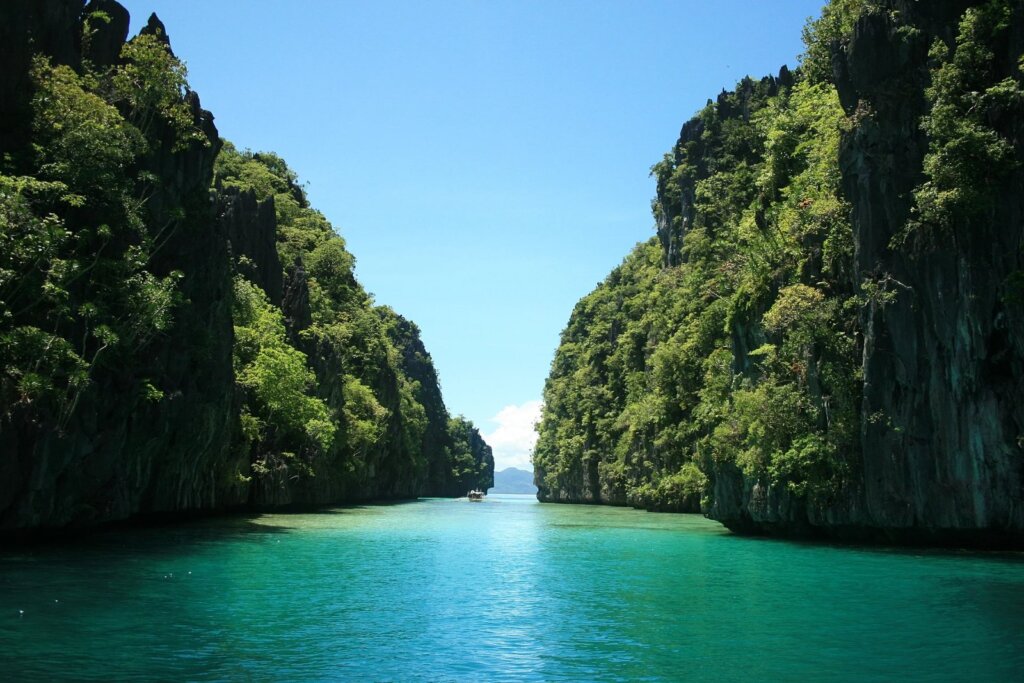

El Nido is a gift to anyone who carries a sketchbook: jagged limestone, glassy water and boats with bright outriggers appear on every horizon. This guide focuses on sketching and watercolor painting specifically for travelers who want to draw on location, whether you are a seasoned plein-air painter or a beginner with a pocket notebook. It covers the best spots, the best times for light and shade, what to pack and how to protect your work from sun, wind and humidity.
- Why El Nido Works So Well for Travel Sketching
- Best Spots Compared
- Town Beach, Pier and Streets
- Lio Beach and Quieter Shorelines
- Viewpoints and Sunset Sketches
- What to Pack: A Lightweight Travel Kit
- Working With Heat, Humidity and Wind
- Etiquette, Safety and Respect
- A Half-Day Sketching Itinerary
- Turning Sketches Into Souvenirs
- Choosing Paper, Paint and Pens for the Tropics
- Sketching on Boat Tours and at Snorkel Stops
- Practice Prompts for Beginners
- Frequently Asked Questions
Why El Nido Works So Well for Travel Sketching
Many destinations are photogenic but difficult to draw because crowds, traffic and noise leave no space to sit. El Nido’s scale helps. The town is compact, the shoreline is walkable and many viewpoints are only a few minutes from where you sleep. The landscape offers strong, simple shapes, such as cliffs against sky and boats against water, that translate well to quick studies.
Humidity and heat are the main challenges. Paper cockles, paint dries unevenly and sunscreen smears on pages. With a little planning, though, you can come home with a sketchbook full of quick impressions that capture the place far better than a camera roll. If you also enjoy photography, our golden hour photography guide overlaps nicely with the best painting light.
Best Spots Compared
Each location suits a different style of sketching. Use the table to match your subject, comfort and time of day.
| Spot | Subject | Best time | Shade and comfort |
|---|---|---|---|
| Town beach and pier | Boats, outriggers and cliffs | Early morning | Some shade, lively atmosphere |
| Seaside promenade benches | Bay panorama and sunset | Late afternoon | Benches, but exposed to sun |
| Lio Beach | Long sand curve and palms | Morning | Palm shade and quiet corners |
| Café terraces and rooftops | Rooftops, streets and bay views | Any time | Shade, drinks and seating |
| Viewpoint hike | Wide panorama of the bay | Sunrise | Effortful climb, no shade |
| Resort gardens | Tropical plants and details | Midday | Cool shade if permitted |
Town Beach, Pier and Streets
The waterfront is the easiest place to start. Arrive early, when fishing and tour boats are loading and the light is soft. You can capture the curved shapes of outriggers, the lines of ropes and the layered cliffs in the background. Sit where you are not in the way of passengers and crews, and keep your kit small. Street corners with signboards, motorbikes and tricycles make lively urban sketches, and a café table gives you shade, water and a spot to rest your sketchbook. Always ask politely before sketching individuals, and avoid blocking doorways or footpaths.
Lio Beach and Quieter Shorelines
If you want calm, head to a broader beach with space and fewer people. Our Lio Beach guide describes the setting, and the long sweep of sand and palms is ideal for loose watercolor washes. Choose a shady spot under palms, set a small stool or sarong and work in short sessions. Mornings usually give calmer water and cooler air, while late afternoon light adds warm color to the cliffs. Keep sketchbooks away from wet sand and wind, and weigh down pages with a small stone or clip.
Viewpoints and Sunset Sketches
Elevated viewpoints reveal the layering of islands that makes Bacuit Bay so distinctive. If you prefer a gentler option than a hike, see our list of sunset viewpoints you can reach without a boat for places to sit and paint as the sky changes. For sunrise or a bay panorama, the Taraw Cliff hiking guide explains the trail, but remember that it is steep, hot and exposed, so carry only what you need and stay safe.
Sunset moves fast. Prepare a quick thumbnail sketch, note the main color shifts and paint the sky first while it is still wet. Our sunrise and sunset times by month helps you arrive early enough to set up.
What to Pack: A Lightweight Travel Kit
Travel light, because heat and boat transfers punish heavy bags. A compact kit fits easily into a small dry bag and still covers most situations.
- A small hardbound sketchbook or watercolor pad with heavier paper (around 200 gsm or more) to resist warping.
- A pocket watercolor set, two or three round brushes and a water brush for quick sessions.
- Waterproof pens and a pencil for line work that will not smear in humidity.
- A small spray bottle or folding cup for water, plus a rag or paper towels.
- Binder clips, painter’s tape and a stone for holding pages in wind.
- A hat, reef-safe sunscreen, insect repellent and a refillable water bottle.
Working With Heat, Humidity and Wind
Tropical weather changes how paint behaves. Watercolor dries quickly in direct sun and slowly in humid shade, so work in smaller sections and avoid overworking wet areas. Tape the page edges to prevent buckling, and store finished pages flat between sheets of clean paper. Sweat and sunscreen can mark pages, so keep your hands clean and use a barrier sheet under your wrist. If rain arrives, move to a covered terrace and switch to line sketching; some of the best travel drawings are made under a roof with a hot drink. Check weather.com or PAGASA for the day’s outlook before heading out.
Etiquette, Safety and Respect
Be considerate about space and people. Ask permission before drawing vendors, fishers or locals, and offer to show them the result, which often starts a friendly conversation. Do not leave paint water, wipes or packaging on the beach, and carry your waste out with you. Keep your belongings close and avoid leaving valuables on the sand while you work. If you are on a boat tour, ask the crew whether you can sketch during the sailing stretches, and keep supplies in a dry bag. For broader travel guidance, visit the Philippine Department of Tourism.
A Half-Day Sketching Itinerary
Begin at sunrise on the waterfront with a quick study of boats and cliffs, then have breakfast at a café and sketch a street scene from your seat. Rest during the hottest hours, then return around three in the afternoon to a shaded beach or promenade bench for a larger watercolor. Finish at a sunset viewpoint with a fast color study, then add details and notes over dinner. This rhythm follows the light, avoids the worst heat and leaves you with four or five varied pages from a single day.
Turning Sketches Into Souvenirs
A sketchbook becomes a keepsake with a few small touches. Write the date and place beside each drawing, tape in a ticket or a pressed leaf where permitted and add a short note about the sounds and smells. Once home, you can frame a favorite page or scan the book to make cards. If you would like to bring home something made by others, our souvenirs guide lists easy options. Your own drawings, however imperfect, are the most personal memory you can take away from El Nido.
Choosing Paper, Paint and Pens for the Tropics
Gear that works in a cool studio can fail on a humid beach. Cold-press watercolor paper with a heavier weight resists buckling, and a hardbound book keeps pages flat in a damp bag. Pan watercolors travel better than tubes, because they will not leak in the heat, and a small palette with a warm and cool version of each primary covers almost every mix you need. Choose waterproof fineliners rated as archival, since cheap ink runs when it meets a wet wash. Bring a spare pencil and a small sharpener, as well as a pencil case that seals, to keep sand out of your brushes.
Sketching on Boat Tours and at Snorkel Stops
Island hopping offers extraordinary subjects, but a moving boat is not a steady table. Use the sailing stretches for quick pencil outlines, then add color later at a calm stop or back on land. Keep your sketchbook inside a dry bag, clipped to the boat, and use a lanyard on pens and brushes so nothing drops into the sea. At lunch stops, a shaded spot on the sand makes a good studio for ten minutes of painting while the crew prepares food. Be considerate of other guests and the schedule, and never hold up the group for one more wash.
Practice Prompts for Beginners
If you are new to sketching, start with simple prompts that remove pressure. Draw a single boat in five minutes using only lines, paint a three-stripe sky, sea and cliff in one wash each, or fill a page with small studies of palm leaves, shells and rooftops. Limit yourself to three colors to learn how they mix. Give each sketch a time limit, and resist erasing; mistakes are part of the record. After a few days you will notice your hand becoming faster and your eye picking out shapes you once overlooked. The aim is not a perfect painting but a habit of looking closely, which makes the whole trip richer.
Frequently Asked Questions
Do I need experience to sketch in El Nido?
No. Start with simple line sketches and quick color washes. The scenery is forgiving and works with any skill level.
What is the best time of day to paint?
Early morning and late afternoon give softer light and cooler temperatures, while midday is better for shaded café sketching.
Will humidity ruin my paper?
Heavier watercolor paper handles humidity better. Tape the edges and store finished pages flat in a dry bag.
Is it okay to sketch people?
Ask first and be respectful. Many people are happy to be drawn, but some prefer not to be.
Can I paint during a boat tour?
Often yes during travel stretches, but ask the crew first and keep your supplies secured in a dry bag.