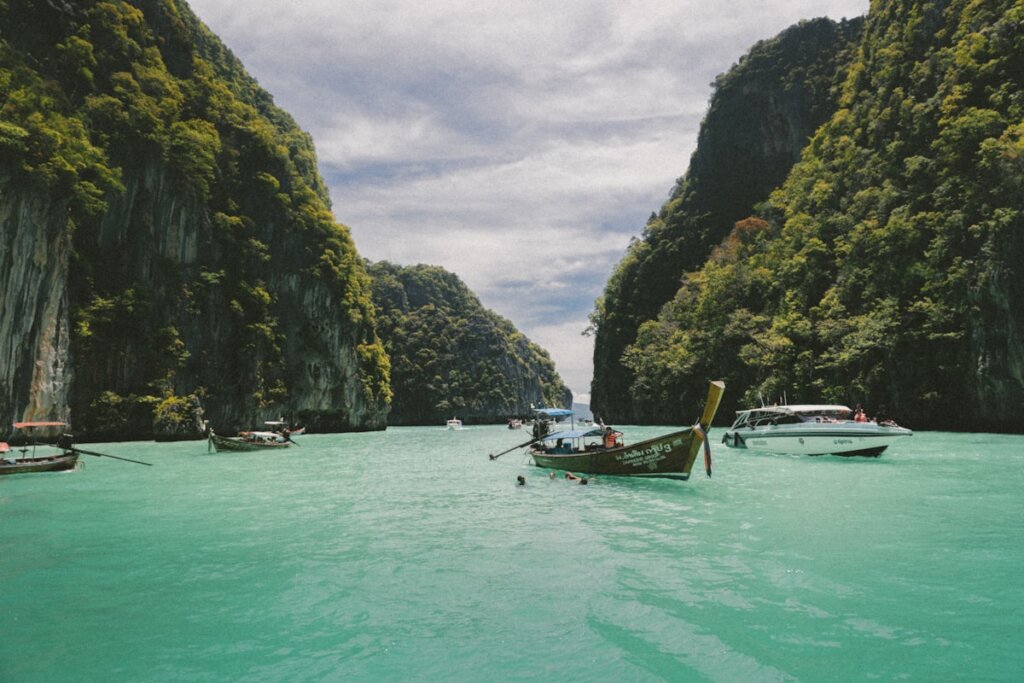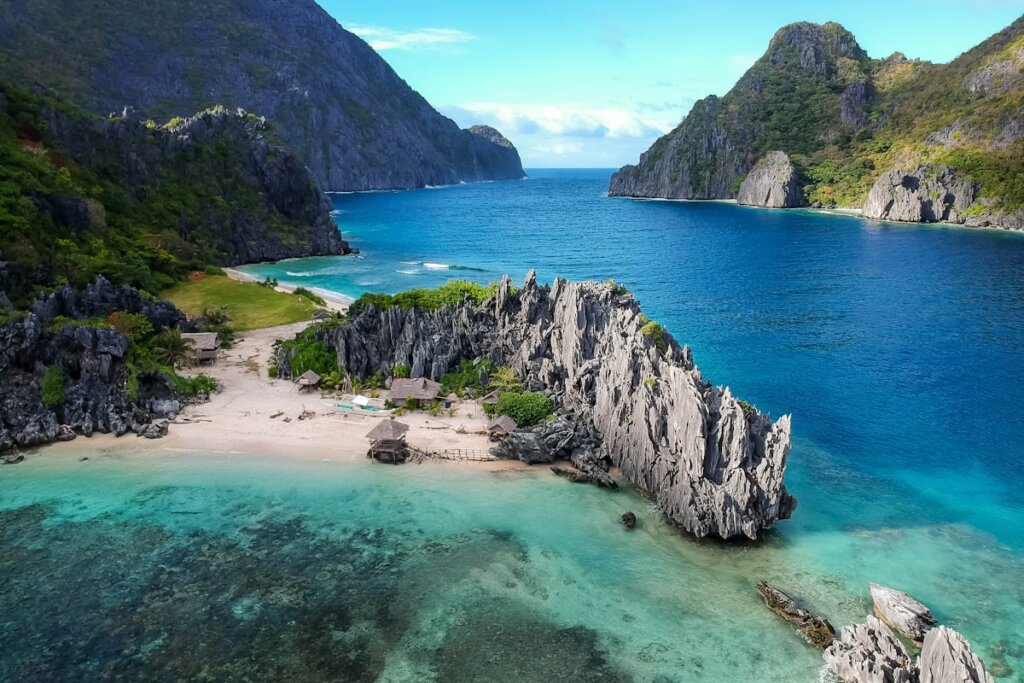

El Nido is one of the most biodiverse marine environments on earth — and one of the most threatened by overtourism. The Bacuit Archipelago’s coral reefs, seagrass beds, and limestone ecosystems are fragile. How you travel here matters. This guide covers practical, actionable ways to minimize your impact and support the local community while still having an incredible experience.

Table of Contents
Why Sustainable Travel Matters in El Nido
El Nido receives over 300,000 tourists per year — a number that has grown dramatically over the past decade. The impacts are visible: coral bleaching, reef damage from boat anchors, plastic pollution on beaches, and pressure on freshwater resources. The local government has introduced environmental fees, boat limits, and no-anchor zones, but individual traveler choices remain critical.
Reef-Safe Sunscreen
Standard sunscreens containing oxybenzone and octinoxate are toxic to coral reefs — even in tiny concentrations. Several El Nido tour operators and marine protected areas now require reef-safe sunscreen.
- Use: Mineral sunscreens with zinc oxide or titanium dioxide as the active ingredient
- Avoid: Any sunscreen listing oxybenzone, octinoxate, octocrylene, or homosalate
- Bring from home — reef-safe options are limited and expensive in El Nido town
- Wear a rash guard instead of relying solely on sunscreen — it’s more effective and has zero reef impact
Plastic Reduction
Single-use plastic is a major problem in El Nido. The town has limited waste management infrastructure, and much plastic ends up in the ocean.
- Bring a reusable water bottle — refill stations exist in town (₱10–20/litre)
- Refuse plastic bags — bring a tote bag for shopping and market visits
- Say no to plastic straws — carry a reusable straw or simply skip it
- Pack out what you pack in — on island-hopping tours, take your rubbish back to the boat
- Support restaurants and shops that visibly reduce single-use plastic
Responsible Island-Hopping
| Do | Don’t |
|---|---|
| Use reef-safe sunscreen | Touch or stand on coral |
| Keep 2m distance from marine life | Chase or feed fish, turtles, or sharks |
| Take all rubbish back to the boat | Leave food scraps or packaging on beaches |
| Use designated snorkel entry points | Drag fins across the reef |
| Choose operators with no-anchor policies | Book operators who anchor on coral |
Choosing Eco-Friendly Tour Operators
Not all tour operators are equal in their environmental practices. When choosing a boat tour, ask:
- Do they use mooring buoys instead of anchoring on coral?
- Do they enforce reef-safe sunscreen rules?
- Do they limit group sizes?
- Do they collect rubbish from beaches during tours?
- Are their guides trained in marine conservation?
Operators who answer yes to most of these questions are worth paying a small premium for. Your choice sends a market signal.
Supporting the Local Economy
Sustainable travel isn’t only about the environment — it’s about ensuring tourism benefits local communities.
- Eat at local carinderias rather than international chain-style restaurants
- Buy souvenirs from local artisans — look for handmade items at the public market
- Hire local guides — licensed local guides have deep knowledge and the income stays in the community
- Stay at locally-owned guesthouses rather than international hotel chains where possible
- Tip generously — boat crew, guides, and restaurant staff earn modest wages
Environmental Fees & Regulations
El Nido has several mandatory environmental fees that fund conservation:
| Fee | Amount | Purpose |
|---|---|---|
| Bacuit Bay environmental fee | ₱200/person | Marine protected area management |
| El Nido tourism fee | ₱200/person | Local tourism infrastructure |
| Specific island entrance fees | ₱50–200/island | Site-specific conservation |
These fees are usually included in tour prices — confirm with your operator. Pay them willingly; they directly fund reef monitoring and beach cleanup programs.
Wildlife Interaction Guidelines
- Sea turtles: Observe from 3m+ distance, never touch or ride
- Whale sharks (Busuanga area): No touching, no flash photography, maintain 4m distance
- Dugongs: Extremely rare — if encountered, stop engines and observe quietly from distance
- Reef fish: Never feed — it disrupts natural feeding behavior and reef ecology
- Mangroves: Stay on designated boardwalks; mangrove roots are critical nursery habitat
Practical Sustainable Packing List
- Reef-safe mineral sunscreen (SPF 50+)
- Reusable water bottle (1L minimum)
- Rash guard (replaces sunscreen in water)
- Reusable tote bag
- Reusable cutlery set (for street food)
- Biodegradable soap and shampoo
- Your own snorkel mask (better fit, no rental waste)
Frequently Asked Questions
Is El Nido environmentally protected?
Yes — the Bacuit Archipelago is a designated marine protected area. Environmental fees fund reef monitoring, and regulations govern boat numbers, anchoring, and wildlife interaction. However, enforcement varies and individual traveler behavior remains important.
Can I buy reef-safe sunscreen in El Nido?
Limited options are available in El Nido town, but selection is poor and prices are high. Bring reef-safe sunscreen from home or from Puerto Princesa where options are better.
How can I reduce plastic waste in El Nido?
Bring a reusable water bottle and refill at stations in town (₱10–20/litre). Refuse plastic bags and straws. Pack out all rubbish from beaches and boats.
Are there volunteer opportunities in El Nido?
Yes — several local NGOs and resort operators run reef monitoring, beach cleanup, and mangrove planting programs. Ask locally or search for “El Nido volunteer conservation” for current opportunities.
Which El Nido tour is most eco-friendly?
All four tours visit marine protected areas. Choose operators with mooring buoys, reef-safe sunscreen policies, and small group sizes. Tour D tends to be less crowded, reducing cumulative reef impact.
| Booking Platform | Best For | Price Range | Book Now |
|---|---|---|---|
| Booking.com | Widest selection, free cancellation | $15–500+/night | Search Hotels |
| Agoda | Best deals, Asia-focused | $15–500+/night | Search Hotels |
| Klook | Tours, activities, packages | $10–200+/activity | Browse Tours |