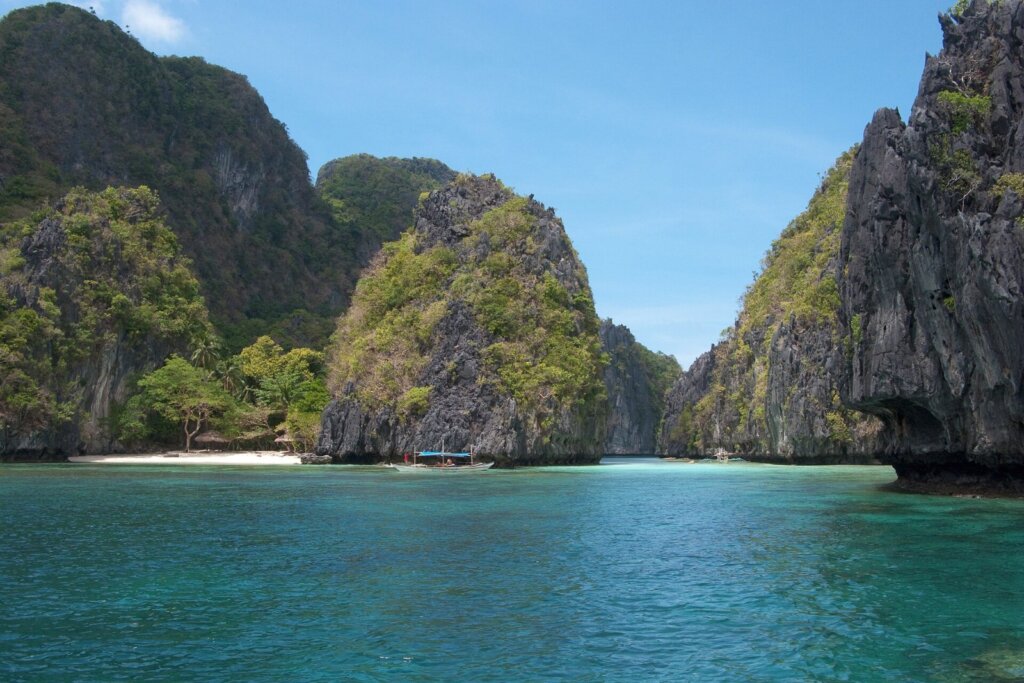
Choosing between El Nido and Bohol’s Panglao Island is one of the most common decisions for people planning a first Philippines trip. Both promise clear water and white sand, yet they deliver very different trips. This guide focuses specifically on first-time visitors who have only one week and must pick a single beach destination, comparing logistics, scenery, costs, and pace side by side.
- The Core Difference in One Paragraph
- Getting There: Logistics Compared
- Head-to-Head Comparison Table
- Scenery and Beaches
- Activities: Boats Versus Variety
- Budget Expectations
- Weather and Seasons
- Who Should Choose Which
- A Sample Seven Day Split
- Practical Tips Before You Book
- Common Mistakes First-Time Visitors Make
- Frequently Asked Questions
The Core Difference in One Paragraph
El Nido is a dramatic seascape destination. Towering karst cliffs rise out of Bacuit Bay, and the days revolve around boat tours to hidden lagoons and small beaches. Panglao is a relaxed beach and countryside destination. You get wide sandy beaches such as Alona, easy snorkeling from the shore, dolphin and turtle encounters, and a day loop through Bohol’s inland sights. If you picture yourself on a boat in an emerald lagoon, El Nido is your answer. If you prefer a beach chair, a good restaurant, and one big sightseeing day, Panglao fits better. For a broader view of how El Nido stacks up against other islands, see our El Nido vs Coron comparison and the El Nido vs Boracay breakdown.
Getting There: Logistics Compared
Access is where the two destinations diverge most. Panglao has its own international airport on the island, so most visitors land and reach their resort within thirty minutes. Direct flights from Manila and Cebu are frequent, which makes rebooking after a delay straightforward. El Nido is more remote. Travelers typically fly into Puerto Princesa and take a van of roughly five to six hours, or use a smaller airline direct to the El Nido airstrip at Lio. Plan buffer time at both ends, particularly if you have an international connection the same day. Official updates on destination access and advisories can be found on the Philippine Department of Tourism site.
If your flight lands late at night, read our late-night arrival guide before booking, as options narrow after dark.
Head-to-Head Comparison Table
| Factor | El Nido | Panglao and Bohol |
|---|---|---|
| Main scenery | Limestone cliffs, hidden lagoons | Long white beaches, rolling hills |
| Typical transfer time | 5-6 hours by van, or short flight to Lio | 20-40 minutes from airport |
| Core activity | Boat island-hopping tours | Beach days plus countryside tour |
| Snorkeling style | Lagoons and reef edges by boat | House reefs and Balicasag marine area |
| Nightlife and dining | Compact town, beach bars | Alona strip, wider restaurant range |
| Recommended nights | 4-5 | 3-4 |
| Weather sensitivity | High, tours can be canceled | Moderate, land options as backup |
Scenery and Beaches
El Nido’s beaches are smaller and tucked between rock walls, and many can only be reached by boat. Nacpan and Las Cabanas are the long-beach exceptions on the mainland. Panglao’s Alona Beach is a classic crescent with plenty of facilities, while Dumaluan and Doljo offer quieter stretches. Bohol also adds the Chocolate Hills, the river cruise in Loboc, and the tarsier sanctuary, which gives you a land-based highlight that El Nido simply does not have.
Which feels more crowded?
Peak island-hopping hours in El Nido can feel busy at the most famous lagoons, though you can ease this with timing. Our guide to morning vs afternoon island hopping explains how. In Panglao, Alona is busy at midday, but you can step away to quieter beaches easily.
Activities: Boats Versus Variety
In El Nido, the structured options are Tours A, B, C and D, plus kayaking, diving, and cliff climbing. Review our kayaking guide if paddling interests you. In Bohol, a single day can include the Chocolate Hills, a tarsier visit, a river cruise, and a stop at a manmade forest. The next day might be a dolphin watching boat at dawn and snorkeling at Balicasag. If variety matters more than a single signature scenery, Bohol wins. If you want one spectacular environment explored deeply, El Nido wins.
Budget Expectations
Costs vary by season and by where you stay, so treat all numbers as planning ranges and verify current prices. In general, Panglao offers a wider spread of budget guesthouses and cheaper local meals, and short airport transfers keep transport costs down. In El Nido, daily tour fees, environmental fees, and long transfers push the average up, but food in the town proper is still affordable. A traveler on a tight budget will usually stretch further in Panglao, while someone who values the El Nido scenery above all will find the extra spend worthwhile. Keep cash handy in El Nido, and see money changers versus ATMs for how to handle currency.
Weather and Seasons
Both destinations enjoy their best conditions during the drier months, but the Philippines is large and patterns differ. El Nido’s tours depend heavily on sea conditions, and rough weather can cancel boat days entirely. Check the national forecasts at PAGASA before you commit to a tight itinerary. Bohol’s mix of land and sea activities means a rainy day can still be productive. If you worry about disruption, read our rainy day activity ideas and consider travel insurance for El Nido.
Who Should Choose Which
Pick El Nido if scenery is your top priority, you enjoy being on the water all day, and you can handle a longer journey. Pick Panglao if you want an easy arrival, a mix of beach and sightseeing, and a flexible plan that survives a rainy afternoon. Couples chasing photographs tend to love El Nido, while families with young children often prefer Panglao for its short transfers and calmer beaches. Divers will find good options in both, and our look at El Nido dive shops and PADI certification helps if you plan to learn. If you are still weighing other islands, compare with Siargao too, and use the PADI directory to confirm any dive operator you choose.
A Sample Seven Day Split
If you truly cannot choose, remember that doing both in one week is rarely sensible. A realistic plan for El Nido is arrival day, Tours A and C, a rest or kayak day, Tour D or a diving day, and a departure buffer. For Panglao, spend a beach arrival day, a Bohol countryside day, a dolphin and Balicasag day, and a free day. Either plan leaves room for delays, which are normal in the Philippines. Build one spare day into the end of the trip if your international flight is non-refundable, and confirm your onward connection with the airline a day before you travel so surprises are caught early.
Practical Tips Before You Book
Whichever destination you select, a few habits save money and stress. Book accommodation with free cancellation until the forecast firms up, because weather in both places can change plans. Keep your most important activity, whether that is the El Nido lagoons or the Bohol countryside day, for the middle of your stay rather than the first or last day, since arrival and departure days are the most likely to be disrupted by delays. Carry a printed or offline copy of your tour confirmations, as signal can be patchy on boats and in rural areas.
Packing differences that matter
For El Nido, bring a dry bag, reef-safe sunscreen, water shoes for rocky landings, and a light rain jacket for boat rides. For Panglao, a good hat, mosquito repellent for the countryside, and comfortable walking shoes for the Chocolate Hills stairs will serve you better. Both destinations reward early starts, since mornings are cooler, calmer, and less crowded.
Common Mistakes First-Time Visitors Make
The biggest error is underestimating travel time. A trip that looks like a short hop on a map can consume a whole day once you add airport waits, a van ride, and a boat or tricycle transfer. The second error is overpacking the itinerary: trying to fit every lagoon in El Nido or every inland stop in Bohol leaves little room to enjoy the water. The third is ignoring environmental rules, such as no-touch policies on coral and limits on single-use plastics, which are enforced and protect the very scenery you came to see. Finally, many visitors forget to confirm that their operator is accredited, so ask for credentials and read recent reviews before paying a deposit.
Frequently Asked Questions
Is El Nido or Bohol better for a first Philippines trip?
Bohol suits travelers who want easy logistics, many flights, and a mix of land sights and beach time. El Nido suits those who prioritize dramatic limestone scenery and boat-based island hopping and can accept longer transfers.
How many days do I need in each destination?
Plan four to five nights in El Nido to cover the main island-hopping tours with a buffer for weather. Panglao and Bohol work well in three to four nights, with one day for the countryside loop.
Which destination is cheaper?
Panglao generally has more budget options and cheaper airport transfers, while El Nido tours and boat fees add up. Both can be done on a mid-range budget, but El Nido daily costs are usually a bit higher because boats are the main activity.
Can I combine El Nido and Bohol?
Yes, but not directly. You would fly via Manila or Cebu, so combining them costs a full travel day. Most first-timers pick one and add a second region on a later trip.
When is the best time for each?
Both are best in the dry months from roughly December to May, though Bohol receives rain in a different pattern, so check forecasts for your exact dates.
Which is better for diving and snorkeling?
Panglao has famous house reefs and Balicasag, while El Nido offers lagoon snorkeling and limestone-wall diving. Choose Panglao for turtles and walls close to shore, and El Nido for scenery above and below water.