
Palawan offers two very different dive experiences: relaxed day diving from El Nido and a remote liveaboard expedition to Tubbataha Reefs. This guide focuses on certified divers deciding between the two for a single Palawan trip, comparing cost, season, marine life, skill requirements and logistics. By the end you will know whether to dive from a land base, commit to a liveaboard, or combine both across one longer holiday.
The Short Answer
Choose El Nido if you want flexibility, a mix of diving and sightseeing, and a lower budget. Choose Tubbataha if you want the best big-animal and reef health in the Philippines and can handle a short, intense season and a bigger price tag. If you have ten days or more, do both: dive El Nido first to shake off rust, then board a liveaboard from Puerto Princesa.
The two destinations are about 400 kilometres apart by road, and Tubbataha sits far offshore in the Sulu Sea, so the logistics are completely different. Understanding that gap is the first step to choosing well.
What Diving in El Nido Is Really Like
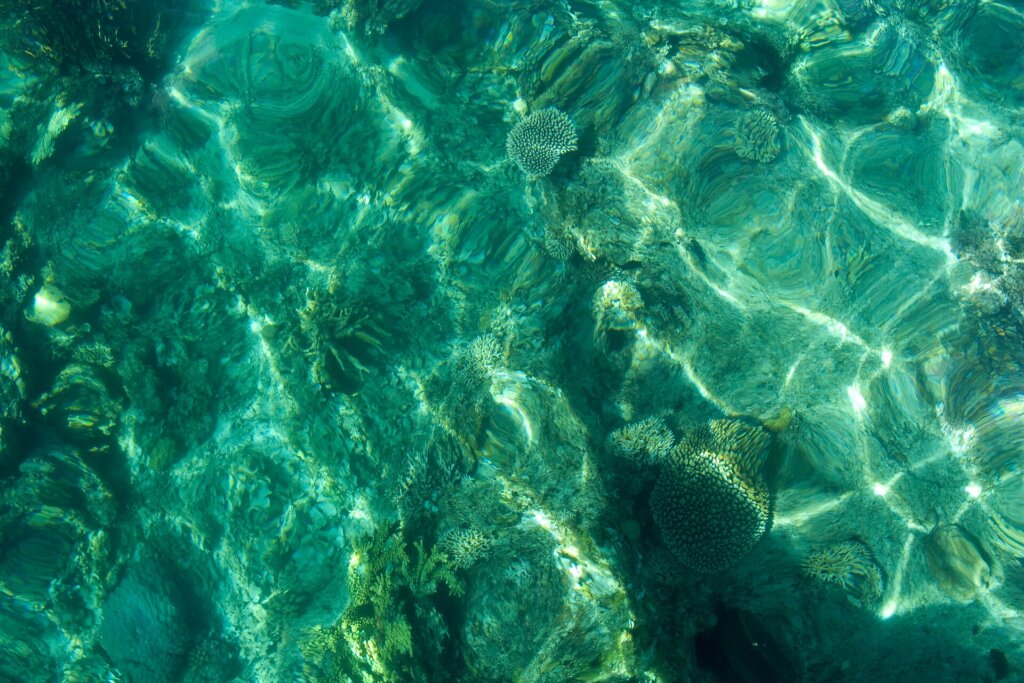
El Nido diving takes place inside and around Bacuit Bay, with day boats leaving the town beach each morning. Sites such as Dilumacad, Cathedral Cave, Miniloc Island and Helicopter Island offer swim-throughs, limestone walls, soft coral and macro life. Visibility typically ranges from 8 to 25 metres, and currents are mild, which suits newly certified and returning divers.
Most operators offer two-tank morning dives, discover scuba for beginners and PADI Open Water courses. Compare shops in our guide to dive shops in El Nido, and read the best time to dive in El Nido before you book.
The trade-off is that you will not see the large pelagic action Tubbataha is famous for. Expect turtles, rays, reef fish, nudibranchs and the occasional reef shark rather than constant shark and manta encounters.
A typical El Nido dive day starts with a briefing at 8 a.m., two dives separated by a surface interval on a quiet beach, and a return to town by early afternoon. That leaves the rest of the day for a massage, a sunset drink or a short snorkel. Night dives are limited, and most shops focus on morning departures when the sea is calmest.
Marine life highlights include blue-spotted stingrays, cuttlefish, lionfish, pipefish and plenty of soft corals in the sheltered bay. Photographers who love macro subjects often prefer El Nido because slow shallow dives give time to find tiny creatures, while wide-angle shooters get more from Tubbataha.
What Makes Tubbataha Special
Tubbataha Reefs Natural Park is a protected atoll system in the middle of the Sulu Sea, listed as a UNESCO World Heritage site. You can read the official description at UNESCO World Heritage Centre. Its remoteness limits visitors, which keeps reefs dense with hard coral and fish life.
Divers regularly report white-tip and grey reef sharks, hawksbill and green turtles, schooling jacks and barracuda, large manta rays, and in some seasons whale sharks. Walls drop into deep blue water, and vertical visibility often exceeds 30 metres.
Access is only by liveaboard, usually departing Puerto Princesa, and the dive season is short, running roughly from mid-March to mid-June. Park management information is available through the Tubbataha Management Office.
A day on a Tubbataha boat usually includes three or four dives, with briefings, meals and rest in between. Expect early wake-up calls, shared dive decks and limited connectivity. Most guests describe the trip as intensely focused: you eat, dive, sleep and repeat, and the reward is hours underwater in one of the healthiest reef systems in Southeast Asia. The rangers stationed on the atoll also enforce strict rules on anchoring, fishing and waste, which is why the site has recovered so well and why liveaboards must follow detailed park regulations.
Side-by-Side Comparison
This table summarises the main differences using typical 2026 planning figures. Prices vary by operator, cabin type and season.
| Factor | El Nido day diving | Tubbataha liveaboard |
|---|---|---|
| Season | Nov to May (best Feb-May) | Mid-Mar to mid-Jun only |
| Typical cost | PHP 3,500-5,000 for 2 dives | USD 2,500-4,500 for 7-10 days |
| Experience level | Beginner to advanced | Advanced Open Water, 50+ dives advised |
| Big animals | Occasional sharks and rays | Frequent sharks, mantas, schooling fish |
| Non-diving time | Beaches, lagoons, nightlife | None; mostly on the boat |
| Logistics | Fly or van to El Nido | Fly to Puerto Princesa, board boat |
| Flexibility | High, book day by day | Low, fixed itinerary |
Reading the table honestly, neither destination wins every row. El Nido wins on cost, flexibility and variety, while Tubbataha wins on animal encounters and reef condition. The best choice depends on which row matters most to you, and on how many dives you have logged.
If you are travelling as a mixed group of divers and non-divers, El Nido is the clear answer because everyone can share lagoons and beaches in the afternoon. For a dedicated dive holiday with a serious logbook goal, Tubbataha deserves the time and money, and planning it around the March to June window should be your first booking decision.
Finally, think about recovery time. Back-to-back diving days add up physically, so build at least one rest day into any itinerary, and keep your final dive at least eighteen to twenty-four hours before flying, following the guidance of your training agency and dive operator.
Budget and Hidden Costs
El Nido can be done on almost any budget because you pay per dive day and stay in the accommodation tier you prefer. A week of diving, accommodation and meals typically costs far less than a single Tubbataha liveaboard cabin. Equipment rental, nitrox and marine park fees add up, so ask what is included.
Tubbataha trips usually include accommodation, meals, tanks and weights, but often exclude the park fee, gear rental, nitrox, alcohol and crew tips. Budget an extra 10 to 15 percent beyond the headline price, plus pre-trip hotel nights in Puerto Princesa.
Whichever you choose, protect yourself with dive-specific cover. Our comparison of DAN dive insurance versus standard travel cover explains what each policy covers, and the El Nido travel insurance guide covers the basics.
Skill Level and Safety
El Nido is forgiving. Instructors regularly guide divers returning after a long break, and shallow reefs suit refresher dives. Tubbataha is more demanding: currents can be strong, dives are often deeper, and surface conditions can be choppy. Many operators require Advanced Open Water certification and a minimum number of logged dives.
If you have not dived in a year, schedule a refresher in El Nido first. Check standards and course options at PADI. Always tell your guide about medical conditions, and never fly within the recommended no-fly window after diving, which affects when you can catch your flight home.
Pack your own mask, dive computer and surface marker buoy if you own them, since rental gear quality varies. Bring reef-safe sunscreen, a lightweight windbreaker for boat decks, seasickness tablets for the Sulu Sea crossing and a dry bag for electronics. If you are prone to motion sickness, start medication the evening before departure rather than after the boat leaves port.
Combining Both and Making the Final Call
A strong plan for experienced divers is five days in El Nido followed by a liveaboard. Fly into Puerto Princesa, travel to El Nido for relaxed diving and lagoon days, then return south by van or flight to board the boat. Our El Nido getting there guide covers transfers.
If you are short on time and want more wreck diving instead of big animals, consider Coron wreck diving as a third option, which pairs well with El Nido on a north Palawan loop.
Remember the season mismatch. El Nido is at its best from February to May, which overlaps neatly with the opening of the Tubbataha season in March. Plan El Nido first in March and board the liveaboard in April for the best weather window across both destinations.
Pick El Nido if you are newly certified, travelling with non-divers, on a modest budget, or want flexible days. Pick Tubbataha if you are an experienced diver chasing sharks and manta rays and you are comfortable committing to a fixed schedule at sea. If you can only afford one and are unsure, start with El Nido; it will tell you whether you enjoy the rhythm of daily diving, and you can return for Tubbataha later with more logged dives.
Whichever you choose, book early. Tubbataha cabins for peak weeks often sell out six to twelve months ahead, and El Nido dive shops fill quickly around Easter and long weekends. Confirm cancellation policies, because weather can shorten or cancel liveaboard trips, and ask how refunds or rebooking are handled before paying a deposit.
Frequently Asked Questions
Can I dive Tubbataha from El Nido?
No. Tubbataha is accessed only by liveaboard departing from Puerto Princesa, and the crossing takes roughly ten to twelve hours.
Is Tubbataha better than El Nido for diving?
It has larger animals and healthier reefs, but El Nido is cheaper, more flexible and better for beginners and mixed trips.
When is the Tubbataha diving season?
Roughly mid-March to mid-June, when seas are calm enough for the long crossing. Outside this window the park is closed to visitors.
What certification do I need for Tubbataha?
Most operators ask for Advanced Open Water and a minimum number of dives, often 30 to 50. Check with your chosen boat.
How much does a Tubbataha trip cost compared with El Nido?
A liveaboard typically costs thousands of US dollars for a week, while a day of two-tank diving in El Nido costs a few thousand pesos.
Can non-divers join either trip?
Non-divers can enjoy El Nido easily through island hopping and snorkelling. Tubbataha liveaboards are designed for divers and offer little for non-divers.