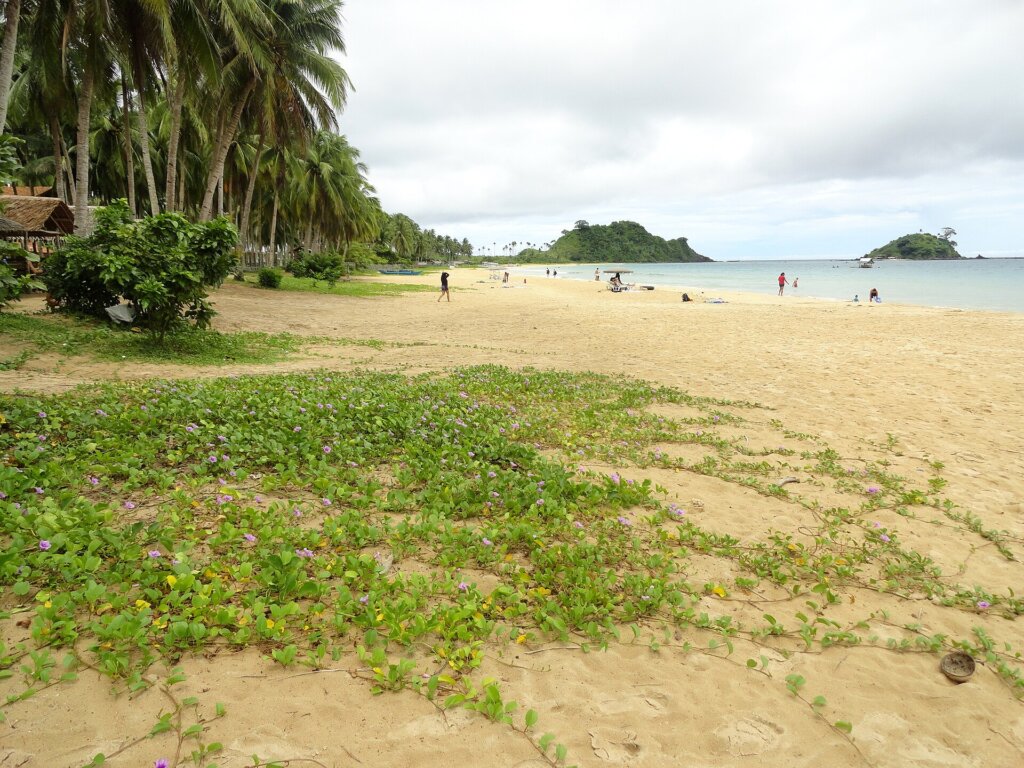
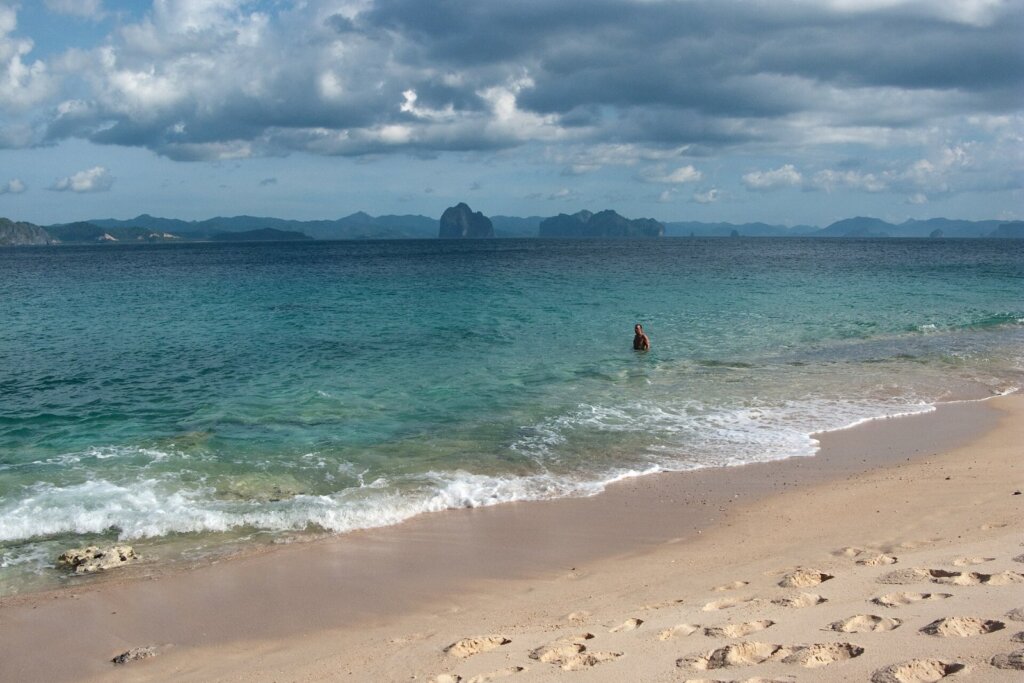
El Nido looks like paradise on a two-week holiday, but living here year-round is a different proposition. This guide focuses on retiring or long-staying in El Nido specifically for older travelers and early retirees who want realistic numbers, visa options and daily-life trade-offs instead of postcard fantasies.
- Why people consider retiring in El Nido
- Visa routes to understand before you move
- Monthly cost of living: realistic ranges
- Hidden costs people forget
- Housing: rent first, buy never in a hurry
- Healthcare and aging in place
- Internet, power and daily practicalities
- A typical week for a settled retiree
- Weather, seasons and typhoon planning
- Community, culture and respect
- Retire in El Nido vs other places: quick comparison
- A sensible trial-stay plan
- Questions to ask before you sign anything
- Frequently asked questions
- Final thoughts
Why people consider retiring in El Nido
The appeal is easy to see: warm weather, limestone cliffs, clear water, relaxed island pace and a growing community of foreign residents and returning Filipinos. Fresh seafood is plentiful, and a modest budget can stretch further than in many Western towns. Many retirees also like that the area is small enough to walk or tricycle around.
The trade-offs are just as real. Medical care is limited, supply chains are long, storms disrupt power and transport, and the town has grown busy with tourism. Treat your first visit as research, not a final decision. Our expat living guide gives a broader view of life on the ground.
Visa routes to understand before you move
Most tourists enter on a visa-free stay and extend it at immigration offices. That works for months, but not forever, and fees and paperwork add up. Retirees who want to stay longer often look at the Special Resident Retiree’s Visa (SRRV), run by the Philippine Retirement Authority. It offers a long-term residency path with an age-based deposit and pension requirements that differ between categories.
Always check current rules directly with the Bureau of Immigration and the PRA, because deposit amounts, fees and eligibility rules are updated. Do not rely on a forum post or an agent’s summary from a few years ago.
Monthly cost of living: realistic ranges
Costs depend heavily on lifestyle. The table below uses broad, illustrative bands rather than exact prices, which change with season and inflation. Treat them as a starting point and verify locally.
| Cost area | Frugal local-style | Comfortable mid-range | Western-style comfort |
|---|---|---|---|
| Housing | Basic room or small house outside town | Furnished apartment with aircon | Villa or resort-style home with view |
| Food | Mostly local markets and carenderia meals | Mix of local meals and restaurants | Frequent restaurants and imported groceries |
| Transport | Tricycle and walking | Scooter or regular tricycles | Car or private transfers |
| Utilities | Fan, minimal power | Aircon in the bedroom | Aircon throughout, backup power |
| Health and insurance | Out-of-pocket for basics | Private insurance for major events | Comprehensive insurance and evacuation cover |
Our long-stay monthly rentals guide explains how rental deals work, and our money and currency guide covers ATMs, cash and digital payments.
Hidden costs people forget
The monthly budget is only part of the story. Retirees regularly underestimate the one-off and irregular costs: visa renewals and agent fees, flights home for family events, replacement appliances that corrode in salty air, mosquito and pest control, generator fuel during long brownouts, and repairs after storms. Imported products such as specific medications, cheese, coffee or electronics can cost far more than at home. Add a buffer of at least fifteen to twenty percent to any budget you build, and keep a separate emergency fund that you can reach without depending on a single ATM or card.
Housing: rent first, buy never in a hurry
Foreigners generally cannot own land in the Philippines. Options include renting, leasing land long term, or buying a condominium unit where eligible. Informal arrangements and verbal promises cause many disputes. If you plan to build or lease, hire an independent Philippine lawyer, verify the title, and avoid paying large deposits before due diligence.
Rent first in different areas: walking distance to town, quieter beach areas, and the hills. Sleep quality, noise, flooding and road access vary a lot. Visit during heavy rain to see how drainage and roads behave.
Healthcare and aging in place
El Nido has clinics and pharmacies suitable for minor issues, but major emergencies often require transfer to Puerto Princesa, which can take hours by road, and sometimes onward to Manila or Cebu. Retirees with heart conditions, diabetes, mobility issues or regular specialist care need a clear plan, including medication supplies, insurance and evacuation options. Our first aid and pharmacy guide shows what is available locally, and the travel insurance guide explains cover to check.
Consider how your needs may change in ten years. Steps, uneven pavements, heat and distance from hospitals are manageable at 60, harder at 80.
Internet, power and daily practicalities
Reliable internet matters for banking, video calls with family and telehealth. Compare local carriers in our SIM card and eSIM comparison, and expect occasional outages. Residents often keep two SIMs, a power bank and a small backup power source. Laundry, groceries and deliveries are workable but slower than in a big city. Banking can mean trips to larger towns, so set up online banking before you arrive.
A typical week for a settled retiree
Mornings tend to start early because of heat and noise from roosters and construction. Many residents walk or swim at sunrise, shop at the market for fish and vegetables, then rest through the hottest hours. Afternoons might mean a language lesson, volunteering, a boat trip with visiting friends or a long video call home. Evenings are quiet in the residential areas, with dinner at a favourite local place and an early night. Weekends can be busier in town because of tourists. The rhythm suits people who enjoy routine and nature, and frustrates people who need constant entertainment.
Weather, seasons and typhoon planning
The dry season is lovely, but the wet season brings rough seas, cancelled boats and occasional road problems. Follow forecasts from PAGASA, keep documents in waterproof storage, and keep an emergency kit with water, medicine, torch and cash. Having a second place to stay in Puerto Princesa during the strongest storms is a practical precaution some residents take.
Community, culture and respect
Long-term residents who thrive here tend to learn a few Tagalog or Cuyonon phrases, shop locally, hire local workers fairly and avoid acting like tourists in their own neighbourhood. Join community groups, volunteer, and respect local customs. Social life can be small, so people who need big-city amenities often feel isolated after the novelty fades.
Retire in El Nido vs other places: quick comparison
| Factor | El Nido | Puerto Princesa | Cebu area |
|---|---|---|---|
| Scenery and beaches | Exceptional | Good, more city | Mixed |
| Healthcare access | Limited | Better | Best of the three |
| Flights and connectivity | Via Lio Airport or road | International-linked airport | Major hub |
| Daily convenience | Small-town | Mid-size city | Big city |
A sensible trial-stay plan
- Spend one to three months in El Nido in the rainy season, not only the dry months.
- Rent in two different areas and track real monthly spending.
- Test healthcare: visit a clinic, locate the nearest hospital, and ask how emergencies are handled.
- Speak to long-term residents of different ages and budgets.
- Only then consider a long-term visa and a lease.
Questions to ask before you sign anything
Before you commit to a lease, a visa agent or a property purchase, write down your questions and get answers in writing. Ask landlords who pays for repairs after storms, whether electricity is metered fairly, how water is supplied during dry spells, and what happens if you need to leave early. Ask agents exactly which government fees are included, which are extra, and which documents you will receive. Ask neighbours about flooding, noise and road access in the wet season. Ask your bank how foreign card withdrawals are charged and what limits apply. Finally, ask yourself whether you would still be happy here if a typhoon cancelled your boats, flights and internet for three days. If the answer is yes, you are probably ready for a longer trial stay, and a longer trial is the best way to turn a holiday daydream into a confident, informed decision about your next chapter.
Frequently asked questions
Can foreigners retire in El Nido?
Yes, many foreigners live in Palawan on long-stay visa extensions or a retirement visa. Rules and deposit amounts change, so confirm current requirements with the Philippine Retirement Authority and the Bureau of Immigration before you commit.
Is El Nido cheaper than Manila or Cebu to live in?
Daily food and local transport can be cheaper, but imported goods, reliable internet and quality housing near town often cost more because supplies arrive by road or sea. Many retirees find the total is similar to a mid-sized city once they add flights and backup power.
What about healthcare for retirees?
El Nido has clinics for routine care and first aid, but serious conditions usually mean transfer to Puerto Princesa or beyond. Retirees with chronic conditions should plan around medication supply, evacuation cover and proximity to a hospital.
Can I own land or a house?
Foreigners generally cannot own land in the Philippines, though they can own a condominium unit within limits or lease land long term. Get a Philippine lawyer to review any contract before paying a deposit.
How reliable are power and internet?
Brownouts and weak connections still happen, particularly in storm season. Many residents combine a mobile data plan, a backup SIM and a small power setup. See our guides on connectivity and outages for specifics.
Should I rent first before deciding?
Absolutely. A three to six month trial stay that includes the rainy season shows you the real rhythm of town and helps you test housing, healthcare access and community before making long-term decisions.
Final thoughts
El Nido can be a wonderful place to spend your later years, but it works best for people who are healthy, flexible and comfortable with small-town limits. Try a long stay first, run the numbers honestly, and plan for healthcare and storms before you fall in love with the view.