
El Nido draws visitors because of clear water, limestone cliffs and healthy reefs, and plastic waste is one of the quickest ways to damage all three. This guide focuses on single-use plastic specifically for visitors who want to follow local expectations, avoid awkward moments at restaurants or boats, and travel with a smaller footprint. You will find practical swaps, a comparison table, a packing list and advice on how to check current rules before you go.
- Why Plastic Matters So Much in El Nido
- How to Check the Current Rules
- Water: The Biggest Source of Visitor Plastic
- Food, Drinks and Takeaway Habits
- Accommodation: Small Choices With Big Impact
- On Tours and at the Beach
- Everyday Swaps Comparison Table
- A Low-Waste Packing List
- Teaching Kids and Groups to Travel Light
- Supporting Businesses That Care
- Common Mistakes and Final Advice
- Frequently Asked Questions
Why Plastic Matters So Much in El Nido
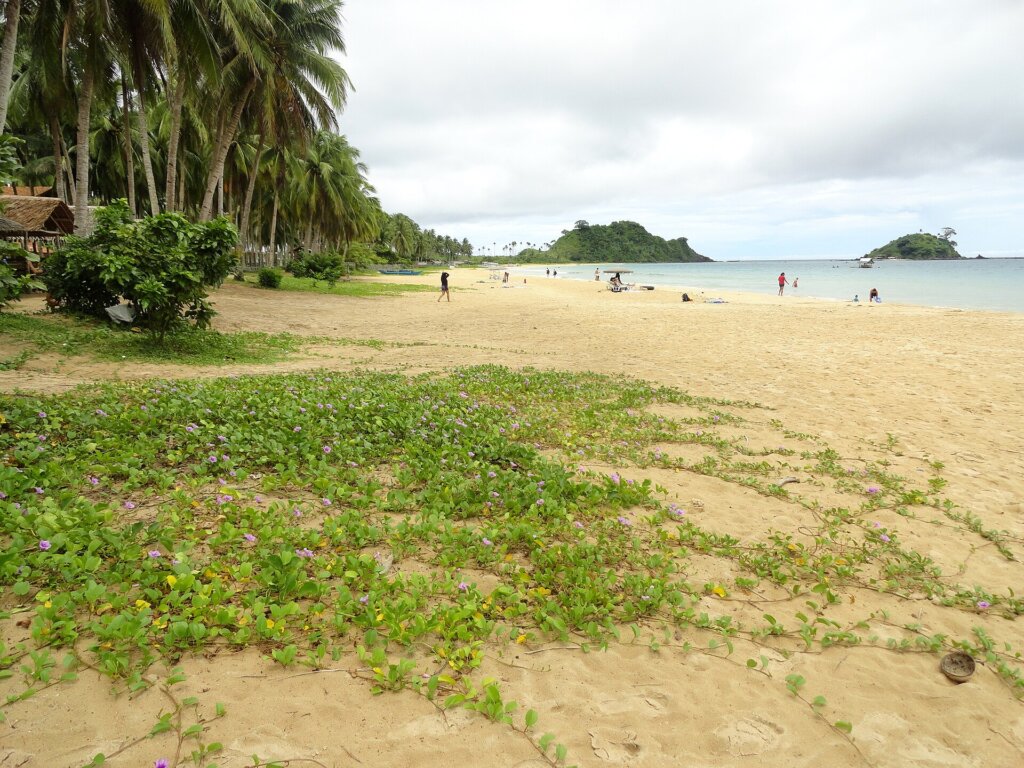
Bacuit Bay and the surrounding waters are part of a protected landscape, and the tourism economy depends on the reefs, beaches and lagoons staying healthy. Plastic bottles, straws, sachets and bags can drift from town into the sea, harm marine life and spoil the views visitors came to enjoy. Remote islands and small communities also have limited waste-handling capacity, so every item that arrives with you becomes a local disposal problem.
Responsible travel here is not about perfection. It is about making a handful of smart choices early in your trip that remove most of the waste you would otherwise generate. Visitors who plan ahead often find that they spend less, too, because refills and reusable items cost less than repeated purchases.
How to Check the Current Rules
Local regulations on single-use plastics, fees and protected-area access can change, and enforcement differs between businesses. Treat anything you read online, including this article, as a starting point and confirm details when you arrive. The best sources are your accommodation, your tour operator and official channels. The Department of Environment and Natural Resources shares national environmental policy at denr.gov.ph, and the Department of Tourism publishes traveler notices.
Ask three simple questions
When you check in, ask whether the property offers refill water, whether the tour company provides reusable containers and whether any plastic restrictions apply on boats or at beaches. Asking politely shows respect and often leads to useful local tips. Staff generally appreciate visitors who care about the place they work in.
Water: The Biggest Source of Visitor Plastic
Bottled water is the largest single plastic item most travelers consume. Instead of buying a new bottle each day, bring a sturdy refillable bottle and use refill stations where available. Our refill stations guide explains how the system works, and our tap water safety guide covers why you should not drink directly from the tap.
If your accommodation offers filtered or large dispenser water, use it to fill your bottle in the morning. For tour days, carry enough for the full trip and ask your operator whether they can refill containers on board. Add electrolyte tablets instead of buying sachet drinks, which reduces small plastic waste.
Food, Drinks and Takeaway Habits
Restaurants and cafés use plastic straws, cups, cutlery and takeaway containers in many places, even as awareness grows. Bring a small kit with a reusable cup, folding cutlery and a lidded container. Politely say no straw when you order, and ask for drinks in glass or a reusable cup if available. Street food vendors often wrap items in disposable packaging, so carrying your own container can cut waste quickly.
Snack choices matter too. Buy fruit, bread or items sold with minimal packaging, and avoid individually wrapped snacks when possible. Shopping at local markets usually produces less plastic than a convenience store run, and it supports small businesses directly.
Accommodation: Small Choices With Big Impact
Hotels and hostels generate a lot of hidden plastic through sachets, mini toiletries, bottled water in rooms and disposable slippers. When you book, check whether the property uses refillable dispensers, offers drinking water on tap from a filter system, or lets guests opt out of daily housekeeping to reduce laundry and supplies. If you stay several nights, politely decline items you do not need.
Bring your own toiletries in refillable bottles and use a solid shampoo bar if you prefer. Keep a small bag in your room for recyclables and ask where they can be dropped off. Even if a property lacks formal recycling, separating clean plastic, glass and cans helps staff and local collectors manage waste more effectively. Leaving positive feedback on review sites encourages more businesses to adopt these practices.
On Tours and at the Beach
Island-hopping days produce a surprising amount of waste if nobody plans for it. Bring your own bottle, snacks in reusable containers and a small bag for any trash you generate. Never leave rubbish on the sand, and do not toss anything overboard. If a boat does not provide bins, carry your trash back to town.
Sunscreen is another consideration. Choose a reef-safe formula and apply it before boarding so it does not wash off in the water, then bring any packaging home. Snorkelers should also check gear for loose straps or parts that could fall into the sea. Our snorkeling gear guide covers equipment choices, and our Tour A guide shows what a typical tour day involves.
Everyday Swaps Comparison Table
| Single-Use Item | Reusable Swap | Where It Helps Most | Effort |
|---|---|---|---|
| Bottled water | Refillable bottle | Daily use and tour days | Low |
| Plastic straw | Metal or bamboo straw, or none | Cafés and bars | Low |
| Takeaway cup | Reusable cup | Coffee and smoothies | Low |
| Plastic bag | Foldable tote | Markets and shops | Low |
| Sachet toiletries | Refillable travel bottles | Hotel stays | Medium |
| Takeaway box | Lidded container | Street food | Medium |
Start with the low-effort rows. Bottle, tote and no straw alone eliminate a large share of everyday visitor waste.
A Low-Waste Packing List
Pack a refillable bottle, tote bag, reusable cup, folding cutlery, a small lidded container, solid soap or shampoo bars, refillable toiletry bottles and a reusable mesh or dry bag for wet items. Bring reef-safe sunscreen in a larger container rather than many small tubes. Our packing list offers a full rundown of other items.
Do not buy a lot of new gear just for one trip. Use what you already own, and choose durable items you will use again at home. A good habit is to set aside a small pouch for any trash you generate on tours, so you can dispose of it properly when you return.
Teaching Kids and Groups to Travel Light
Families and groups can turn low-waste travel into a shared game. Give children their own bottle and a small pouch for trash, and reward them for finding a refill station or picking up a wrapper. Groups can assign one person to carry a collection bag during tours and beach stops, and rotate the job each day. Setting expectations early avoids arguments and makes the habit stick.
If you are traveling with a large group, talk to your operator before the tour about bringing shared water containers instead of dozens of individual bottles. Many guides welcome the idea and can suggest practical ways to do it safely. Little by little, these habits shift what visitors expect and what businesses offer.
Supporting Businesses That Care
Choose accommodation and operators who show clear environmental practices, such as refill water, waste separation, reef-safe policies and community involvement. Our sustainable travel guide and sustainable tourism overview discuss what to look for. Be cautious about vague green claims; ask what the business actually does, and notice whether practices match the marketing.
You can also help by joining a clean-up if one is advertised, leaving constructive feedback with your host and reporting any serious pollution or wildlife harm to local authorities. Small acts of attention add up in a destination this sensitive.
Common Mistakes and Final Advice
Common mistakes include assuming refill water is unavailable, buying bottled water out of habit, forgetting a bag at the market and leaving small wrappers behind on the beach. Another is relying on one reusable item without a plan, such as bringing a bottle but nowhere to refill it. Learn where refills are on day one and make them part of your routine.
Follow the golden rule of Leave No Trace: carry out what you carry in, respect marine life and follow guidance from guides and rangers. Check current local rules before you travel, be flexible and be kind. Doing so keeps El Nido beautiful for the people who live here and the visitors who follow you.
It also helps to keep perspective. You will not be perfect on every day, and that is fine. Aim to reduce the obvious waste, such as bottles, straws and bags, and learn from each day how to do a little better. Share what works with fellow travelers you meet, because practical tips spread faster by word of mouth than by any sign or campaign. A destination stays healthy when many visitors make modest, consistent choices, and your efforts will be noticed by the people who live and work here.
Frequently Asked Questions
Is there a single-use plastic ban in El Nido?
Local and provincial rules on single-use plastics exist in parts of Palawan and can change, and enforcement varies. Ask your accommodation or tour operator for the current situation when you arrive.
Can I drink tap water in El Nido?
It is generally recommended to drink filtered or bottled water rather than tap water. Use refill stations where available to avoid buying many bottles.
What should I bring to cut plastic on a tour?
A refillable bottle, reusable snack containers, reef-safe sunscreen, a dry bag and a small bag for your trash. Never leave waste on the beach or in the water.
Are reusable straws and cups accepted in cafés?
Most places are happy to fill your own cup or serve a drink without a straw. Ask politely when ordering.
How can I check current rules before I travel?
Contact your hotel or operator, and check official sources such as the Department of Environment and Natural Resources and the Department of Tourism for notices.