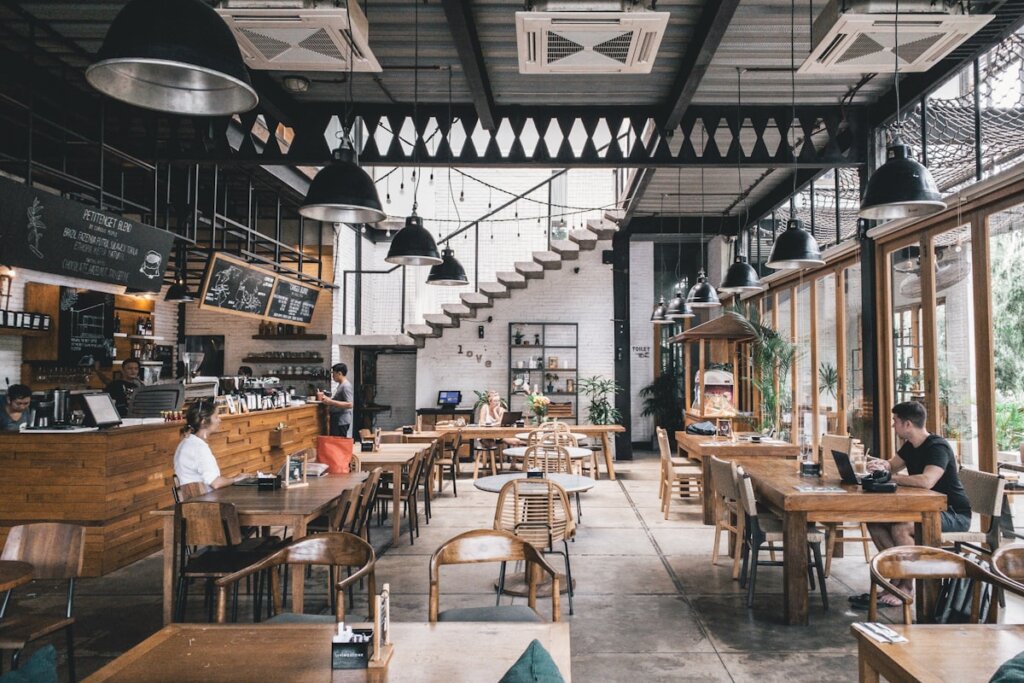
El Nido has a reputation for expensive meals, and beachfront dinners can indeed cost more than a night in a dorm. This guide focuses on eating well for under 200 pesos at a time, written for backpackers, long-stay visitors and anyone whose budget is stretched by tours and transport. The list below is organised by type of food and place rather than a fixed set of restaurants, because small eateries change names and prices often.
How the 200-Peso Budget Works
A budget of 200 pesos per meal is realistic if you accept a few rules. Eat where locals eat, order rice-based plates, and skip imported drinks. Prices here are rough planning ranges for 2026, not guaranteed menu rates, and they rise in peak season. Most of the places below are cash only, so withdraw before you go, as covered in our guide to GCash and e-wallet payments.
Cheap Eats Comparison Table
| Type of place | Typical dish | Rough price (PHP) | Best time | Fills you up? |
|---|---|---|---|---|
| Carinderia (cafeteria-style stall) | Rice with one or two viands | 80 to 150 | Lunch | Yes |
| Street grill | Grilled pork or chicken skewers with rice | 60 to 130 | Evening | Yes |
| Noodle shop | Pancit or mami soup | 70 to 140 | Any time | Moderate |
| Bakery | Pandesal, ensaymada, bread rolls | 10 to 60 | Breakfast | Light |
| Fruit stand | Fresh fruit or shakes | 40 to 120 | Afternoon | Light |
Ten Budget Meals Worth Seeking Out
- Carinderia rice plates. Point at two viands, such as adobo and a vegetable dish, and get rice included. This is the cheapest full meal in town.
- Silog breakfasts. Garlic fried rice with egg and a meat such as tapa or longganisa usually sits comfortably under 200 pesos.
- Pancit canton. Stir-fried noodles with vegetables are filling and easy to find, and many places will add egg for a small extra.
- Grilled isaw and barbecue sticks. Street grills sell skewers for a few pesos each; two or three plus rice make a cheap dinner.
- Lugaw or arroz caldo. A warm rice porridge that is cheap, gentle on the stomach and good after a long boat day.
- Pandesal and coffee. A bag of fresh rolls from a bakery and a hot sachet coffee costs less than a single cafe pastry.
- Halo-halo. The shaved-ice dessert is a treat, and small local versions cost a fraction of resort prices.
- Buko juice. Fresh coconut is hydrating, cheap and sold by the roadside. See our coconut treats guide for more.
- Fried fish with rice. Whole small fish such as galunggong, fried and served with rice and vinegar dip, are budget staples.
- Banana cue and turon. Caramelised banana snacks are a street-side bargain and a great afternoon fuel.
Where and When to Eat Cheaply
The cheapest food is found away from the main beach road. Walk a block or two inland, look for plastic chairs, steam trays and handwritten menus, and you will usually find prices drop by a third. Lunch is the best value meal because carinderias have the freshest selection before 1 p.m. For dinner, street grills operate from late afternoon, and our street food guide explains what to order and how to judge freshness.
A local market also helps if your accommodation has a kitchen. Buying rice, vegetables, eggs and fish for a simple home-cooked meal can cost less than a single restaurant plate. The Department of Tourism promotes local food experiences as part of responsible travel, and spending at small family stalls keeps money in the community.
Money-Saving Tricks That Actually Work
- Skip bottled water. Use refill stations; our refill station guide lists how it works.
- Share large plates. Many carinderias serve portions big enough for two when paired with extra rice.
- Eat your biggest meal at lunch and a light meal at night.
- Bring a reusable container for takeaway and avoid single-use packaging.
- Ask about the price before ordering at any place without a printed menu.
Food safety matters on a budget. The World Health Organization advises choosing food that is thoroughly cooked and served hot, and washing hands before eating. If your stomach is delicate, begin with cooked dishes and add more adventurous items gradually. For a broader view of the region’s cuisine, read our local dishes guide.
Sample Day of Eating for About 450 Pesos
Breakfast: Silog and Coffee
Start with garlic rice, egg and cured pork at a small breakfast counter, plus a hot coffee. Expect about 120 to 160 pesos in total. If you prefer something lighter, pandesal with a spread is cheaper still and easy to carry onto a boat or trail.
Lunch: Carinderia Plate
Pick rice plus two viands, add a cold drink or water, and you are full for the afternoon at roughly 100 to 150 pesos. Go before the lunch rush ends, since the best dishes sell out first and the remaining items may sit longer.
Dinner: Grill and Fruit
End the day with skewers, rice and a fruit shake or a banana snack for dessert. That comes to around 150 to 200 pesos, and you will have eaten three satisfying meals for less than the price of one restaurant main course. Add a small tip when someone prepares your food fresh, and always return plates and containers tidily.
What to Avoid When Eating on a Budget
Be wary of menus without prices, especially near the beachfront, where the same dish may cost double. Avoid imported drinks and cocktails, which can quickly wreck a day’s budget. Do not buy seafood by weight without agreeing a total price first. Prepared food at tourist-focused stalls may be pricier and smaller, so compare two or three places before you commit. If something looks too cheap or smells off, trust your instincts and move on.
Finally, remember that budget eating works best as part of a wider spending plan. If you save at breakfast and lunch, you can afford one memorable dinner or a tour you have been eyeing. Balancing cheap local meals with the occasional splurge is the most reliable way to enjoy El Nido without stress.
Drinks and Snacks Between Meals
Between meals, the cheapest ways to stay energised are fruit, nuts and local snacks sold at roadside stalls. A bag of peanuts, a slice of watermelon or a cup of sago and gulaman costs very little and keeps you going on a hot afternoon. Buy water in large refillable containers rather than small bottles, and carry a flask on tour days. Plastic waste is a real problem in coastal towns, and the Department of Environment and Natural Resources encourages visitors to reduce single-use plastics wherever possible.
Eating Cheaply on Tour Days
Island tours include lunch, which is usually a simple grilled meal with rice, fish, vegetables and fruit. That means a tour day is already one of your cheaper food days. Pack a pastry or fruit for the morning and a snack for the trip back, and you can skip an expensive dinner if you wish. Tell the crew in advance about any allergies or dietary needs, because it is hard to adjust once the food is cooking on board. For packing tips, see our boat tour packing guide.
Long Stays and Cooking for Yourself
If you stay a week or more, a guesthouse with a shared kitchen changes everything. Buy rice, eggs, vegetables and fish at the market in the morning, cook one big meal, and use leftovers for lunch the next day. Many long-stay visitors find they spend half as much as those who eat out three times daily. Bring a small knife, a reusable bag and a few basic spices, since these are often missing or expensive. Always wash produce with clean water and cook meat and fish thoroughly.
The pattern across all of these options is the same: eat where locals eat, order simple food, avoid unpriced tourist menus, and keep a small cash reserve for the day your plans change. With a little planning you can enjoy El Nido’s flavours without watching your wallet shrink.
One more habit helps: keep a running tally of what you spend on food each day in your phone notes. After two days you will know whether you can afford a nicer dinner, and you will notice which small purchases quietly add up. Many travelers are surprised that coffee, bottled drinks and snacks cost more over a week than a full local meal.
It also pays to learn a few Tagalog phrases. Asking “magkano po?” (how much?) before you order shows respect and prevents surprises. Saying “salamat po” when you collect your food goes a long way at small family-run counters, and cooks often respond with a bigger portion or a useful tip about what is freshest today. If you eat at the same stall twice, you will usually be remembered and treated like a regular. These small courtesies cost nothing, and they turn a budget meal into a friendlier, more memorable part of your trip.
Frequently Asked Questions
Is it possible to eat for under 200 pesos a meal in El Nido?
Yes, if you choose carinderia plates, street snacks and local noodle or rice dishes. Beachfront restaurants and tourist menus usually cost more, so the saving comes from where you eat rather than what you order.
Is street food safe in El Nido?
Choose busy stalls with fresh, hot food and visible turnover. Avoid anything that has been sitting out, and carry hand sanitiser. Stick to cooked items if you have a sensitive stomach.
Do cheap places accept cards or GCash?
Mostly no. Carry small cash notes, and use e-wallets only where a QR code is displayed. Our payments guide explains how they work in town.
What should I drink to save money?
Refill a bottle at a refill station instead of buying small plastic bottles, and choose local drinks like fresh buko juice or calamansi juice over imported soft drinks.
Are there vegetarian options at budget prices?
Yes. Look for vegetable dishes with rice, fried noodles with egg or tofu, and fruit shakes. Ask for dishes without fish sauce or shrimp paste if you avoid animal products.