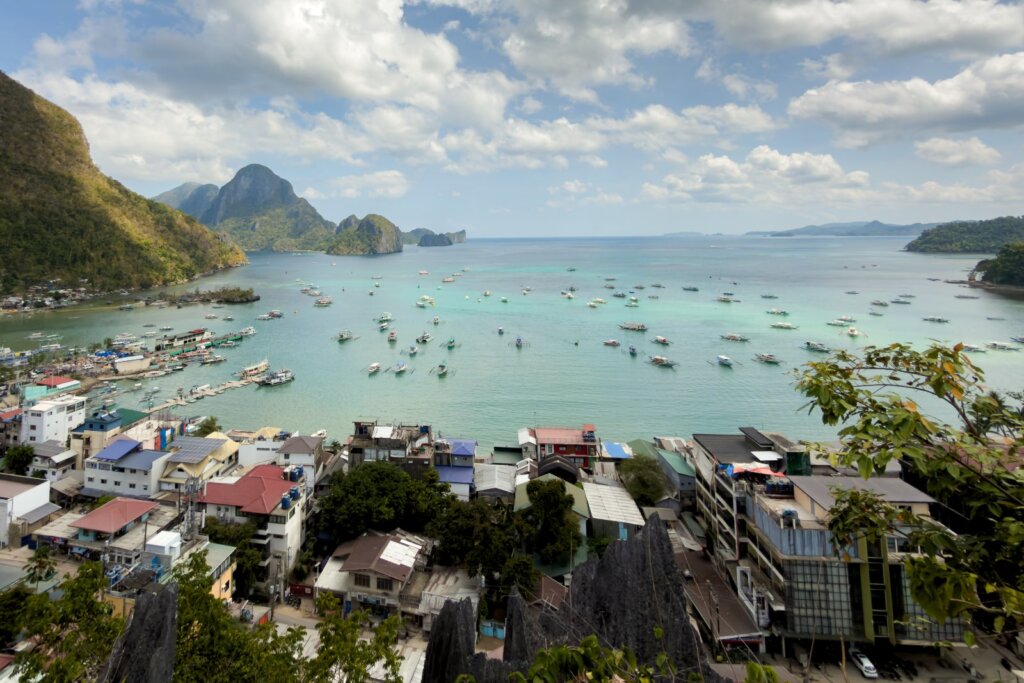

Some of the best eating in El Nido costs less than ₱100. While the town is increasingly known for its tourist-oriented restaurants serving Western breakfasts and cocktail-hour pizzas, a parallel food universe exists for those willing to explore: the morning fish market, the paluto grill, the turo-turo lunch counters, and the barbecue skewer stalls that come alive after sunset. This guide takes you through the best street food and local eats in El Nido for 2026.
- El Nido’s Food Culture: What to Know
- Must-Try Street Food & Dishes
- 1. Ihaw-Ihaw (Grilled Skewers)
- 2. Paluto (Pick Your Fish, They Cook It)
- 3. Sinuglaw (Grilled Pork & Ceviche)
- 4. Kinilaw (Filipino Ceviche)
- 5. Turo-Turo Lunch (Point-Point)
- 6. Sinigang na Isda (Sour Fish Soup)
- 7. Lechon Kawali (Crispy Pork Belly)
- 8. Fresh Tropical Fruit
- 9. Halo-Halo (Mixed Shaved Ice Dessert)
- 10. Balut (For the Adventurous)
- Where to Eat Like a Local in El Nido
- El Nido Food Budget Guide
- Food Safety Tips in El Nido
- Explore El Nido’s Full Food Scene
El Nido’s Food Culture: What to Know
El Nido’s food scene reflects its dual identity — a fishing town turned tourist destination. The local diet revolves around freshly caught seafood, rice, and a range of simple Filipino preparations. The tourist restaurant strip has expanded dramatically over the past decade, but the traditional food culture remains vibrant alongside it.
Key food culture facts:
- Seafood is the star: What you eat in El Nido was most likely swimming in Bacuit Bay yesterday. The freshness is incomparable.
- Rice with everything: Filipino meals are almost always accompanied by steamed white rice (kanin)
- Eating hours: Breakfast 6–9am, lunch 11am–1pm, dinner 6–9pm. Many local places close between meals.
- Prices: Local Filipino eateries (carinderia and turo-turo) serve meals for ₱60–150. Tourist restaurants charge ₱200–500+ for comparable food quality.
Must-Try Street Food & Dishes
1. Ihaw-Ihaw (Grilled Skewers)
After sunset, smoke-filled grilling stations appear throughout El Nido town — this is ihaw-ihaw culture. Chicken intestines (isaw), pork belly skewers (liempo), chicken feet (adidas), and fish balls are grilled over charcoal and served with spiced vinegar dipping sauce. Completely delicious, completely local, and completely unlike anything on the tourist restaurant menus.
Where to find: Along Real Street and side streets in El Nido town, starting around 5pm
Price: ₱10–25 per skewer
2. Paluto (Pick Your Fish, They Cook It)
The paluto system is one of Filipino food culture’s greatest inventions. You select a fresh fish or shellfish from the market (or the restaurant’s ice display), choose your preferred cooking method (grilled, sinigang/sour broth, adobo, or butter garlic), and they cook it for a small cooking fee. You pay the market price for the seafood plus ₱50–100 cooking charge.
This is the single best way to eat in El Nido — maximum freshness, your choice of preparation, and prices far lower than tourist restaurants serving the same fish.
Where to find: Several restaurants near the El Nido market practice paluto — ask the market vendors which nearby restaurant does paluto cooking
Price: Fish at market price (₱100–300 depending on type) + ₱50–100 cooking fee
3. Sinuglaw (Grilled Pork & Ceviche)
A uniquely Filipino dish — a combination of grilled pork (inihaw na baboy) mixed with fish or shrimp ceviche (kinilaw) dressed with vinegar, onion, ginger, and chili. The contrast of smoky grilled meat with bright, acidic ceviche is addictive. Common in Palawan’s restaurants and can sometimes be found at local eateries.
Price: ₱150–250 at local restaurants
4. Kinilaw (Filipino Ceviche)
El Nido’s version of ceviche — raw fish (typically tuna or tanigue/Spanish mackerel) “cooked” in vinegar and coconut vinegar, dressed with ginger, onion, chili, and sometimes coconut milk. The freshness of the fish in El Nido makes kinilaw exceptional. This is a beach and bar snack as much as a restaurant starter.
Price: ₱120–200 at local seafood restaurants
5. Turo-Turo Lunch (Point-Point)
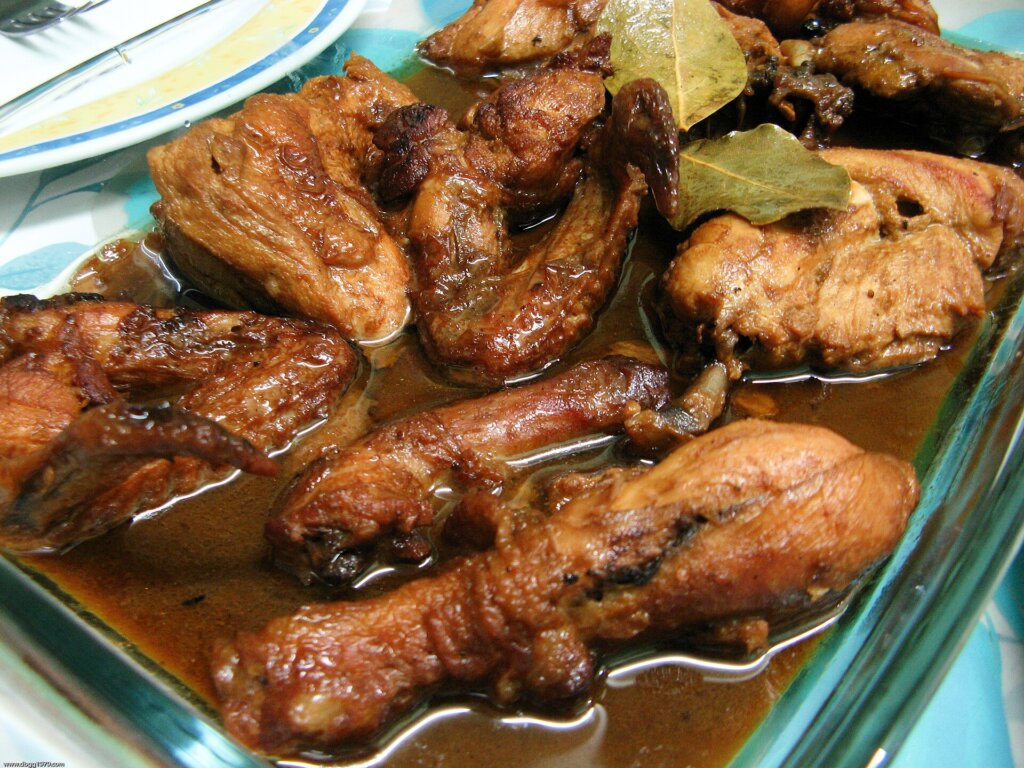
Turo-turo (literally “point-point”) is the Filipino equivalent of a cafeteria or steam table — a counter with a dozen pre-cooked dishes in trays, and you point at what you want. Common dishes include adobo (soy-vinegar braised pork or chicken), sinigang (sour tamarind soup), pinakbet (vegetable stew), lechon kawali (crispy pork belly), and various fish preparations.
El Nido’s turo-turo counters serve the most authentic and economical Filipino food in town — typically ₱60–100 for rice plus one or two dishes.
Where to find: Around the El Nido market area, and on side streets away from the main tourist strip
Price: ₱60–120 for a full meal
6. Sinigang na Isda (Sour Fish Soup)
El Nido’s freshness advantage shows most clearly in sinigang — a sour tamarind-based broth soup with fish (or pork or shrimp). Made with just-caught fish and local vegetables, El Nido’s sinigang is exceptional. A massive bowl of sinigang na tanigue (Spanish mackerel sinigang) with rice is one of the most satisfying and restorative meals you can have after a long day of island hopping.
Price: ₱150–250 at local restaurants
7. Lechon Kawali (Crispy Pork Belly)
Deep-fried pork belly cooked until the skin is shatteringly crispy — a Filipino comfort food staple available at turo-turo counters throughout El Nido. Often served with a liver-based dipping sauce (sarsa) or spiced vinegar.
Price: ₱80–120 at turo-turo counters
8. Fresh Tropical Fruit
El Nido’s proximity to fruit farms in northern Palawan means access to exceptional tropical fruit. The morning market sells fresh mango, papaya, dragon fruit, rambutan, lanzones, and mangosteen at prices far below what you’d pay in Manila. A bag of sweet Palawan mangoes for ₱50–80 is one of El Nido’s great food pleasures.
Where to find: El Nido morning market (open 6–10am)
Price: ₱30–80 per kilo depending on fruit type
9. Halo-Halo (Mixed Shaved Ice Dessert)
The Philippines’ most beloved dessert — a towering glass of shaved ice layered with sweetened beans, jellies, coconut strips, and often topped with a scoop of ice cream and purple yam (ube). In El Nido’s heat, a good halo-halo after a day of beach activity is sublime. Several simple eateries and bakeries in town serve it.
Price: ₱60–120
10. Balut (For the Adventurous)
The Philippines’ most notorious street food — a fertilized duck egg with a partially developed embryo inside, boiled and eaten with salt and vinegar. Sold by vendors in the evening in El Nido town. Culturally significant and genuinely an acquired taste. A rite of passage for adventurous eaters.
Price: ₱20–25 per egg
Where to Eat Like a Local in El Nido
El Nido Market (Morning)
The best food experience in El Nido starts at the market near the main pier, open from approximately 6am. Fresh fish just unloaded from boats, tropical fruit, vegetables, local snacks, and breakfast food are all available. This is where locals buy their daily food — and where you can buy fresh fish to take to a paluto restaurant for cooking.
Side Streets of Real Street
The side streets branching off Real Street (El Nido’s main tourist strip) are where local carinderias and turo-turo counters operate. Walk half a block in any direction from the main strip and you’ll find family-run eateries serving proper Filipino food at a quarter of tourist restaurant prices.
Corong-Corong Beach Strip
The restaurants lining Corong-Corong Beach offer a middle ground between tourist-oriented dining and authentic local food — fresh seafood grilled to order at reasonable prices, in an outdoor beachfront setting. The sunset dining experience here is among the best-value in El Nido.
El Nido Food Budget Guide
| Eating Style | Daily Food Budget | What You Get |
|---|---|---|
| Full local (turo-turo + market) | ₱200–350/day | 3 full Filipino meals, fresh fruit |
| Mixed (local lunches, tourist dinner) | ₱500–800/day | Local breakfast/lunch, restaurant dinner with drinks |
| Tourist restaurants only | ₱1,000–2,000/day | Western-style meals, cocktails, café breakfasts |
Food Safety Tips in El Nido
- Stick to cooked food from busy stalls — high turnover ensures fresher preparation
- The market fish is fresh, but kinilaw (raw fish ceviche) from less-reputable sources can cause illness — eat it at established restaurants
- Drink only bottled or filtered water with all meals
- Street food like ihaw-ihaw skewers are safe when cooked through on the grill — avoid anything that looks undercooked
Explore El Nido’s Full Food Scene
Street food and local eats are just one dimension of El Nido’s food scene. For a fuller picture — including the best restaurants for each meal, vegan options, and seafood dining — see our complete El Nido food guide. And for plant-based travelers, our El Nido vegan and vegetarian guide covers all the options across the town. For planning your full trip around El Nido’s food and beaches, start with our 3-day El Nido itinerary.