
Most visitors plan their El Nido trip around the weather, but the tide quietly shapes the experience just as much. Whether you can kayak into Small Lagoon, how wide the sand is at Nacpan, how clear the snorkeling looks, and even when your boat can reach a beach all depend on the rise and fall of the water. Understanding the basics of El Nido’s tides and sea conditions helps you time the best moments and avoid disappointment. This guide breaks down how the tides work here and how to plan around them in 2026.
How tides work in El Nido
El Nido experiences two high tides and two low tides in roughly each 24-hour period, with the exact timing shifting later by about 45 minutes to an hour every day. The difference between high and low water is moderate compared with some parts of the world, but it is more than enough to change what you can do. Tide times are driven by the moon, so they follow a predictable cycle you can check in advance using any tide table app or website for the El Nido and Bacuit Bay area. Downloading one before you arrive is wise, since connectivity on the water is unreliable.
Why the tide matters for island hopping
The famous lagoons of Bacuit Bay are the clearest example of tide-dependent access. At Small Lagoon, the narrow entrance is best entered by kayak or by swimming at mid to high tide; at very low tide the opening becomes shallow and awkward. Big Lagoon is more forgiving but is at its most magical when there is enough water for boats and kayaks to glide across the shallow turquoise flats. Guides and operators build their routes around these realities, which is one reason the standard tours visit sites in a particular order on a given day.
Tide also affects comfort and safety on the water. Stronger tidal movement can mean livelier currents around channels and points, so if you are prone to motion sickness it is worth reading our seasickness guide before a full-day trip. And when you are choosing between activities, our diving versus snorkeling guide explains how water movement and visibility shape the underwater experience.
Tides at the beaches
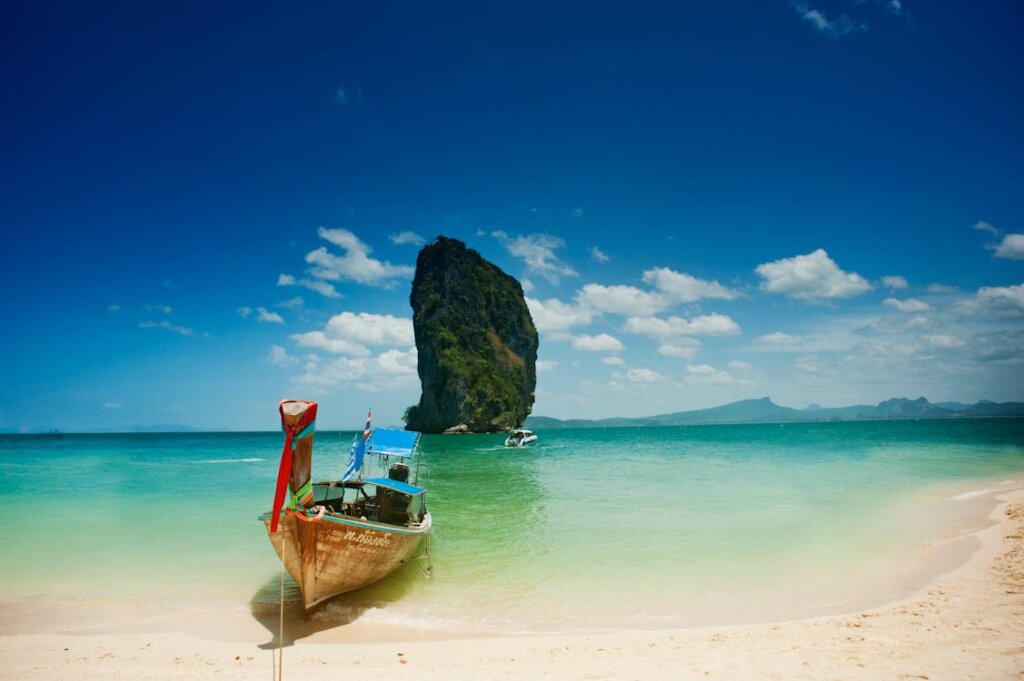
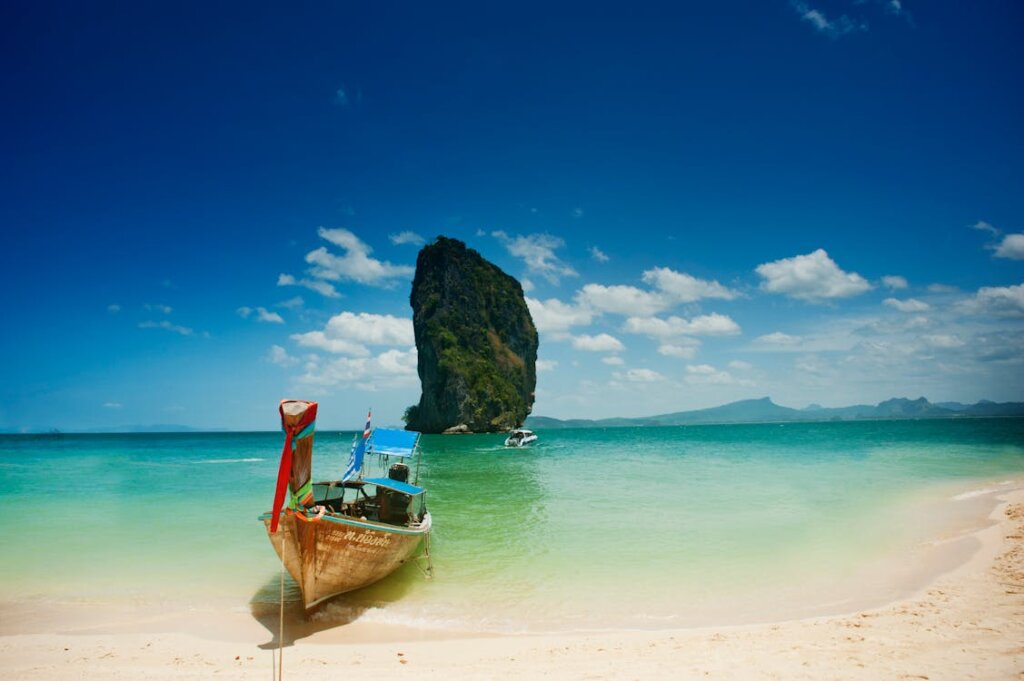
The beaches change character with the tide too. At low tide, wide beaches like Nacpan reveal expansive flats of firm sand — great for long walks but a longer wade before you reach swimmable depth. At high tide the swimming is easier and the water comes closer to the tree line and the beach clubs. Some smaller coves and sandbars only appear at low tide, creating photogenic spits of sand, while others essentially disappear at high water. If a particular beach or sandbar is on your must-see list, check the tide for that day so you arrive at the right moment.
| Activity | Best tide | Why |
|---|---|---|
| Small Lagoon kayak entry | Mid–high | Enough depth to pass the narrow entrance |
| Big Lagoon | Mid–high | Boats and kayaks glide over the shallows |
| Nacpan Beach swimming | High | Water reaches closer, easier to swim |
| Sandbar spotting | Low | Hidden sand spits are exposed |
| Snorkeling clarity | Slack / high | Less stirred sediment, calmer water |
Reading the wider sea conditions
Tide is only one part of the picture. Wind and swell often matter more for whether tours run at all. During the northeast monsoon and stormy spells, choppy seas can cancel island hopping regardless of the tide, and the small boats used here are sensitive to wind. Calm mornings are typical in the drier months, which is why operators favour early departures before the afternoon breeze builds. Visibility for snorkeling and diving improves when the water is calm and the tide is near slack, because there is less sediment stirred up. Checking a wind-and-swell forecast alongside the tide table gives you the fullest sense of what a day on the water will be like.
Planning your days around the tide
You do not need to obsess over tide charts, but a little planning pays off. Book standard island hopping tours and let the operators handle the timing — they know the bay intimately. For independent activities, check the tide the night before: schedule a self-guided kayak or a specific lagoon visit for mid to high tide, plan long beach walks and sandbar photos for low tide, and aim for early, calm mornings for the clearest water. If you are relying on tricycles or vans to reach a beach at a particular time, factor in travel using our getting around guide so you actually arrive on the tide you were aiming for.
Tides, currents and staying safe
The tide does more than dictate scenery — it influences currents, and currents are the main safety consideration for swimmers and snorkelers in El Nido. Water moving in or out of the lagoons and around headlands is strongest during the mid-tide period, when the volume of water shifting is greatest, and slackest around the top and bottom of the tide. If you plan to snorkel independently or swim off a beach, the calmer slack-tide windows are safer and clearer. Always enter the water with a buddy, stay within your depth and comfort, and be wary of drifting away from the boat or shore while you are absorbed in the reef below. Local guides read these conditions instinctively, which is a strong argument for joining a guided tour rather than striking out alone at an unfamiliar site.
Seasonal patterns layer on top of the daily tide. The drier season from around November to May generally brings calmer seas, more reliable island hopping and better underwater visibility, while the wetter months can add swell and stir up sediment even at a favourable tide. If your dates fall in the transitional periods, keep your itinerary flexible: shuffle activities so that water-based plans land on the calmest mornings and save land-based sightseeing, town wandering or spa time for rougher afternoons. Building this kind of flexibility into your schedule is the single best way to make the tide and sea conditions work for you rather than against you throughout your stay in El Nido, turning what could be a source of frustration into an easy rhythm you barely have to think about once you understand it.
Frequently asked questions
Does the tide affect whether I can enter Small Lagoon?
Yes. The narrow entrance to Small Lagoon is easiest to kayak or swim through at mid to high tide. At very low tide it becomes shallow and awkward, so operators time their visits accordingly.
How do I check tide times for El Nido?
Use any tide table app or website set to the El Nido or Bacuit Bay area, and download it before you arrive since data on the water is unreliable. Tides shift roughly an hour later each day, so check daily.
Is low tide or high tide better for El Nido?
It depends on the activity. High tide suits swimming and lagoon kayaking, while low tide reveals sandbars and firm beach flats. There is no single best tide — plan each activity around the right one.
Can the tide cancel my island hopping tour?
Tide rarely cancels tours on its own; wind and swell are the usual reasons for cancellation. However, tide does influence the order and timing of sites visited during the day.