
El Nido’s waters are just as breathtaking below the surface as above it, but should you snorkel or dive? Snorkeling is cheap, instant and open to almost everyone, while diving takes you deeper into a richer, quieter world at greater cost and with more training. This guide compares diving and snorkeling in El Nido on cost, skill, marine life and the best sites for each, so you can decide how to explore Bacuit Bay’s reefs, walls and coral gardens.
Snorkeling in El Nido
Snorkeling is the default underwater activity in El Nido, and for good reason. Most island hopping tours include stops at shallow reefs where you can slip off the boat with a mask and fins and immediately float above coral and darting reef fish. It requires no certification, minimal gear and only basic swimming confidence, making it perfect for families, casual travelers and anyone short on time.
The experience is social and flexible: you surface whenever you like, share the moment with your group and hop between sites as the boat moves. The trade-off is that you stay at the surface, so you miss the deeper coral formations and the calm of being fully submerged. For gear advice and what to bring, see our El Nido snorkeling gear guide.
Diving in El Nido
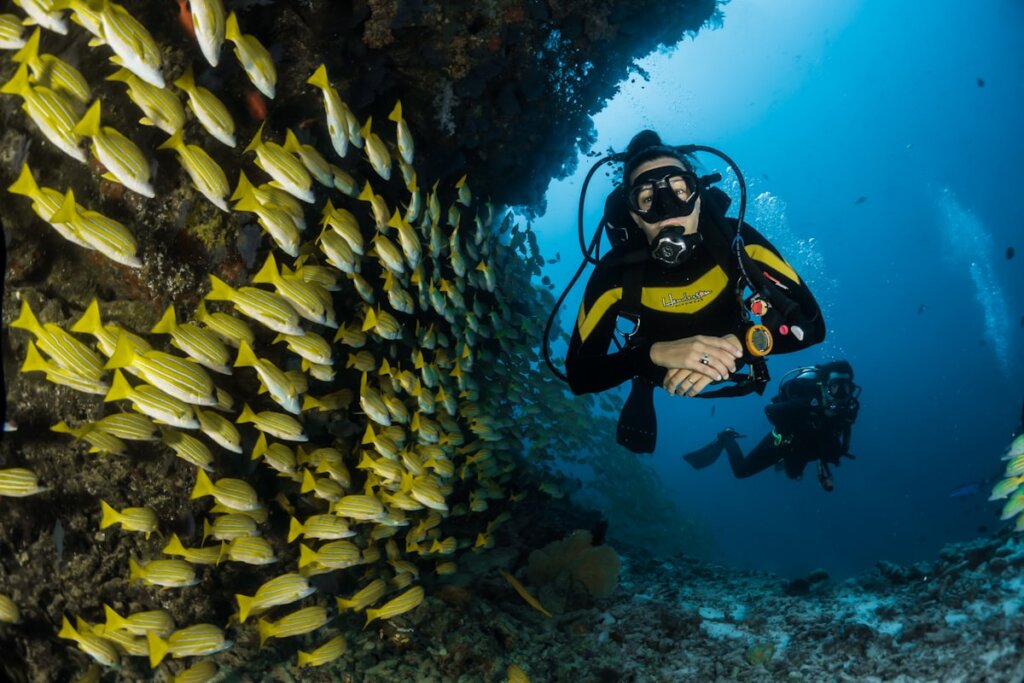
Diving unlocks a different dimension of Bacuit Bay. Below the surface you find dramatic walls, coral gardens and more abundant fish life, often with better visibility and far fewer people than the busy snorkeling stops. Certified divers can explore sites at a relaxed pace, hovering weightless among the reef, while the deeper environment tends to reward patience with sightings of turtles and larger species.
Diving does demand more: an Open Water certification for independent dives, a bigger budget, and a little more planning. The reward is immersion in the truest sense, and for many the extra effort is well worth it. To understand the courses and options, read our El Nido diving certification guide, and browse the El Nido dive sites map to see what is on offer.
Diving vs snorkeling at a glance
| Factor | Snorkeling | Diving |
|---|---|---|
| Cost | Low, often included in tours | Higher, per dive or package |
| Training | None needed | Certification or guided intro |
| Depth | Surface, shallow reefs | Walls and reefs at depth |
| Marine life | Reef fish, coral, turtles | More fish, bigger species |
| Best for | Families, casual, quick fun | Enthusiasts, immersive days |
| Effort | Minimal | Moderate, more planning |
New to diving? Try Discover Scuba
If you have never dived but are curious, you do not have to commit to a full course. Discover Scuba Diving is a guided introductory experience where a professional instructor takes you on a single supervised dive after a short briefing, no certification required. It is a safe, low-commitment way to feel what breathing underwater is like and decide whether to pursue a full Open Water course later.
Many El Nido dive shops offer these intro dives, and they are hugely popular with travelers who want more than snorkeling but are not ready to certify. If you love it, you can often roll straight into a certification course during the same trip, turning a spur-of-the-moment try into a lifelong hobby.
Best conditions and timing
Both diving and snorkeling shine in the dry season, roughly November to May, when calm seas and clear water deliver the best visibility. During the wetter months, storms and runoff can cloud the water and cancel trips, though good days still happen between systems. Mornings generally offer calmer conditions before afternoon winds build.
Because conditions swing with the seasons, timing your visit matters as much for underwater plans as for beach days. Our best time to visit guide breaks down the weather month by month so you can aim for the clearest water and the smoothest boat rides.
So which should you choose?
Choose snorkeling if you want easy, affordable, instant access to reefs, are traveling with mixed abilities, or simply want to combine underwater time with a classic island hopping day. Choose diving if you crave depth, richer marine life and a calmer, more immersive experience, and you have the time and budget for it. The best answer, for most visitors, is to do both.
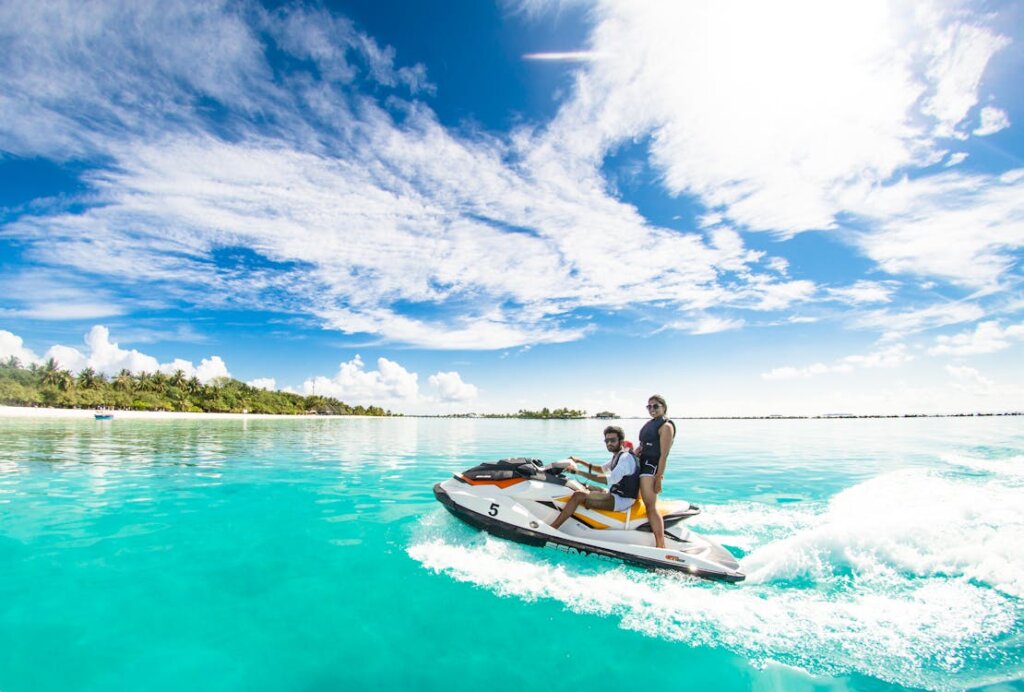
Snorkel on your group island hopping tours to soak up the highlights, then book a dedicated dive day, or a Discover Scuba session, to go deeper. If you want maximum flexibility to chase the best sites and conditions, consider a private boat charter, which lets you tailor the day around the water rather than a fixed schedule.
What you will see underwater
El Nido’s reefs are alive with color. Snorkelers floating over the shallows typically spot clownfish darting among anemones, parrotfish grazing on coral, wrasse, sergeant majors and shimmering schools of small reef fish, all set against hard and soft corals in vivid greens, purples and golds. Sea turtles make regular appearances at certain sites, gliding calmly beneath snorkelers and thrilling first-timers and veterans alike.
Divers who descend the walls and deeper reefs encounter an even richer cast. Beyond the reef fish, there are moray eels tucked into crevices, cuttlefish, lionfish, sea snakes and, with luck and the right site, larger visitors passing along the drop-offs. The deeper coral gardens are healthier and less trafficked than the busy snorkeling stops, so divers often enjoy both better marine density and a quieter, more meditative experience. Whichever way you explore, remember to look but never touch, keep fins clear of the coral, and let El Nido’s underwater world stay as vivid for the next visitor as it is for you.
Key takeaways for the water
There is no single right answer to diving versus snorkeling in El Nido, only the choice that fits your budget, time and comfort in the water. Snorkeling gives instant, affordable access to bright reefs and suits nearly everyone, while diving trades higher cost and a little training for depth, richer marine life and serene, uncrowded sites. If you are curious but uncertified, a guided Discover Scuba dive bridges the gap. Time your trip for the dry season for the clearest water, protect the reef by looking without touching, and consider doing both to experience the full range of Bacuit Bay’s underwater beauty.
Frequently asked questions
Is El Nido better for diving or snorkeling?
Both are excellent. Snorkeling is ideal if you want easy, low-cost access to colorful reefs straight off the boat, while diving reveals deeper walls, more fish life and coral gardens. Many visitors do both across an island hopping trip.
Do I need to be certified to dive in El Nido?
To dive independently you need an Open Water certification, but complete beginners can join a Discover Scuba Diving session with an instructor and no prior experience. It is a safe, guided way to try diving on a single supervised dive.
Can non-swimmers snorkel in El Nido?
Cautious non-swimmers can still enjoy snorkeling with a life vest, which most tours provide, staying in calm, shallow areas near the boat. Always tell your guide about your comfort level so they can keep an eye on you.
What marine life will I see?
Expect vibrant hard and soft corals, clownfish, parrotfish, wrasse and schools of reef fish, with the chance of sea turtles and, for divers, larger species on deeper sites. Visibility is best in the dry season.