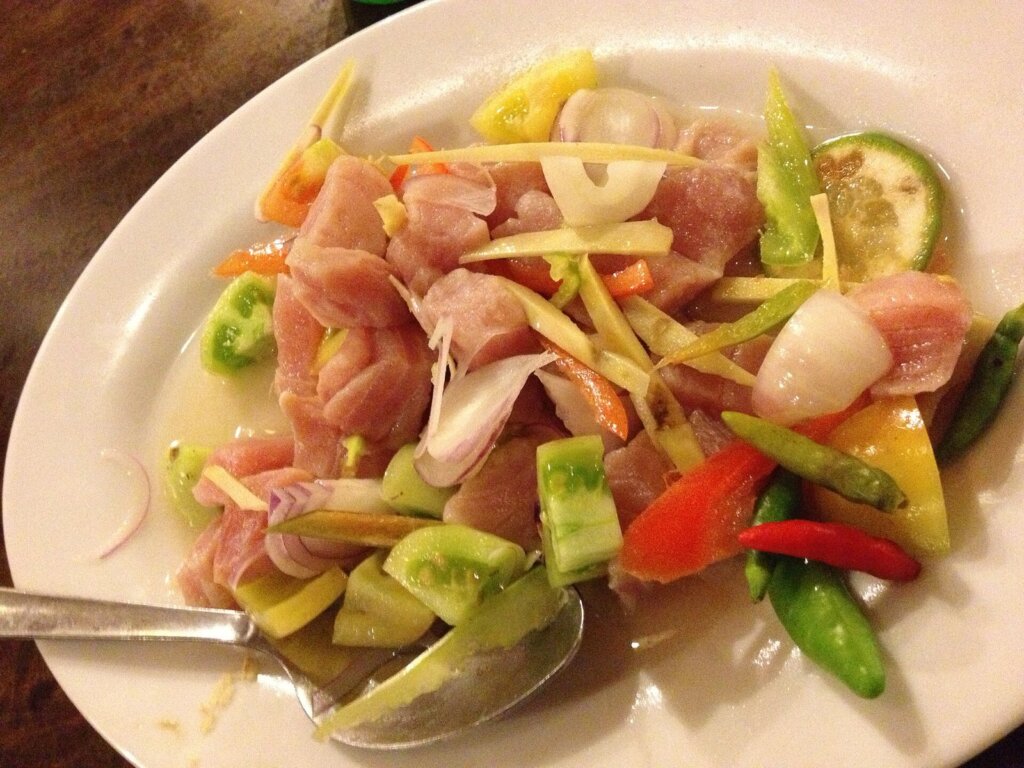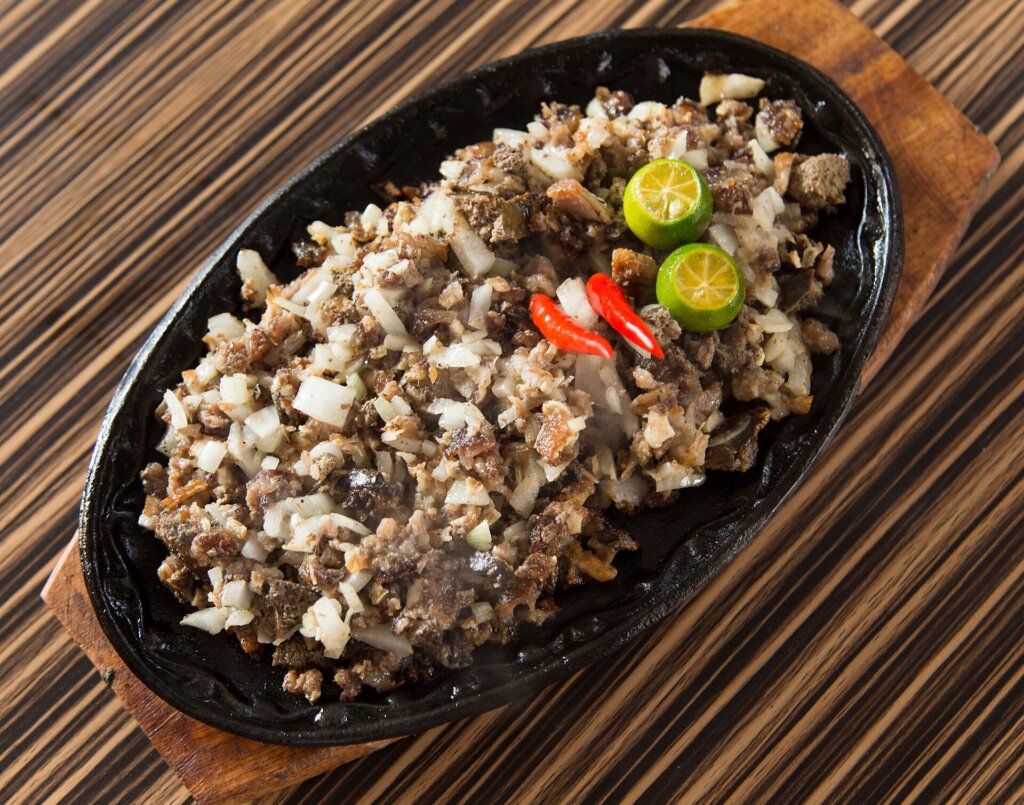

This guide focuses specifically on where to cool down in El Nido between island hopping and diving, not full-meal restaurants. Below are the five categories of dessert stops actually worth a detour, from artisan gelato to roadside buko stalls, with fair prices and the best time to hit each one.
- Why El Nido’s Dessert Scene Is Better Than You’d Expect
- 1. Artisan Gelato and Ice Cream Spots
- 2. Filipino Mango Float and Icebox Cake Corners
- 3. Buko and Halo-Halo Stalls
- 4. Cafe Dessert Menus Worth a Stop
- 5. Roadside Fruit Shake and Sorbet Carts
- Dessert Price and Portion Comparison
- Best Time to Go for Each Type
- Seasonal Fruit Availability Worth Planning Around
- Pairing a Dessert Stop with Your Day
- A Note on Freshness and Hygiene
- Frequently Asked Questions
- Is gelato in El Nido as good as what you’d find in a big city?
- Are dessert prices in El Nido higher than the rest of the Philippines?
- Can vegans find dessert options in El Nido?
- Do dessert shops in El Nido take card payments?
- What’s the best dessert to try if I only have time for one?
- Is fresh mango available year-round in El Nido?
Why El Nido’s Dessert Scene Is Better Than You’d Expect
A small beach town in Palawan isn’t the first place most travelers expect a real dessert scene, but the combination of a steady flow of European and Korean tourists plus an abundance of local tropical fruit has pushed a handful of genuinely good spots to open in the last few years. The result is a mix of imported gelato techniques and classic Filipino desserts sitting on the same short stretch of road, and knowing which type suits your mood saves you from wandering the main strip in the heat.
1. Artisan Gelato and Ice Cream Spots
A small but growing number of proper gelato counters have opened in town over the past few seasons, run by owners who trained or previously worked abroad, in a province the Philippine Department of Tourism actively markets for exactly this kind of small-scale culinary tourism. Expect flavors built around local fruit, calamansi sorbet, mango, and ube alongside more standard chocolate and vanilla, served in actual gelato cases rather than a chest freezer. A single scoop typically runs 90 to 150 pesos. These spots tend to be the most reliably clean and well-run of the five categories here, which matters if you’re being cautious about food safety while traveling.
2. Filipino Mango Float and Icebox Cake Corners
Mango float, sometimes called Filipino icebox cake, is a no-bake dessert of layered graham crackers, cream, and ripe mango that’s become a small-shop specialty around town. It’s rich, cold, and usually served in a single generous slice for 80 to 130 pesos, more than enough to share after a big lunch. A few cafes also do a lighter version blended into a drink rather than a cake, which works better if you’re just after something cold rather than a full dessert.
3. Buko and Halo-Halo Stalls
For the cheapest and most authentically local option, small stalls near the market or public beach sell fresh buko straight from the shell for 60 to 100 pesos, scraped and mixed with a bit of condensed milk on request. Halo-halo, the layered shaved ice dessert with beans, jelly, fruit, and leche flan, is less consistently available in El Nido than in bigger Philippine cities, but a handful of local carinderias serve a solid version, usually for 90 to 150 pesos depending on how loaded it is.
4. Cafe Dessert Menus Worth a Stop
Several of the town’s better cafes, the kind already known for breakfast and brunch, keep a small dessert case going through the afternoon, usually banana bread, basque cheesecake, or a fruit tart, priced from 120 to 220 pesos a slice. These are a good option if you want to sit somewhere air-conditioned with decent wifi rather than eating on the go, and several double as a quiet alternative to the beach bar scene in the early evening.
5. Roadside Fruit Shake and Sorbet Carts
The cheapest and most convenient option for a mid-tour cooldown is a simple fruit shake or sorbet from a roadside cart or small stand, usually blended to order from mango, pineapple, or watermelon for 60 to 100 pesos. These carts are everywhere along the main tourist strip and near the port, making them the easiest choice if you’ve got fifteen minutes between a tour drop-off and your next plan rather than time to sit down properly.
Dessert Price and Portion Comparison
| Dessert Type | Typical Price (PHP) | Best For | Where to Find It |
|---|---|---|---|
| Artisan gelato, single scoop | 90–150 | A proper treat, cleanest option | Town center gelato counters |
| Mango float / icebox cake | 80–130 | Sharing after a meal | Small dessert shops, cafes |
| Fresh buko, straight from shell | 60–100 | Cheapest, most local | Market and beach stalls |
| Halo-halo | 90–150 | A full dessert, not just a snack | Local carinderias |
| Fruit shake or sorbet, roadside | 60–100 | Quick cooldown between tours | Carts along the main strip |
Best Time to Go for Each Type
Roadside carts and buko stalls are best hit right after a hot midday tour, when a quick, cheap cooldown matters more than sitting down. Gelato counters and cafe dessert cases work well in the late afternoon, roughly 3 to 5pm, when the day’s tours are done but it’s still too early for dinner or the beach bar scene. If you’re self-catering during a longer stay, it’s also worth checking a grocery and self-catering guide, since imported ice cream tubs are available at a couple of the bigger convenience stores for less than any shop scoop, if you just want something in the freezer at your accommodation.
Seasonal Fruit Availability Worth Planning Around
El Nido’s dessert quality tracks fruit season closely, since most of the better shops build their menus around whatever is ripe that week rather than importing out-of-season produce. Mango peaks from roughly March through June, which is also when mango float and mango shakes are at their best and cheapest. Rambutan and lanzones show up mid-year, and pineapple is available fairly consistently year-round from nearby Palawan farms, tracking the general seasonal calendar published by the Palawan provincial government for local agricultural produce. Visiting outside mango season isn’t a dealbreaker, since buko, calamansi, and banana are reliably available every month, but if a specific mango-based dessert is the goal, timing a trip for the dry season months lines up well with both better weather and better fruit.
Pairing a Dessert Stop with Your Day
The most efficient way to fit dessert into a packed itinerary is to treat it as the transition between activities rather than a separate outing. A roadside shake works well right off the boat after a full-day tour, before you’ve even changed out of wet clothes. A sit-down gelato or cafe dessert fits naturally into the late afternoon lull between an afternoon nap and dinner, and a slice of mango float makes a reasonable light dinner substitute on a night you’d rather not commit to a full restaurant meal after a long day of swimming and sun.
A Note on Freshness and Hygiene
El Nido’s heat means dairy-based desserts left out too long are a real, if minor, risk on a hot day, the kind of afternoon weather.com will show coming from the forecast alone, so it’s worth choosing stalls and shops with visible refrigeration or a steady stream of customers rather than a cart that’s clearly been sitting since morning. This is the same general caution worth applying to any fresh food purchase in town, and it applies just as much to fruit shakes made with tap water and ice as it does to seafood, so a quick check of your drinking water guide is worth it if you’re at all sensitive to local water.
Frequently Asked Questions
Is gelato in El Nido as good as what you’d find in a big city?
The better counters hold up well, particularly the fruit-based sorbet flavors made with same-day local produce, though the selection is naturally smaller than what a dedicated gelateria in Manila or abroad would offer.
Are dessert prices in El Nido higher than the rest of the Philippines?
Slightly, in line with the general tourist-town markup on most food and drink, but not dramatically so. A gelato scoop or fruit shake still costs less than the equivalent in most Western countries.
Can vegans find dessert options in El Nido?
Yes, fresh fruit shakes, buko, and sorbet are naturally dairy-free, and a growing number of cafes offer plant-based versions of cakes and pastries; a dedicated vegan and vegetarian guide covers this in more depth.
Do dessert shops in El Nido take card payments?
Most small stalls and carts are cash-only. The larger gelato counters and cafes increasingly accept GCash or card, but it’s safest to carry small bills for anything on the street.
What’s the best dessert to try if I only have time for one?
Fresh buko straight from the shell is the most distinctly local option and hard to get quite the same way outside a tropical country, making it the one worth prioritizing if time is short.
Is fresh mango available year-round in El Nido?
Not quite. It peaks from March through June and gets noticeably pricier and less consistent outside that window, though shops generally still manage a version using imported or frozen puree in the off months. Some shops also freeze mango puree at the peak of the season specifically to keep a decent version on the menu through the leaner months, so it’s worth asking rather than assuming a mango dessert is unavailable outside the main harvest window.