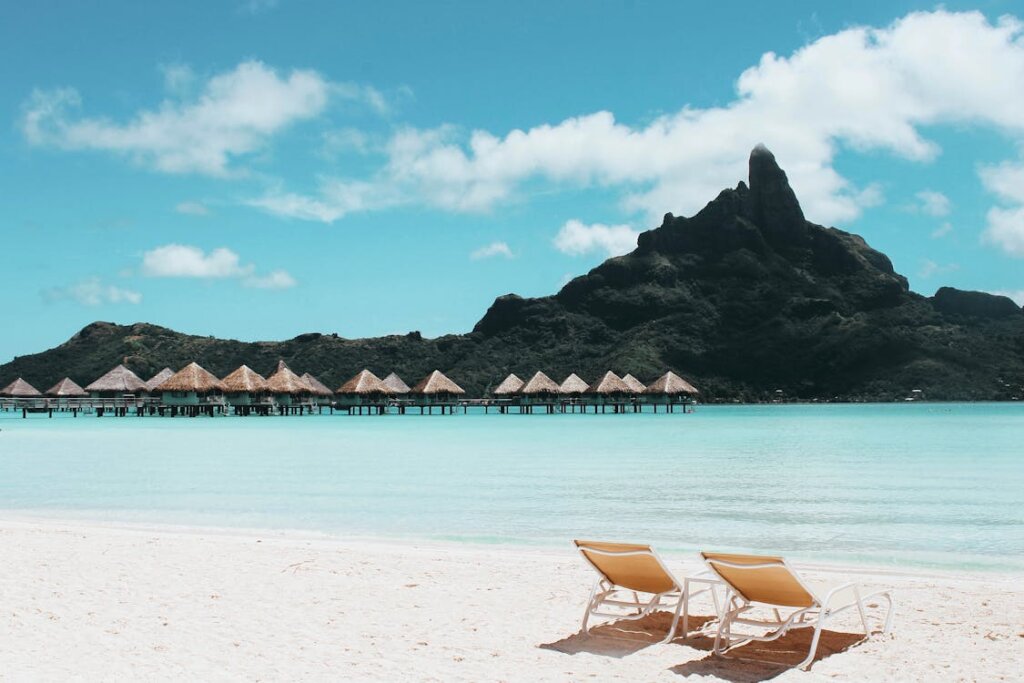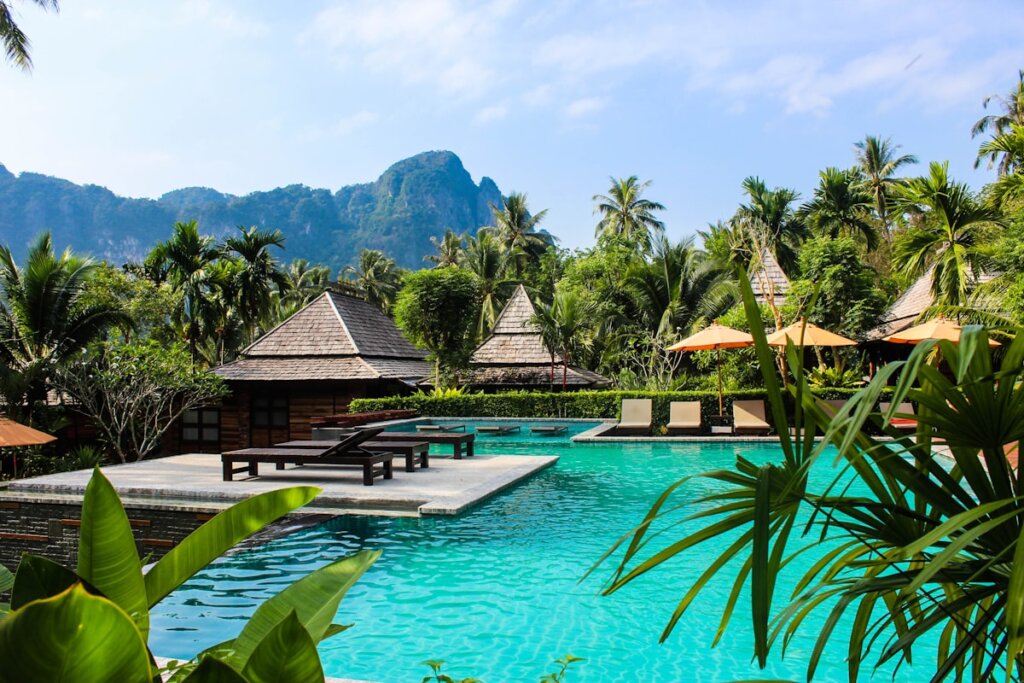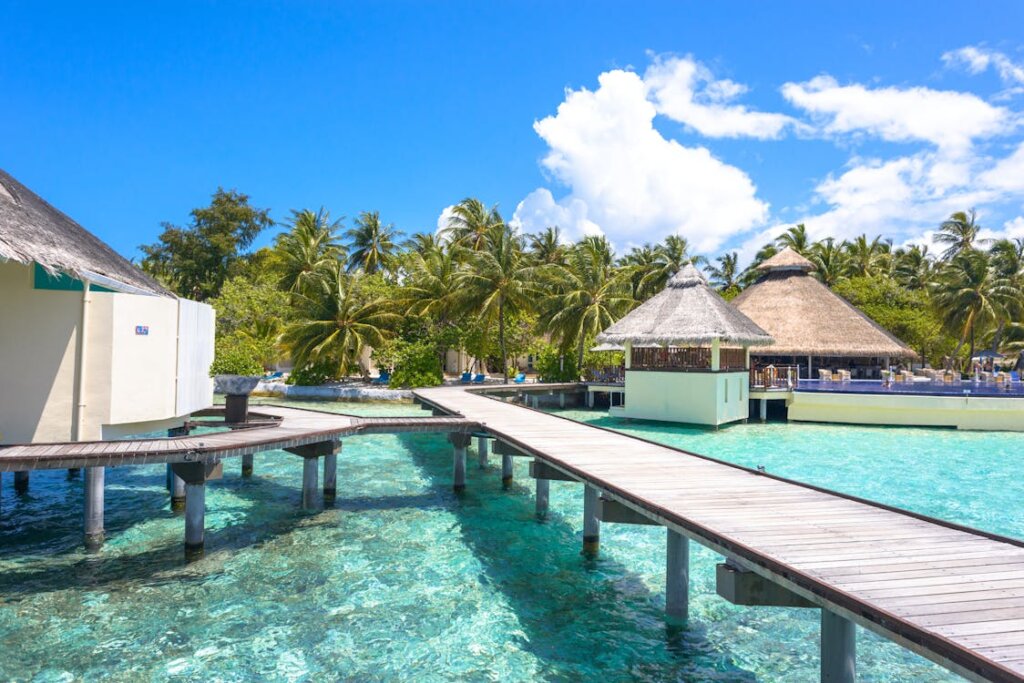

Few booking decisions in El Nido cause more second-guessing than the room view. Hotels across town, Corong-Corong and the northern beaches list “sea view”, “partial sea view”, “garden view” and “mountain view” categories, and the price gap between them can range from a few hundred pesos to several thousand per night. Is the upgrade worth it, or is it money better spent on an extra island-hopping tour?
This guide focuses on the sea view vs garden view decision specifically for travelers who have already chosen a hotel (or a shortlist) and are now staring at the room-type dropdown. We are not ranking hotels here — for that, see our El Nido hotel ranking. Instead we break down what each view type actually delivers, how much time you will realistically spend enjoying it, and which travelers get real value from paying more.
- What “Sea View” and “Garden View” Really Mean in El Nido
- Price Gap: How Much More Does a Sea View Cost?
- How Much Time Will You Actually Spend in the Room?
- Where a Sea View Is Worth It — and Where It Isn’t
- The Underrated Advantages of Garden View Rooms
- How to Avoid a Disappointing “Sea View”
- Which Should You Book? A Persona-Based Recommendation
- Bottom Line
- Frequently Asked Questions
What “Sea View” and “Garden View” Really Mean in El Nido
There is no regulated definition of a sea view room in the Philippines, so the label is set by each property. In practice you will see four broad categories:
- Full sea view / bay view: the window or balcony faces the water directly, usually Bacuit Bay or Corong-Corong’s sunset side. You can see the limestone islands from bed.
- Partial sea view: the sea is visible at an angle, between buildings, or only from one corner of the balcony. Quality varies enormously.
- Garden view / pool view: the room faces landscaped grounds or the pool. Usually quieter and better shaded.
- Mountain or cliff view: common in El Nido town, where Taraw Cliff rises directly behind the main streets. These can be surprisingly dramatic.
The geography of El Nido matters here. Bacuit Bay is ringed by karst islands, so a true bay-facing room offers one of the most photogenic outlooks in Southeast Asia (see Bacuit Bay on Wikipedia for the archipelago’s layout). A garden view in the same resort, however, can feel identical to a garden view anywhere in the tropics.
Price Gap: How Much More Does a Sea View Cost?
Pricing changes by season, but the pattern below holds across most properties we have reviewed. Figures are approximate 2026 nightly differences, not quotes — always check the live rate.
| Hotel tier | Typical garden view rate | Typical sea view premium | Premium as % of rate |
|---|---|---|---|
| Budget guesthouse (town) | ₱1,500–2,500 | +₱300–800 | 15–35% |
| Mid-range hotel (Corong-Corong) | ₱3,500–6,000 | +₱1,000–2,000 | 25–40% |
| Upscale resort (Caalan, Marimegmeg) | ₱8,000–15,000 | +₱2,500–5,000 | 25–35% |
| Island resort (Bacuit Bay) | Package-based | +10–30% on package | 10–30% |
| Beachfront villa | Rarely offered | Built into base price | n/a |
The premium is proportionally largest at mid-range hotels, which is also where travelers most often wonder if it is worth paying. In peak months (December to April) the sea view categories also sell out first, so the decision may be made for you if you book late. In the green season (roughly June to October) the gap often narrows, and some properties quietly upgrade guests for free when occupancy is low — it never hurts to ask politely at check-in.
How Much Time Will You Actually Spend in the Room?
This is the question most people skip. A typical El Nido itinerary looks like this:
- Island-hopping tours depart around 8:30–9:00 am and return between 4:00 and 5:00 pm.
- Many travelers then head to a sunset spot or dinner in town.
- Evenings after dark offer no view at all, regardless of room type.
On a four-night stay with three tour days, the realistic “view time” is breakfast hours, one late afternoon, and perhaps a rest day. That is often fewer than ten waking hours. If your plan follows the classic tour-every-day pattern — see our Tour A vs Tour C comparison — a sea view room is mostly something you see at 6:30 am while packing a dry bag.
Flip that around, though, and the math changes. Couples on a honeymoon, remote workers, and anyone planning slow days at the hotel will spend many more hours on the balcony. For them, the view is part of the trip rather than a backdrop to sleeping. A simple rule of thumb: divide the total sea view premium by the number of daylight hours you expect to spend in the room. If the result is more than the cost of a good dinner per hour, you are probably overpaying.
Where a Sea View Is Worth It — and Where It Isn’t
Worth the upgrade
- Corong-Corong and the west-facing coast: rooms here look straight toward the sunset over the bay. A sea view turns every evening into a show without leaving the room.
- Hilltop properties: elevation gives a wide panorama over the islands. Our hilltop vs beachfront guide covers the trade-offs (stairs, tricycle access) in detail.
- Island resorts: on private islands in Bacuit Bay, the water is the experience, and water-facing cottages often sit right above the reef.
Usually not worth it
- Town-center “partial” views: in El Nido town, buildings are tightly packed and a partial sea view may mean a sliver of blue between rooftops and power lines.
- Ground-floor sea view rooms behind a public beach: foot traffic and boat activity along the town beach mean curtains stay closed for privacy.
- Remote northern beaches at night: Nacpan and Duli are stunning by day, but your room view matters little if you spend daylight hours on the sand anyway.
The Underrated Advantages of Garden View Rooms
Garden view rooms are not just the cheaper option — in El Nido they come with real practical upsides:
- Cooler rooms: sea-facing rooms on the west side catch the full afternoon sun. Garden rooms are often shaded by trees and stay cooler, reducing reliance on air-conditioning during brownouts.
- Less wind and salt: during the northeast monsoon (Amihan, roughly November to March), sea-facing balconies can be gusty and salt spray coats furniture and electronics.
- Quieter mornings: boats start their engines early along the town beach. Rooms set back from the shore are noticeably quieter.
- Closer to the pool: in many resorts, garden rooms open directly onto the pool area, which families with kids often prefer.
- More privacy: beach-facing balconies are visible from the sand and from passing boats; garden rooms let you leave curtains open.
Check the season before you decide. Our El Nido weather by month guide explains when wind, rain and heat peak, and the national weather agency PAGASA publishes current forecasts and advisories.
How to Avoid a Disappointing “Sea View”
Because the term is unregulated, a little homework prevents most disappointments:
- Look at guest photos, not hotel photos. Search the room type name on review platforms and filter for traveler images taken from the balcony.
- Ask which floor. A second-floor sea view room and a fourth-floor one in the same building can look completely different.
- Use satellite maps. Open the property on OpenStreetMap or a satellite layer and check what sits between the building and the water.
- Request in writing. If you book a sea view, reconfirm by email a few days before arrival and keep the reply.
- Ask about construction. El Nido is still developing; a new building next door can block a view that existed in older reviews.
Which Should You Book? A Persona-Based Recommendation
Use the following as a quick decision shortcut:
- Honeymooners and anniversary trips: book the sea view, ideally west-facing. Pair it with ideas from our anniversary trip planner.
- Tour-every-day travelers: book garden view and spend the savings on a private boat day.
- Families with young kids: garden or pool view, for shade and easy pool access.
- Remote workers staying a week or more: sea view, but confirm that the desk faces the window and that the balcony has shade.
- Budget backpackers: skip the upgrade and enjoy the free views from beaches and viewpoints. See where to stay in El Nido by area for neighborhoods with walkable sunset spots.
A useful middle path: book garden view for most of the stay and upgrade to a sea view only for the final night, when you are packed, tour days are over, and you can actually sit on the balcony with a drink. Many hotels are happy to arrange a room move if requested in advance.
Bottom Line
A sea view in El Nido can be spectacular — but only when the room genuinely faces Bacuit Bay and you have the time to enjoy it. For most tour-focused travelers, a well-shaded garden view room offers better comfort and leaves money for experiences on the water. Decide based on your itinerary, not the photo on the booking page, and verify the view before you pay the premium.
Frequently Asked Questions
Is a sea view room in El Nido worth the extra cost?
It is worth it if the room truly faces Bacuit Bay and you plan slow days at the hotel. If you join island tours every day, you will spend little daylight time in the room and a garden view usually offers better value.
Which area of El Nido has the best sea view rooms?
Corong-Corong and hilltop properties on the west-facing coast offer the most consistent bay and sunset views. Island resorts in Bacuit Bay offer the most immersive water views.
Are garden view rooms cooler than sea view rooms?
Often yes. Garden rooms are typically shaded by trees, while west-facing sea view rooms receive strong afternoon sun, which matters during power interruptions.
How can I confirm a sea view before booking?
Check guest photos taken from balconies, ask for the floor number, review the location on a satellite map, and get written confirmation of the room type before arrival.
Can I upgrade to a sea view room after arrival?
Many hotels allow upgrades at check-in if rooms are available, especially outside December to April. Upgrading for just the last night is a cost-effective compromise.