

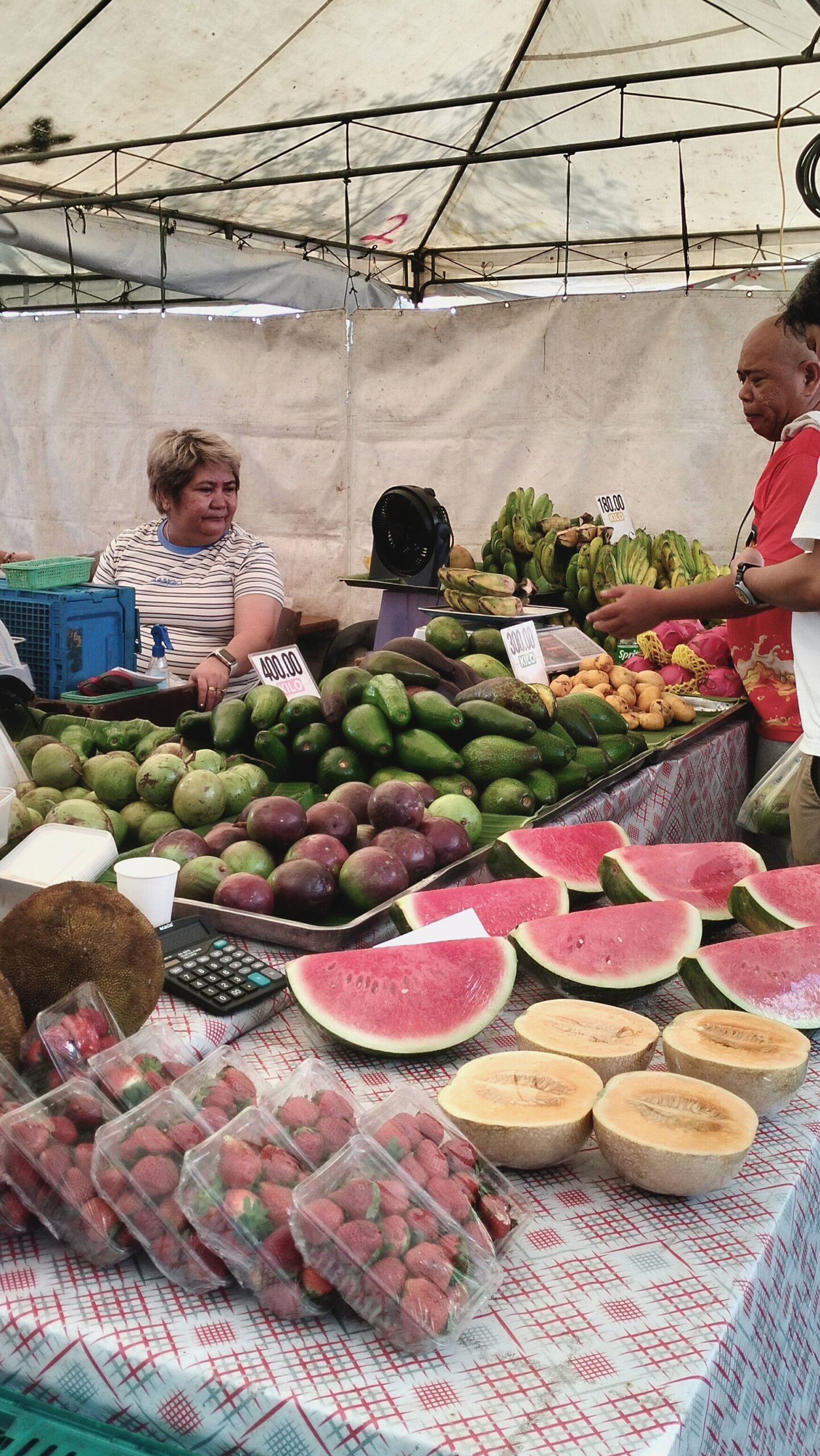
Ask any Filipino about the best thing to eat on holiday and you will probably hear about fruit before you hear about restaurants. Sweet carabao mangoes, sticky lanzones, hairy red rambutan and creamy guyabano all show up in El Nido’s markets and roadside stalls — but only at certain times of year. This guide focuses on tropical fruit seasons specifically for travelers planning when to visit El Nido or shopping at the public market during their stay, with a month-by-month calendar, buying tips and ideas for eating fruit the local way.
The unique angle here is timing. Most food guides list “what to try”; this one tells you when it is realistically available in El Nido, a small town where much of the produce travels by road from elsewhere in Palawan or by sea from other islands. Seasons below are typical windows across the Philippines; actual availability in El Nido can shift by several weeks depending on weather and supply.
El Nido Fruit Calendar at a Glance
Use this table to match your travel dates with the fruits you most want to try.
| Fruit | Local name | Typical peak months | How locals eat it |
|---|---|---|---|
| Mango | Mangga (carabao) | March – June | Ripe and chilled; green with bagoong (shrimp paste) |
| Watermelon | Pakwan | March – May | Sliced, or as shakes |
| Cashew apple and nuts | Kasoy | March – May | Fruit eaten fresh; nuts roasted as pasalubong |
| Santol | Santol | June – August | With salt, or as jam |
| Avocado | Abukado | June – September | Sweet, mashed with milk and sugar |
| Rambutan | Rambutan | August – October | Peeled and eaten fresh |
| Lanzones | Lansones | September – November | Peeled by squeezing; avoid the bitter seed |
| Mangosteen | Manggustan | August – October | Twist open; eat the white segments |
| Bananas, papaya, coconut, calamansi | Saging, papaya, buko, kalamansi | Year-round | Everywhere — shakes, desserts, juice |
Best Months for Fruit Lovers
If fruit is a big part of why you travel, two windows stand out. April and May combine peak mango and watermelon with El Nido’s calmest seas and sunniest weather, though it is also one of the busiest and hottest periods, with Holy Week bringing domestic crowds. September to October brings the richest variety — rambutan, lanzones, mangosteen and avocado can overlap — but it falls in the wetter half of the year, when some island-hopping tours may be cancelled for weather. Travelers visiting from December to February will find fewer seasonal specialties but excellent year-round staples and pleasant, cooler weather. June and November are transitional months where you may catch the tail end of one season and the start of another.
Year-Round Staples You Can Always Find
Whatever month you visit, a handful of fruits are always around. Bananas come in many varieties, from small sweet lakatan and señorita to cooking bananas (saba) used in turon and banana cue. Young coconut (buko) is sold chilled with a straw at beaches and stalls, and many island-hopping crews will crack one open at lunch stops. Papaya is a breakfast fixture at guesthouses, and calamansi, the small Philippine lime, flavours everything from juice to grilled seafood dipping sauce.
Pineapple and jackfruit (langka) are also widely available for much of the year, with stronger supply in certain months. Jackfruit is a key ingredient in halo-halo; learn more in our guide to Filipino desserts in El Nido.
Dry-Season Fruits (March to June)
El Nido’s hot, dry months coincide with the country’s famous mango season. The Philippine carabao mango is prized for its sweetness and smooth texture, and peak supply typically runs from about March into June. Expect to see mango shakes on every café menu, mango with sticky rice in some restaurants, and green mango sold with salt or bagoong as a sour snack.
Watermelon is at its cheapest and sweetest in the same window, perfect for beach picnics. Palawan is also one of the Philippines’ main cashew-growing provinces, and the cashew harvest generally falls in the dry season. The bright yellow-red cashew apple is edible but astringent; the nut is what most visitors take home. Our Palawan cashew nuts guide explains how to choose good quality roasted cashews.
Late in the dry season, look out for early santol — a fuzzy, golden fruit with a sweet-sour white pulp around large seeds. Eat the pulp but never swallow the seeds, which can cause serious digestive problems.
Rainy-Season Fruits (July to November)
Travelers who visit during the southwest monsoon are rewarded with some of Southeast Asia’s best fruit. Rambutan, with its red, hairy skin, usually appears from around August. Mangosteen, often called the “queen of fruits,” has a thick purple rind and sweet, tangy white segments; much of the national supply comes from Mindanao, so availability in El Nido can be patchy and prices higher.
Lanzones are a highlight of September to November: small, beige, grape-like clusters with translucent, sweet-sour flesh. Peel them by gently squeezing the tip, and avoid biting the seed, which is bitter. Avocado season overlaps the early rainy months; in the Philippines it is often eaten as a dessert, mashed with milk and sugar or blended into a shake.
Other fruits you might see include atis (sugar apple), guyabano (soursop), chico (sapodilla) and occasionally durian and marang shipped from the south. If you are visiting in the shoulder months, plan a market trip early in your stay so you can come back for favourites.
How to Buy Fruit at the El Nido Market
El Nido’s public market and the fruit stalls along the main roads are the best places to shop. A few practical tips:
- Go early: the best produce sells in the morning, and it is cooler for walking.
- Buy by the kilo or by the piece: many fruits are priced per kilo; small items like lanzones may be sold per bundle.
- Ask for help choosing: vendors will happily pick a mango “for today” or “for tomorrow” if you ask.
- Carry small notes and coins: stalls rarely have change for large bills.
- Bring a reusable bag: El Nido limits single-use plastic, and many stalls appreciate it.
If you are also buying seafood, combine it with a paluto meal: buy at the market and have a nearby eatery cook it. Our El Nido paluto guide walks you through it.
Taking Fruit on Island-Hopping Tours
A bag of fruit is a great addition to a long day on the water, but choose wisely. Bananas, rambutan and lanzones travel well and are easy to share; mangoes are best pre-sliced into a sealed container at your guesthouse. Avoid very juicy fruits that attract insects at beach stops, and keep everything shaded, because fruit ripens quickly in the heat of a bangka. Most important of all, bring every peel and seed back to town with you: many island stops are in protected areas where leaving organic waste is discouraged, and non-native seeds can sprout on small islands. A small zip bag for scraps solves the problem neatly.
Food Safety and Etiquette
Fruit with a thick peel — bananas, mangoes, rambutan, lanzones, mangosteen — is among the safest foods you can eat while traveling, a point echoed in the CDC’s food and water safety advice for travelers. Peel it yourself and wash your hands first. Be more cautious with pre-cut fruit that has been sitting in the heat, and with ice in shakes from places you are unsure about.
Some practical etiquette: durian is usually banned in hotels, vans and boats because of its strong smell, so eat it at the stall. Dispose of peels and seeds in bins, not on beaches or in the sea. On island tours, ask the crew before bringing large amounts of fruit, especially sticky or strong-smelling varieties.
For background on crops and harvest periods, the Philippine Department of Agriculture and the FAO Philippines office publish useful agricultural information.
Finally, a word on allergies and sensitive stomachs. Mango skin contains compounds related to those in poison ivy, and some people get an itchy rash around the mouth after biting into unpeeled mango; peeling it first avoids the issue. Eating large amounts of unfamiliar fruit on day one is a common cause of mild stomach upset, so pace yourself.
Fruit Treats, Shakes and Edible Souvenirs
Fruit shakes are El Nido’s unofficial drink: mango, banana, watermelon, avocado and calamansi are standard, often blended with milk or yogurt. Try buko juice straight from the coconut, or buko pie if you find a bakery that makes it. Dried mangoes, banana chips and cashews are the classic edible souvenirs; see our El Nido pasalubong guide for what travels well in your luggage.
If you only have a few days, prioritise whatever is in peak season during your visit — a perfectly ripe lanzones in October or a carabao mango in April will tell you more about the Philippines than any restaurant menu.
Frequently Asked Questions
When is mango season in El Nido?
Philippine carabao mango season typically runs from about March to June, with the sweetest and cheapest fruit around April and May.
What fruits are in season in El Nido in October?
October is typically a good month for lanzones, rambutan and mangosteen, alongside year-round bananas, papaya, coconut and calamansi. Supply in El Nido can vary.
Is it safe to eat fruit from El Nido markets?
Fruit with thick peels that you open yourself, such as bananas, mangoes and rambutan, is generally safe. Be more careful with pre-cut fruit left in the heat.
Can I bring durian to my El Nido hotel?
Most hotels, vans and boats do not allow durian because of its strong smell. Eat it at the stall where you buy it.
What fruit souvenirs can I bring home from El Nido?
Dried mangoes, banana chips and roasted Palawan cashews travel well. Check your home country’s rules before packing fresh fruit, which is often prohibited.