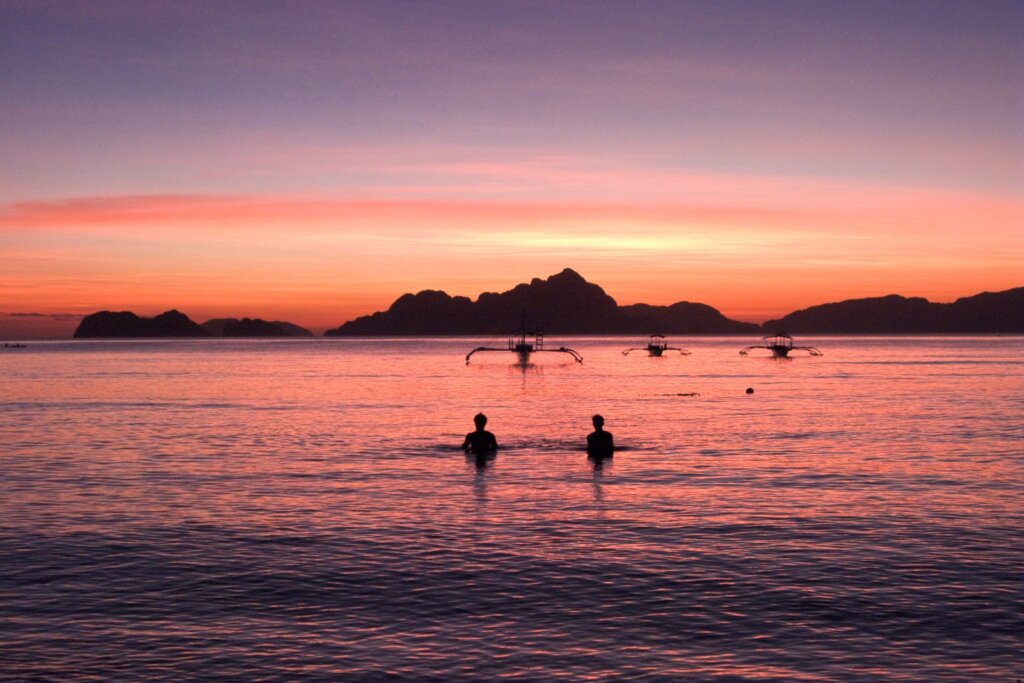
TL;DR: El Nido’s low season, roughly June to early November, is the best time to find hotel discounts, room upgrades and cheaper private boats, often well below peak rates. The trade-off is weather risk, so book flexible rates, leave buffer days, and negotiate directly with hotels and tour operators once you arrive.
Peak-season El Nido can be expensive: beachfront rooms sell out, private boats are booked weeks ahead and prices reflect the demand. Low season flips that equation. This guide focuses on finding real low-season deals specifically for budget-conscious and flexible travellers who are willing to trade some weather certainty for lower prices, quieter beaches and better rooms. We explain when the low season actually runs, where the savings are biggest, how to negotiate, and how to protect yourself if storms cancel your plans.
Rates in El Nido change from year to year and property to property, so treat any percentages here as typical patterns, not guarantees. The aim is to show you where to look and what to ask.
- When Is Low Season in El Nido?
- Where the Savings Are Biggest
- How to Negotiate Hotel Deals
- Tour Deals and Weather Risk
- Month-by-Month Deal Windows
- Low-Season Booking Checklist
- Key Takeaways
- Frequently Asked Questions
- When is the cheapest time to visit El Nido?
- Do island-hopping tours run in El Nido during low season?
- Are El Nido hotels cheaper if I book directly?
- Is the environmental fee lower in low season?
- Is early June a good compromise for El Nido?
- Should I buy travel insurance for an El Nido low-season trip?
- About the Author
When Is Low Season in El Nido?
El Nido’s travel calendar follows the monsoons. The northeast monsoon (Amihan) brings the dry, busy season from roughly December to May. The southwest monsoon (Habagat) brings wetter weather from roughly June to October, and that is when demand drops. Our Amihan vs Habagat explainer covers how each season affects boats.
Within the low season, demand is not uniform:
- Early June: Shoulder period. Weather is often still decent and prices start to fall.
- July to September: The deepest discounts, but also the highest chance of rough seas and tour cancellations. Watch the official forecasts from PAGASA.
- October to mid-November: Shoulder again. Rates stay lower, crowds are light, and weather gradually improves, though storms are still possible.
Philippine holidays can create short spikes even in low season, as domestic travellers take long weekends. Check the national holiday calendar before assuming any week will be quiet.
Where the Savings Are Biggest
Not every cost drops equally. Fixed-price items stay the same, while anything driven by supply and demand gets cheaper.
| Cost item | Low-season change | Why | How to capture it |
|---|---|---|---|
| Mid-range and upscale hotels | Often significantly lower | Occupancy drops sharply | Compare online rates, then ask directly for a better deal |
| Private boat charters | More negotiable | Fewer bookings, idle boats | Negotiate in person the day before |
| Shared island-hopping tours | Small or no change | Prices are fairly standardised | Look for bundle deals with multiple tours |
| Environmental fee | No change | Fixed municipal fee | None; budget for it |
| Flights to Lio Airport | Can fall outside holidays | Lower demand | Set fare alerts and avoid long weekends |
| Vans from Puerto Princesa | Little change | Shared fares are standard | Split a private van with a group |
The biggest wins usually come from accommodation. A room that would be out of reach in March might fit your budget in August, and properties that rarely discount may offer free upgrades or included breakfasts.
How to Negotiate Hotel Deals
Online travel agencies are a useful baseline, but they are not always the cheapest option in low season. Smaller hotels and guesthouses in particular may prefer direct bookings that avoid commission fees.
- Check the online price first. Note the lowest flexible rate for your dates.
- Message the hotel directly. Ask whether they can match or beat the rate, or add value such as breakfast, an airport transfer, or a sea-view upgrade.
- Offer a longer stay. Many properties discount multi-night stays more generously in low season.
- Be flexible on room type. Asking “what is your best value room for these dates?” often surfaces deals.
- Get confirmations in writing. Save email or messaging confirmations including the agreed rate and inclusions.
If something goes wrong with a booking, our guide to overbooked accommodation in El Nido explains your options.
Which areas tend to discount most
Location changes how much room you have to negotiate. Properties in El Nido town proper stay relatively busy year-round because they are walkable to tour departure points, restaurants and the night market, so their discounts are usually modest. Hotels in Corong-Corong and along the road south of town often have more empty rooms in the wet months and more motivation to deal. Remote beach resorts and island properties can offer the most dramatic headline discounts, but check whether boat transfers run reliably in rough weather and whether meals are compulsory, because those costs can cancel out the saving.
A simple savings scenario
Imagine a couple planning five nights. In peak season, they might choose a modest room in town to keep costs down and book shared tours only. In low season, the same budget could stretch to a sea-view room in Corong-Corong with breakfast, plus one private boat day split with another couple. The trip feels more comfortable, even though the total spend is similar. That is the real value of low season: not only spending less, but getting more for the same money.
Tour Deals and Weather Risk
Island-hopping is the main reason most people visit, so the key low-season question is whether tours will run. When conditions are unsafe, the Philippine Coast Guard can suspend sea trips, and operators must comply. That is the main risk you accept in exchange for lower prices.
How to book tours in low season
- Do not prepay weeks ahead. Book tours a day or two before, once you can see the forecast.
- Ask about the cancellation policy. Confirm whether you get a refund or rebooking if the coast guard suspends trips.
- Choose sheltered routes on borderline days. Some routes are more protected than others; operators can advise.
- Consider a private boat for flexibility. With fewer bookings, private charters become more negotiable, and splitting the cost with a group can bring it close to shared-tour prices. See our guide on splitting costs with a group.
Choose operators carefully regardless of price. Our tour operators guide explains what to look for.
What to do when your tour is cancelled
A cancelled boat day does not have to be a lost day. Rebook the tour for the next calm morning, then switch to land-based plans. Road-accessible beaches can still be enjoyable between showers, and many cafes, spas and massage studios in town are busiest on exactly these days. If several days in a row look rough, consider moving your remaining nights to a hotel with better indoor facilities, such as a pool, restaurant or covered lounge, and ask your current hotel whether they will release the unused nights; in low season many are more accommodating than you would expect.
Month-by-Month Deal Windows
Use this as a rough guide when deciding which part of the low season suits your appetite for risk.
- June: Good balance of falling prices and still-reasonable weather. A solid choice for first-timers on a budget.
- July and August: Some of the lowest rates of the year. Best for flexible travellers with spare days and a love of rainy-day reading.
- September: Quiet and cheap, with continued weather risk. Great for long-stay remote workers who can wait for good boat days.
- October: Shoulder season; deals remain and weather begins to improve. Watch for storm systems in the forecast.
- Early November: Prices begin to rise ahead of the dry season. Book quickly if you see a good rate.
For a deeper look at what wet-season days actually feel like, read our rainy season survival guide. If you would rather travel in the dry months, our peak season booking timeline shows when to lock in rooms.
Low-Season Booking Checklist
- Book flexible or refundable accommodation where possible.
- Plan at least one or two buffer days for cancelled boat trips.
- Pack a light rain jacket, dry bag and quick-dry clothes.
- Bring indoor activity ideas: spa treatments, cooking, cafes, reading.
- Choose accommodation with a generator if reliable power matters to you.
- Get travel insurance that covers weather disruption.
- Keep cash on hand; ATMs can be unreliable during storms.
The Philippine Department of Tourism also publishes travel advisories that are worth checking before you depart.
One last tip: talk to other travellers in town. In low season, word of mouth spreads fast about which operators actually ran tours on borderline days, which hotels gave fair refunds and which restaurants stayed open during storms. A ten-minute chat at breakfast can be worth more than hours of online research, and it often leads to people to share a private boat with.
Key Takeaways
- Low season in El Nido runs roughly June to early November, with the deepest discounts in July to September.
- Hotels and private boats offer the biggest savings; shared tours and fees change little.
- Message hotels directly and ask for rate matches, upgrades or long-stay discounts.
- Book tours close to the date and confirm cancellation policies in case the coast guard suspends trips.
- Build buffer days and pack for rain to make the most of the lower prices.
Frequently Asked Questions
When is the cheapest time to visit El Nido?
The cheapest period is usually July to September, during the southwest monsoon. Hotel rates and private boat prices are often lowest then, but tour cancellations are more likely.
Do island-hopping tours run in El Nido during low season?
Yes, on most days. Tours are suspended only when the coast guard halts sea travel due to rough weather, so plan buffer days and book tours close to the date.
Are El Nido hotels cheaper if I book directly?
Often, especially in low season. Many smaller hotels will match online rates or add breakfast, transfers or upgrades when you contact them directly.
Is the environmental fee lower in low season?
No. The municipal environmental fee is fixed regardless of season, so include it in your budget.
Is early June a good compromise for El Nido?
Yes. Early June often combines falling prices with weather that is still reasonably stable, making it a good shoulder-season choice.
Should I buy travel insurance for an El Nido low-season trip?
Yes. Choose a policy that covers weather-related delays and cancellations, including missed flights or ferries caused by storms. Low-season prices are attractive, but insurance protects you if a tropical storm forces you to change plans at short notice.
About the Author
This guide was compiled by the El Nido Hotels Ranking editorial team, with input from local operators and ongoing on-the-ground updates.