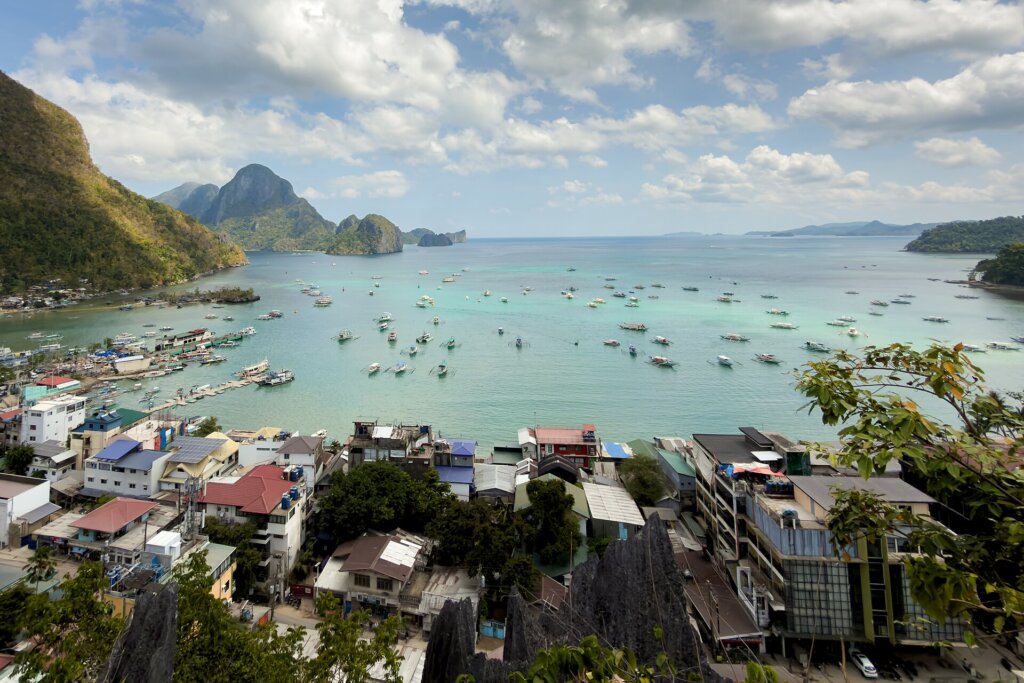

Late September falls in an awkward gap that most El Nido guides skip: it is neither the classic dry season nor the deepest rains, but the tail of the southwest monsoon when the bay is green, quiet and cheap. This guide focuses specifically on the last two weeks of September for travellers weighing a shoulder-season trip — what the weather actually does, whether island hopping still runs, and how to turn lower prices and thinner crowds into an advantage.
- What the Weather Is Really Like in Late September
- Sea Conditions and Island Hopping in Late September
- Crowds and Prices: The Shoulder-Season Sweet Spot
- Late September at a Glance
- What to Pack for Late September
- Best Things to Do, With Rainy-Day Backups
- Is Late September a Good Time to Visit El Nido?
- Understanding the Habagat Season
- Late September vs Early September
- Money-Saving Tips for a Shoulder-Season Trip
- A Flexible Late-September Itinerary
- Frequently Asked Questions
What the Weather Is Really Like in Late September
By late September, Palawan sits in the southwest monsoon, locally called habagat. Expect warm days around 30°C, high humidity, and rain that tends to come in short, heavy bursts rather than all-day drizzle. Mornings are frequently bright, with clouds building into afternoon showers or the occasional thunderstorm that clears within an hour or two. Total rainfall is higher than in the dry months, but the idea of a washed-out fortnight is a myth for most years.
Because weather in this period is variable, check the national forecast from PAGASA and a marine outlook on weather.com before locking in tours. Late September can also see tropical storms passing to the north of Palawan; they rarely hit El Nido directly but can bring several grey, windy days, so build flexibility into your plans.
Sea Conditions and Island Hopping in Late September
Island hopping still operates in late September, but the sea is the deciding factor. The habagat pushes swell onto the western, exposed sides of the bay, so operators often adjust routes to sheltered spots on the day. Tours A and C, which include protected lagoons and coves, run more reliably than exposed open-water stops. If the coast guard suspends sailing after a storm warning, tours pause until conditions improve — usually a day or two.
Underwater visibility can dip after heavy rain washes sediment into the bay, so time snorkelling for calmer, clearer mornings. On the upside, you will often have famous lagoons nearly to yourself. For a fuller picture of how conditions shift into the following month, compare our El Nido in October guide, since late September and early October behave similarly.
Crowds and Prices: The Shoulder-Season Sweet Spot
This is late September’s biggest draw. With international peak season still months away, room rates fall well below December-to-May prices, tours have space at short notice, and the town feels relaxed rather than packed. Popular restaurants take walk-ins, and you can often negotiate better rates on multi-day private boat charters. Travellers who value space and value-for-money over guaranteed sunshine tend to love this window.
To understand how September compares with the rest of the calendar, our month-by-month weather guide and our overview of the best time to visit El Nido put the trade-offs side by side.
Late September at a Glance
Here is what to expect across the main factors compared with the dry-season peak.
| Factor | Late September | Dry-Season Peak (Dec–May) |
|---|---|---|
| Daytime temperature | ~29–31°C | ~30–33°C |
| Rain pattern | Short afternoon bursts | Mostly dry |
| Sea conditions | Variable; often choppy west | Calm and clear |
| Crowds | Low | High |
| Room prices | Low | High |
| Tour availability | Easy, weather-permitting | Book ahead |
What to Pack for Late September
Pack for warmth and wet. Bring a light rain jacket or packable poncho, quick-dry clothing, and a proper dry bag to protect electronics on boat days. Reef-safe sunscreen is still essential because the sun breaks through often. Add mosquito repellent, since standing water after rain increases insect activity, and waterproof footwear for muddy paths. Our rainy-season packing list covers the full kit in detail.
Best Things to Do, With Rainy-Day Backups
On clear mornings, prioritise island-hopping and snorkelling before the afternoon clouds build. Sunrise at Las Cabanas or a walk on Nacpan Beach makes the most of bright early hours. When a squall rolls in, El Nido still delivers: linger over long lunches at town cafes, book a massage, visit a local museum-style exhibit, or take a cooking class. A short shower is rarely a reason to cancel a trip — it is a reason to shift your schedule.
Waterfalls and inland spots are actually at their fullest now, fed by the rains, so a land tour can be a rewarding wet-weather alternative to a boat day. Keep one flexible buffer day so you can jump on the sea the moment conditions turn calm.
Is Late September a Good Time to Visit El Nido?
For budget-conscious, flexible travellers, yes. You trade guaranteed calm seas for low prices, thin crowds, lush scenery and a genuinely local pace. For a once-in-a-lifetime trip built around flawless island-hopping weather, the dry season is the safer bet. The smart move for late September is to arrive with realistic expectations, a buffer day, and a willingness to reshuffle plans around the weather. Do that, and you may find the bay at its most peaceful and affordable. If your dates are flexible, read our rainy-season travel guide before deciding.
Understanding the Habagat Season
To plan a late-September trip well, it helps to understand the weather system behind it. The southwest monsoon, or habagat, draws warm, moisture-laden air across the Philippines from roughly June to early October, and late September is its winding-down phase. Rather than steady rain, habagat produces convective weather: heat builds through the morning, moisture rises, and the sky releases it in concentrated afternoon downpours before clearing. This rhythm is why savvy travellers front-load outdoor activities into the morning and treat the afternoon as flexible time.
The monsoon also sets the wind direction, blowing from the southwest and stacking swell against the exposed western reaches of Bacuit Bay. That is the single biggest reason island-hopping itineraries flex day to day in this season. Local tourism operations, coordinated with the Palawan provincial government, prioritise passenger safety, so a suspended sailing day is a sign the system is working, not a trip-ruiner. Treat it as a cue to enjoy the town instead.
Late September vs Early September
The two halves of the month differ more than you might expect. Early September often carries heavier, more frequent rain as the monsoon is still near its peak, while late September usually shows the first signs of easing, with longer bright spells and gradually calming seas as October approaches. If you have any flexibility in your dates, skewing toward the final week of the month tilts the odds toward better weather and smoother island days without losing the shoulder-season prices.
That said, no two years are identical, and a late-season storm can reshuffle the pattern. The practical takeaway is to book refundable rooms where possible, avoid prepaying every tour in advance, and keep a day in reserve so you can seize the first calm, clear morning for your priority island trip.
Money-Saving Tips for a Shoulder-Season Trip
Late September rewards travellers who negotiate. Because occupancy is low, many guesthouses and mid-range hotels quote softer rates for multi-night stays, and private boat operators are more willing to discount a full-day charter when their calendar is open. Eating at local carinderia eateries and buying water and snacks from town shops rather than resort kiosks stretches a budget further. Group up with other travellers you meet to split a private tour, which often costs little more than several joiner seats while giving you control over timing.
Because tours can be arranged on short notice, avoid overcommitting online at peak prices before you arrive. Booking a day ahead once you can read the local forecast usually saves money and spares you the frustration of a prepaid tour cancelled by weather. Keep some cash on hand, as card acceptance and ATM reliability can be patchy during storms and power interruptions.
A Flexible Late-September Itinerary
A weather-proof plan for late September looks less like a fixed schedule and more like a set of priorities you slot into the best conditions. On your first clear morning, commit to your top island-hopping tour without hesitation, because you cannot count on a run of calm days. Reserve inland experiences — waterfalls, a land tour, a cooking class or a spa afternoon — as ready alternatives for grey or stormy stretches. Keep sunrise walks at Las Cabanas or Nacpan as low-commitment options you can enjoy whenever the sky cooperates.
A sample four-day shape might be: day one to settle in and read the local forecast, day two seizing the calmest sea for Tour A or C, day three flexing between a land tour and town time depending on the rain, and day four held as a buffer for anything the weather forced you to postpone. This approach turns late September variability from a liability into a rhythm you can actually plan around, and it is why repeat visitors quietly rate this shoulder window so highly.
Frequently Asked Questions
Does it rain all day in El Nido in late September?
Rarely. Rain in late September usually comes as short, heavy afternoon bursts or thunderstorms that clear within an hour or two, with many bright mornings in between.
Do island-hopping tours run in late September?
Yes, weather permitting. Operators favour sheltered routes when the sea is choppy, and tours pause only if the coast guard suspends sailing after a storm warning, usually for a day or two.
Is late September cheaper than peak season?
Significantly. Room rates and tour prices sit well below the December-to-May peak, and you can often book tours and tables at short notice.
Are there typhoons in El Nido in late September?
Tropical storms can pass north of Palawan during this period. They rarely strike El Nido directly but may bring several windy, grey days, so monitor PAGASA forecasts and keep plans flexible.
What should I pack for late September in El Nido?
Bring a light rain jacket, quick-dry clothing, a dry bag, reef-safe sunscreen, mosquito repellent and waterproof footwear to handle warm, humid days with occasional heavy showers.