TL;DR: Koh Tao is the cheaper, faster place to get certified and dive daily from shore-close sites; El Nido wins on scenery, lagoons and topside variety, with gentler reef dives best from December to May. Learn on Koh Tao if budget is king; choose El Nido if diving is one part of a bigger island trip.
Koh Tao in Thailand’s Gulf and El Nido in northern Palawan regularly end up on the same shortlist for travellers who want warm water, reef life and a backpacker-friendly town. On paper they look similar. In practice they deliver very different trips. This guide focuses on diving, costs and overall vibe specifically for first-time and early-level divers deciding where to spend one to two weeks in 2026.
The unique angle here: rather than ranking which island is “better”, we break the decision down by what kind of diver you are today and what you want from the non-diving days. That is where the two places split most clearly.
- Quick Comparison Table
- Diving Conditions: Reef Gardens vs Granite Pinnacles
- Getting Certified: Cost, Volume and Instruction Style
- Seasons and Weather: When Each Island Works
- Costs Beyond the Course
- Getting There From Major Hubs
- The Vibe on Land: What Your Non-Dive Days Look Like
- Which Should You Choose? A Decision Guide
- Key Takeaways
- Frequently Asked Questions
Quick Comparison Table
| Factor | El Nido (Palawan, Philippines) | Koh Tao (Gulf of Thailand) |
|---|---|---|
| Main strength | Karst scenery, lagoons, island hopping plus diving | High-volume, low-cost dive training |
| Typical Open Water course (approx.) | PHP 22,000–28,000 (about US$380–490) | THB 11,000–13,000 (about US$310–370) |
| Best diving months | December–May (dry, calmer seas) | Roughly March–September; wetter October–December |
| Boat ride to sites | 20–60 minutes across Bacuit Bay | Often 10–30 minutes |
| Signature sites | South Miniloc, Twin Rocks, Dilumacad tunnel | Chumphon Pinnacle, Sail Rock, Japanese Gardens |
| Getting there | Fly to Lio (ENI) or Puerto Princesa + 5–6 hr van | Fly to Koh Samui or Chumphon, then ferry |
| Non-diving days | Tours A–D, beaches, kayaking lagoons | Viewpoints, snorkel coves, nightlife on Sairee |
Prices are indicative ranges gathered from operator listings and change with season and exchange rates; always confirm directly before booking.
Diving Conditions: Reef Gardens vs Granite Pinnacles
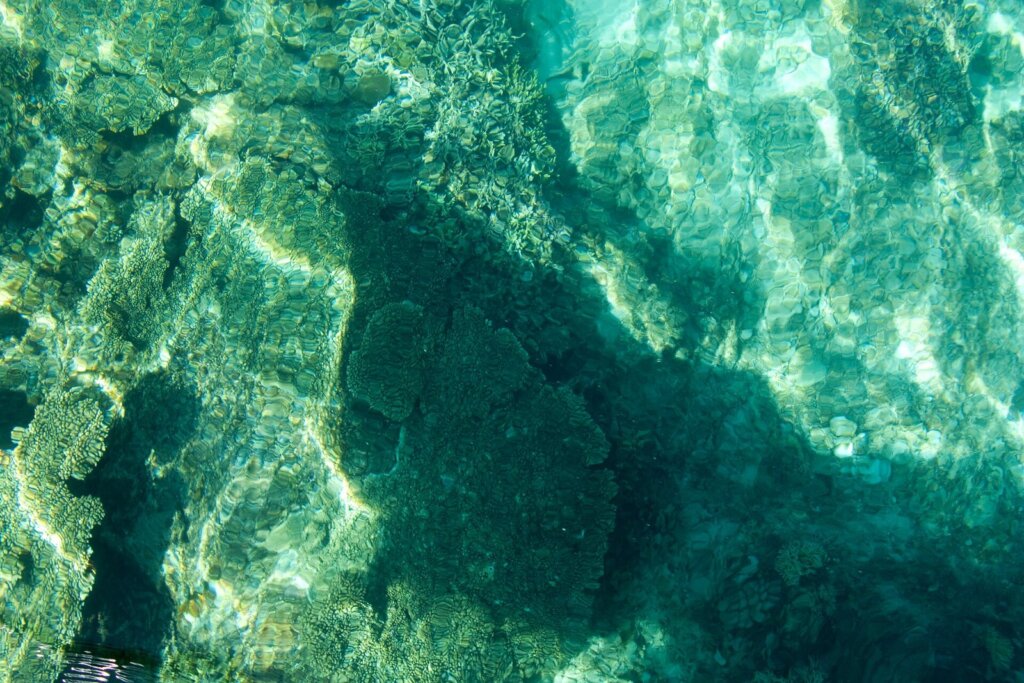
El Nido’s diving happens inside and around Bacuit Bay, where limestone islands drop into sandy slopes and coral gardens. Most recreational dives sit between 8 and 20 metres, currents are usually mild, and the appeal is a relaxed mix of hard and soft corals, turtles, nudibranchs, batfish and the occasional blue-spotted ray. Swim-throughs such as the tunnel at Dilumacad (Helicopter Island) add a little drama for certified divers. Our El Nido dive sites map lays out where each site sits relative to town.
Koh Tao’s underwater landscape is built on granite. Boulders, pinnacles and swim-throughs dominate, and the island is famous for Chumphon Pinnacle and Sail Rock, a site between Koh Tao and Koh Phangan known for schooling fish and a vertical “chimney”. Whale sharks are reported in some seasons, though sightings are never guaranteed. Visibility on both islands typically ranges from about 10 to 25 metres, and both have plankton-rich days when it drops.
In short: El Nido feels like reef gardening in a postcard; Koh Tao feels like a training ground with a few big-name sites that reward repeat visits.
Getting Certified: Cost, Volume and Instruction Style
Koh Tao has built an entire economy around certification. Dozens of dive schools compete on price, schedules run daily, and many schools bundle discounted or free accommodation with a course. That competition keeps prices low, and you can usually start a course the day after you arrive outside peak weeks.
El Nido has fewer schools and higher costs, partly because boat runs are longer and fuel, staff and equipment all travel further to reach Palawan. The upside is smaller groups at many centres and a quieter classroom feel. If you are torn between agencies, read our PADI vs SSI Open Water comparison for El Nido; both agencies are recognised worldwide, and you can check course standards directly on PADI’s official site.
Practical tips that apply in both places:
- Ask for the instructor-to-student ratio in writing before you pay.
- Check whether e-learning is included or billed separately.
- Confirm what happens if weather cancels a dive day: rescheduling or refund.
- Bring your medical questionnaire answers honestly; a “yes” may require a doctor’s sign-off.
Seasons and Weather: When Each Island Works
Timing is where many travellers get caught out. El Nido’s prime dive window runs from roughly December to May, when the northeast monsoon (amihan) brings drier weather and calmer conditions on most sites; March to May is the calmest stretch. June to October brings the southwest monsoon (habagat), more rain and occasional tour cancellations. Our best time to dive in El Nido guide breaks this down month by month.
Koh Tao sits on the Gulf side of Thailand, which follows a different pattern from the Andaman coast. It tends to be diveable for most of the year, with the wettest and windiest weeks usually falling between October and December. The Tourism Authority of Thailand publishes regional weather guidance worth checking before you lock dates.
That creates a useful rule of thumb: if your holiday falls between January and April, both work well. If it falls in November, El Nido is starting its good season while Koh Tao is often at its wettest. In July or August, Koh Tao is usually the safer bet for consistent diving.
Costs Beyond the Course
Diving is only part of the bill. Here is how everyday spending compares in broad terms:
- Fun dives: Koh Tao fun dives are generally cheaper per dive, especially in packages. El Nido two-dive days usually include lunch and longer boat time, which partly explains the higher price.
- Accommodation: Both islands have dorms and simple fan rooms at the low end. El Nido’s mid-range and luxury tier is broader, including island resorts in Bacuit Bay.
- Food: Thai street food and simple restaurants on Koh Tao tend to be cheaper; El Nido’s town has a wide range, but imported ingredients raise prices at Western-style cafés.
- Local fees: El Nido charges an eco-tourism development fee for visitors, collected once and valid for several days; check the current rate when you arrive. Koh Tao has no equivalent island-wide fee, although some sites and viewpoints charge small entry fees.
- Transport: Koh Tao requires a ferry from Chumphon or Koh Samui; El Nido requires either a direct flight to Lio Airport or a long van ride from Puerto Princesa.
Getting There From Major Hubs
Koh Tao is reached by ferry. Common routes are a flight to Koh Samui and a high-speed boat north, or a flight or overnight train to Chumphon and a ferry from the mainland. Total door-to-door time from Bangkok is usually most of a day.
El Nido is reached either by flying directly into Lio Airport, served from Manila (and seasonally from other hubs), or by flying to Puerto Princesa and taking a shared or private van. See our guide to Lio Airport (ENI) flights for routes and booking tips. Before travel to the Philippines, check entry requirements through official channels such as the Philippine Department of Tourism.
If you are combining both in one trip, you will almost always route through Manila and Bangkok, so leave a buffer day for connections.
The Vibe on Land: What Your Non-Dive Days Look Like
This is where the two islands diverge most. Koh Tao’s identity is diving. Evenings revolve around dive-school bars, sunset spots along Sairee Beach and viewpoint hikes. It is social, young and easy to slot into.
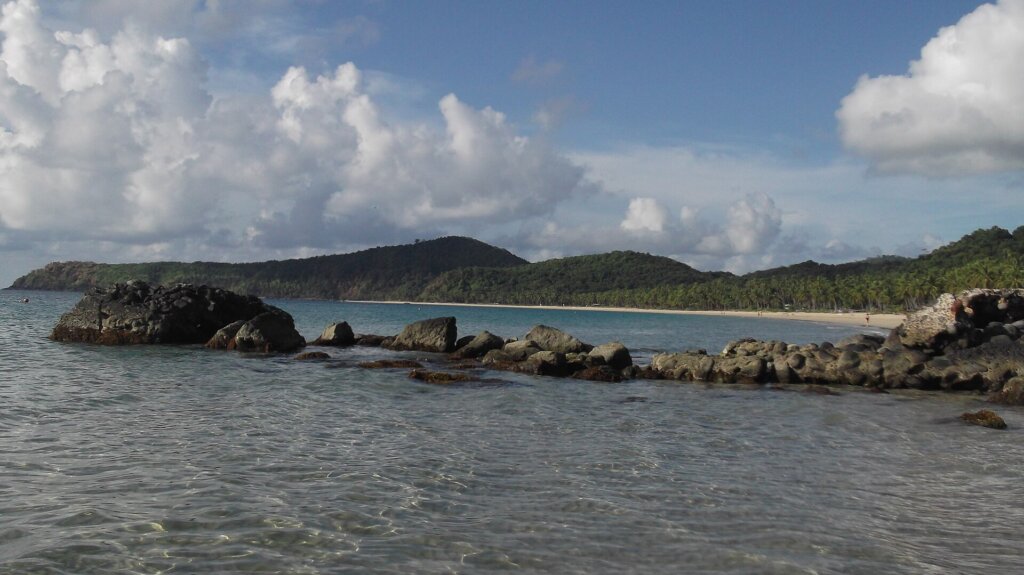
El Nido is a broader destination. Divers share the town with honeymooners, families and island-hopping groups. On a rest day you can join Tour A for the lagoons (our Big Lagoon guide explains timing and kayak rules), ride to Nacpan Beach, or simply snorkel. Many divers find this variety the deciding factor: it is easier to bring a non-diving partner to El Nido.
A further consideration is the “no-fly” window. After diving you should wait before flying (commonly 18–24 hours depending on your dive profile), so your last dive day matters. El Nido’s island-hopping tours give you a natural, scenic way to fill that final day.
Which Should You Choose? A Decision Guide
- You want the cheapest possible certification: Koh Tao.
- You are travelling with a non-diver: El Nido.
- Your trip is in November: El Nido is entering its good season; Koh Tao is often wet.
- Your trip is in July or August: Koh Tao usually has steadier conditions.
- You want to log many dives quickly: Koh Tao’s short boat rides help.
- You care most about topside scenery: El Nido, without much debate.
Already leaning toward Palawan? Compare it with its neighbour in our El Nido vs Coron diving comparison, since many divers choose between those two next.
Key Takeaways
- Koh Tao is typically cheaper for Open Water courses and fun dives thanks to intense competition.
- El Nido offers gentler reef diving inside dramatic karst scenery, best from December to May.
- November and December favour El Nido; mid-year months usually favour Koh Tao.
- El Nido suits mixed groups where not everyone dives; Koh Tao suits dive-focused trips.
- Always confirm prices, ratios and weather policies directly with the dive centre before paying.
Frequently Asked Questions
Is Koh Tao cheaper than El Nido for scuba certification?
Generally yes. Koh Tao Open Water courses are commonly around THB 11,000–13,000, while El Nido courses are usually around PHP 22,000–28,000. Prices change, so confirm with each school.
Which has better diving, El Nido or Koh Tao?
They are different. El Nido offers relaxed reef gardens among limestone islands; Koh Tao offers granite pinnacles such as Chumphon Pinnacle and Sail Rock. Choose by style and season rather than a single winner.
When is the best time to dive El Nido compared with Koh Tao?
El Nido is best from about December to May. Koh Tao is diveable most of the year, with the wettest weeks usually between October and December.
Can beginners dive in El Nido?
Yes. Many Bacuit Bay sites are shallow with mild currents, and several dive centres run Discover Scuba and Open Water courses.
Is El Nido better for couples where only one person dives?
Usually yes. Island-hopping tours, lagoons and beaches give the non-diver plenty to do while the other person dives.
Featured photo: Vyacheslav Argenberg / Wikimedia Commons (CC BY 4.0).
About the Author
This guide was compiled by the El Nido Hotels Ranking editorial team, with input from local operators and ongoing on-the-ground updates.