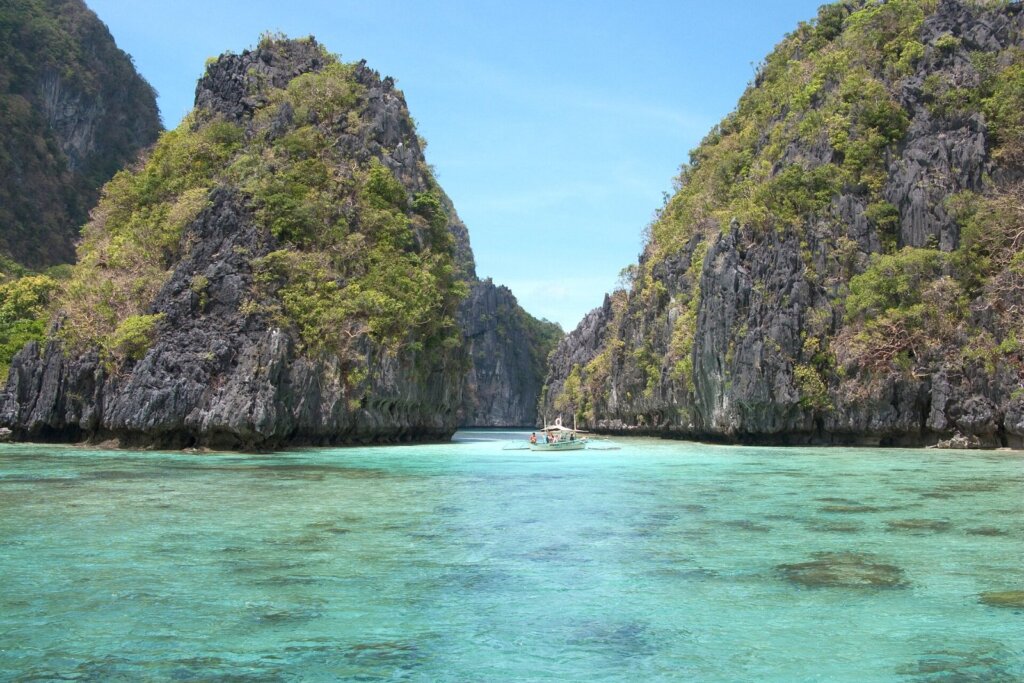
Bacuit Bay’s limestone walls continue underwater, which makes El Nido one of the most scenic places in the Philippines to learn to scuba dive. Walk along the beachfront in town and you will see dive centres advertising two main entry-level courses: PADI Open Water Diver and SSI Open Water Diver. Which should you book? This guide focuses on PADI vs SSI specifically for first-time divers planning to certify in El Nido, comparing structure, learning materials, flexibility, recognition and the questions that actually matter when you choose a shop.
Our angle: the agency logo matters far less than most beginners think. Both certifications let you dive around the world. What makes or breaks your course is the instructor, the group size, the boat and the dive sites — and how the course fits into the rest of your El Nido itinerary.
- PADI and SSI in a Nutshell
- Side-by-Side Comparison
- How the Courses Differ in Practice
- What Matters More Than the Agency
- Fitting a Dive Course into Your El Nido Trip
- After Certification: Where Can You Dive?
- Our Verdict: Which Should You Choose?
- Frequently Asked Questions
- Is PADI or SSI better for learning to dive in El Nido?
- Can an SSI diver dive with a PADI dive shop?
- How long does an Open Water course take in El Nido?
- How deep can I dive after Open Water certification?
- Can I do the theory at home and finish my course in El Nido?
- When should I not fly after diving?
- Explore our El Nido Rankings
PADI and SSI in a Nutshell
PADI (Professional Association of Diving Instructors) is the largest recreational diving training agency in the world, with dive centres in almost every popular destination. SSI (Scuba Schools International) is another major global agency, particularly strong in Southeast Asia and Europe. Both write training standards, certify instructors and issue certification cards; neither runs the dives itself — that is the job of the local dive centre.
Both entry-level programmes are aligned with the international standard for autonomous recreational divers, ISO 24801-2. In practical terms, that means an Open Water Diver from either agency is trained to dive with a buddy, without a professional, to a recommended maximum depth of around 18 metres.
Side-by-Side Comparison
The table below compares the two Open Water courses as they are typically run in El Nido. Exact details depend on each dive centre, so confirm before you pay.
| Factor | PADI Open Water Diver | SSI Open Water Diver |
|---|---|---|
| Typical duration | 3–4 days | 3–4 days |
| Theory | PADI eLearning or classroom, set sequence | SSI digital learning via the dive centre; some flexibility in order |
| Learning materials | Usually purchased as part of the course fee | Digital materials often included through the centre |
| Open water dives | 4 training dives | 4 training dives |
| Max depth after certifying | 18 m | 18 m |
| Recognition | Worldwide | Worldwide |
| Upgrade path | Advanced Open Water, Rescue, Divemaster | Advanced Adventurer / Advanced Open Water, Stress & Rescue, Divemaster |
How the Courses Differ in Practice
The biggest structural difference is teaching philosophy. PADI follows a fixed, modular sequence: each skill is taught and assessed in a set order, which makes courses very consistent from one dive centre to another. SSI allows instructors more flexibility to adjust the order of skills to a student’s progress, as long as all requirements are met by the end. Fans of PADI value its predictability; fans of SSI value its adaptability.
Materials are the second difference. With PADI, students typically buy the eLearning or manual as part of the course. SSI has traditionally linked its digital materials to a registered dive centre, often at no extra cost to the student. In El Nido, the final package price is what matters, so compare complete quotes rather than headline course fees.
Finally, SSI training must be completed through an SSI centre, while PADI students can sometimes split theory and pool work at home (via a “referral”) and finish open water dives abroad. If you want to do the classroom part before your trip and only the ocean dives in El Nido, check that your chosen shop accepts referrals from your home agency.
Comparing Prices and Inclusions
Course prices in El Nido are broadly similar between agencies and change with the season, so we do not quote fixed figures here. What varies more is what the price includes. When you request quotes, ask whether the total covers learning materials and the certification fee, all equipment rental (including a dive computer), boat fees, the Eco-Tourism Development Fee or marine park fees, lunch and drinking water on boat days, and dive insurance. A cheaper headline price can quickly become more expensive once extras are added, while a slightly higher all-inclusive quote is often the better deal.
What Matters More Than the Agency
Experienced divers often say that “the instructor is the course.” When comparing El Nido dive centres, ask these questions:
- Group size: how many students per instructor in the water? Small groups mean more attention and safer skills practice.
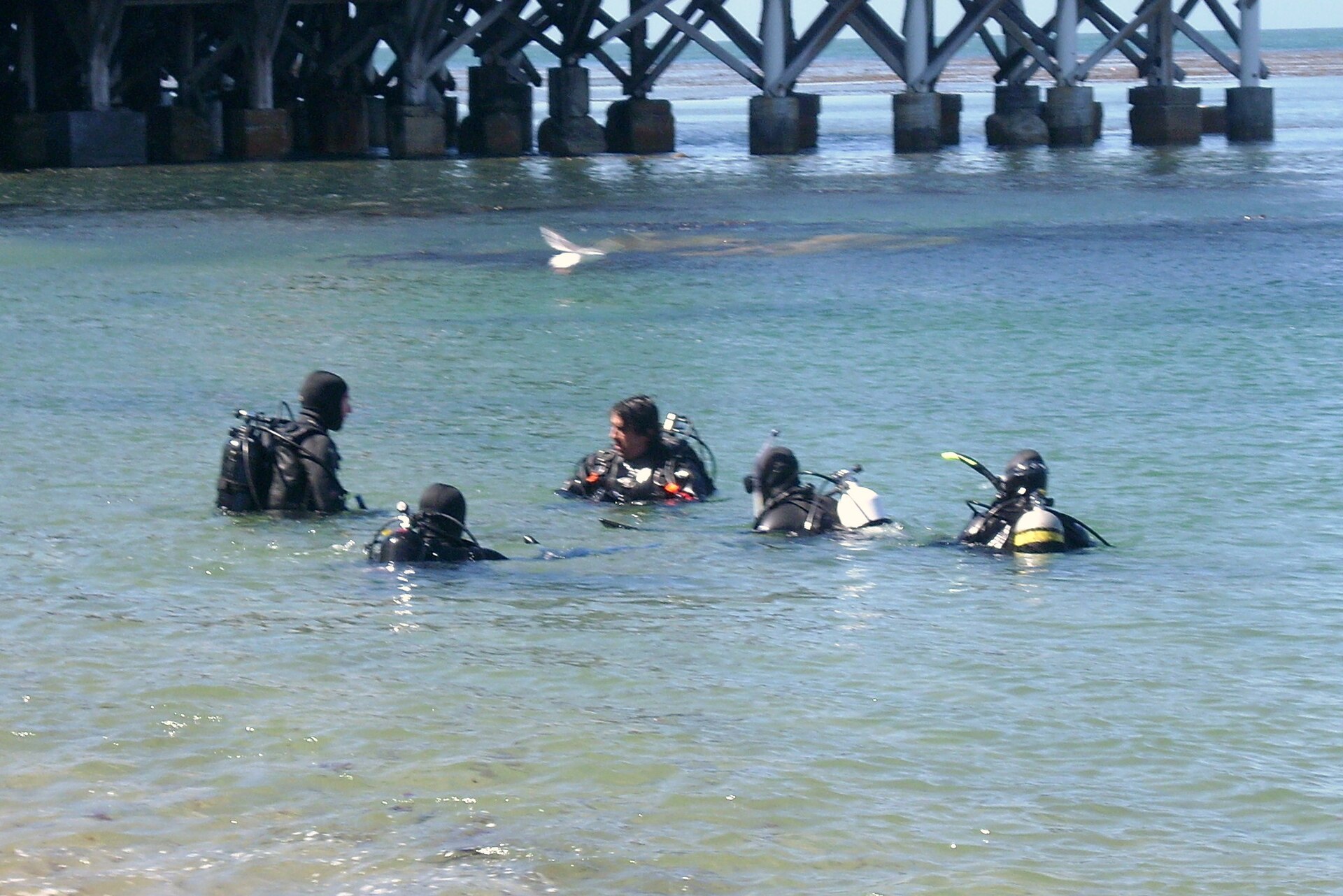
- Confined water location: is it a pool or a calm beach area? A pool is easier for nervous beginners.
- Boat and equipment: is gear well maintained and correctly sized? Is there oxygen and a first aid kit on board?
- Training sites: where will the four open water dives happen, and how sheltered are they?
- Language: can the instructor teach in your first language? It makes theory far easier.
- Medical form: have you answered the diver medical questionnaire honestly? Some conditions require a doctor’s sign-off before you travel.
Our guide to the best dive shops in El Nido explains how to vet operators, and our scuba diving guide gives an overview of the local dive scene.
Not Sure Yet? Try a Discover Scuba Dive First
If you are unsure whether diving is for you, both agencies offer a short introductory experience (PADI Discover Scuba Diving and SSI Try Scuba). After a briefing and some basic skills in shallow water, you make a supervised dive with an instructor. It does not certify you, but in many cases the dive can be credited toward the Open Water course if you continue soon afterwards with the same centre. It is an excellent option for nervous swimmers, families with teenagers, or anyone with only a day or two to spare in El Nido. Ask about age limits too: junior courses typically start from age 10, with depth restrictions for younger divers.
Fitting a Dive Course into Your El Nido Trip
An Open Water course takes three to four days, and you should not fly within roughly 18–24 hours after your last dive (follow your agency’s and Divers Alert Network guidance). That means a five-night stay is a sensible minimum if you want time for island hopping too.
- Day 1: theory review, quiz and confined-water skills.
- Days 2–3: four open water dives, usually two per day.
- Day 4: buffer day for weather or a fun dive.
- Day 5: island hopping (Tour A or C) — no diving, so no flying conflict next day.
Water conditions vary by season; the calm months of the northeast monsoon and the hot dry season are usually easiest for training. Check our El Nido water temperature by month guide to decide whether you need a 3 mm wetsuit or just a rash guard.
After Certification: Where Can You Dive?
Once certified with either agency, you can join fun dives around Bacuit Bay. Our El Nido dive sites map shows popular reefs and walls suitable for new divers. If you catch the bug, consider an Advanced course to extend your depth limit and try navigation, night or wreck-style dives. More committed divers can compare liveaboard vs day-trip diving from El Nido.
A tip for anyone who wears glasses: sort out your mask before the course, as clear vision makes skills like mask clearing much less stressful. See snorkeling with glasses in El Nido for corrective mask options that work for scuba too.
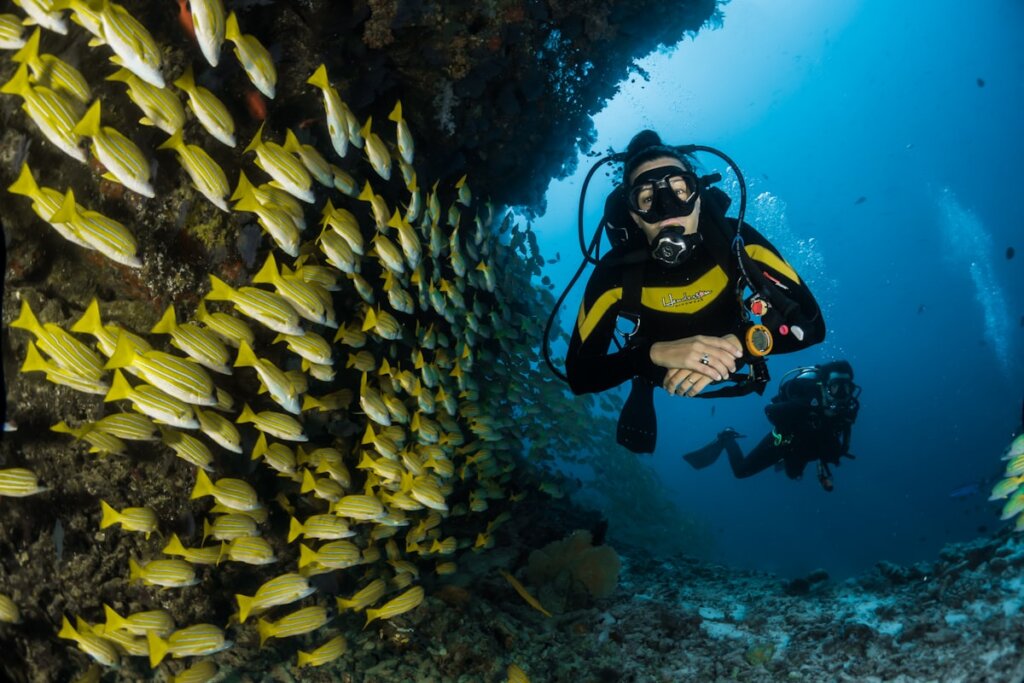
New divers often ask what they will actually see. Bacuit Bay’s training-friendly sites typically feature sloping coral gardens, sandy patches and gentle walls where you may encounter reef fish, nudibranchs, sea turtles, moray eels and, with luck, blue-spotted stingrays. Visibility and currents change with the weather, so your instructor will choose sheltered sites on the day. Respect for the reef is part of both courses: good buoyancy means no kicking coral, no touching marine life, and no standing on the bottom outside designated sandy areas.
Our Verdict: Which Should You Choose?
For most beginners in El Nido, the honest answer is: choose the dive centre, not the agency. Both PADI and SSI Open Water certifications are respected, interchangeable for fun diving and accepted by dive operators worldwide. You can even take your next course with the other agency — crossovers are routine.
Pick PADI if you want the most widely known brand, a very standardised course, or the option to start theory at home with a referral. Pick SSI if the best-reviewed, smallest-group shop you find is an SSI centre, or if you like the idea of digital materials bundled into the price. Either way, take your time choosing an instructor you trust, and enjoy learning in one of the most beautiful bays in Asia.
Frequently Asked Questions
Is PADI or SSI better for learning to dive in El Nido?
Neither is objectively better. Both Open Water courses follow the same international standard and are recognised worldwide. The instructor, group size and dive centre quality matter more than the agency.
Can an SSI diver dive with a PADI dive shop?
Yes. Dive centres worldwide accept both PADI and SSI certifications for fun dives, and you can take further courses with either agency.
How long does an Open Water course take in El Nido?
Usually three to four days, including theory, confined-water skills and four open water dives. Plan a buffer day for weather.
How deep can I dive after Open Water certification?
Both PADI and SSI Open Water Divers are certified to a recommended maximum depth of about 18 metres.
Can I do the theory at home and finish my course in El Nido?
With PADI, a referral lets you complete theory and pool work at home and the open water dives abroad. SSI training generally runs through a single SSI centre, so check with your chosen shop.
When should I not fly after diving?
Follow your agency and Divers Alert Network guidance, typically waiting at least 12 to 24 hours after diving before flying, longer after multiple dive days.