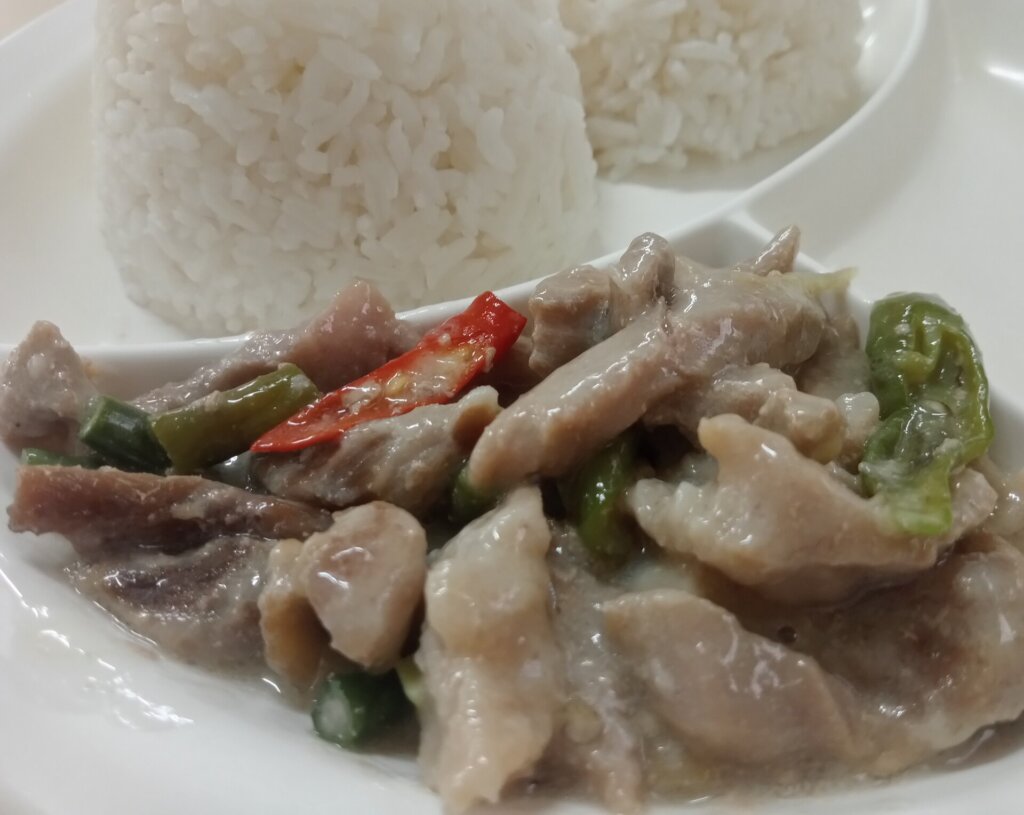
Most travelers never think about dairy until a creamy pasta or a milky iced coffee ruins their island day. This guide focuses on dairy-free and lactose-intolerant eating in El Nido specifically for travelers who must avoid milk, cream and cheese but still want to eat well on a boat-tour schedule. Because Filipino coastal cooking leans on fish, rice, vinegar and coconut rather than cow’s milk, El Nido is friendlier than many destinations, but a few traps are worth knowing before you order.
- Why El Nido Is Easier Than You Think
- Naturally Dairy-Free Filipino Dishes to Look For
- Where Dairy Hides on the Menu
- Dairy Risk by Dish Type
- Useful Phrases and How to Ask
- Eating Dairy-Free on Island-Hopping Days
- Lactase Tablets, Plant Milks and Supplies
- A Simple One-Day Dairy-Free Plan
- Frequently Asked Questions
Why El Nido Is Easier Than You Think
Traditional Palawan cooking is built on fresh catch, rice, calamansi, vinegar, garlic and chili. Dairy plays a minor role in home-style meals, which means a large share of local dishes are naturally free of milk. The challenge appears in the tourist-facing menus, where western breakfasts, cafe drinks and creamy Italian dishes are common. If you split your meals between local eateries and carefully chosen cafes, you can stay comfortable the whole trip.
It also helps to understand your own tolerance. People with lactose intolerance often handle small amounts of butter or hard cheese, while those with a true milk allergy must avoid even traces. The NHS explains the difference clearly on its lactose intolerance page, and it is worth reading before you travel so you can describe your needs accurately to a cook.
Planning ahead makes the biggest difference. Before you arrive, write down your exact restriction in one or two sentences, including whether small traces matter. Screenshot it on your phone so you can show it to any cook without relying on spoken English. Many kitchens in town are small, family-run and happy to adapt a dish if they understand what you need, and a friendly tone usually gets better results than a long list of demands.
Naturally Dairy-Free Filipino Dishes to Look For
Start with seafood. Grilled fish, squid and prawns served with plain rice are the safest orders in town, especially when you ask for the fish to be cooked with oil rather than butter. Kinilaw, the Filipino cousin of ceviche, relies on vinegar and citrus, so it contains no dairy at all. Sinigang, the sour tamarind soup, and tinola, a ginger chicken broth, are also generally milk-free.
Adobo, braised in soy sauce and vinegar, is another reliable choice. Ginataan dishes simmer in coconut milk, which confuses many visitors: coconut milk is plant-based and fine for lactose intolerance, though tree-nut-sensitive travelers should still ask. For a wider look at where to eat, browse our El Nido restaurant guide and shortlist places with large seafood menus.
Fruit, rice and street snacks
Fresh mango, pineapple, banana and watermelon are everywhere and need no special questions. Steamed rice, boiled corn and grilled skewers are usually safe, though marinades and basting sauces deserve a quick check.
Where Dairy Hides on the Menu
The biggest surprises come from items that do not sound creamy. Many cafes finish scrambled eggs with milk or butter, and some grills brush fish with butter for shine. Mashed potatoes, garlic bread and cream-based soups are obvious, but sauces labeled as house dressing or aioli may contain yogurt or cream. Iced coffee, matcha and chocolate drinks are often made with evaporated or condensed milk by default, so you must request a swap.
Baked goods are another gray area. Banana pancakes, French toast, muffins and cakes nearly always include milk or butter. If you want a bakery fix, compare options in our El Nido breakfast guide and ask each shop what goes into the batter. A short, polite question usually gets an honest answer.
Breakfast and coffee fixes
For a safe morning, order eggs fried in oil, plain rice, fresh fruit plates and black coffee, or ask for coconut milk in place of dairy. Smoothie shops can blend fruit with ice and water if you request it, but check that no yogurt, ice cream or condensed milk is included. Granola bowls often arrive with yogurt by default, so ask for fruit and nuts only.
Dairy Risk by Dish Type
Use this quick table when scanning a menu. It is a general guide only, because every kitchen cooks differently, so always confirm with the staff.
| Dish type | Dairy risk | What to ask |
|---|---|---|
| Grilled fish or squid with rice | Low | Ask that no butter is brushed on the grill |
| Kinilaw (vinegar-cured seafood) | Very low | Usually just vinegar, citrus, ginger and chili |
| Adobo and sinigang | Low | Check that no cream or evaporated milk is added |
| Ginataang dishes (coconut milk stews) | Low | Coconut milk is not dairy, but confirm it is not blended with milk |
| Pasta, pizza, carbonara | High | Request olive oil and tomato base, no cheese |
| Halo-halo and milk teas | High | Skip evaporated milk and ice cream toppings |
| Pastries and banana pancakes | Medium to high | Ask about butter and milk in the batter |
Useful Phrases and How to Ask
English is widely understood in El Nido, but simple wording works best. Say: “I cannot eat milk, cheese, butter or cream. Is this made with any of those?” Pointing to a written note helps in busy kitchens. If you are allergic rather than intolerant, say “allergy” and stress that even a little can make you sick. In Filipino, you can try “walang gatas” (no milk) and “walang keso” (no cheese), though coconut milk is also called gata, so be specific.
Travelers following other restrictions may find overlapping advice in our guides to gluten-free restaurants in El Nido and halal food and prayer for Muslim travelers. The same communication habits work across all of them.
Staying calm when something goes wrong
Mistakes happen even in careful kitchens. If your plate arrives with cheese or a creamy sauce, politely send it back rather than scraping it off, because traces remain. Most staff will replace it without fuss. Keep a small supply of plain crackers or rice cakes for a gentle stomach, and note the nearest clinic or pharmacy in your phone before you set out each day.
Eating Dairy-Free on Island-Hopping Days
Boat tours usually include a seafood lunch cooked on the beach: grilled fish, pork or chicken, rice, sliced fruit and sometimes a vegetable dish. This is one of the easiest meal formats for dairy-free travelers because the cooking is simple. When you book, tell the operator about your restriction the day before so the crew can keep your portion free of butter and cream sauces. Bring your own backup snacks such as nuts, dried mango and oat bars, since lunch stops can be delayed by tides and weather.
Hydration matters too. Refill a reusable bottle at your accommodation and keep oral rehydration salts in your dry bag in case of stomach upset. Our first aid and pharmacy guide lists what to carry and what you can buy in town.
Finally, pack carefully. Dry bags protect your snacks from spray, and a small insulated pouch keeps fruit fresh through a long morning on the water. Ask your guide whether the lunch stop offers fresh coconuts, which are a naturally dairy-free, hydrating treat.
Lactase Tablets, Plant Milks and Supplies
Lactase enzyme tablets are the most practical insurance policy, and you should bring them from home because stock in small towns can be inconsistent. Some pharmacies carry them, but brands vary. For coffee, many cafes now offer coconut or oat milk, and coconut-based drinks are naturally easy to find. Shelf-stable soy or almond milk may be available in small groceries, but prices are higher than in Manila.
If you are staying several nights, ask your hotel about a fridge and basic kitchen access. Self-catering breakfast with fruit, rice, eggs and local fish removes much of the guesswork. The wider food safety picture, including water and street food, is covered by the World Health Organization food safety resources.
A Simple One-Day Dairy-Free Plan
Breakfast: fresh fruit, rice with eggs cooked in oil, and black coffee or coconut-milk coffee. Lunch on tour: grilled fish, rice and cucumber-tomato salad. Afternoon snack: coconut water and a banana. Dinner in town: kinilaw to start, then grilled squid or sinigang with rice. Dessert: sliced mango or a fruit shake made with ice and water instead of milk. This pattern keeps you full without a single risky ingredient, and it fits the early boat schedules explained in the official Philippines tourism portal for planning.
Finally, plan around supply. During stormy weeks boats and deliveries slow down, so menus shrink and pantry items such as plant milks run out. Check forecasts through PAGASA and keep a few shelf-stable foods in your bag. If this is your first visit, our first-timers guide covers the rest of the logistics.
Frequently Asked Questions
Is coconut milk safe if I am lactose intolerant?
Yes. Coconut milk is plant-based and contains no lactose. Confirm only that the dish was not finished with cow’s milk or cream, and mention any tree-nut concerns.
Is it easy to find lactose-free milk in El Nido?
Not reliably. Small groceries mostly stock regular and powdered milk. Bring lactase tablets and look for coconut, soy or oat options at cafes.
Are boat-tour lunches dairy-free?
Usually yes, since they are mostly grilled fish, meat, rice and fruit. Tell your operator in advance so the crew avoids butter or creamy sauces.
Can I trust kinilaw if I avoid dairy?
Traditional kinilaw uses vinegar, citrus, ginger and chili with fresh seafood, so it is dairy-free. Always buy it from a clean, busy kitchen.
What should I do if I accidentally eat dairy?
Take a lactase tablet if you have one, drink water, and rest. For a true milk allergy with breathing trouble or swelling, seek medical help immediately.
Cover photo: Philippine Fly Boy (CC BY 2.0) via Wikimedia Commons.