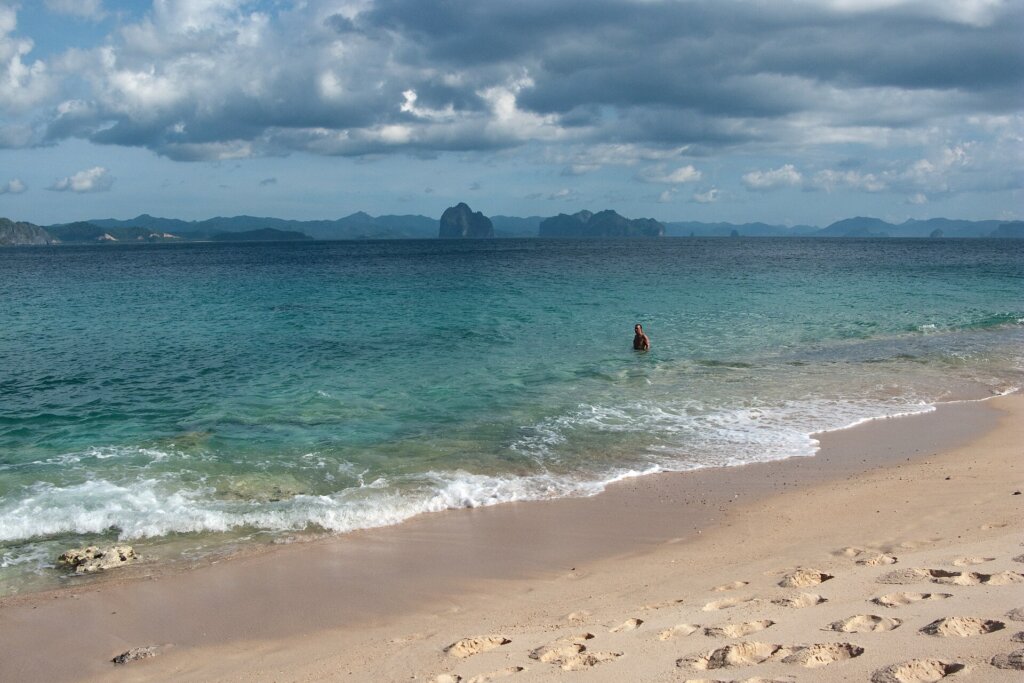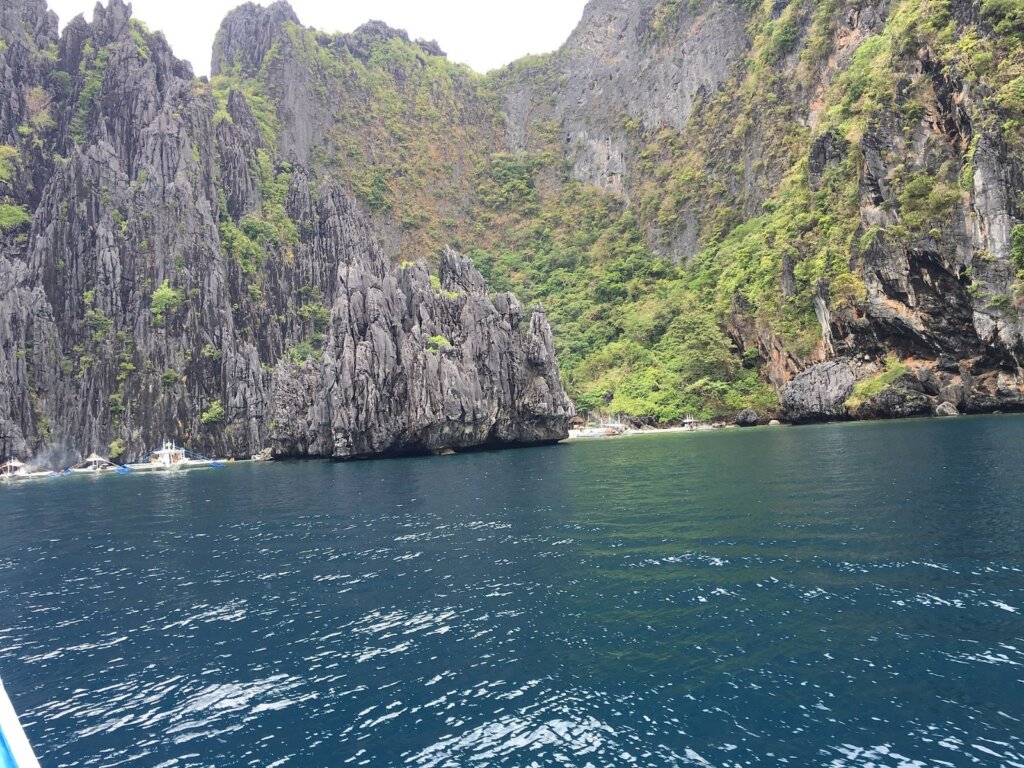

El Nido is a mostly Christian, easygoing island town where visitors of every background are welcome, but planning matters when you need halal food, prayer space, and modest comfort. This guide focuses on El Nido specifically for Muslim travelers, including families and solo visitors, who want clear, realistic expectations about halal dining, prayer, clothing, tours, and accommodation. Facilities are limited compared with big cities, so a little preparation turns a good trip into a stress-free one.
- The Big Picture: What to Expect
- Finding Halal and Halal-Friendly Food
- Prayer in El Nido
- Dress and Modesty
- Choosing Accommodation
- Tours and Activities
- Practical Tips for a Smooth Trip
- Travelling as a Family
- Sample Day for a Muslim Traveler
- Questions to Ask Before You Book
- Money, Connectivity and Small Comforts
- Final Thoughts
- Frequently Asked Questions
The Big Picture: What to Expect
The Philippines has a significant Muslim minority, mainly in Mindanao and parts of the Sulu archipelago, and Palawan has its own Muslim communities in some areas. El Nido itself is a small tourist town, so dedicated halal restaurants and mosques are limited. That does not mean you cannot travel comfortably, but you should verify details in advance rather than assume. The Philippine Department of Tourism and the National Commission on Muslim Filipinos publish general information for visitors, and your hotel can confirm what is available locally.
Finding Halal and Halal-Friendly Food
Pork is central to Filipino cuisine, so read menus carefully. Lechon, sisig, adobo, and many soups often contain pork or pork stock. Seafood is abundant in El Nido, which makes it the most practical option: grilled fish, squid, shrimp, crab, and vegetable dishes are widely available. Be aware that cross-contamination can occur on shared grills and in shared oil, and that sauces may contain pork or alcohol.
| Option | Typical Halal Confidence | How to Check | Notes |
|---|---|---|---|
| Fresh grilled seafood | Good, but check the grill | Ask for a clean grill or pan | Most reliable local choice |
| Vegetarian dishes | Good, check stock and sauces | Ask about pork broth and oyster sauce | Vegetable stir-fries are easy |
| Chicken dishes | Uncertain halal slaughter | Ask the cook; many cannot confirm | Muslim travelers decide by their own standard |
| Self-catering | You control it | Shop at markets, cook in the kitchen | Best for strict observance |
| Imported halal packaged foods | Labelled | Check certification marks | Bring snacks from larger cities |
Strict observance may require self-catering or bringing certified packaged food from larger cities such as Puerto Princesa or Manila. Our guide to Korean, Japanese and Thai food is helpful because some restaurants that specialize in these cuisines can adapt dishes more easily, though you still need to confirm ingredients. Meanwhile our sisig guide will help you recognize pork-based dishes you may want to avoid.
Phrases that help
Simple phrases get you far. Saying “walang baboy” means “no pork” in Filipino, and “walang alak” means “no alcohol.” Showing a printed card in English and Filipino can avoid misunderstandings in busy restaurants. Ask politely whether pork fat, lard, or pork broth is used, and whether wine or beer is added to sauces.
Prayer in El Nido
Because mosques are limited in the area, many Muslim travelers pray in their accommodation or in a quiet corner outdoors. Bring a compact prayer mat, use a prayer-time and Qibla app such as Muslim Pro, and download times and direction while you still have signal. Ask your accommodation for a quiet space or whether you can use a corner of the room. Many hosts are accommodating when asked politely.
- Plan around boat tours: Prayer times can fall during island hopping, so tell the crew and ask for a short stop or a quiet moment on the beach.
- Check Fajr timing: Early departures may require praying before pickup.
- Use apps offline: Signal can be weak in the lagoons. Our SIM and eSIM comparison will help you stay connected where coverage exists.
- Respect others: Choose a discreet spot away from foot traffic.
Dress and Modesty
El Nido is a beach destination, so most visitors wear swimsuits and shorts, but modest clothing is perfectly acceptable and common. Lightweight long sleeves, loose trousers, and swim leggings protect from the sun and suit modest preferences. Burkini-style swimwear is easy to wear on tours and snorkeling trips, and the crew will not mind. For women who wear hijab, quick-dry fabrics work best for boat days. Bring a lightweight scarf for sun and wind. Beachfront areas are relaxed, and visitors dressing modestly will not feel out of place.
Choosing Accommodation
Look for places with kitchens or kitchenettes, quiet surroundings, and flexible hosts. A self-catering stay lets you control food preparation, while a family room gives privacy. Ask about alcohol-free options, since many bars cluster near the beachfront; staying slightly away from the main strip can mean quieter nights. Request a Qibla direction if you need it, or use your app on arrival. For stays with unreliable power, read our backup power and brownouts guide so your plans for early meals and prayer are not interrupted.
Tours and Activities
Island hopping lunches are usually grilled fish, rice, and vegetables, with pork sometimes included. Tell your operator when booking that you need halal-friendly or pork-free meals, and ask whether the grill used for your fish is separate. Private boats give the most control. If you plan alcohol-free activities, kayaking, snorkeling, beach walks, and viewpoints all fit easily. See our indoor activity guide for rainy-day ideas.
Practical Tips for a Smooth Trip
Pack snacks from home or from larger cities, including certified halal protein bars, nuts, and dried foods. Carry a small water bottle and use refill stations; see the tap water and ice safety guide before drinking local water. Keep cash for small eateries, with advice in our ATM and cash guide. Confirm everything in writing when booking tours or rooms, and always keep a flexible mindset: facilities are limited, but people are friendly and usually eager to help.
Travelling as a Family
Families will find El Nido relaxed and welcoming, and children usually enjoy the beaches and boat rides. Plan meals ahead, carry familiar snacks, and keep a basic prayer routine flexible. Choose accommodation near the beach so you can retreat to the room when needed, and consider shorter tours so little ones are not tired at prayer time. Hotels with kitchenettes help with feeding babies and picky eaters, and a rental fridge or a cooler for snacks saves stress on hot days.
Sample Day for a Muslim Traveler
A realistic day might begin with Fajr in your room, followed by a breakfast of fruit, eggs, and rice from a kitchen you trust. After an island hopping pickup, ask the crew in advance for a short beach stop around midday so you can pray quietly. Lunch can be grilled fish and vegetables, with pork dishes kept separate. Return in the late afternoon, pray Asr and Maghrib at your accommodation, and then enjoy a seafood dinner in a restaurant where you have confirmed the ingredients. Evenings are relaxed, with sunset walks and cafe stops that do not center on alcohol.
Questions to Ask Before You Book
Send a short message before arrival. Ask whether the kitchen can prepare pork-free meals, whether a separate pan or grill is available, whether the property has a quiet area for prayer, how far it is from the beachfront bars, and whether the room has a fridge or kettle. Ask tour operators whether lunch can be pork-free and whether the boat can pause for prayer. Clear communication up front is the single biggest factor in a comfortable stay, and most hosts appreciate the notice.
Money, Connectivity and Small Comforts
Small details add up. Carry enough cash for small eateries and tricycle rides, since card acceptance is patchy and ATMs can run empty on busy weekends. Download offline maps and prayer-time data before heading to the lagoons, where mobile signal fades. Bring a small foldable mat, a lightweight scarf or shawl, a reusable bottle, and a compact umbrella for sun and rain. A portable power bank is valuable on long boat days, and a small zip bag protects your phone and prayer items from spray. If you travel with older relatives, choose shorter outings and rest in the shade during the hottest hours, roughly from late morning to mid-afternoon.
Finally, be gracious and curious. Many locals are happy to explain dishes, recommend quiet beaches, and help you find suitable food once they understand what you need. A friendly explanation and a smile usually open more doors than any list of rules.
If you visit during Ramadan, tell your accommodation in advance. Restaurants and tours operate normally for other guests, so you will want to arrange suhoor and iftar meals ahead of time, ideally from a kitchen you control or a host who understands the schedule. Shorter, early-morning outings avoid the midday heat while fasting, and a quiet evening on the beach after iftar is a lovely way to end the day.
Final Thoughts
El Nido is not built around halal tourism, but with preparation it works well. Rely on fresh seafood and vegetables, communicate clearly about ingredients, carry a prayer mat and an offline app, choose modest, comfortable clothing, and pick accommodation with a kitchen if you follow strict dietary rules. Verify details before you travel, because facilities change, and enjoy a place that is welcoming to nearly every visitor.
Frequently Asked Questions
Are there halal restaurants in El Nido?
Dedicated halal restaurants are limited, so most Muslim travelers rely on fresh seafood, vegetarian dishes, or self-catering and verify ingredients with each kitchen.
Is there a mosque in El Nido?
Mosque access in the immediate area is limited, so many travelers pray in their accommodation. Confirm current options locally before you travel.
Is pork common in Filipino dishes?
Yes. Lechon, sisig, adobo and many soups use pork or pork stock, so always ask before ordering.
Is modest dress acceptable on tours and beaches?
Yes. Modest swimwear, long sleeves and quick-dry clothing are common and protect from the sun.
How do I get prayer times and Qibla direction?
Use an app such as Muslim Pro and download times and direction in advance, since signal can be weak on boat tours.