Most visitors never leave the coastline, yet the forested hills behind town hide cool streams and waterfalls that make a welcome break from salt and sun. This guide focuses specifically on travellers who have already done the main island-hopping tours and want a quieter inland day, or who need a rainy-season alternative. You will learn how to plan a waterfall trip, what to expect from the trek, how seasons change water levels, and how to stay safe and respectful.
- Why Add an Inland Day to Your El Nido Trip?
- Inland vs Coastal Days: A Quick Comparison
- Leave No Trace on the Trail
- Planning the Trip: Getting There and Hiring a Guide
- What to Bring for a Waterfall Day
- Fitness, Age and Who Should Skip the Trek
- Seasons, Water Levels and Weather Risks
- Safety and Etiquette at Freshwater Pools
- Costs, Fees and What a Fair Price Looks Like
- Respecting Local Communities and the Forest
- Sample Half-Day Plan
- Frequently Asked Questions
Why Add an Inland Day to Your El Nido Trip?
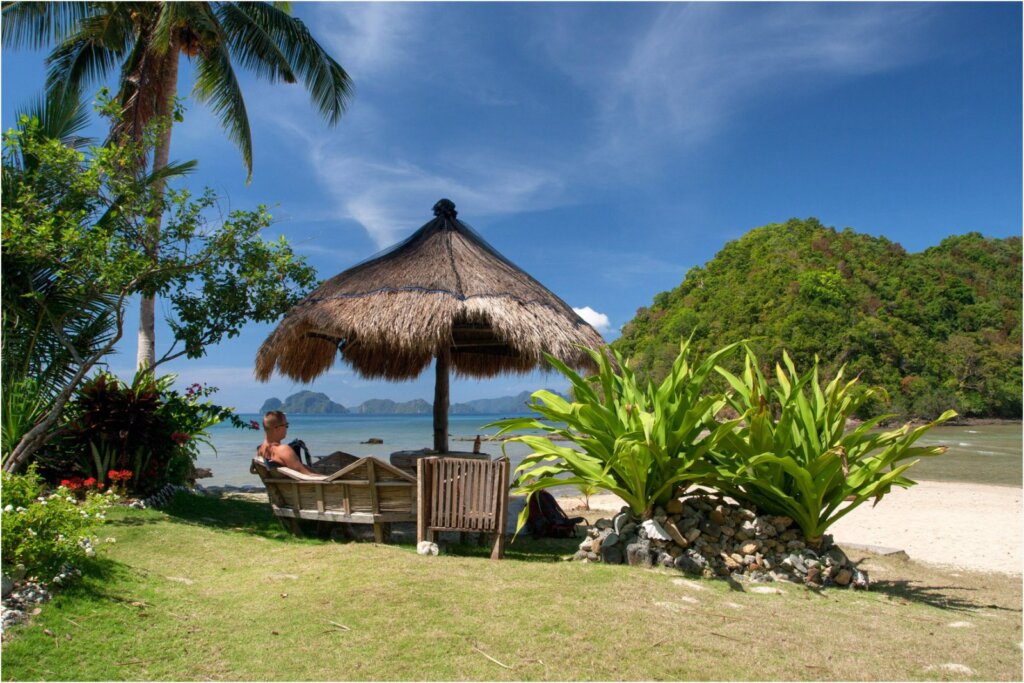
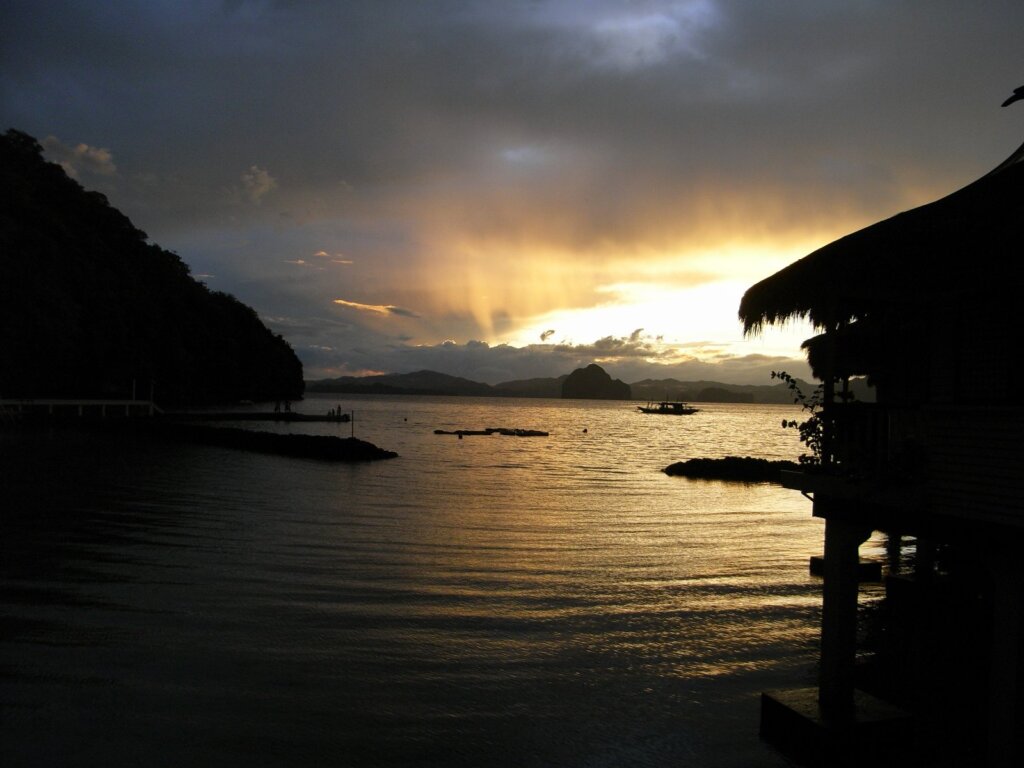
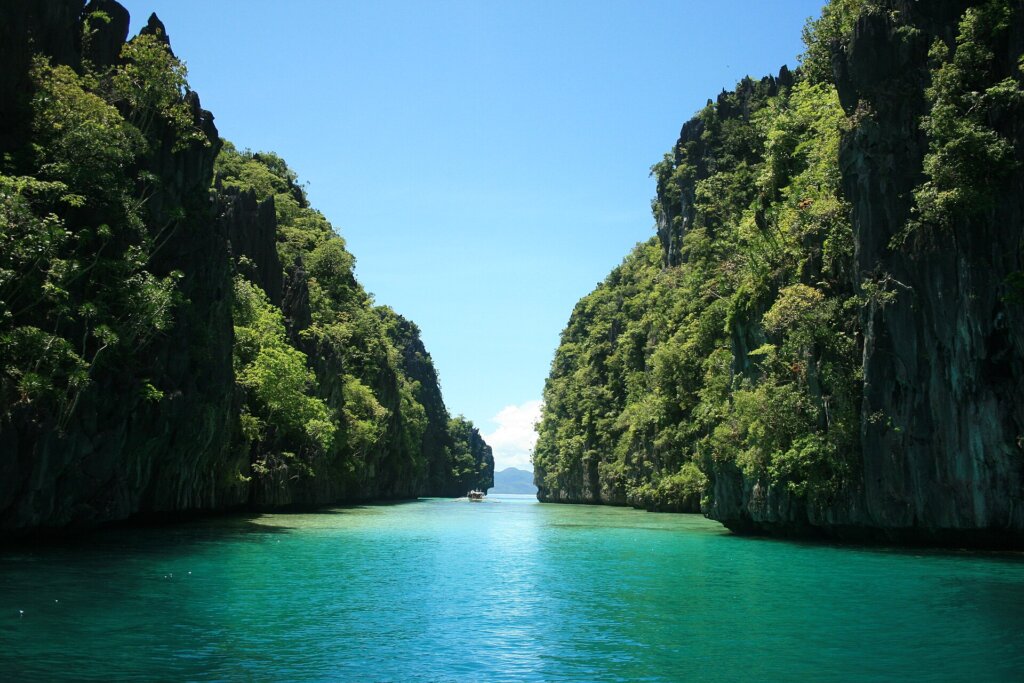
El Nido is famous for limestone cliffs and lagoons, but the surrounding Palawan interior is lush rainforest that feeds streams year-round. Spending a day inland gives you shade, fresh water and a different side of the island. It is also a smart backup when seas are too rough for boat tours, a situation explained in our bad-weather tour guide.
Waterfalls here are not theme-park attractions. Expect natural pools, uneven paths and small crowds. Facilities vary from none at all to a basic hut and a small fee. Go with a flexible attitude and you will enjoy it.
Inland vs Coastal Days: A Quick Comparison
| Factor | Waterfall / inland day | Island-hopping boat tour | Beach day |
|---|---|---|---|
| Typical effort | Moderate: trek, uneven footing | Low to moderate: swimming | Low |
| Sun exposure | Lower under forest canopy | High on the water | High |
| Rain sensitivity | High: trails and rivers can flood | High: sea conditions | Moderate |
| Crowds | Usually small | Often busy at popular lagoons | Varies by beach |
| Best for | Nature lovers, rainy days | First-time visitors | Relaxing, families |
Use the table to decide how to mix your days. A balanced itinerary might combine one boat day, one inland day and one slow beach day.
Leave No Trace on the Trail
Principles that work on every trail apply here. Pack out all rubbish, including fruit peels and tissues, which decompose slowly in forests. Use existing toilets or, if there are none, carry out waste in a sealed bag. Keep fires and cooking stoves for designated areas only. Take only photos, leave stones and plants where they are, and keep your voice low so animals stay calm.
Groups of more than eight make a bigger footprint and a louder one. Split into smaller parties if you can, and give other walkers space at narrow points. Teach children to carry their own small bag and pick up any litter they find; leaving a trail cleaner than you found it is a tradition worth keeping.
Share what you learn with other travellers through honest reviews that mention safety, fees and the guide’s conduct. Good information protects both visitors and the places they come to see, and it helps responsible operators win business from careless ones.
Planning the Trip: Getting There and Hiring a Guide
Many waterfall trails start on rough roads outside town and are not always signposted. Hire a local guide through your accommodation or the municipal tourism office, who can arrange a tricycle or van and explain the route. A guide also helps you avoid trespassing on private farmland. Settle the price, the pick-up time and what is included before you leave.
For transport costs and typical rates, compare options in our tricycle fares guide and car rental guide. Tricycles are fine on dry days but can struggle on muddy tracks. Vans or 4×4 vehicles are safer in wet months.
Tell someone at your hotel where you are going and when you expect to return. Mobile coverage fades in the hills, so download offline maps first. If you still need data, check the SIM card and eSIM comparison.
What to Bring for a Waterfall Day
- Sturdy sandals with grip or lightweight trail shoes; wet rocks are slippery.
- Quick-dry clothing, swimwear and a light towel.
- A dry bag for your phone, wallet and spare shirt.
- At least one litre of water per person, plus snacks.
- Insect repellent and a hat.
- A small first-aid kit with plasters and antiseptic.
- A rain poncho, since showers appear quickly.
- A trash bag to carry out everything you carry in.
Skip heavy cameras and drones. If you must bring a camera, keep it sealed until you reach a safe spot. Keep valuables to a minimum and leave jewellery at your hotel.
Fitness, Age and Who Should Skip the Trek
Waterfall treks vary from a short forest stroll to a few hours of steep, muddy climbing. Be honest about your fitness. If you struggle with stairs or have knee or balance problems, ask your guide for the easiest route or choose a different activity. Children over six who enjoy walking usually manage easy trails, but toddlers and infants are better off at the beach. Seniors can enjoy shorter trails if they move slowly and use a walking stick, and our accessibility guide offers ideas for easier outings.
Pregnant travellers and anyone with heart or respiratory conditions should speak to a doctor before trekking in tropical heat. Warm up with a short walk the day before, wear shoes that you have already broken in, and rest whenever you feel dizzy. Pace matters more than speed: aim for a steady rhythm where you can still hold a conversation.
Finally, plan your meals. A light breakfast of rice and fruit gives steady energy, while heavy meals can make you sluggish on hills. Pack salty snacks to replace what you sweat out.
Seasons, Water Levels and Weather Risks
Flow changes dramatically across the year. In the dry season from roughly December to May, pools are calm, trails are firm and visibility is good, but small falls can shrink to a trickle. In the wet months, waterfalls roar and look dramatic, but rivers can rise within minutes and trails become muddy or impassable.
Check the local forecast on PAGASA or weather.com the evening before and again in the morning. If heavy rain falls upstream, water can rise even when the sky above you is clear. Never cross a swollen stream. Turn back and enjoy a different activity instead.
Leeches and mosquitoes are more active in the wet season, so wear long, light sleeves and apply repellent. Finish early so that you return to town before dark.
Safety and Etiquette at Freshwater Pools
Test water depth carefully before entering and never jump from rocks without checking what lies beneath. Currents near the base of falls are stronger than they look, and loose stones can shift. Keep children within arm’s reach. Avoid swimming if you feel unwell or have open wounds, since stagnant water can carry bacteria.
Do not use soap, shampoo or sunscreen in streams. These products enter the drinking water of downstream communities. Mineral sunscreen should be applied well before you reach the water, and our reef-safe sunscreen guide explains how to choose. Keep noise low, take photos without blocking others, and never carve names into rocks or trees.
Do not drink stream water, even if it looks clear. Carry filtered or bottled water as discussed in tap water and ice safety.
Costs, Fees and What a Fair Price Looks Like
Expect a few categories of cost: transport to the trailhead, a guide fee, a possible community or environmental fee, and food or drinks. Prices differ by season, group size and how far the trail is, so ask your hotel for a current estimate and compare at least two quotes. A transparent guide will list what is included and what is extra. Pay in small bills, since change can be hard to find in rural areas.
Splitting a van among four or five people usually lowers the per-person cost compared with going alone. If you travel solo, ask your hotel to match you with another small group. Avoid paying in full in advance; a small deposit is normal, with the rest due after the trip. Keep receipts and the guide’s phone number, and tip generously if the day went well. Fair wages keep experienced local guides in the profession and help the community value its forests.
Lastly, check cancellation terms. If heavy rain makes the trail unsafe, a good guide will offer to reschedule or refund, and will not push you to go ahead just to keep the booking.
Respecting Local Communities and the Forest
Some trails cross land used by farmers or indigenous communities. Ask permission, greet people politely, and pay any local fee or donation requested. These small payments help maintain paths and support families. Buy a drink or snack at a village shop when you can; it keeps tourism money local.
The forest is home to birds, monitor lizards and plants found nowhere else. Stay on marked paths, do not pick flowers and do not feed monkeys or other wildlife. If you enjoy birds, see our bird watching guide and consider carrying a pair of binoculars. The Department of Tourism promotes responsible-travel principles that are worth reading before you go.
Sample Half-Day Plan
Leave town at 7:30 a.m. with your guide and breakfast packed. Arrive by 9:00, trek for about an hour, swim and picnic by late morning, then return before the afternoon heat and rain risk build. Back in town by 2:00 p.m., you can rinse off, rest and enjoy dinner. Keep a spare dry shirt in the bag for the ride home.
If energy remains, finish the day with a sunset kayak. Our kayak routes guide lists calm options close to town. An inland morning followed by a sea evening shows you both faces of Palawan in a single day.
Frequently Asked Questions
Are there waterfalls near El Nido?
Yes, there are waterfalls and streams in the hills around the area, but access varies. Ask your accommodation or a local guide which trails are open and safe.
Do I need a guide?
A guide is strongly recommended. Trails are unmarked, may cross private land and can become dangerous after rain.
Is it safe to swim at waterfalls?
It can be if water is calm and you check depth first. Avoid swimming after heavy rain or when currents are strong.
What is the best season to visit?
The dry season from about December to May offers safer trails, while the wet season gives stronger flows but more risk.
Can I drink the stream water?
No. Carry bottled or filtered water instead.